
 Save
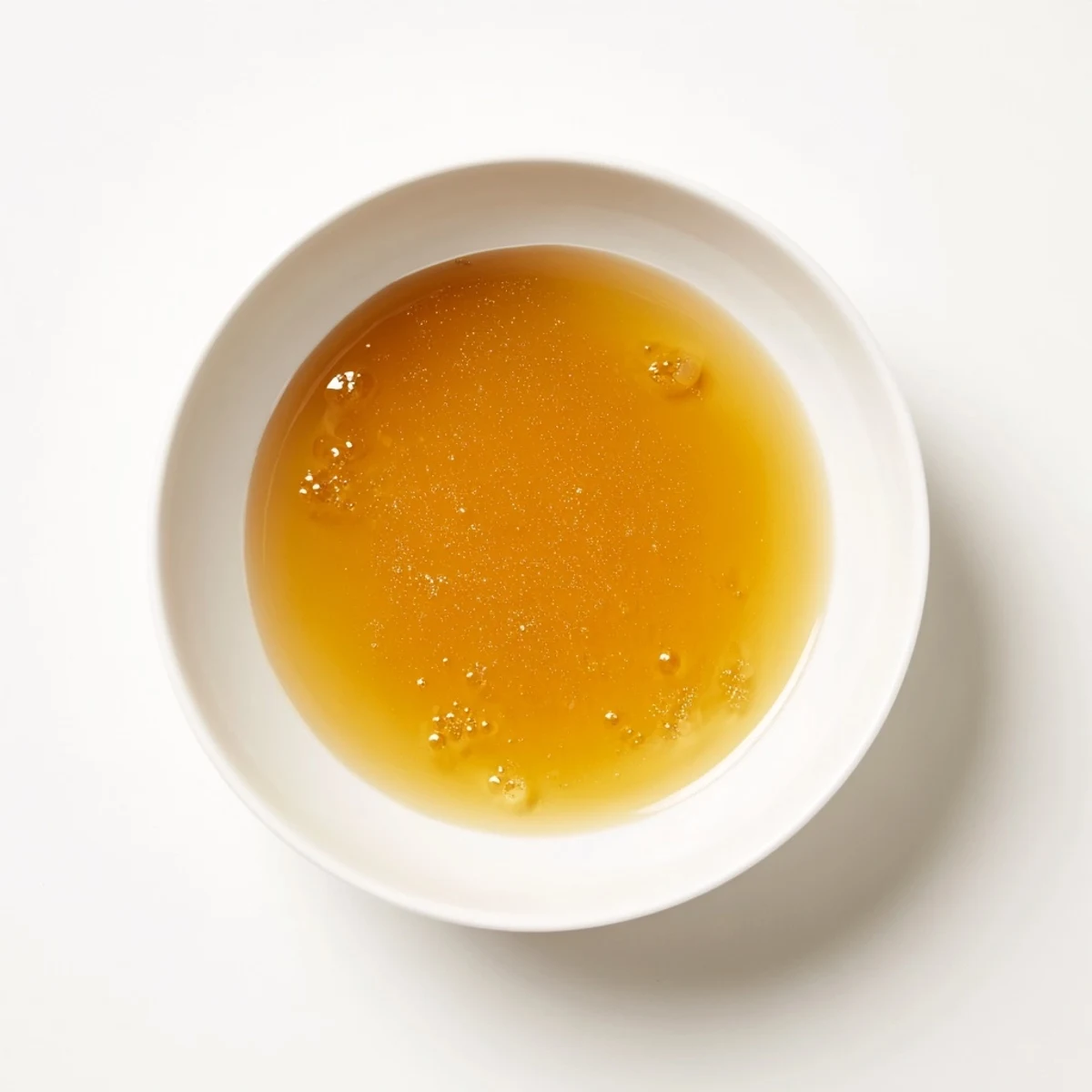
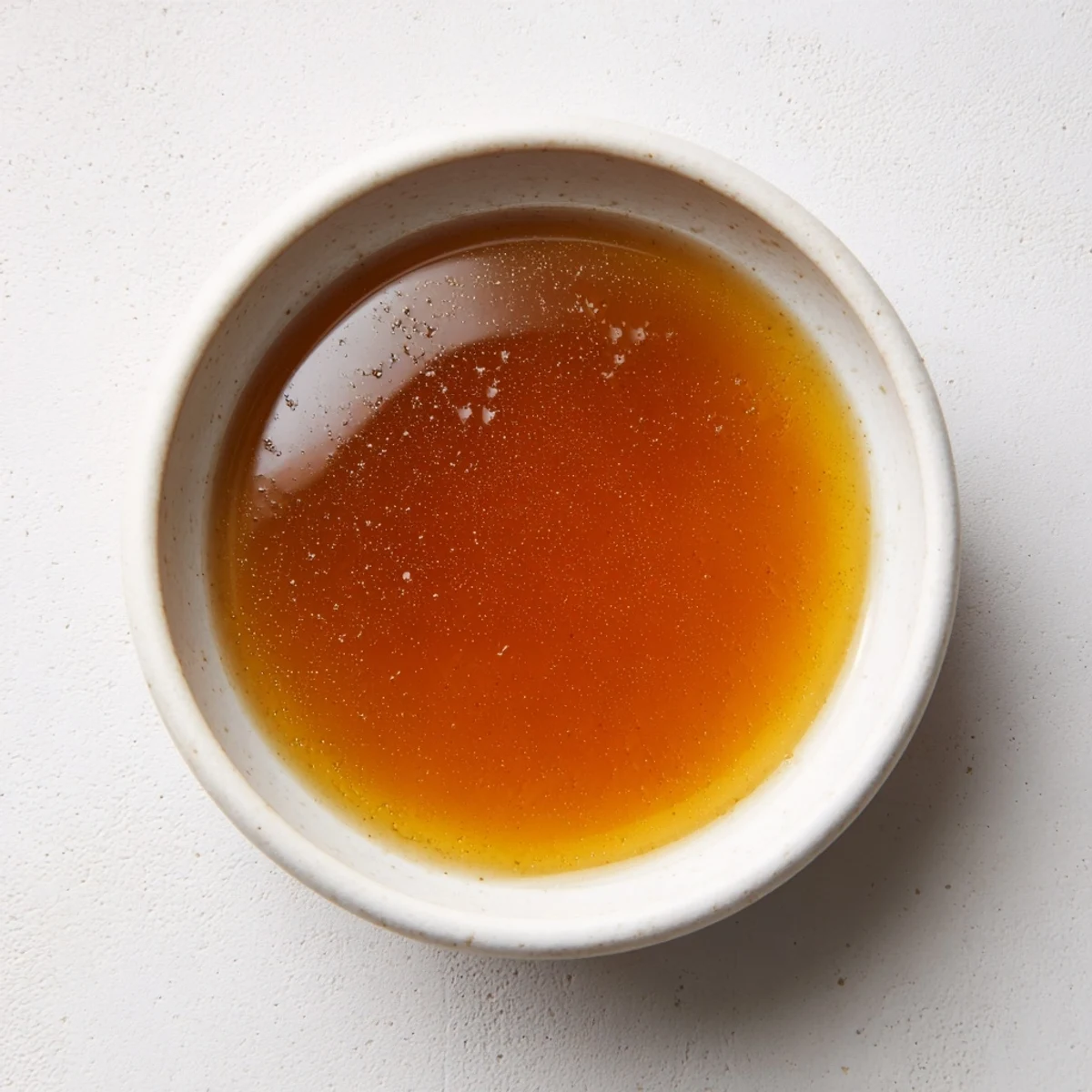
Save This rich beef stock is made by roasting beef bones and slowly simmering them with onions, carrots, celery, garlic, and fresh herbs like thyme and bay leaves. The process develops deep, savory flavors and a full-bodied aroma that enhances soups, stews, and sauces. Taking about 4 hours to cook, it’s carefully skimmed and strained for clarity. Perfect as a homemade base, this gluten-free stock can be refrigerated or frozen for future culinary use.
I still remember the first time my grandmother let me help make beef stock from scratch. I was maybe ten years old, standing on a stool to peer into her enormous pot as steam rose up and filled the kitchen with the most incredible savory aroma. She told me that great cooking starts with great stock, that it's the invisible foundation that makes everything taste better. That day changed how I understood cooking entirely, and now whenever I simmer beef stock, I'm right back in that warm kitchen, learning that patience and proper technique create magic.
I made this stock for the first time to impress someone I was falling for, preparing a beef bourguignon that needed a proper foundation. Watching them taste that first spoonful and close their eyes in appreciation—that's when I realized stock wasn't just an ingredient, it was liquid confidence. Now I make a batch every few months, and my freezer full of ice cube trays of golden stock feels like having a secret advantage in the kitchen.
Ingredients
- Beef bones (1.5 kg): These are your foundation—seek out marrow bones or oxtail because the collagen and marrow create that silky, rich mouthfeel. Look for bones with meat still clinging to them rather than pristine white ones
- Beef shank or stew meat (500 g, optional): This adds meaty flavor and body that bones alone can't quite deliver; the meat releases gelatin and deep umami that makes you wonder what restaurant's magic potion you're recreating
- Onions (2 large, quartered): Don't peel them—the papery skin actually adds color and a subtle sweetness to your stock
- Carrots (3, roughly chopped): These contribute natural sweetness that balances the savory notes; I learned to leave the skin on because it holds nutrients and flavor
- Celery stalks (3, roughly chopped): The aromatics' supporting player that people always forget matters, but trust me, your stock notices when it's missing
- Leek (1, cleaned and roughly chopped): Optional, but it adds a gentle sweetness and sophistication that makes people ask what your secret ingredient is
- Garlic (1 head, halved horizontally): Halving it rather than mincing keeps the cloves intact during the long simmer, releasing their essence gradually
- Bay leaves (2): These little leaves carry the memory of Mediterranean kitchens; they're non-negotiable
- Fresh thyme (6 sprigs): Fresh matters here—it brightens the stock with herbal notes that dried thyme simply can't achieve
- Black peppercorns (10): Whole peppercorns deliver warmth without the harshness of ground pepper that can cloud your beautiful stock
- Parsley stems (6): Save those stems when you use parsley leaves for something else; they're perfect for stock and pack subtle green flavor
- Whole cloves (2): Just two—these are powerful little flavor bombs that add warmth and complexity
- Salt (1 tsp): Start with this amount, but you'll taste and adjust at the end because stock is a living, evolving thing
- Cold water (3 liters): Cold water starts the extraction process gently, which is why you never start with boiling water
- Tomato paste (2 tbsp, optional): This deepens the color to that gorgeous mahogany brown and adds a subtle umami whisper that rounds everything out
Instructions
- Roast your bones until they're mahogany brown:
- Preheat your oven to 220°C and spread those beef bones and shank on a roasting pan. This step is non-negotiable—you're building flavor through the Maillard reaction, that golden-brown transformation that makes everything taste richer. Roast for 30 to 40 minutes, turning them halfway through so every surface gets that caramelized kiss. You want deep brown, almost dark in places, but not black and burnt.
- Build your pot with the roasted bones:
- Transfer your beautiful roasted bones to your largest stock pot. Now here's the trick I learned from watching too many batches turn out pale and weak: pour off most of the fat from the roasting pan, then add a little water and scrape those caramelized bits stuck to the bottom—that's pure gold flavor. Pour everything into the pot with your bones.
- Add your aromatic vegetables:
- Throw in your quartered onions, chopped carrots, celery, leek, and halved garlic head. Don't bother dicing them small; rough chunks are exactly what you want. Stir everything together so the vegetables nestle around the bones.
- Stir in tomato paste if you're using it:
- If you want that deeper color and richer complexity, add your tomato paste now and stir it around so it coats the vegetables slightly. It's subtle but it matters.
- Pour in cold water and bring to a gentle simmer:
- Add enough cold water to cover everything by about an inch—roughly 3 liters. This is where patience becomes your ingredient. Set the heat to medium and let it slowly, gently come to a simmer. You're not rushing this. As the temperature rises, proteins will start floating to the surface as foam. This is normal and actually beautiful—it means extraction is happening.
- Skim off the foam for clear, clean stock:
- Once it reaches a simmer, for the first 30 minutes especially, use a ladle or skimmer to gently remove that gray-white foam that rises to the surface. This step is what separates clear, beautiful stock from murky broth. It takes patience but it's worth it—you're removing impurities that would cloud your finished stock.
- Add your herbs and seasonings:
- Once the foam has mostly stopped rising, add your bay leaves, thyme sprigs, parsley stems, peppercorns, cloves, and salt. Give it a gentle stir.
- Let it simmer gently for 4 hours:
- Partially cover the pot and reduce the heat to maintain a bare simmer—you want tiny bubbles occasionally breaking the surface, not a rolling boil. Boiling will emulsify the fat and cloud your stock. Occasionally skim any remaining impurities that float up. The kitchen will smell incredible. This is the hardest part because you'll be tempted to peek constantly. Don't. Just let time and temperature do their work.
- Strain everything through fine mesh:
- After 4 hours, carefully pour your stock through a fine-mesh sieve or cheesecloth into a clean container. Let gravity do the work—don't press on the solids. You want clear stock, not squeezed stock.
- Cool it down before refrigerating:
- Let your stock cool to room temperature, then refrigerate. As it chills, the fat will solidify on top—you can remove it if you prefer, or leave it as a protective seal. Either way works.
- Store it properly:
- Your stock keeps in the fridge for up to 5 days or freezes beautifully for 3 months. I freeze mine in ice cube trays so I have instant flavor-boosting portions for anything.
 Save
Save Years later, I was teaching my sister to cook and we made this stock together. Halfway through those 4 hours of simmering, she asked me why we couldn't just use store-bought broth. I handed her a spoon to taste what we had made so far, and watching her face light up as she understood the difference—that's when I knew I'd passed something important down, something that goes beyond recipes into how we nourish the people we love.
The Roasting Step Changes Everything
The moment those bones hit the hot oven, you're engaging the Maillard reaction—that magical chemical transformation that creates depth and complexity. I've made stock both ways, roasted and unroasted, and they're in completely different leagues. The roasted version has this deep, almost meaty richness that makes people lean in for another spoonful. The unroasted version tastes pale and one-dimensional by comparison. It's worth those extra 40 minutes of oven time, I promise you.
Why Patience Matters More Than Ingredients
Stock is actually a lesson in what happens when you slow down. Those 4 hours of gentle simmering aren't optional—they're when the magic happens. The heat slowly breaks down collagen in the bones into gelatin, which gives your stock that luxurious, silky mouthfeel that makes sauces cling to food and soups feel like a warm hug. You can't rush this. Every minute on the heat is extracting more flavor, more body, more of that liquid gold that makes you feel like a real chef.
Freezing and Using Your Stock Wisely
Once you've made your first batch, you'll understand why I freeze mine in ice cube trays. Each cube is a little portion of pure umami, ready to drop into pan sauces, risottos, soups, or anywhere you need depth. I've learned that having this in your freezer changes how you cook—suddenly a simple chicken breast becomes a luxury dinner when you deglaze the pan with a cube of your own stock. It makes weeknight cooking feel less like following recipes and more like being genuinely creative.
- Freeze stock in ice cube trays first, then pop the cubes into freezer bags for easy portioning and storage
- A single cube of stock can transform a simple sauce or soup from good to restaurant-quality
- Thaw it slowly in the fridge overnight rather than quickly on the stove to preserve all those delicate flavors you worked so hard to develop
 Save
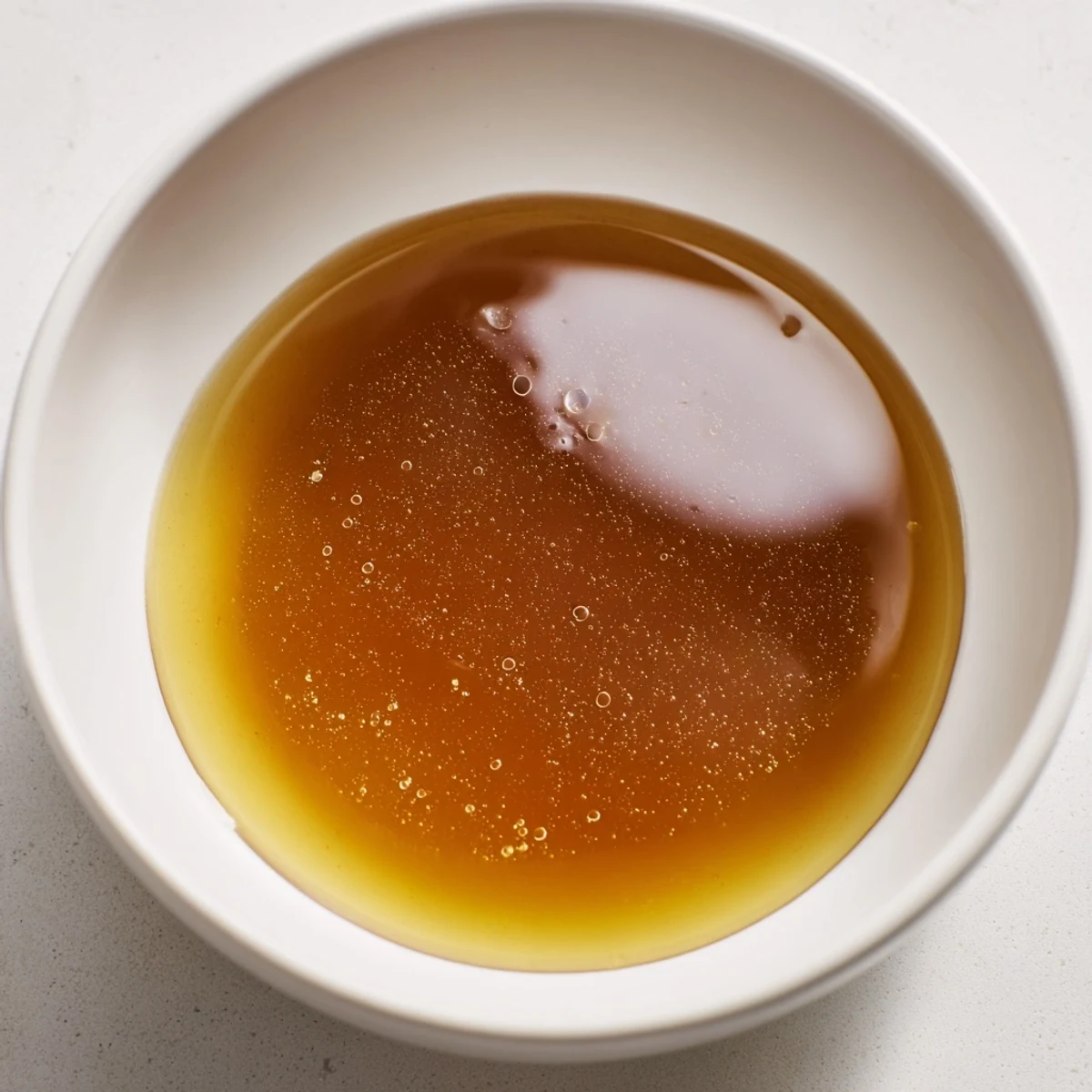
Save Making beef stock isn't just about creating an ingredient; it's about understanding that the best cooking comes from patience, technique, and respect for your ingredients. Every time you open that freezer and see those golden ice cubes, you're holding the key to better meals and that quiet satisfaction of knowing you created something truly excellent from scratch.
Recipe FAQs
- → What type of beef bones works best?
-
Marrow bones or oxtails with some meat attached provide rich, gelatinous stock with deep flavor.
- → Why is slow simmering important?
-
Gentle simmering extracts maximum flavor and nutrients without clouding the stock, resulting in clear, savory liquid.
- → Can I add other vegetables besides onions and carrots?
-
Yes, celery, leeks, and garlic contribute aromatic notes that deepen the stock’s complexity.
- → How do I store the stock safely?
-
Cool quickly, refrigerate for up to 5 days, or freeze in portions for up to 3 months to maintain freshness.
- → Is tomato paste necessary for richer flavor?
-
Adding tomato paste enhances color and adds subtle sweetness, but it is optional based on preference.