
 Save
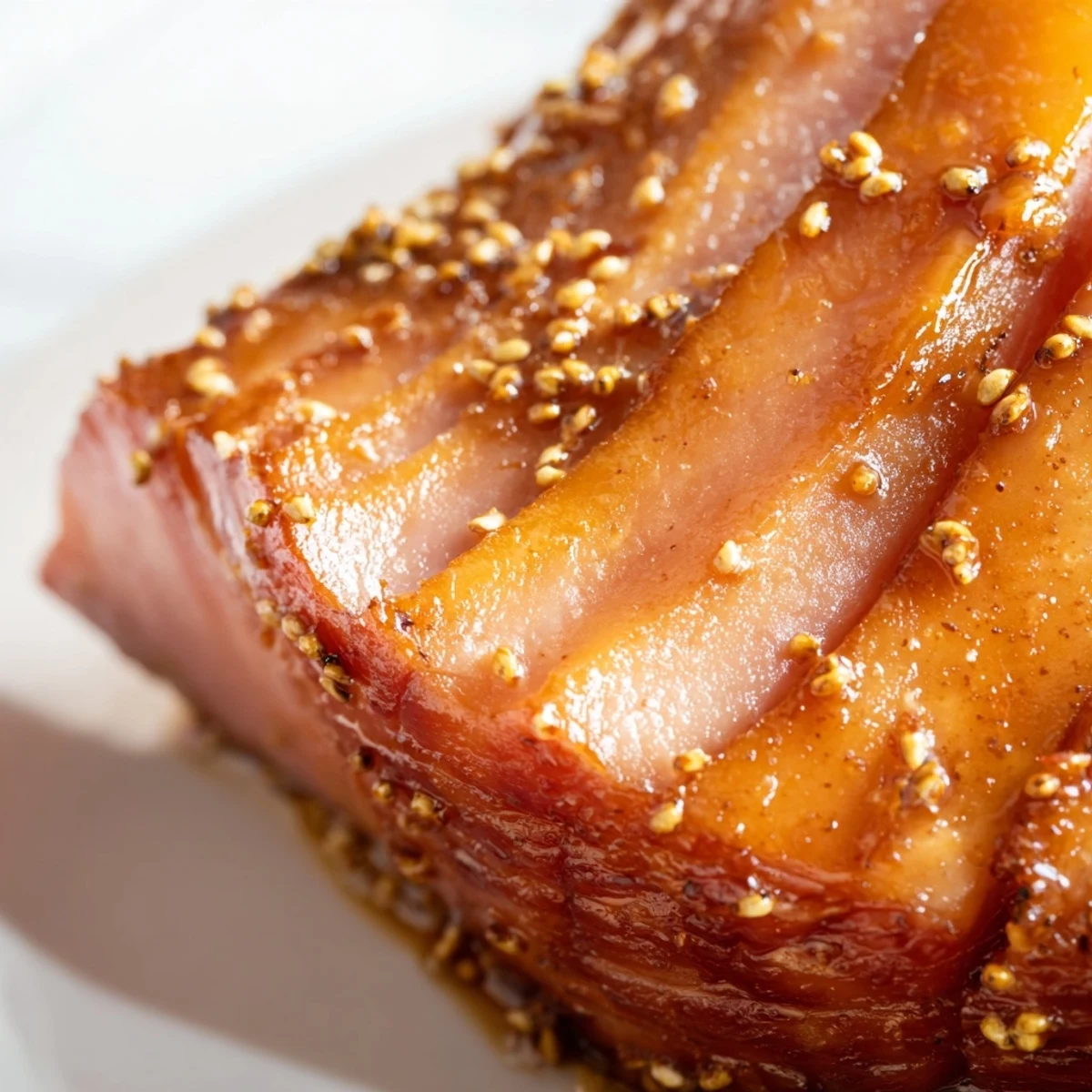
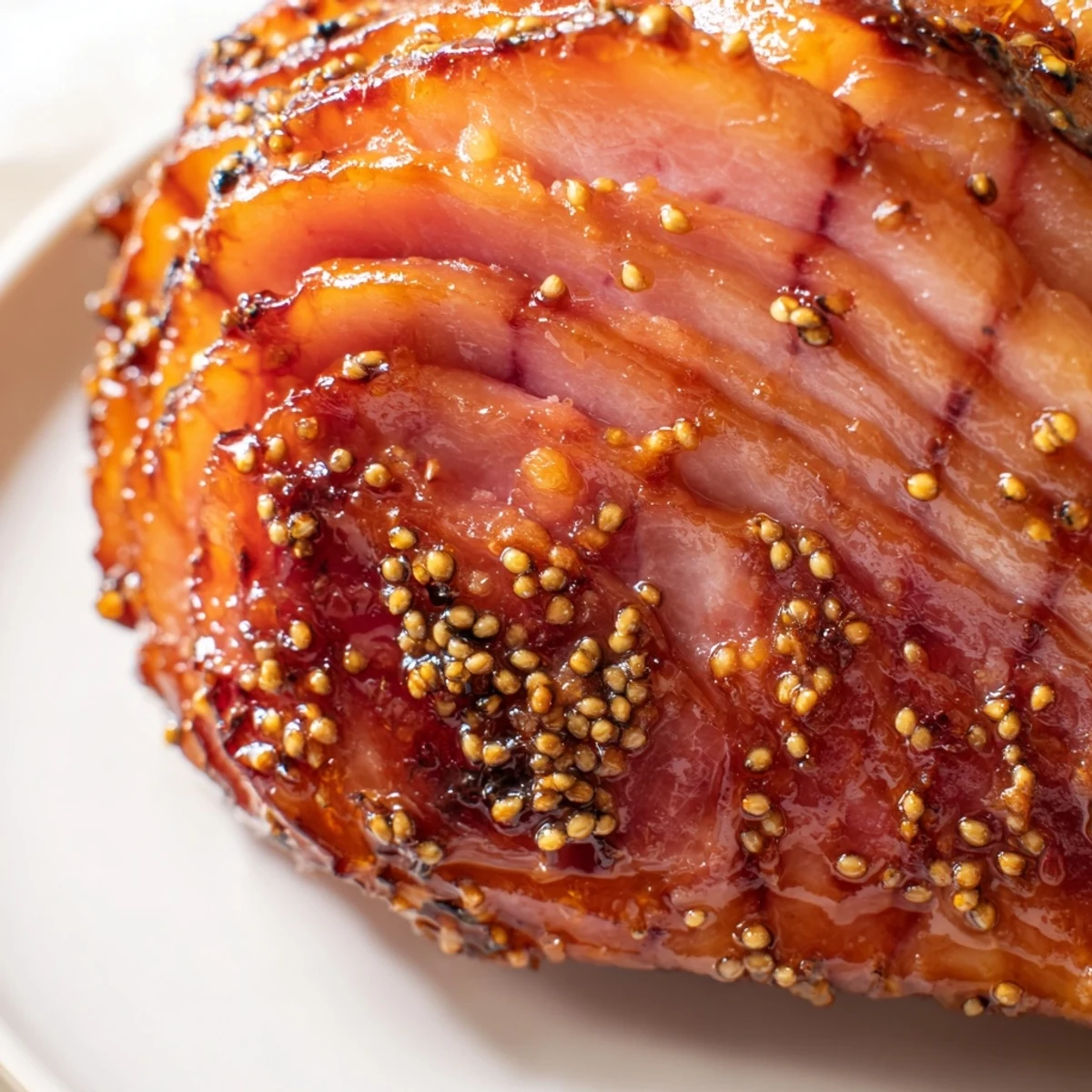
Save This impressive oven-roasted ham features a beautifully caramelized glaze made from brown sugar, Dijon and whole-grain mustard, honey, and a hint of warm cloves. The sweet and tangy coating creates a gorgeous finish that's perfect for holiday celebrations, Easter dinner, or any special occasion. The ham roasts slowly for two hours, developing rich flavor while the glaze becomes sticky and golden. Simply brush on the homemade sauce during the last hour of cooking, basting occasionally for that signature restaurant-quality shine. Leftovers are fantastic for sandwiches, breakfast hashes, and hearty soups.
The smell of brown sugar and mustard hitting the heat still makes my kitchen feel like a holiday afternoon, regardless of the calendar. My grandmother always said the glaze was the personality of the ham, and she was right. Something about that sticky, caramelized coating transforms an ordinary dinner into something people talk about for days. I have learned that the simplest glaze often creates the most memorable moments around the table.
Last Christmas, my sister insisted we could skip the glaze step to save time, and the ham was perfectly edible but utterly forgettable. The next night, I whipped up this brown sugar mustard mixture, brushed it over the cold slices, and ran them under the broiler for a few minutes. Suddenly everyone was hovering around the oven, asking what made it smell so incredible. That is when I truly understood the power of a good glaze.
Ingredients
- Ham: A fully cooked bone-in ham weighing 8 to 10 pounds works beautifully here because the bone adds flavor and helps keep the meat moist during roasting
- Brown sugar: Packed brown sugar creates that deep caramelized crust and provides the sweetness that balances the mustard
- Dijon mustard: This brings the sharpness and depth that cuts through the sweetness of the sugar
- Whole grain mustard: The texture adds little pops of mustard flavor and makes the glaze more interesting
- Honey: Honey helps the glaze cling to the ham and contributes a floral sweetness
- Apple cider vinegar: The acidity brightens everything and prevents the glaze from becoming cloyingly sweet
- Ground cloves: Just a half teaspoon gives that classic warm spiced flavor that people associate with holiday ham
Instructions
- Preheat and prepare the ham:
- Heat your oven to 325 degrees and place the ham flat side down on a rack in your roasting pan. Use a sharp knife to score the surface in a diamond pattern, cutting about one quarter inch deep, which helps the glaze penetrate and creates those beautiful caramelized edges.
- Give it an initial bake:
- Cover the ham loosely with foil and let it roast for one hour. This gentle heating allows the ham to warm through without drying out before we introduce the sugar.
- Whisk up the glaze:
- While the ham bakes, combine the brown sugar, both mustards, honey, vinegar, and cloves in a small saucepan over medium heat. Stir constantly until the sugar dissolves completely and the mixture becomes smooth and glossy.
- Start the glazing process:
- Pull the foil off the ham after that first hour and brush about half the glaze over the surface. The heat will start working on that sugar immediately.
- Glaze to perfection:
- Return the ham to the oven uncovered and continue baking for 45 to 60 minutes, basting with the remaining glaze every 15 to 20 minutes, until the exterior is deeply caramelized and the internal temperature reaches 140 degrees.
- Let it rest:
- Remove the ham from the oven and let it sit for 15 minutes before slicing. This rest period is crucial because it allows the juices to redistribute throughout the meat.
 Save
Save There was a dinner party where I completely forgot to add the cloves until the glaze was already on the ham. I sprinkled them on top and crossed my fingers, but they mostly rolled off. The ham was still delicious, but every time I make it now I remember that cloves need to be cooked into the glaze, not sprinkled on as an afterthought. Sometimes the small details really do matter.
Making It Ahead
You can glaze and roast the ham a day in advance, then refrigerate it whole. Reheat it gently at 300 degrees, covered, until warmed through, then brush with fresh glaze and broil for a few minutes to restore that sticky exterior. This actually gives the flavors time to develop even more.
Serving Suggestions
This ham pairs beautifully with scalloped potatoes, roasted green beans with garlic, or a simple arugula salad dressed with vinaigrette. The acid in the salad cuts through the richness and balances the sweetness of the glaze perfectly.
Storing and Using Leftovers
Leftover ham keeps beautifully in the refrigerator for up to a week and freezes well for up to three months. I always slice some for sandwiches, dice some for breakfast hash, and save the bone for split pea soup later in the month.
- Wrap the leftovers tightly in plastic wrap or store in an airtight container to prevent drying
- The ham bone makes incredible soup even if you just freeze it until you are ready
- Diced ham freezes perfectly in portions for quick breakfast additions later
 Save
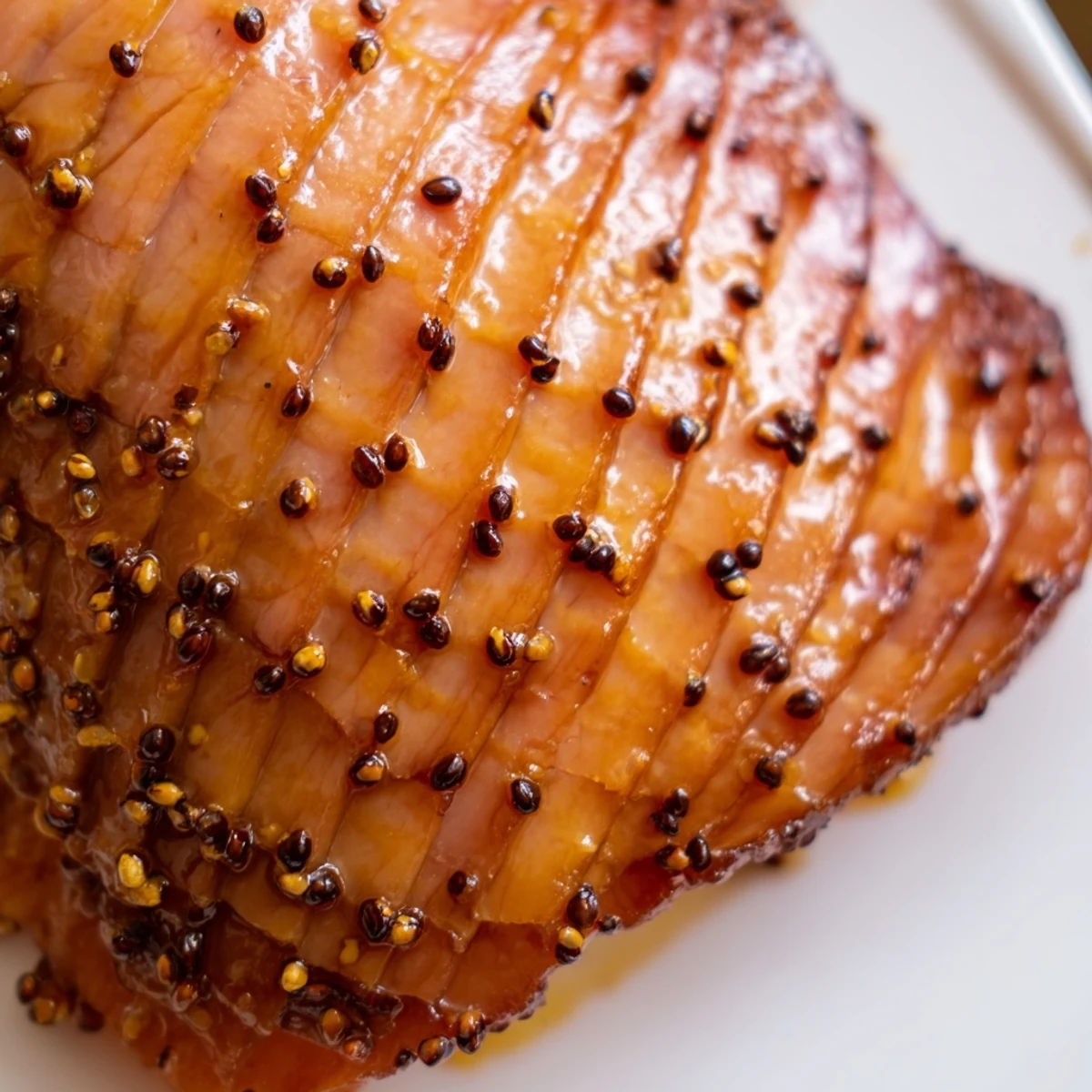
Save There is something deeply satisfying about serving a glazed ham that looks as impressive as it tastes. Every time I carry that platter to the table, catching that caramelized shine in the light, I remember why this recipe earned its permanent place in my collection.
Recipe FAQs
- → What type of ham works best for this glaze?
-
A fully cooked bone-in ham weighing 8–10 pounds works beautifully. The bone adds flavor and helps keep the meat moist during roasting. You can also use a spiral-sliced ham, though the glaze may penetrate the slices more quickly.
- → Can I make the glaze ahead of time?
-
Absolutely! Prepare the glaze up to 2 days in advance and store it in an airtight container in the refrigerator. Gently reheat on the stove before brushing onto the ham to ensure smooth application.
- → How do I know when the ham is done?
-
The ham is fully heated when it reaches an internal temperature of 140°F (60°C). Use a meat thermometer inserted into the thickest part without touching bone. The exterior should appear caramelized with a rich, glossy finish.
- → What should I serve with glazed ham?
-
Classic sides include scalloped potatoes, roasted vegetables like Brussels sprouts or carrots, dinner rolls, and a fresh green salad. For holidays, consider macaroni and cheese, sweet potato casserole, or corn pudding.
- → How long can I store leftovers?
-
Store leftover ham in the refrigerator for up to 5 days in an airtight container. You can also freeze sliced ham for up to 2 months. Thaw overnight in the refrigerator before using in sandwiches, omelets, or soups.
- → Can I substitute the mustard?
-
You can adjust the mustard types based on preference. Use all Dijon for a smoother, sharper flavor or all whole-grain for more texture. Stone-ground mustard works well too. Avoid yellow mustard as the flavor profile doesn't complement the brown sugar glaze.