
 Save
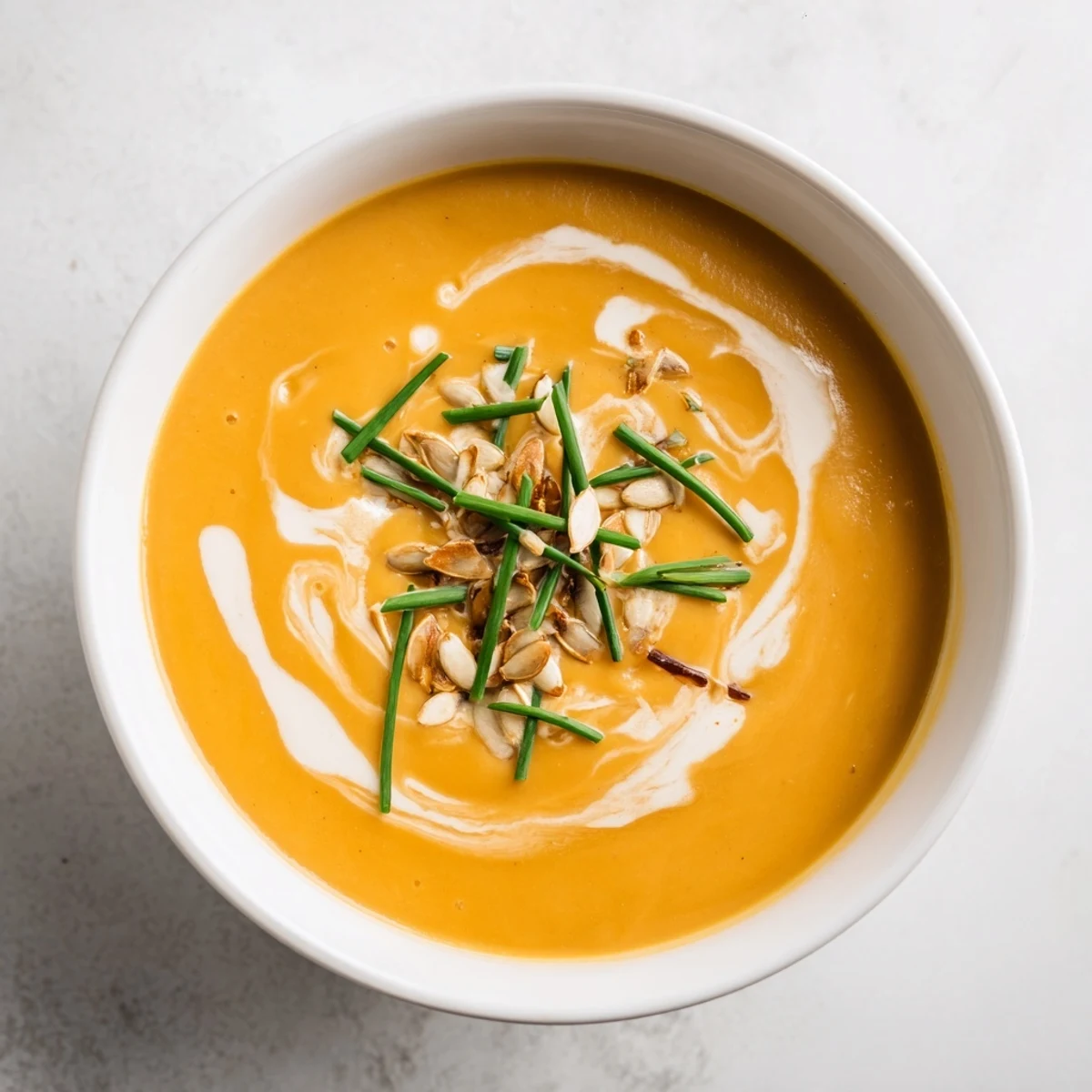
Save This comforting dish brings together butternut squash and ripe pears simmered with warm spices like ginger, cinnamon, and nutmeg. Sautéed onion and garlic add depth, while smooth coconut milk enriches the velvety texture. Simmered to tender perfection, it's ideal for cool evenings or elegant starters. Garnished with fresh chives and toasted pumpkin seeds, this savory blend highlights natural sweetness balanced with gentle spice, delivering a rich, creamy experience.
I discovered this soup on a crisp October afternoon when my neighbor dropped off a basket of perfectly ripe pears from her tree, and I had just bought the most beautiful butternut squash at the farmer's market. Standing in my kitchen with these golden ingredients, I remembered my grandmother's philosophy: the best recipes come from what's in season and what's on hand. That evening, I created this silky blend, and one spoonful transported me back to autumn visits to her kitchen. Now, every fall, this soup feels like a warm embrace in a bowl.
I'll never forget the first time I made this for my book club. Everyone arrived expecting a regular meeting, and instead they walked into my kitchen filled with the most incredible aroma of cinnamon, nutmeg, and caramelized squash. One friend literally said, "This tastes like autumn feels." That's when I knew this recipe was special. It wasn't just soup; it was a moment.
Ingredients
- 1 medium butternut squash (about 2 lbs), peeled, seeded, and cubed: This is your flavor foundation. Choose a squash that feels heavy for its size and has a deep golden color. The sweetness in winter squash is natural and concentrated, so don't be tempted to add sugar. If peeling feels daunting, roast it whole first to soften the skin.
- 2 ripe pears, peeled, cored, and chopped: Pears add a subtle sweetness and help create that silky texture. Use pears that yield slightly to pressure but aren't mushy. Bosc or Anjou work beautifully here. The ripeness makes all the difference in the final taste.
- 1 medium yellow onion, chopped: This is your aromatic base, the foundation that carries all the spices. Don't rush this step; letting the onion soften properly mellows its bite and builds flavor.
- 2 garlic cloves, minced: Fresh garlic adds depth without overpowering. Mince it finely so it distributes evenly and cooks properly in that magical spice moment.
- 4 cups vegetable broth (gluten-free, if needed): Choose a quality broth you'd taste on its own. Low-sodium allows you to control the final seasoning. Homemade is wonderful, but good store-bought works perfectly.
- 1/2 cup coconut milk or heavy cream: This is what makes it luxurious. Coconut milk keeps it dairy-free and adds tropical notes; heavy cream makes it richly traditional. I've used both, and the choice depends on my mood and what's in my fridge.
- 2 tbsp olive oil: Good olive oil matters here. It's not just fat; it carries flavor and helps toast your spices.
- 1/2 tsp ground ginger, 1/4 tsp ground cinnamon, 1/8 tsp ground nutmeg: These spices are what make this soup unmistakably autumn. Measure them carefully; they're the soul of the dish. Fresh spices make a noticeable difference, so check your cabinet.
- Salt and freshly ground black pepper, to taste: Always finish with fresh cracked pepper. It adds a gentle bite that makes everything taste more like itself.
- Optional garnish - Chopped fresh chives or parsley, toasted pumpkin seeds, drizzle of cream or coconut milk: These aren't just decoration. They add texture, freshness, and visual warmth to each bowl.
Instructions
- Get Your Base Ready:
- Pour that good olive oil into your large pot and let it warm over medium heat until it shimmers slightly. It should smell alive and vibrant. Add your chopped onion and let it slowly soften for 3 to 4 minutes, stirring occasionally. You're not looking for color here, just for the onion to become translucent and tender. This is the moment where your kitchen starts to smell like comfort.
- Wake Up the Spices:
- Now add your minced garlic, ground ginger, cinnamon, and nutmeg. Stir constantly for about 1 minute. This is crucial. You'll smell the shift as the heat brings out the aromatic oils in the spices. That fragrance is telling you it's working. Don't let it go longer or the spices can turn bitter.
- Add Your Stars:
- Stir in your cubed butternut squash and chopped pears. Give everything a good toss so the pieces are coated in that spiced oil. Let them sauté together for 2 to 3 minutes. You're not cooking them through yet, just introducing them to each other and the seasonings.
- Build the Simmer:
- Pour in your vegetable broth and bring the whole pot to a gentle boil. Once you see it bubbling at the surface, reduce the heat and cover with a lid. Let it simmer quietly for 25 to 30 minutes. The squash should be completely tender when you pierce a piece with a fork. This is actually a lovely moment to step back, pour a cup of tea, and let the kitchen do the work.
- Blend to Silk:
- Once everything is tender, remove from heat. If you have an immersion blender, this is its moment to shine. Carefully blend right there in the pot, moving the blender around until everything is smooth and silky. If you're using a countertop blender, work in batches, being careful with the hot liquid. Add your cream or coconut milk after blending, stirring gently to incorporate. Taste as you go.
- Season and Serve:
- Add salt and freshly ground black pepper to your taste. Remember, you added salt through your broth, so go easy. Warm gently if needed, then ladle into bowls. Garnish with chives, toasted pumpkin seeds, or a drizzle of cream if you have it. Serve while it's hot, and watch the smiles.
 Save
Save There's something about serving soup that feels like an act of care. It's warm, it's nourishing, and it says, "I made something with my hands and my time for you." This soup, with its golden color and subtle sweetness, has become my go-to for those moments when I want to show up for someone or simply take care of myself on a cold evening.
Ways to Make It Your Own
This recipe is a beautiful starting point, but your kitchen should feel like your kingdom. Some of my favorite experiments include roasting the squash cubes in the oven at 400°F for 25 minutes before adding them to the pot. This concentrates their sweetness and adds a subtle caramelized depth that changes the whole character of the soup. I've also substituted apples for pears when I had them on hand, which gives a slightly tarter, crisper finish. Once, I added a tiny pinch of cayenne pepper, and my sister couldn't put her spoon down. The base is forgiving; it welcomes your creativity.
What to Serve Alongside
This soup is elegant enough to stand alone as a starter, but it also loves company. A crusty piece of bread is non-negotiable for soaking up every last drop. A simple green salad with a sharp vinaigrette cuts through the soup's richness beautifully. Once, I served it with a grilled cheese sandwich, and it felt like childhood in the best way. The key is not to compete with the soup's delicate flavors but to complement them with something fresh or crispy or both.
Storage and Make-Ahead Tips
This soup is actually one of those rare recipes that tastes even better the next day, as the flavors continue to meld and deepen. Store it in an airtight container in the refrigerator for up to 4 days. You can also freeze it for up to 3 months, though I recommend freezing it before adding the cream or coconut milk; add that fresh when you reheat. To reheat, warm gently over low heat on the stovetop, stirring occasionally. It doesn't like high heat, which can cause the cream to separate.
- Make it ahead for stress-free entertaining by preparing it completely the day before
- Freeze in individual portions for quick weeknight meals whenever you need comfort in a bowl
- Reheat gently on the stovetop, never in the microwave, for the smoothest texture
 Save
Save Every time I make this soup, I'm reminded that the best recipes are the ones that connect us to the seasons, to each other, and to the simple pleasure of good food. This is that recipe.
Recipe FAQs
- → Can I roast the butternut squash before cooking?
-
Yes, roasting the squash at 400°F for 25 minutes adds a deeper, caramelized flavor to the final dish.
- → What can I substitute for pears?
-
Apples work well as a tart alternative that complements the sweetness of the squash.
- → Is coconut milk necessary?
-
Coconut milk adds creaminess and a subtle flavor, but heavy cream can be used for a richer texture.
- → How can I make this dish gluten-free?
-
Ensure the vegetable broth used is gluten-free; other ingredients are naturally free from gluten.
- → What garnishes work best with this dish?
-
Fresh chives, parsley, toasted pumpkin seeds, or a light drizzle of cream complement the flavors nicely.