
 Save
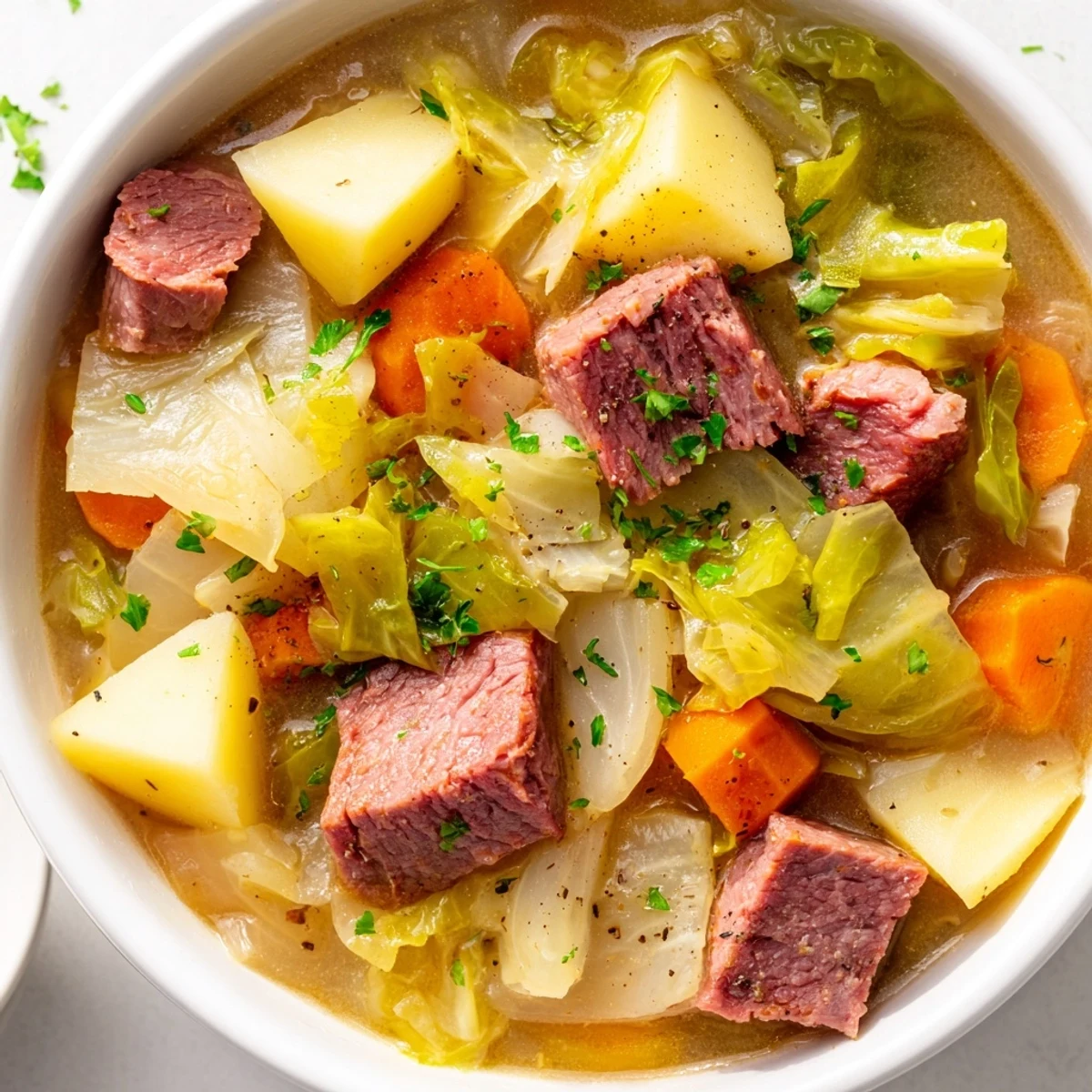
Save This nourishing dish combines tender corned beef chunks with chopped cabbage and diced Yukon Gold potatoes simmered in a well-seasoned beef broth. Aromatics like onion, carrots, celery, and garlic deepen the flavor, while thyme and bay leaf add subtle herbal notes. Slow cooking melds the ingredients into a hearty stew ideal for warming up on cold days or festive gatherings. Garnish with fresh parsley for a bright finish.
The kitchen was still dark when I started chopping vegetables, that quiet hour before anyone else wakes up. I'd made corned beef the day before and had more leftovers than I knew what to do with, so soup seemed like the obvious answer. By the time my husband shuffled into the kitchen, drawn by the smell of simmering broth and thyme, the whole house felt warmer somehow.
My grandmother would shake her head at how I've adapted her boiled dinner into soup form, but honestly, this version gets eaten faster. Last St. Patrick's Day, I made a huge pot and watched three generations go back for seconds, the cabbage practically disappearing from everyone's bowls first. There's something about how the potatoes break down slightly that makes the whole thing feel like a hug.
Ingredients
- 1 lb cooked corned beef: Leftovers work beautifully here, cutting into bite-sized cubes makes every spoonful feel substantial
- 1 medium yellow onion: Diced small so it几乎 melts into the broth, providing that essential savory base
- 3 medium carrots: Peeled and sliced into rounds, they add sweetness and a pop of color
- 3 celery stalks: Sliced thin, these contribute that aromatic backbone people can never quite identify
- 4 medium Yukon Gold potatoes: Their creamy texture holds up better than russets, and peeling them keeps the broth clear
- 4 cups green cabbage: Chopped into manageable pieces, it wilts beautifully and absorbs all the savory flavors
- 3 garlic cloves: Minced fresh, they bloom quickly in the hot oil and perfume the entire soup
- 8 cups low-sodium beef broth: Starting with less salt lets you control the seasoning since the corned beef is already salty
- 1 bay leaf: A single leaf adds that subtle depth that makes people wonder what your secret is
- 1 tsp dried thyme: Earthy and complementary to beef, it bridges the gap between all the vegetables
- ½ tsp black pepper: Freshly cracked adds warmth without overwhelming the delicate balance
- ½ tsp salt: Use judiciously and taste at the end, remembering the corned beef contributes saltiness
- 2 tbsp fresh parsley: Sprinkled on top right before serving adds a bright, fresh finish that cuts through the richness
Instructions
- Build your aromatic base:
- Heat a splash of oil in your large soup pot over medium heat, then add the onion, carrots, and celery. Let them soften for about 5 minutes, stirring occasionally, until the onions turn translucent and the whole kitchen starts smelling like comfort.
- Wake up the garlic:
- Stir in the minced garlic and let it cook for just 1 minute until fragrant, being careful not to let it brown or it'll turn bitter.
- Bring everything together:
- Add the potatoes, cabbage, corned beef, beef broth, bay leaf, thyme, pepper, and salt. Give it a good stir to make sure nothing's stuck to the bottom, then watch as the cabbage starts to wilt down immediately.
- Let it simmer into magic:
- Bring the pot to a boil, then drop the heat to low and cover it. Let it simmer gently for 45 to 60 minutes, until the potatoes are tender enough to break apart with a spoon and the broth has taken on a rich, reddish hue from the corned beef.
- Finish with care:
- Fish out and discard the bay leaf, then taste the broth and adjust the seasoning if needed. The corned beef will have released salt during cooking, so you might not need to add anything.
- Serve it up:
- Ladle the hot soup into bowls, making sure each serving gets plenty of corned beef and vegetables. Scatter fresh parsley on top if you like, then serve while it's steaming hot.
 Save
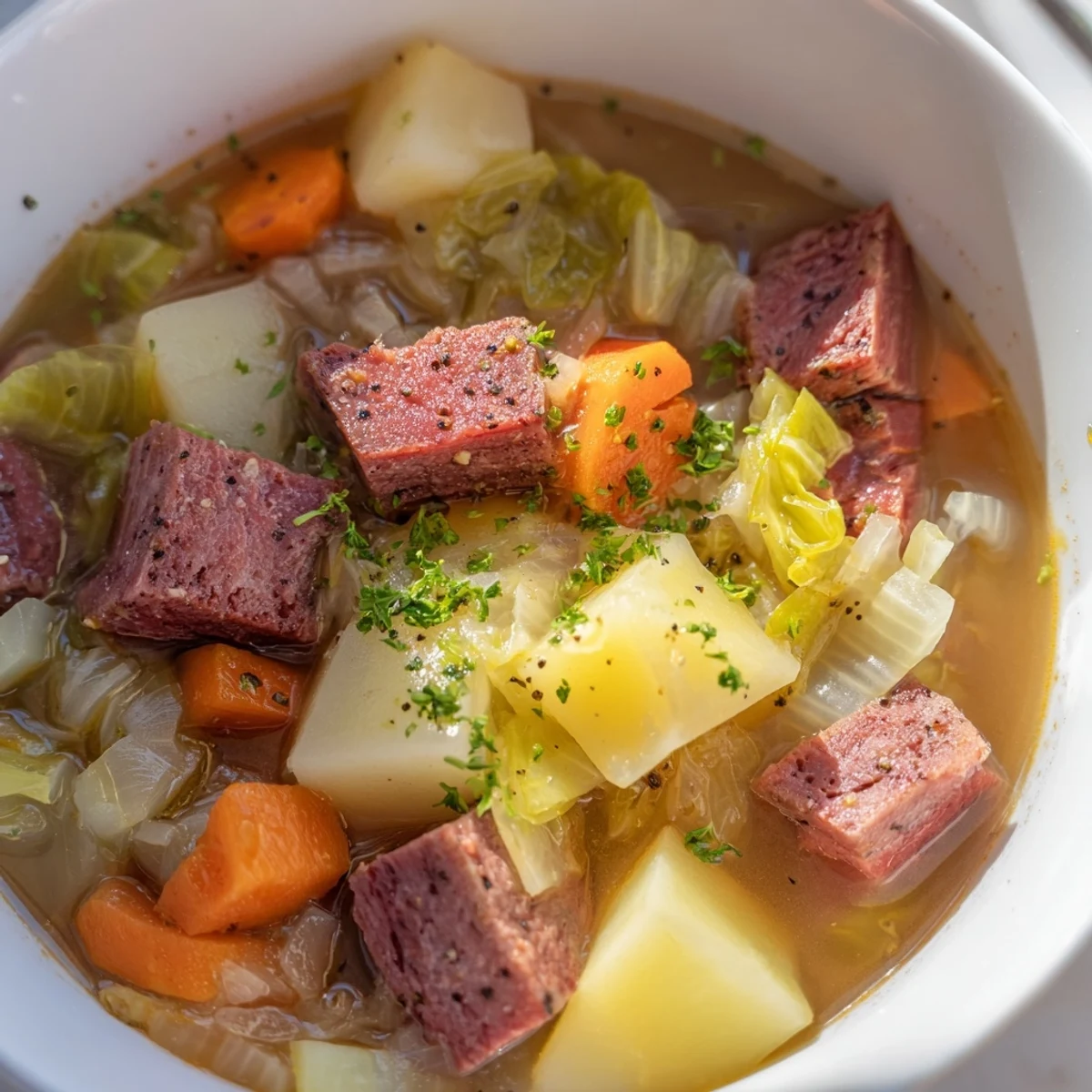
Save I once made this for a friend who swore she hated cabbage soup, having been traumatized by bland diet versions in college. She took one cautious bite, eyes widened, and asked for the recipe before she'd even finished her first bowl. Sometimes the simplest ingredients, treated with a little patience, surprise us the most.
Making It Your Own
A splash of heavy cream stirred in at the end transforms this into something incredibly luxurious, though purists might raise an eyebrow. I've also added a tablespoon of Dijon mustard when the broth felt too one-dimensional, and that sharp tang cut through the richness beautifully. If you have some Guinness left over, a half cup adds depth that makes people think you simmered this all day.
The Leftover Situation
This soup keeps remarkably well in the refrigerator for up to three days, though in my house it rarely lasts that long. The potatoes will continue to absorb broth, so you might need to add a splash of water or extra broth when reheating. The flavors actually deepen overnight, making this an excellent make-ahead option for busy weeks.
What To Serve Alongside
A thick slice of crusty gluten-free bread is all you really need to turn this into a complete meal, perfect for soaking up every last drop of that flavorful broth. I've also served it alongside simple green salads dressed with vinaigrette, the acidity balancing the hearty soup beautifully. When I'm feeling extra generous, I make quick drop biscuits that people can crumble right into their bowls.
- Keep some extra broth on hand when reheating, as the potatoes will continue to absorb liquid overnight
- If freezing, leave the parsley off until you reheat, as it loses its bright color and becomes sad in the freezer
- A splash of vinegar right before serving brightens everything and wakes up the flavors
 Save
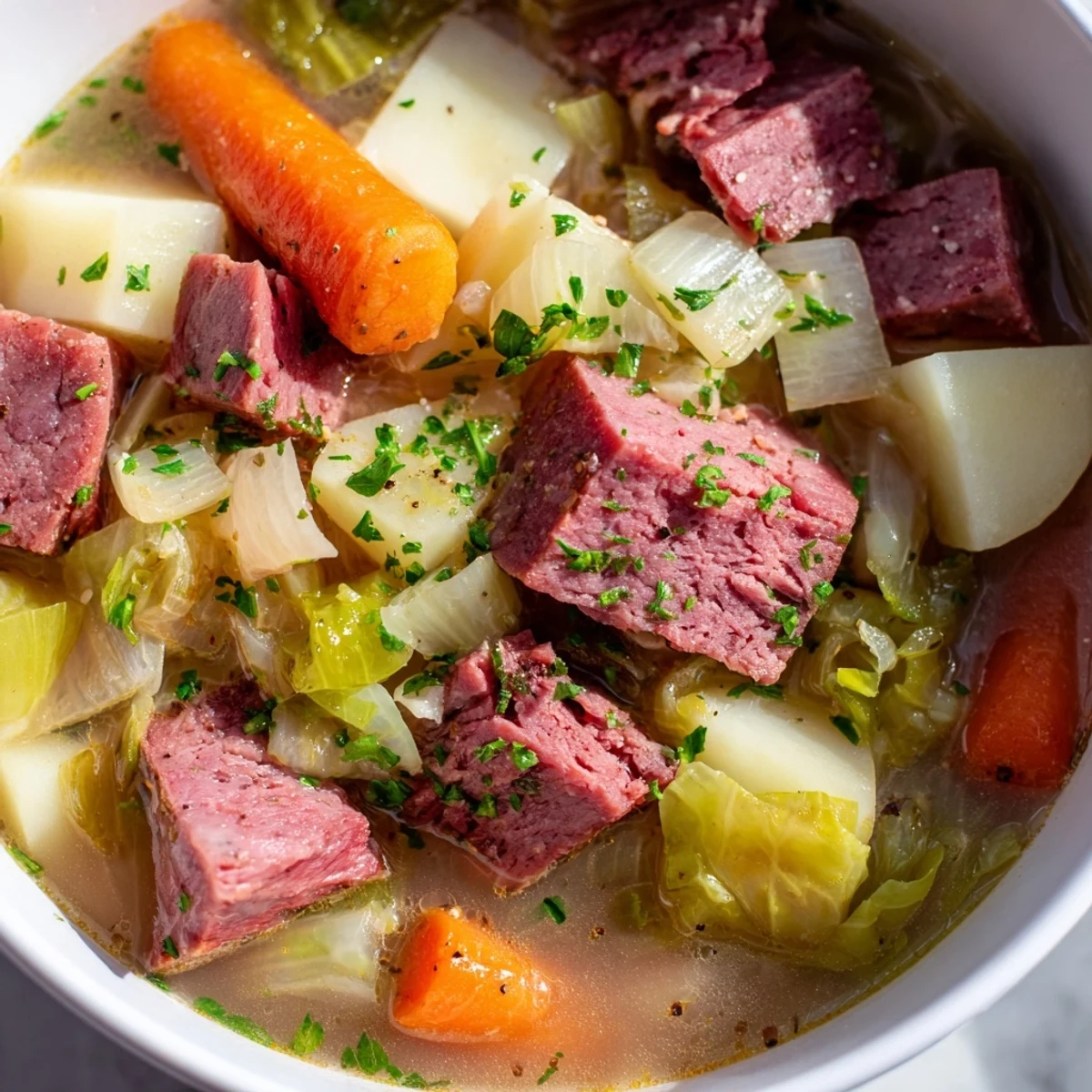
Save There's something deeply satisfying about turning leftovers into something that feels like an occasion rather than an afterthought. I hope this soup finds its way into your regular rotation, especially on those days when you need something that feels like a warm embrace.
Recipe FAQs
- → What cuts of beef work best for this dish?
-
Cooked corned beef cut into bite-sized cubes offers a tender texture and rich flavor that complements the vegetables well.
- → Can I substitute the cabbage with other greens?
-
Green cabbage is traditional, but savoy or Napa cabbage can also be used for a milder or crisper bite.
- → How do I prevent potatoes from overcooking?
-
Add diced potatoes after sautéing the aromatics and simmer gently to keep them intact but tender.
- → What seasonings enhance the broth's depth?
-
Bay leaf, dried thyme, black pepper, and a touch of salt build layers of savory, herbaceous flavor in the broth.
- → Can this dish be made ahead and reheated?
-
Yes, flavors deepen when stored overnight. Reheat gently to retain texture and avoid overcooking the vegetables.