
 Save
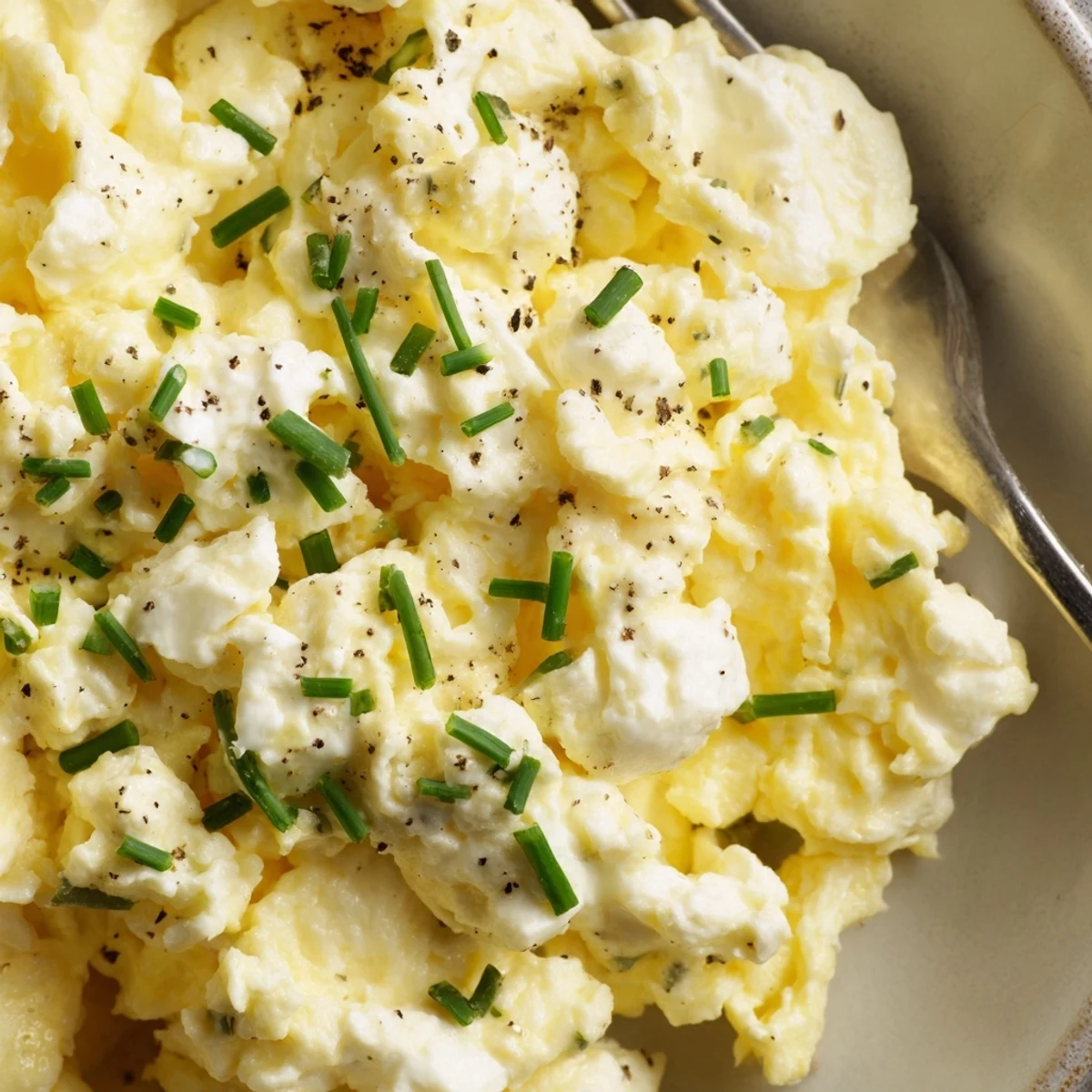
Save Whisk eggs with cottage cheese and a splash of milk until slightly frothy. Cook gently in butter over medium-low heat, pulling curds inward with a spatula to create soft, creamy curds; remove while still slightly glossy and fold in chopped chives. Serves two in about 10–12 minutes. Use small-curd cottage cheese for extra silkiness and swap chives for scallions or dill as desired.
The refrigerator hummed at 2 AM while I stood in dim light staring at a container of cottage cheese that was two days past its sell by date and a carton of eggs begging to be used before morning. Something about the silence and hunger made me reckless enough to combine them in a skillet, and what landed on my plate was so unexpectedly silky that I actually laughed out loud, alone, in my kitchen, at eggs.
I made this for my sister during a rainy weekend visit when we had nothing in the fridge except the basics and low expectations. She took one bite, set down her fork, looked at me with wide eyes, and said nothing for an unsettlingly long time before whispering that these were the best eggs she had ever eaten.
Ingredients
- 4 large eggs: The foundation, and fresh eggs truly make a difference in how high and fluffy your curds turn out.
- 1/4 cup cottage cheese: Small curd variety blends most evenly and melts into the eggs like a secret ingredient nobody can quite identify.
- 2 tbsp whole milk or cream: Just enough to loosen the mixture and keep everything tender as it cooks.
- Salt and freshly ground black pepper: Season before cooking so the flavor distributes evenly throughout rather than sitting on top at the end.
- 2 tbsp chopped fresh chives: Their mild onion sweetness cuts through the richness and adds a pop of green that makes the plate feel finished.
- 1 tbsp unsalted butter: The only fat you need in the pan, and it contributes a subtle nuttiness that olive oil simply cannot replicate here.
Instructions
- Whisk everything together:
- Crack the eggs into a bowl and add the cottage cheese, milk or cream, salt, and pepper. Whisk vigorously until the mixture looks slightly frothy and the cottage cheese curds are broken down but not completely vanished.
- Melt the butter gently:
- Set your nonstick skillet over medium low heat and let the butter melt slowly until it just starts to foam and bubble without browning.
- Pour and wait:
- Add the egg mixture to the pan and resist the urge to stir immediately. Let the bottom set for about ten seconds so those first beautiful curds can form.
- Stir with patience:
- Use a spatula to gently push the eggs from the edges toward the center, creating soft folds rather than tiny dry pieces. Continue this slow dance for roughly three to four minutes until the eggs are just set but still glisten with moisture.
- Fold in the chives:
- Take the pan off the heat completely, scatter the chopped chives over the top, and give one gentle fold so the herbs are distributed without overworking the curds.
- Serve without delay:
- Slide the eggs onto plates immediately because they continue cooking in the residual heat and the perfect creamy texture waits for no one.
 Save
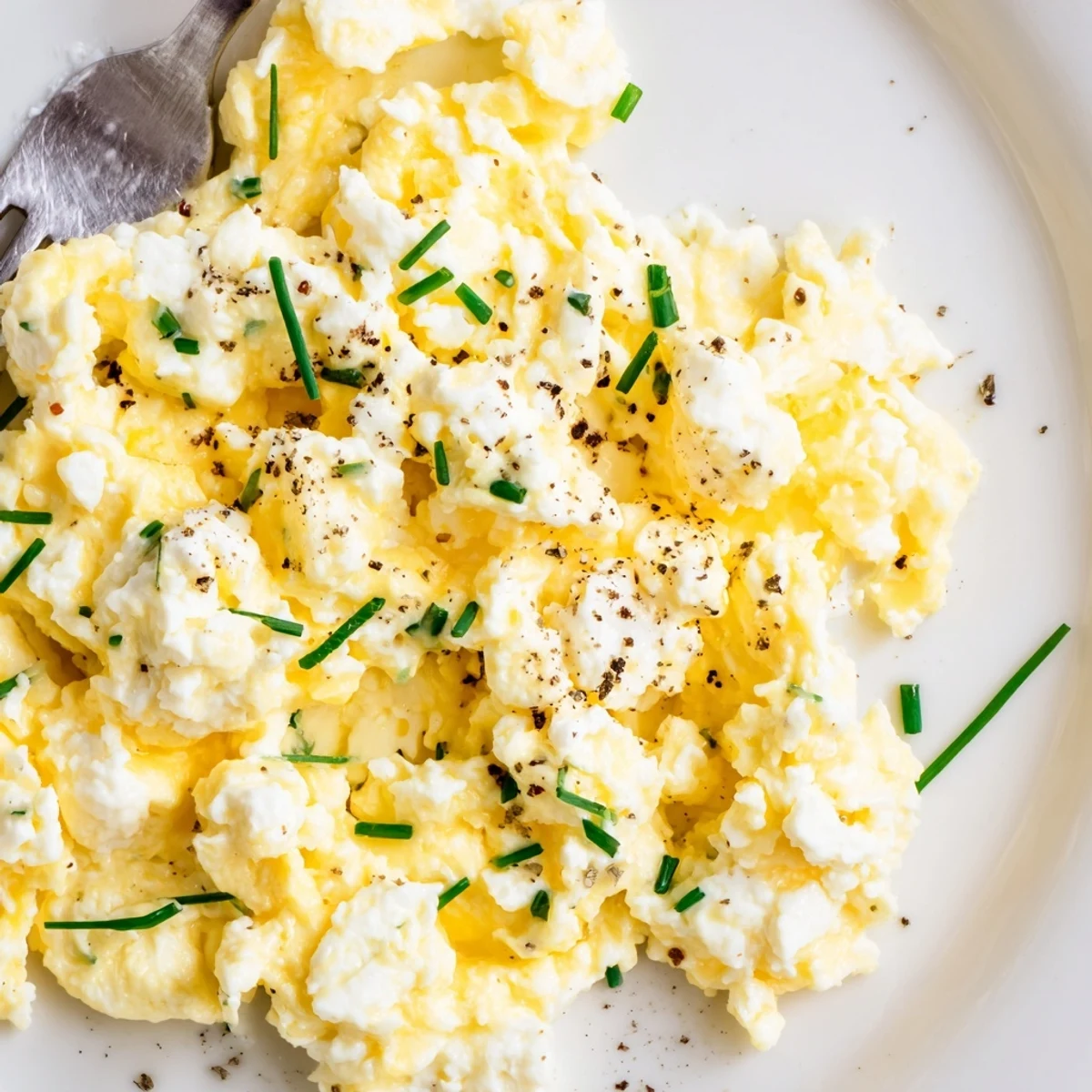
Save One bleary Sunday I served these on thick toast with sliced avocado and a squeeze of lemon, and my roommate declared it the kind of breakfast that could fix a bad week.
Serving Ideas Worth Trying
A bed of peppery arugula underneath the eggs adds a bitter contrast that balances the richness beautifully. Smoked salmon draped on top turns a simple breakfast into something that feels almost celebratory without any extra effort.
Herb Swaps and Flavor Variations
If chives are unavailable, thinly sliced scallion greens work just as well and bring a slightly sharper bite. Fresh dill is another surprising match that gives the whole dish a Scandinavian morning feel.
Tools and Final Details
A nonstick skillet truly is nonnegotiable here because eggs this delicate will stick to anything else and break your heart in the process. A silicone or rubber spatula gives you the softest fold without scratching the pan surface.
- Whisk the eggs in a bowl with a pouring spout for a cleaner transfer to the skillet.
- Keep your heat dial firmly on medium low and walk away from the temptation to rush things.
- Remember that the eggs will look slightly underdone in the pan when they are actually perfect for serving.
 Save
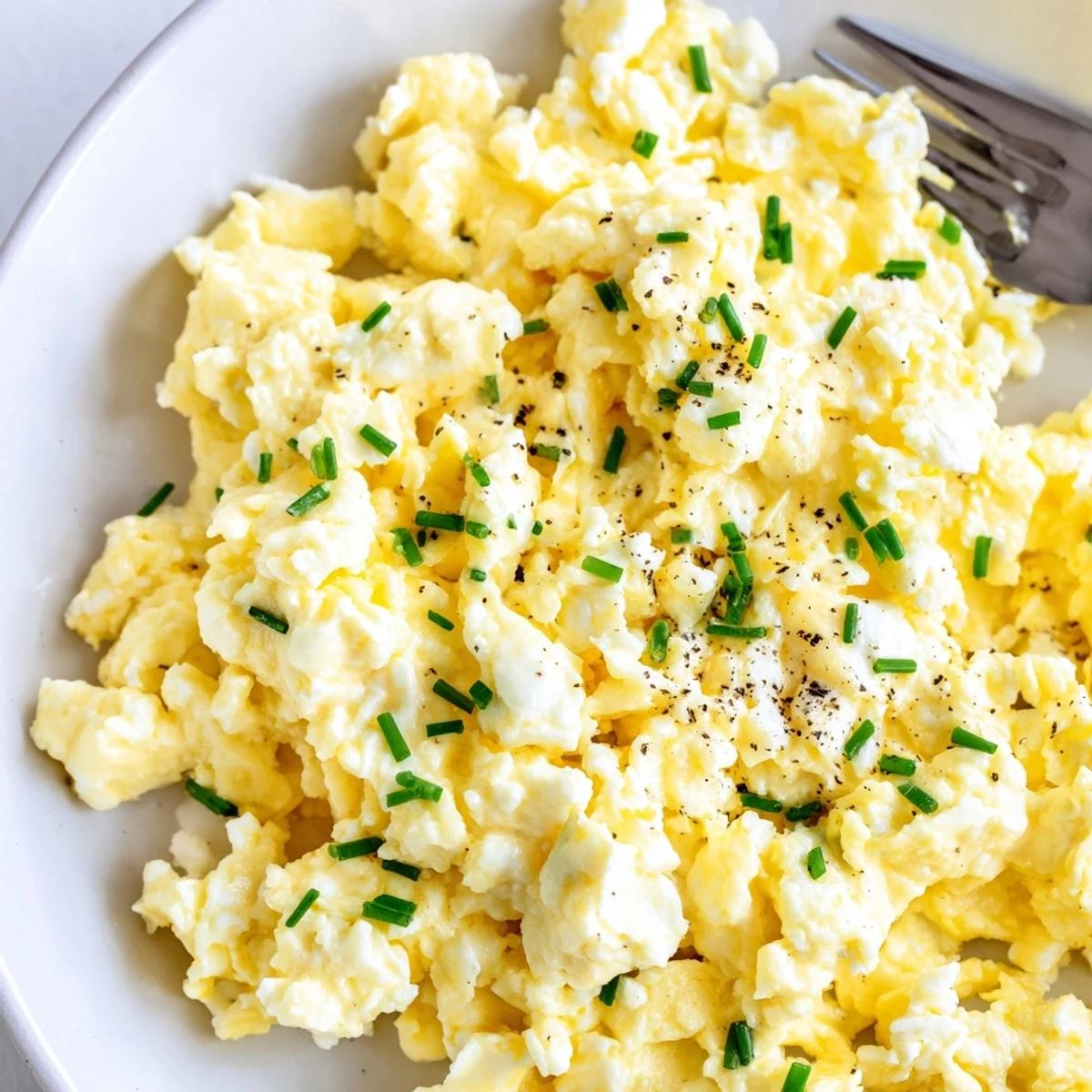
Save Some mornings call for elaborate brunches and some mornings just need something warm, quick, and quietly perfect, and these eggs have never once let me down on either occasion.
Recipe FAQs
- → How do I achieve a creamy texture?
-
Whisk the eggs with cottage cheese and a little milk or cream to loosen the curds. Cook over medium-low heat and stir gently to form soft curds; remove while still slightly glossy so the heat carries residual cooking for a silky finish.
- → Can I use low-fat cottage cheese?
-
Yes, but low-fat versions can be grainier and wetter. Drain briefly or give it a quick blend to smooth, and add a splash more milk or cream to restore richness.
- → What heat and pan work best?
-
A nonstick skillet over medium-low heat and a knob of butter help control temperature and prevent sticking. Gentle, patient cooking yields tender curds rather than dry, overcooked eggs.
- → How can I avoid watery curds?
-
Use small-curd cottage cheese or drain excess liquid. Avoid high heat and prolonged cooking; remove from the pan while the eggs remain slightly creamy to prevent separation.
- → How long do leftovers keep and how should I reheat?
-
Store cooled leftovers in an airtight container in the fridge for up to 48 hours. Reheat gently over low heat, stirring frequently, or use short microwave bursts to avoid drying out.
- → What are good serving ideas and substitutions?
-
Serve on toasted bread, alongside smoked salmon, or with roasted tomatoes. Swap chives for scallions or dill, or add a squeeze of lemon for brightness to complement the dairy.