
 Save
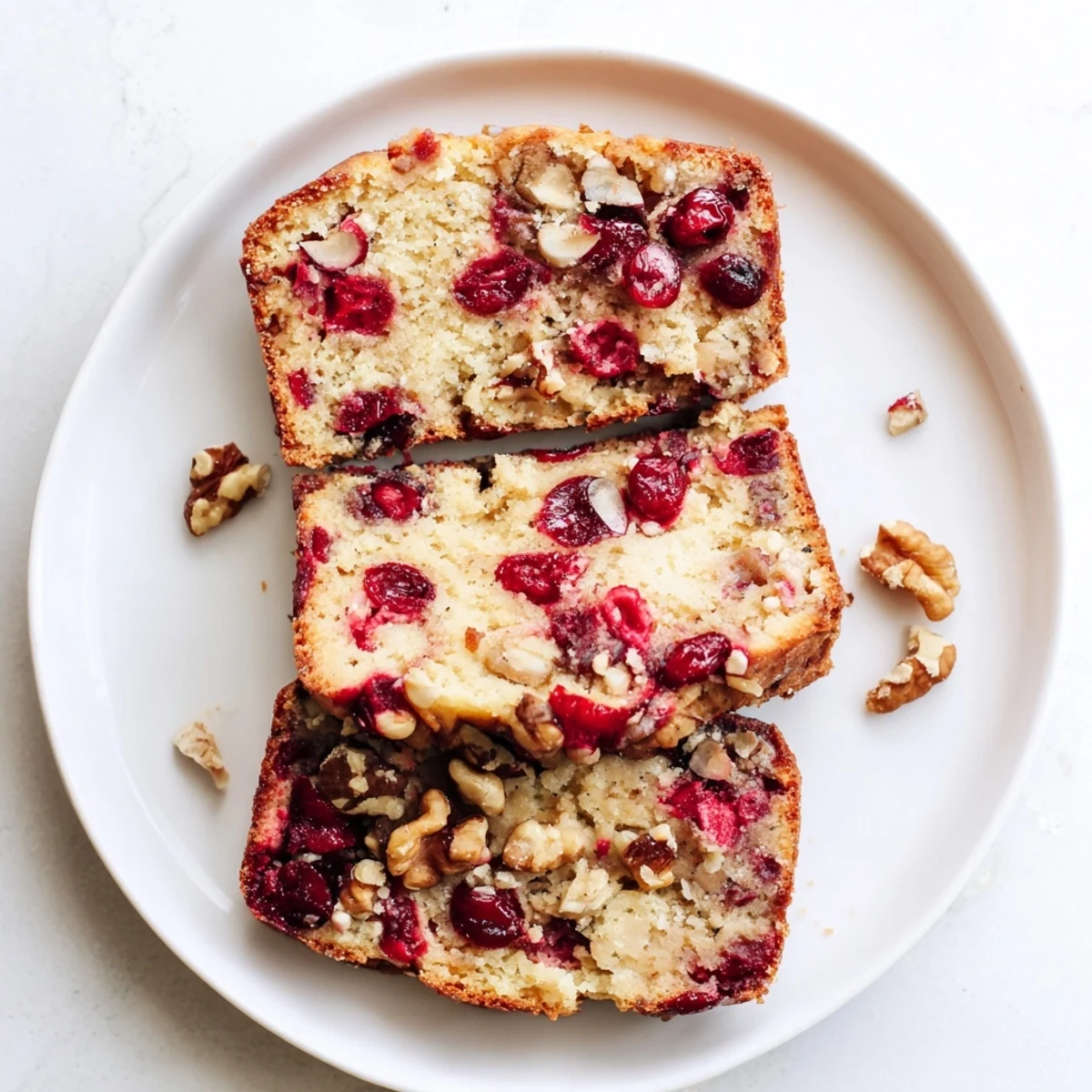
Save This quick bread blends tender crumb with bursts of tart cranberries and a hint of citrus zest for brightness. Lightly sweetened and moist, its texture is enhanced by optional chopped nuts adding crunch. Ready in under 1.5 hours, it’s perfect for breakfast, snacks, or gifting. The orange juice and vanilla infuse subtle flavors while the simple mixing keeps it easy to prepare. Cooling fully before slicing helps maintain shape and texture.
There's something about the smell of cranberry bread baking that pulls everyone into the kitchen—even people who swore they weren't hungry. Years ago, I made this for the first time on a gray November morning, mostly because I had fresh cranberries sitting in my fridge and a vague memory of my neighbor mentioning how easy quick breads were. That loaf was dense and somehow both too sweet and too tart, but something about the combination hooked me. It took a few attempts to learn the balance, and now this is the bread I reach for when I want something that tastes like both breakfast and dessert.
I still remember bringing a loaf to a holiday potluck and watching someone who claimed they didn't like anything with fruit take a second slice without hesitating. That moment shifted something for me—it wasn't just a recipe anymore, it was proof that small, thoughtful food can change someone's mind about what they think they want.
Ingredients
- All-purpose flour (2 cups): The foundation—it needs to be measured by weight or spooned and leveled, not scooped directly from the bag, or your bread will taste dry and dense.
- Granulated sugar (1 cup): This sweetens the batter and helps keep it moist, but don't skip the cranberries' tartness or the whole balance falls apart.
- Baking powder and baking soda (1 1/2 tsp and 1/2 tsp): These two work together to lift the bread—baking soda reacts with the acidity in the orange juice and egg, while baking powder gives a secondary rise.
- Salt (1/2 tsp): A small amount that amplifies every other flavor without announcing itself.
- Unsalted butter, melted and cooled (1/4 cup): Melted butter makes the bread tender and moist; cooling it first prevents it from cooking the egg.
- Large egg (1): This binds everything and adds structure—use room temperature if you remember, but honestly it doesn't make a huge difference.
- Orange juice (3/4 cup): The liquid that hydrates the flour and brings brightness to every bite; fresh-squeezed tastes noticeably better than bottled.
- Vanilla extract (1 tsp): A small amount that deepens the flavor without tasting like vanilla.
- Orange zest (1): This is optional but truly makes a difference—it adds tiny bursts of citrus oils that store-bought juice can't replicate.
- Fresh or frozen cranberries (1 1/2 cups): Halve any large ones so they distribute evenly and don't turn into tough pockets; frozen works just as well as fresh.
- Chopped walnuts or pecans (1/2 cup): These add texture and richness, but skip them if you want a lighter crumb or have nut allergies in your house.
Instructions
- Set the stage:
- Preheat your oven to 350°F and prepare a 9x5-inch loaf pan by greasing it generously with butter and dusting it with flour, or lining it with parchment paper if you want removal to be effortless. This step takes a minute but saves you from a stuck loaf and a disappointed morning.
- Mix the dry team:
- In a large bowl, whisk together the flour, sugar, baking powder, baking soda, and salt until everything is evenly distributed and there are no lumps of baking soda hiding in corners. This is where the leavening gets its even distribution, so don't rush it.
- Wake up the wet ingredients:
- In a separate bowl, whisk the cooled melted butter, egg, orange juice, vanilla, and orange zest until the mixture is pale and slightly fluffy. You're creating an emulsion that will make the crumb tender and keep it from drying out too quickly during baking.
- Bring them together gently:
- Pour the wet mixture into the dry ingredients and stir just until the flour disappears—this should take maybe 20 seconds and feel slightly underdone. Overmixing develops gluten and makes the crumb tough and dense, which is the opposite of what we want.
- Fold in the stars:
- Gently fold the halved cranberries and nuts (if using) into the batter using a rubber spatula, turning the bowl as you go. The berries should be distributed throughout, not all sinking to the bottom.
- Transfer and smooth:
- Pour the batter into your prepared pan and use the spatula to smooth the top so it bakes evenly. A little peak in the center is fine—it'll flatten as it rises.
- Bake with patience:
- Bake for 50 to 60 minutes, checking around the 50-minute mark by inserting a toothpick in the center—it should come out clean or with just a few moist crumbs, not wet batter. If the top is browning too quickly, loosely tent it with foil for the last 15 minutes.
- Cool thoughtfully:
- Let the bread sit in the pan for 10 minutes—this firms it up enough to release safely—then turn it out onto a wire rack to cool completely. Slicing it while it's still warm will compress the crumb and make it gummy, so this waiting period is non-negotiable.
 Save
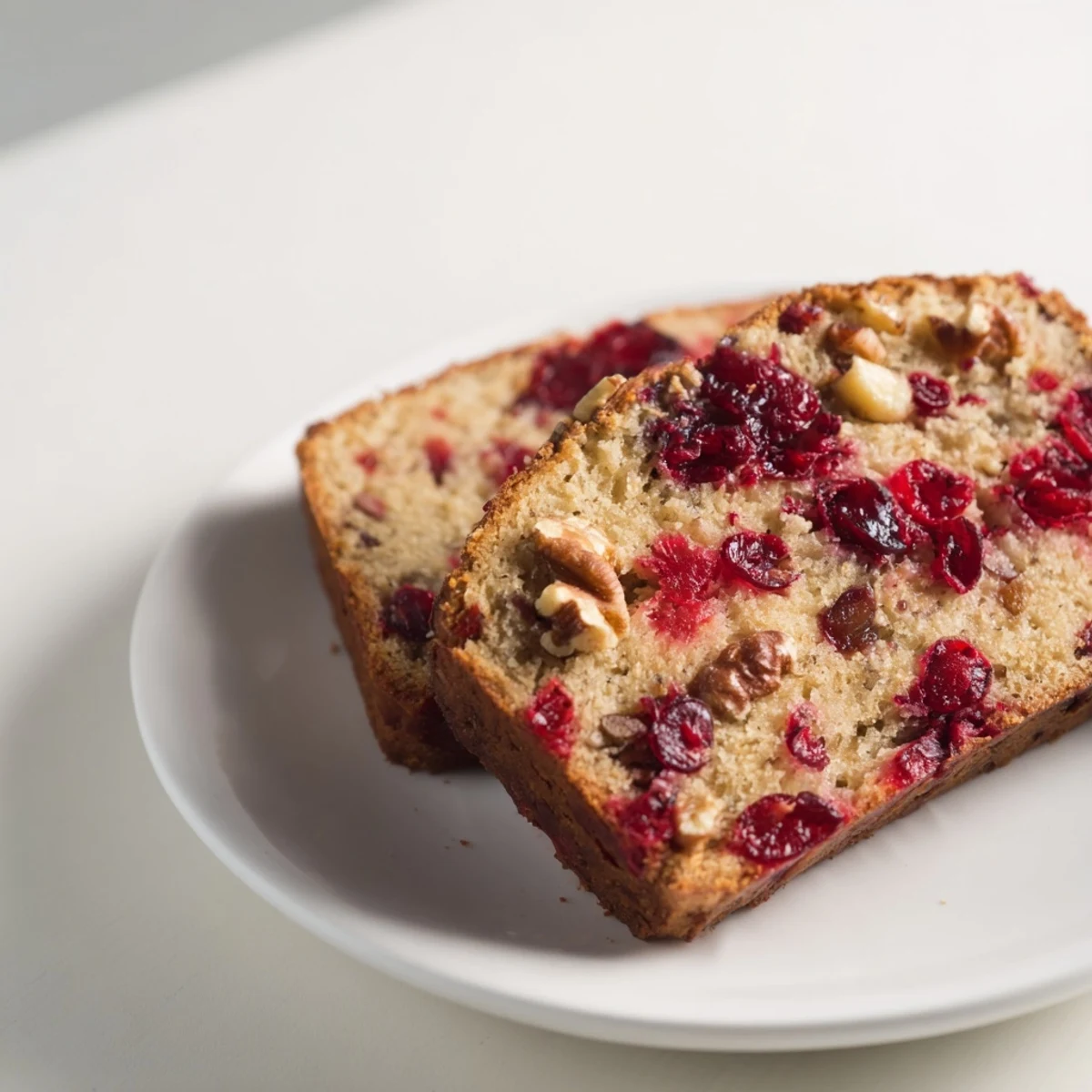
Save One winter morning, my partner came downstairs to the smell of this bread cooling and immediately asked if we could make it every week. We haven't quite kept that promise, but in that moment I realized this wasn't just a recipe I'd perfected—it had become part of our small kitchen rituals, something that marks a shift in the seasons and invites people to stay and talk a little longer.
Why This Bread Never Gets Old
The magic of cranberry bread lies in how it straddles the line between wholesome and indulgent. It's breakfast-appropriate enough to serve with coffee, but substantial enough to feel like a small treat, and that duality means it works in almost any context—packed for a lunch, served at a holiday gathering, or eaten standing up in your kitchen at 4 p.m. because you need something real.
Variations Worth Trying
Once you've made this bread twice and feel confident with the base, small swaps become interesting experiments. Substituting lemon juice and zest for the orange shifts the flavor toward bright and sharp; adding a handful of white chocolate chips creates pockets of sweetness that melt slightly into the crumb. I've also experimented with half orange juice and half apple cider, which gives a deeper, almost caramel-like undertone that works beautifully in autumn.
Storage and Keeping
This bread stays moist and flavorful for three days at room temperature in an airtight container or wrapped tightly in plastic wrap—which means you can make it ahead and not stress about serving it immediately. For longer storage, wrap the completely cooled loaf in plastic wrap, then foil, and freeze it for up to two months; thaw it at room temperature before serving, and it tastes almost as fresh as the day you baked it.
- Slice thicker pieces if you're planning to toast them; thinner slices can break apart under heat.
- A bread box or covered ceramic container keeps it fresher longer than sitting uncovered on the counter.
- If it starts to dry out, a quick toast brings back a whisper of the crumb's original texture.
 Save
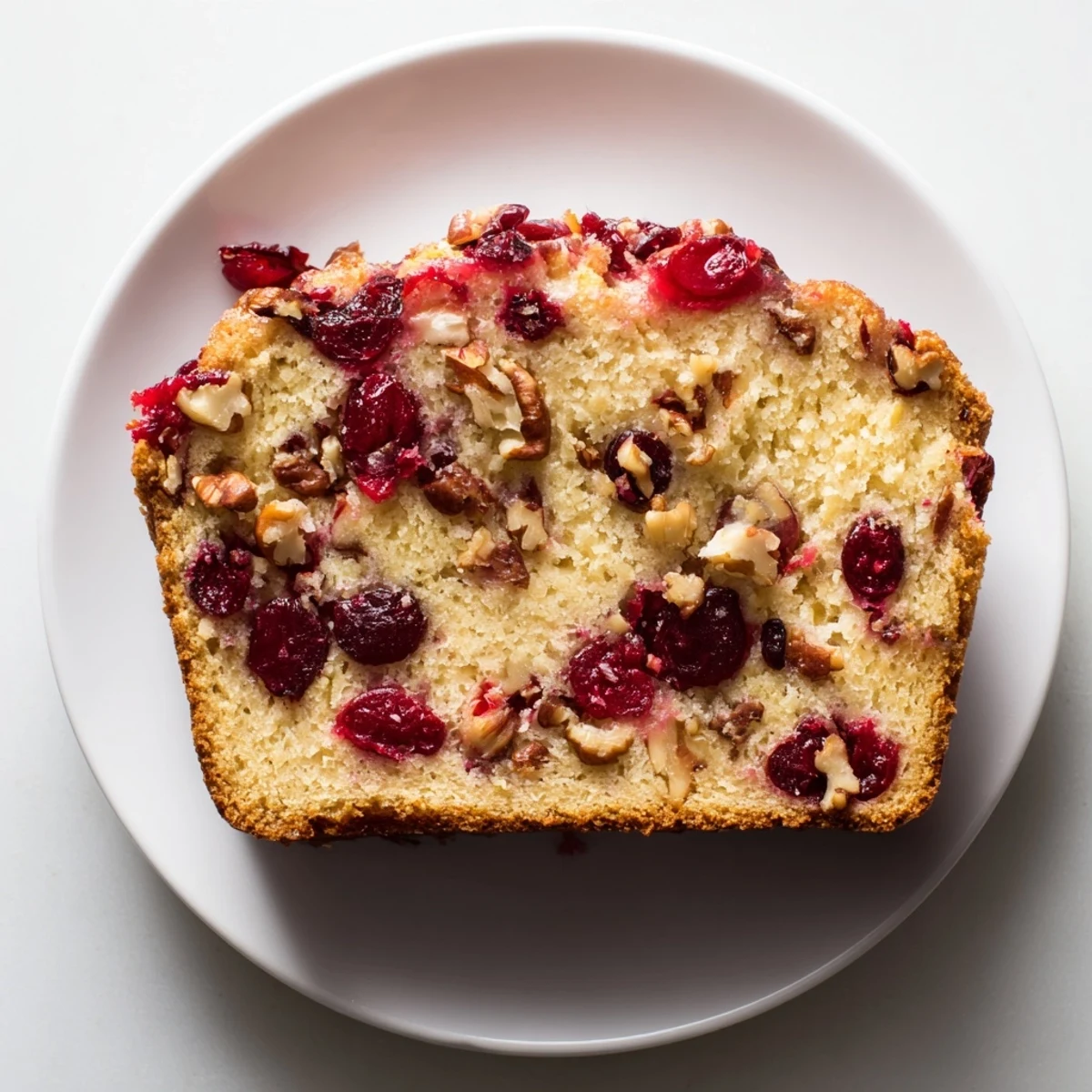
Save This bread has a way of becoming a seasonal constant for people who make it once—suddenly everyone asks when you'll make it again, and a simple recipe becomes a small act of kindness. There's something deeply satisfying about that.
Recipe FAQs
- → Can frozen cranberries be used?
-
Yes, frozen cranberries work well; just fold them in directly without thawing to prevent excess moisture.
- → How can I add extra flavor?
-
Substitute lemon juice and zest for orange or add white chocolate chips for a twist.
- → What pan size is best?
-
A 9x5-inch loaf pan ensures even baking and proper shape for this bread.
- → How should the bread be stored?
-
Keep wrapped tightly at room temperature for up to 3 days or freeze for up to 2 months.
- → Can nuts be omitted?
-
Yes, omit the walnuts or pecans for a nut-free option without affecting texture much.