
 Save
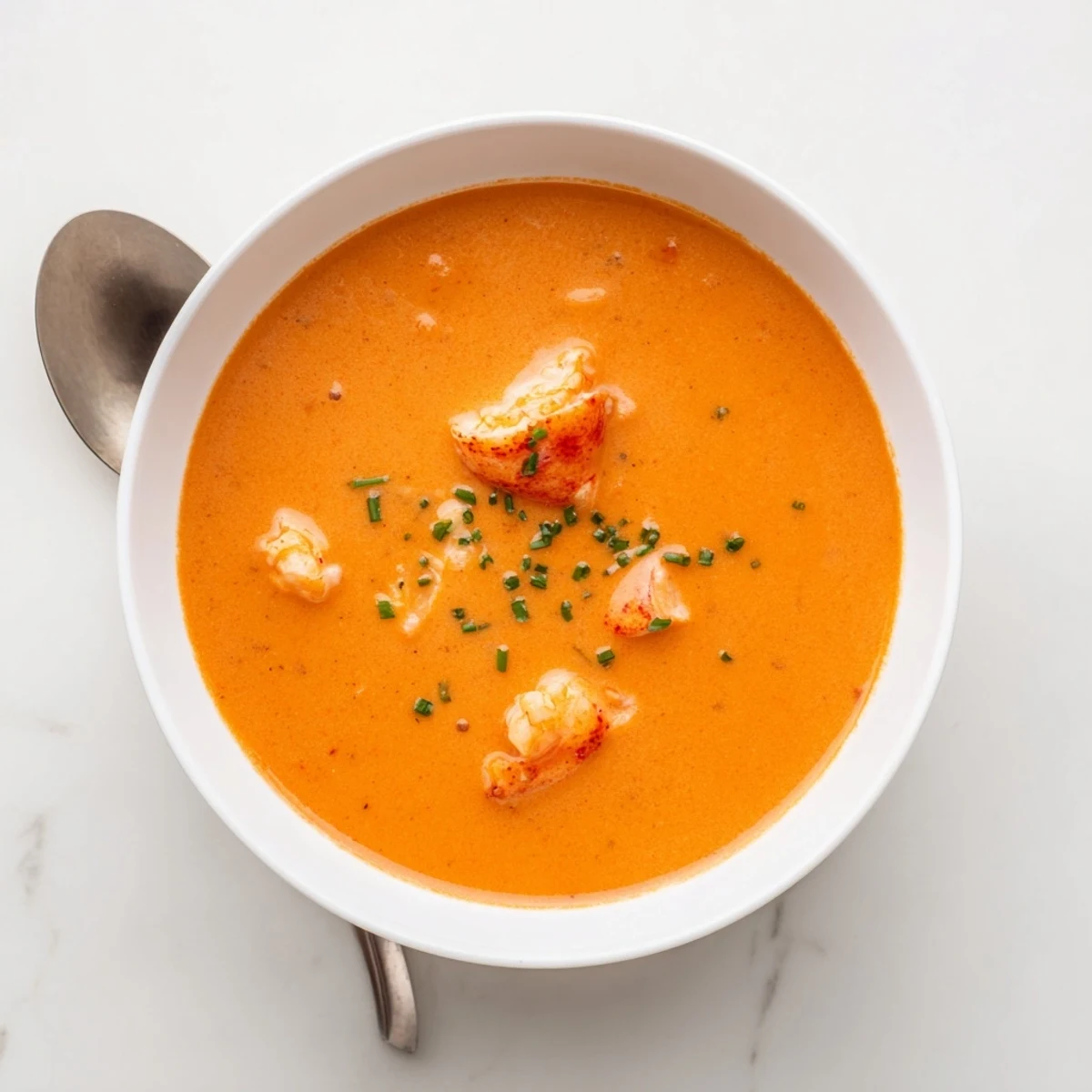
Save Indulge in a luxuriously creamy bisque that rivals fine dining establishments. This method combines freshly extracted lobster shells with seafood stock, creating an intensely flavorful base. Sautéed aromatic vegetables—onion, carrot, celery, and garlic—build depth, while tomato paste adds beautiful color and subtle sweetness.
The addition of dry white wine and brandy elevates the complexity, creating layers of flavor that develop during the simmering process. Heavy cream transforms the broth into a silky, velvety soup, finished with gentle warming through to tenderize the lobster pieces without overcooking.
The final pureeing and straining ensures restaurant-quality smoothness, while fresh chives add brightness and color. Perfect for special occasions or when you crave coastal elegance in your own kitchen.
The first time I attempted lobster bisque at home, I stood in my kitchen surrounded by shellfish shells and red wine reduction, feeling completely inadequate. I had ordered it at countless restaurants, always assuming it required some culinary secret I would never possess. Then my grandmother, who believed restaurant recipes were just puzzles waiting to be solved, walked me through the process over a crackling phone connection. That afternoon taught me that some dishes simply demand patience and respect for ingredients above all else.
I served this bisque at my first dinner party after moving into my new apartment, nervously watching my friends lift their spoons. The conversation stopped completely when they took that first taste, replaced by that wonderful silence when food is doing its job perfectly. My friend Sarah actually asked if I had ordered it from a restaurant and was trying to pass it off as homemade. That moment of validation made every bit of shellfish preparation worth the effort.
Ingredients
- 2 (1.5 lb) live lobsters or 1 lb cooked lobster meat: Whole lobsters give you those precious shells for an incredible homemade stock, but pre cooked meat works when time is tight
- 4 cups seafood or fish stock: The foundation of your bisque, so choose something you would happily drink on its own
- Lobster shells: These transform ordinary stock into something extraordinary with deep shellfish flavor
- 1 bay leaf, 6 black peppercorns, 1 sprig fresh thyme: Classic aromatics that round out the seafood base without overpowering it
- 2 tbsp unsalted butter: Your cooking foundation for building those aromatic vegetable layers
- 1 medium onion, 1 medium carrot, 1 celery stalk, all finely chopped: The mirepoix that creates your soup base, cut small so they melt into the finished bisque
- 2 cloves garlic, minced: Add this after your vegetables soften to prevent burning
- 2 tbsp tomato paste: Provides that gorgeous color and subtle sweetness typical of classic bisque
- 1/2 cup dry white wine: Deglazing liquid that lifts those flavorful browned bits from your pot
- 1/4 cup brandy or cognac: The secret ingredient that makes this taste like it came from a professional kitchen
- 1 1/2 cups heavy cream: Creates that luxurious restaurant texture we all crave in bisque
- 1/2 tsp paprika, 1/2 tsp salt, 1/4 tsp cayenne pepper: Your flavor foundation with just enough heat to keep things interesting
- Freshly ground black pepper: Add generously at the end to brighten all the flavors
- 2 tbsp chives, finely chopped: Fresh finish that cuts through all that richness with a bright onion note
Instructions
- Cook and prep your lobster:
- If using live lobsters, bring a large pot of salted water to boil and cook lobsters for 7 to 8 minutes until bright red. Cool them enough to handle, then extract meat from claws and tails, chop into bite size pieces, and reserve. Save those shells because they are about to become the most valuable ingredient in your kitchen.
- Build your aromatic base:
- Melt butter in a large pot over medium heat. Add onion, carrot, and celery, sautéing for 5 to 6 minutes until softened and fragrant. Add garlic and cook for just 1 minute more until you can smell it throughout your kitchen.
- Add depth and color:
- Stir in tomato paste and let it cook for 2 minutes until it darkens slightly and smells sweet and caramelized. Add those precious lobster shells, seafood stock, bay leaf, peppercorns, and thyme sprig. Simmer uncovered for 25 to 30 minutes while your kitchen fills with an incredible aroma.
- Create your silky base:
- Strain the broth, discarding all the solids because they have given everything they have to give. Return the liquid to your pot over medium heat and add white wine and brandy, simmering for 5 minutes to let the alcohol cook off and concentrate the flavors.
- Add the cream and spices:
- Stir in paprika, cayenne, and heavy cream, then let everything simmer gently for 10 minutes until the flavors have married. Use an immersion blender or carefully puree in batches in a regular blender, then strain through a fine mesh sieve for that velvety professional texture.
- Finish with lobster meat:
- Add your reserved lobster meat to the pot and season with salt and pepper. Gently heat through for 2 to 3 minutes until the meat is warmed through and perfectly tender.
- Serve with style:
- Ladle the bisque into warmed bowls and garnish with those fresh chives. The bright green against the deep red soup looks absolutely stunning and tastes even better than it looks.
 Save
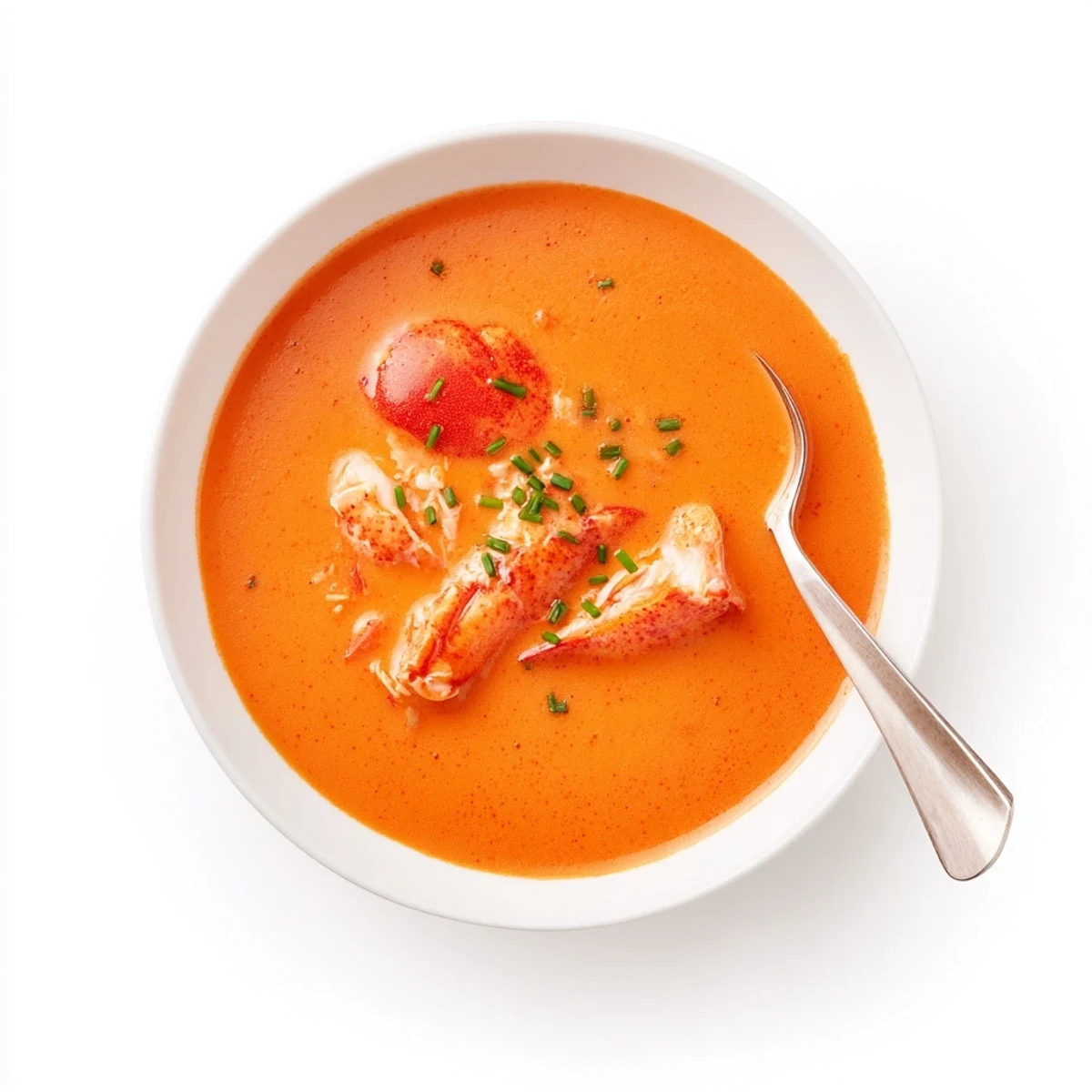
Save This bisque has become my go to for special occasions, the dish I make when I want to show someone I care enough to spend hours on a soup. Last Valentine Day, my partner actually asked if we could skip the restaurant reservations and just stay home with another bowl of this stuff instead.
Making It Ahead
The beauty of this bisque is that it actually improves overnight. Make everything up to adding the cream and lobster meat, then cool and refrigerate. When you are ready to serve, simply rewarm the base and finish with cream and meat for the freshest taste.
Perfect Pairings
A crusty baguette is absolutely essential for swiping up every last drop from your bowl. I also love serving this with a simple green salad dressed with bright vinaigrette to cut through all that rich creaminess.
Timing Your Bisque
The active cooking time is manageable, but this is not a weeknight quick meal. Save this for a weekend afternoon when you can give it the attention it deserves without feeling rushed or stressed about timing.
- Set up your ingredients in small bowls before you start cooking
- Warm your bowls in the oven while the bisque simmers
- Have your garnish prepped and ready before you start plating
 Save
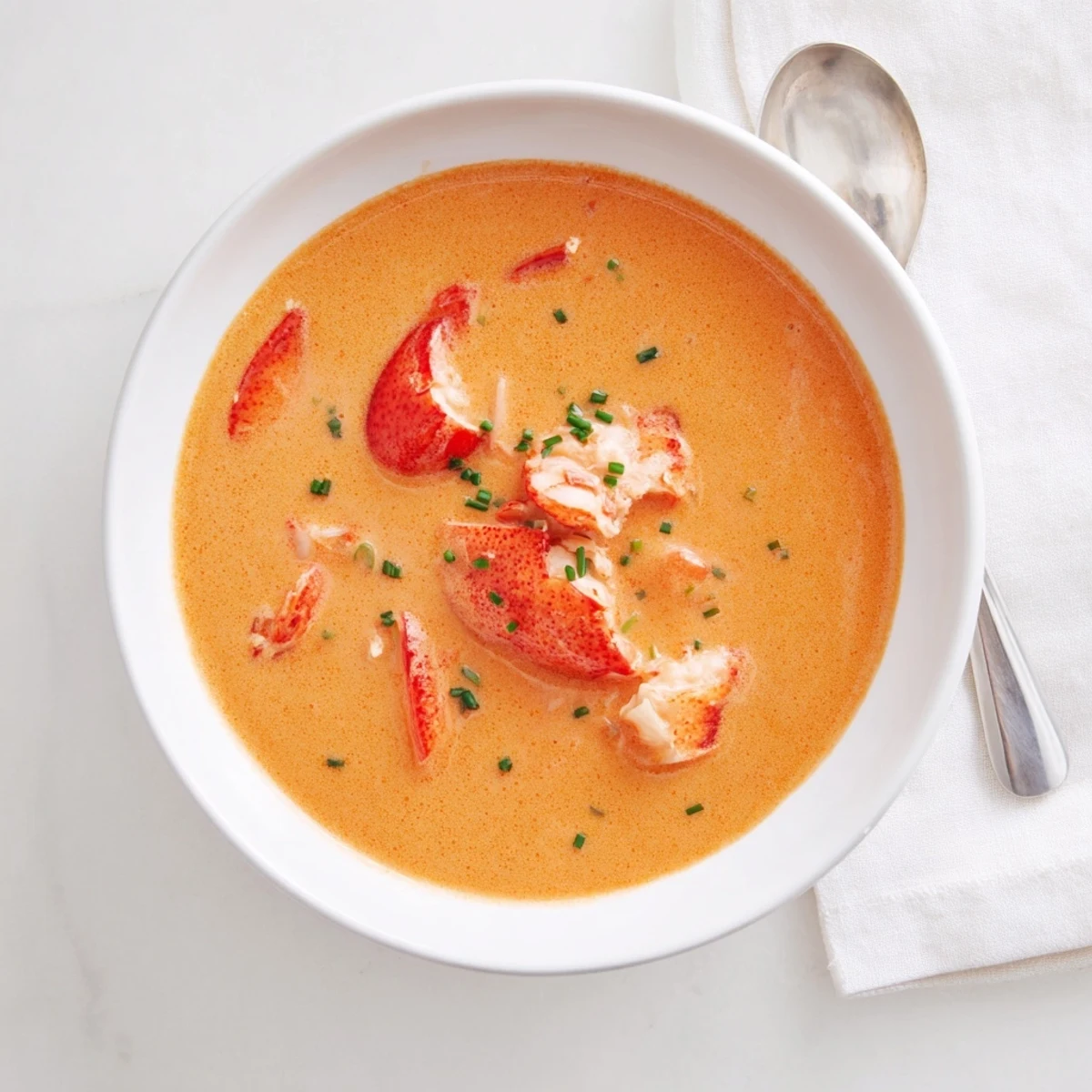
Save There is something deeply satisfying about making a dish that feels like such a luxury in your own kitchen. Every spoonful reminds me that some of the best things in life really do take time, patience, and a willingness to get your hands a little messy.
Recipe FAQs
- → What makes lobster bisque different from regular lobster soup?
-
Lobster bisque distinguishes itself through its incredibly smooth, velvety texture achieved by pureeing and straining. The addition of heavy cream creates richness, while the shells are simmered to extract maximum flavor. Unlike chunky soups, bisque should have a silky consistency with small pieces of tender lobster meat throughout.
- → Can I use cooked lobster meat instead of live lobsters?
-
Absolutely. If using cooked meat (approximately 1 lb from claws and tails), you can skip the initial boiling step. However, you'll still want to simmer lobster shells in the stock to develop that authentic depth. Many seafood counters sell shells separately, or you can request them when purchasing cooked meat.
- → Why do you add brandy to lobster bisque?
-
Brandy adds a sophisticated layer of flavor and subtle sweetness that complements the naturally sweet lobster meat. It also enhances the overall complexity when reduced with the white wine. The alcohol cooks off during simmering, leaving behind only its rich, aromatic essence that elevates the final dish.
- → How do I achieve the silkiest texture?
-
The secret lies in thorough pureeing with an immersion blender followed by straining through a fine mesh sieve. This dual approach removes any fibrous vegetable pieces or shell fragments, resulting in incredibly smooth bisque. Take your time with the straining step—using the back of a spoon helps press the liquid through efficiently.
- → Can lobster bisque be made ahead of time?
-
Yes, bisque actually develops deeper flavors when made a day ahead. Prepare through step 7, cool completely, and refrigerate. When ready to serve, gently reheat and add the lobster pieces in the final minutes to prevent toughness. Store garnishes separately and add just before serving for maximum freshness.
- → What can I substitute for brandy?
-
Cognac is the traditional alternative and works beautifully. For a non-alcoholic version, additional seafood stock combined with a splash of sherry vinegar provides similar depth. Some cooks use a small amount of Marsala wine for its rich, nutty notes that pair exceptionally well with shellfish.