
 Save
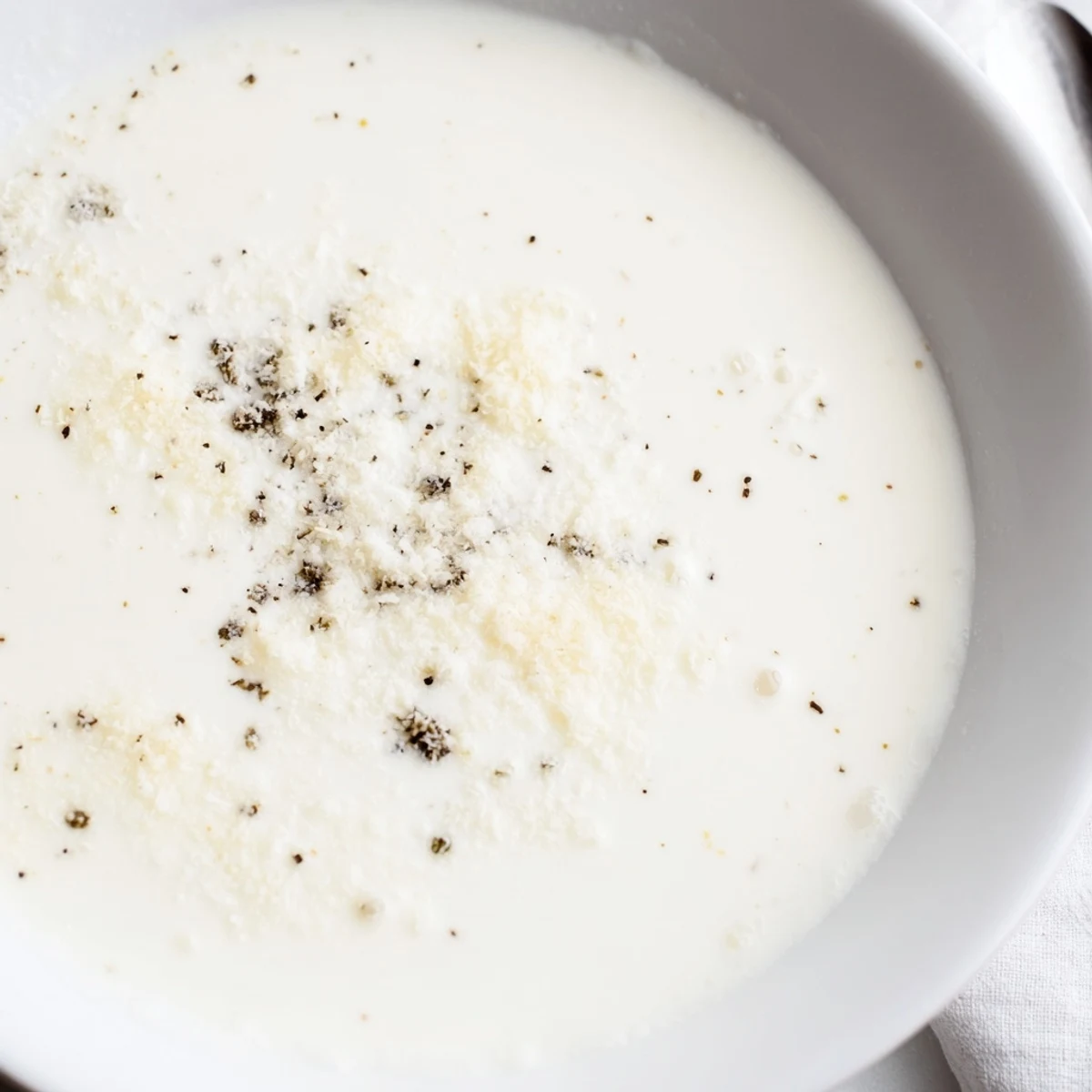
Save This silky milk sauce blends butter, flour, and milk to create a smooth, creamy base ideal for a variety of dishes. Lightly seasoned with salt, pepper, and optional nutmeg, it can be enhanced with Parmesan for extra richness. Quick to prepare, it thickens gently on the stove and works beautifully over pasta, vegetables, or as a casserole foundation. Customize with garlic or fresh herbs for added depth.
There's a moment in every cook's life when they realize a sauce doesn't have to be complicated to be beautiful. Mine came on a random Tuesday when my pasta wouldn't stop sliding around the plate—I'd forgotten the sauce entirely. I melted butter, whisked in flour, poured milk slowly while humming to keep my mind from wandering, and suddenly I had something silky and perfect. It was creamy, forgiving, and honest. That's when I understood: this simple milk sauce would become the backbone of half my dinners.
I made this sauce for a dinner party once where a guest mentioned they couldn't eat cream anymore. Instead of panic, I just doubled the batch and served it over roasted carrots, polenta, and pasta—three courses, one sauce, all delicious. They asked for the recipe before dessert, which felt like winning an invisible award.
Ingredients
- Whole milk (2 cups): The soul of this sauce—whole milk gives you richness and body without the heaviness of cream, and it emulsifies beautifully with the butter and flour.
- Unsalted butter (2 tbsp): Start with unsalted so you control the salt level; the butter's fat carries flavor and helps build the roux.
- All-purpose flour (2 tbsp): This is your thickener—it needs time in the hot butter to lose its raw taste before the milk arrives.
- Salt (1/2 tsp): Taste as you go; you may need less if your cheese is already salty.
- Ground black pepper (1/4 tsp): Freshly cracked tastes alive; pre-ground works but is quieter.
- Ground nutmeg (pinch): Just a whisper transforms this from basic to sophisticated—don't skip it.
- Parmesan cheese (1/3 cup, optional): Grate it yourself if you want it to melt silky-smooth without strange additives.
Instructions
- Build your roux:
- Melt butter over medium heat until it's foaming and smells toasty. Whisk in flour and stir constantly for 1–2 minutes—you want it to bubble gently but stay pale gold, never brown.
- Add milk slowly and wisely:
- Pour milk in a thin stream while whisking hard; this breaks up the flour lumps before they have a chance to hide. If lumps happen anyway, strain the sauce through a fine sieve or use an immersion blender.
- Cook until it clings:
- Keep whisking as it simmers for 5–7 minutes until the sauce coats the back of a spoon thickly enough that you can draw a line through it with your finger. This is the moment it transforms from thin milk into sauce.
- Season and finish:
- Stir in salt, pepper, and nutmeg, then add Parmesan if using and whisk until melted and smooth. Taste and adjust—sauces are forgiving about seasoning once you understand your own palate.
 Save
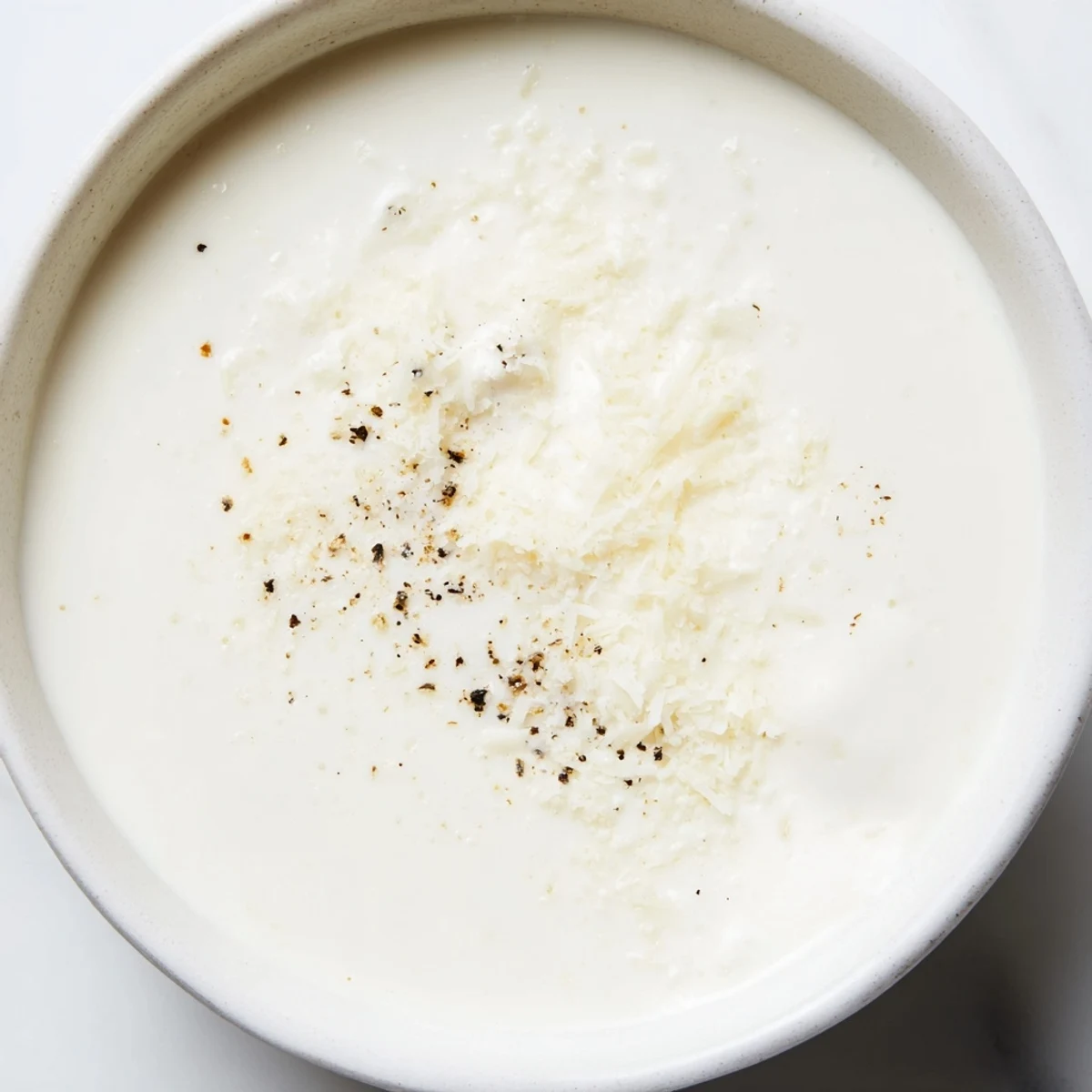
Save The first time someone told me this sauce was restaurant-quality, I almost laughed—I'd made it in my tiny kitchen with a ten-dollar whisk. But that's the thing about cooking: the fanciest meals often come from understanding a few basics so deeply that they become invisible. This sauce became that for me.
When to Use This Sauce
I've poured this over egg noodles, baked ziti, roasted broccoli, and creamed chicken. It's equally at home in a gratin dish, cloaking potatoes and mushrooms before going into the oven, or spooned over steamed green beans at a weeknight dinner. The sauce goes wherever you need silky comfort, and it never complains.
Variations That Still Feel Simple
Once you own this basic sauce, the world opens up gently. Swap half the milk for cream if you want richness that tastes like special occasions. Stir in sautéed garlic, fresh thyme, or a handful of chopped parsley. For a sharper sauce, use more Parmesan or add a splash of white wine before the milk. The flour-butter foundation stays steady while the rest plays.
Storing and Reheating
This sauce keeps in the refrigerator for three days and freezes beautifully for up to two months. When reheating, warm it gently over low heat with a splash of milk stirred in, whisking now and then so it stays smooth instead of breaking. It's one of those preparations that tastes just as good on the second night as the first.
- Make extra on a quiet evening and freeze it in ice cube trays for quick weeknight fixes.
- If it thickens too much as it cools, just whisk in a little warm milk when serving.
- Cold sauce can be thinned with milk and warmed, but never boiled hard or it can separate.
 Save
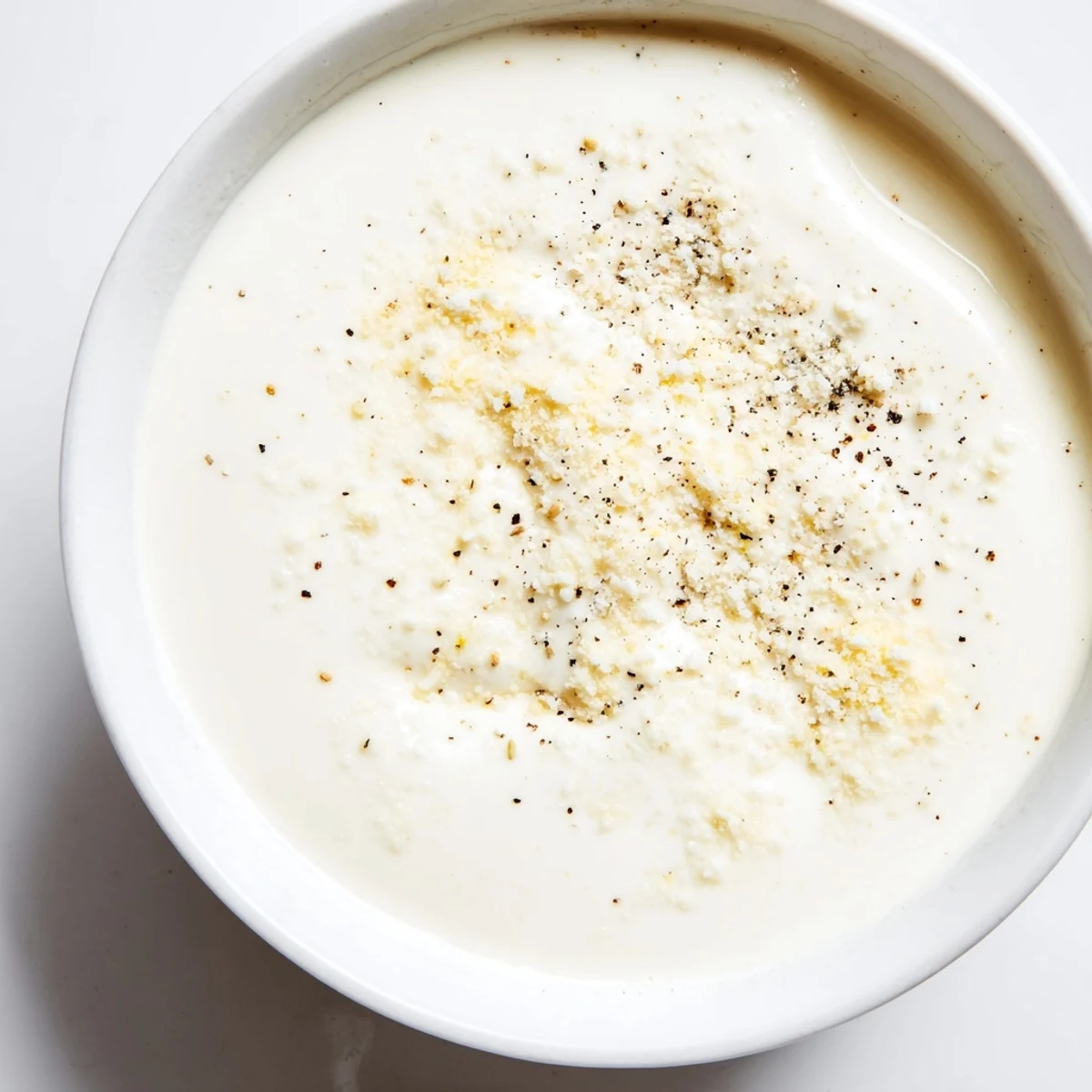
Save This sauce has taught me that cooking isn't about complexity—it's about understanding the moment when butter, flour, and milk become something more than their parts. Make it today and taste the difference between a good dinner and one that feels made with care.
Recipe FAQs
- → What is the main ingredient in this sauce?
-
Whole milk forms the base, combined with butter and flour for a creamy texture.
- → Can I add cheese to enhance the flavor?
-
Yes, grated Parmesan cheese can be whisked in for a richer, savory taste.
- → How do I prevent lumps when cooking the sauce?
-
Whisk the milk in slowly while stirring constantly to ensure a smooth consistency.
- → What dishes pair well with this sauce?
-
It's perfect over pastas, steamed vegetables, or as a base for casseroles and gratins.
- → Can I modify the seasoning to suit my taste?
-
Yes, salt, black pepper, and nutmeg can be adjusted or supplemented with garlic and fresh herbs.