
 Save
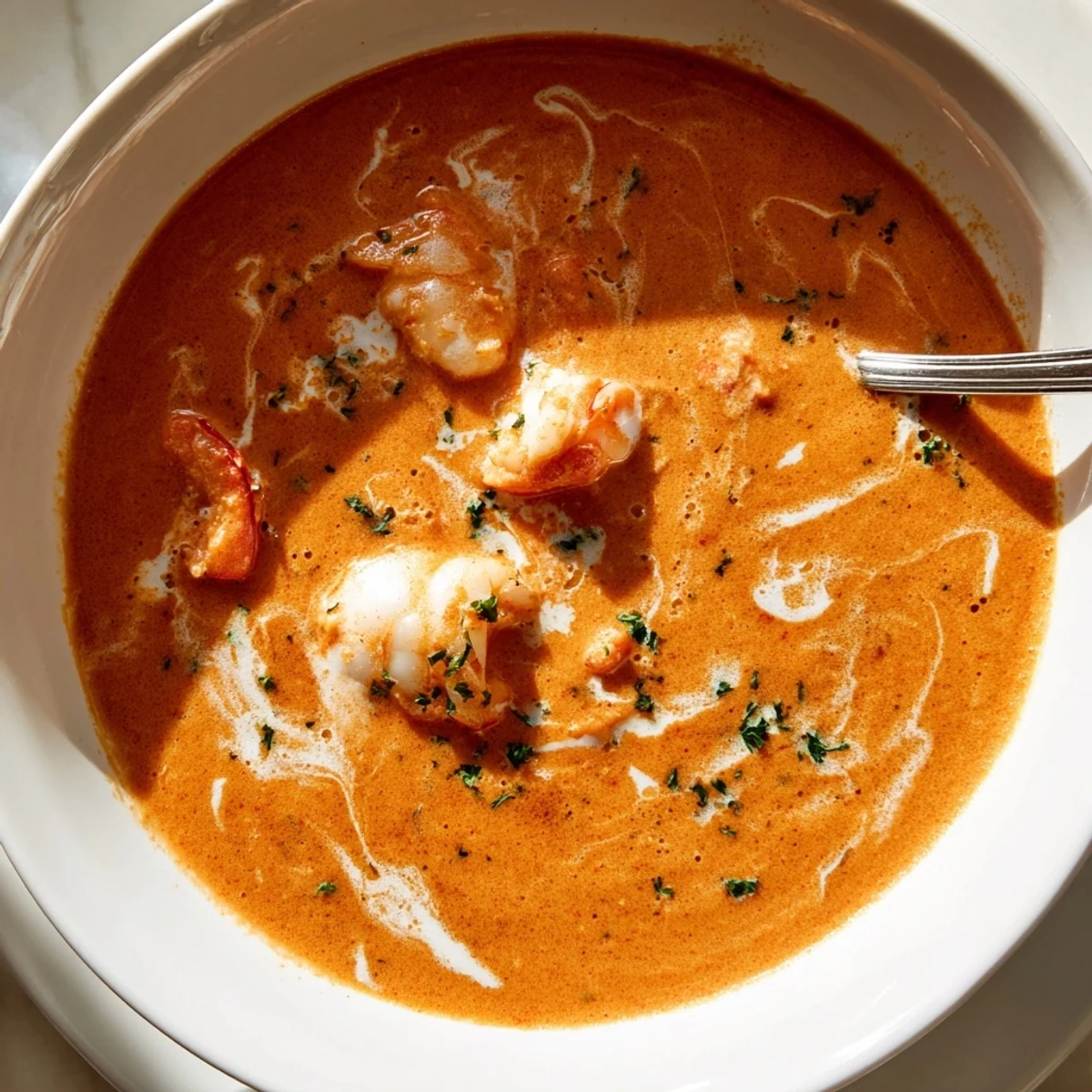
Save This elegant French bisque brings together the sweetness of prawns and lobster in a velvety, creamy broth. The process begins by sautéing seafood shells to build a deep, aromatic base, followed by classic mirepoix vegetables, tomato paste, and herbs. White wine and brandy add complexity while the long simmer extracts maximum flavor from the shells. After straining, the tender seafood meat returns to the enriched broth, finished with heavy cream and fresh parsley. The result is a restaurant-quality starter perfect for dinner parties or special celebrations.
The first time I attempted bisque, I stood over my stove completely convinced I'd ruined dinner. The shells weren't roasting evenly, my stock looked suspiciously thin, and I wondered why anyone would bother when canned soup existed. Then that first spoonful happened—silky, impossibly rich, tasting like the ocean had decided to be gentle—and I understood why this dish has seduced cooks for centuries.
I made this for my mother's birthday last winter, watching snow fall outside while the kitchen filled with the most incredible aroma of seafood and wine. She took one sip, closed her eyes, and didn't speak for a full minute—which, coming from someone who taught me to cook, was the highest praise imaginable.
Ingredients
- 200 g raw prawns: Keeping the shells is non-negotiable here—they're where all that concentrated seafood flavor lives
- 1 small lobster (400 g): Ask your fishmonger to cook it if you're squeamish, but do buy it whole for those precious shells
- 1 medium onion: Sweet varieties work beautifully here
- 1 medium carrot: Provides essential sweetness to balance the rich shellfish
- 1 celery stalk: That backbone of flavor French cooking never skips
- 2 cloves garlic: Don't be tempted to add more—it should whisper, not shout
- 2 tbsp tomato paste: Double-concentrated tubes give better color and depth
- 2 tbsp fresh parsley: Flat-leaf has a cleaner, brighter flavor than curly
- 1 bay leaf: Dried is perfectly fine here
- 1 sprig fresh thyme: Strip the leaves off the stem before adding
- 150 ml dry white wine: Something you'd actually drink with dinner
- 1 L fish or seafood stock: Homemade is ideal, but a high-quality store-bought version works
- 150 ml heavy cream: The richness is essential to the classic texture
- 2 tbsp brandy or cognac: This small amount makes a surprisingly big difference
- 2 tbsp olive oil: For the initial shell roasting
- 1 tbsp unsalted butter: Adds that final velvety finish
- Salt and pepper: Season generously—the cream needs the balance
- Pinch cayenne pepper: Just enough to wake up your palate, not overwhelm
Instructions
- Build your flavor foundation:
- Heat olive oil and butter in your large pot over medium heat, then add those precious shells. Let them sizzle for 5 to 7 minutes until they're deeply red and your kitchen smells spectacular—this is where the magic begins.
- Add the aromatics:
- Toss in onion, carrot, celery, and garlic. Cook for another 5 minutes, stirring occasionally, until vegetables have softened but haven't taken on any color.
- Incorporate the depth:
- Stir in tomato paste, bay leaf, and thyme. Let the tomato paste cook for just 1 minute—it'll darken slightly and taste sweeter, losing any raw acidity.
- Deglaze like a pro:
- Pour in brandy and white wine, using your spoon to scrape up all those gorgeous caramelized bits from the bottom. Simmer for 2 minutes as the alcohol evaporates.
- Create the stock:
- Add seafood stock, bring everything to a boil, then reduce heat and simmer uncovered for 25 to 30 minutes. You want the liquid to reduce slightly, concentrating all that shellfish essence.
- Strain carefully:
- Pour the mixture through your fine sieve into a clean pot, pressing firmly on the solids to extract every drop of liquid. Discard the spent shells and vegetables—they've given everything they had.
- Cook the seafood:
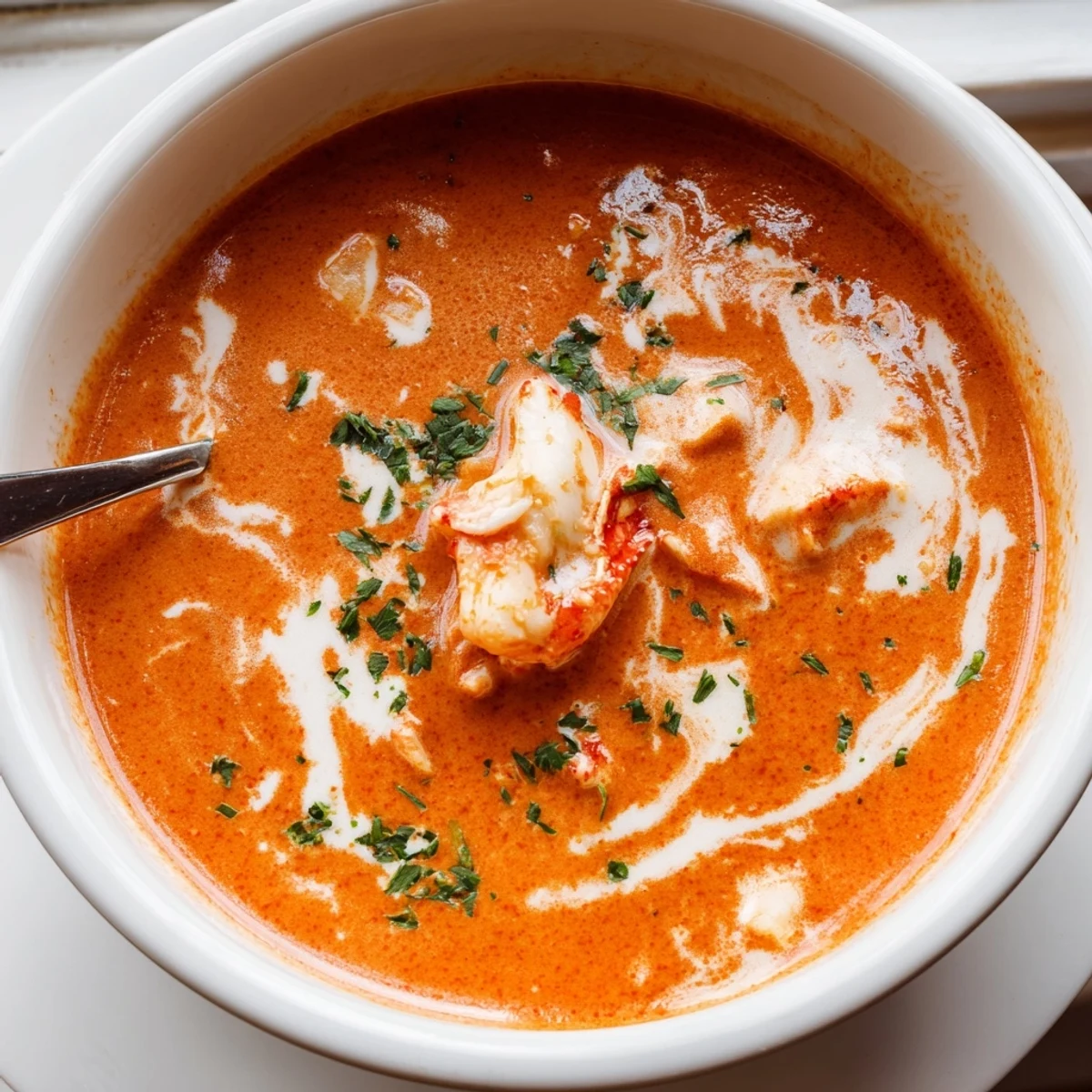
- Return the strained broth to medium-low heat and add prawn and lobster meat. Simmer gently for just 4 to 5 minutes until the seafood is barely cooked—overcooked prawns are tragic and rubbery.
- Add the luxury:
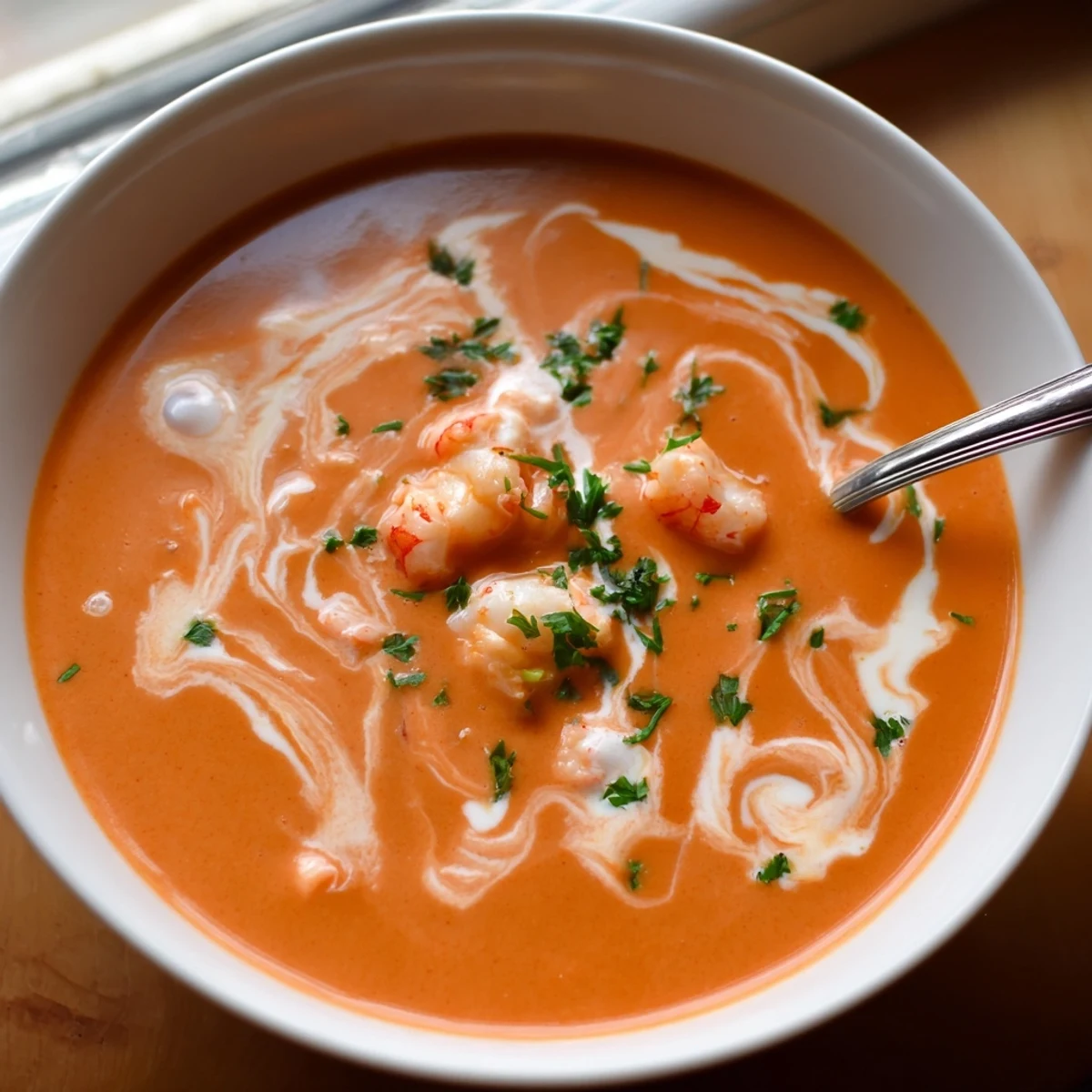
- Stir in heavy cream and chopped parsley. Season with salt, pepper, and cayenne, then heat through without boiling—boiling can cause the cream to separate slightly.
- Final texture touch:
- Use an immersion blender for 10 seconds if you want that ultra-silky restaurant consistency. Serve hot, with extra parsley scattered on top like confetti.
 Save
Save My neighbor smelled this cooking through our open windows and actually knocked on the door to ask what I was making. I sent her home with a small bowl, and she texted later that her husband said it was the best thing she'd cooked in years. Sometimes food is just the best kind of love letter.
Make It Yours
Swap crayfish or crab for lobster if that's what looks freshest at your market. The technique remains identical—the only thing that changes is the subtle sweetness of the shellfish you choose.
The Wine Question
Something crisp and cold will cut through that cream beautifully. I've found Chardonnay works, but a Sancerre brings this lovely brightness that makes each spoonful feel like the first.
Serving It Up
Bisque deserves proper treatment—warm bowls, maybe some crusty bread, and absolutely no rushing. This is food that asks you to slow down.
- Keep extra cream on hand in case you want it richer
- A sprinkle of extra parsley makes everything look intentional
- Leftovers reheat beautifully over gentle heat
 Save
Save There's something deeply satisfying about turning simple shells into something this extraordinary, and I hope this recipe finds its way into your own repertoire of special occasions.
Recipe FAQs
- → What makes a bisque different from regular soup?
-
A bisque is a smooth, creamy French soup traditionally made with shellfish. The key difference lies in the technique of first extracting flavor from shells, then straining and enriching the broth with cream for that signature velvety texture.
- → Can I make this bisque ahead of time?
-
Absolutely. Prepare the base up to step 6 (after straining) and refrigerate for up to 2 days. When ready to serve, reheat gently and add the seafood meat and cream in the final minutes.
- → What can I substitute for the brandy?
-
Sherry works beautifully as an alternative, or simply increase the white wine slightly. For a non-alcoholic version, use additional seafood stock with a splash of white wine vinegar.
- → Why reserve the shells?
-
Shells contain concentrated seafood flavor. Sautéing them releases essential compounds that create the bisque's deep, rich taste—this technique is fundamental to authentic bisque preparation.
- → How do I achieve the smoothest texture?
-
Straining thoroughly through a fine mesh sieve is crucial. For an ultra-smooth finish, use an immersion blender after adding the cream. Roasting the shells beforehand also deepens flavor without affecting texture.