
 Save
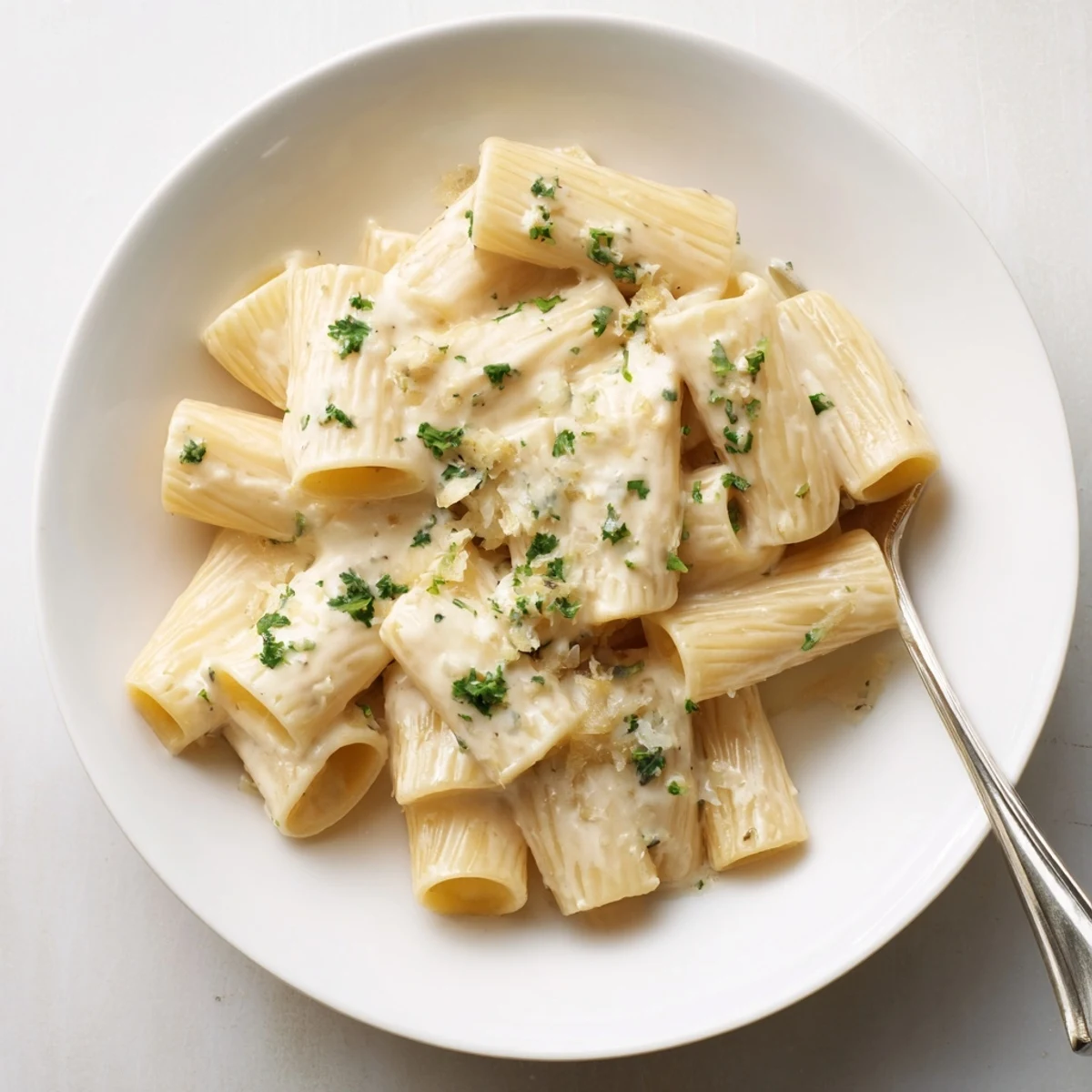
Save This velvety sauce brings together heavy cream, butter, and Parmesan cheese, enriched with garlic and subtle seasonings. It simmers gently to develop a smooth, rich texture ideal for enhancing pasta, chicken, or vegetables. Herbs like parsley or chives add fresh brightness, while optional nutmeg and black pepper add delicate depth. Quick to prepare in about 15 minutes, it can be lightened with milk or given extra complexity with white wine. This versatile sauce blends creamy richness with aromatic flavors to elevate a variety of dishes.
My roommate once stood over my shoulder while I was making pasta on a weeknight, watching me dump cream into a pan with such certainty that she asked if I'd gone to culinary school. I hadn't—I was just tired and hungry, and somehow this sauce came together so effortlessly that I realized I'd been overthinking cream sauces my whole life. The smell of butter hitting the heat, then that moment when garlic perfumes the air without even browning, felt like I'd unlocked something simple and true about cooking.
Years later, I made this for a friend who'd been stressed about cooking for a date. I walked her through it on the phone while she stood in her kitchen, and I could hear the relief in her voice when she realized she wasn't going to mess it up. That's when I understood this sauce isn't just food—it's permission to feel capable in the kitchen.
Ingredients
- Heavy cream: Use the real thing; the fat is what makes the sauce silky and forgiving, and it won't break like lighter creams might.
- Unsalted butter: It lets you control the salt and gives the sauce a clean, rich flavor without any funky background notes.
- Grated Parmesan cheese: Fresh grated melts into the cream like it belongs there; pre-shredded cheese has anti-caking agents that can make the sauce grainy.
- Garlic, minced: This is your only real seasoning base, so don't skip it or use powder; the fresh taste matters.
- Salt, pepper, nutmeg: The nutmeg is optional but worth trying once—just a whisper of it adds a complexity that makes people ask what your secret is.
- Fresh herbs (optional): Parsley or chives stirred in at the end brighten the whole thing up and make it look intentional.
Instructions
- Melt the butter and wake up the garlic:
- Medium heat is your friend here. Once the butter foams and smells nutty, add your minced garlic and let it soften for just a minute. You want it fragrant, not brown—if it colors, it turns bitter and ruins the whole vibe.
- Bring the cream to a gentle simmer:
- Pour the cream in and stir every now and then as it heats. You'll see tiny bubbles form around the edges before it reaches a gentle simmer; don't let it boil hard or the fat can separate.
- Whisk in the cheese until everything is smooth:
- Lower the heat now, then add the Parmesan a handful at a time, whisking constantly. It melts into the cream like magic if you keep moving the whisk.
- Season and thicken to your taste:
- Add salt, pepper, and a pinch of nutmeg. Let it simmer for a couple minutes while you stir, and you'll feel it thicken slightly as the cream reduces. This is when you taste and adjust—more salt, more pepper, whatever feels right.
- Finish with herbs and serve:
- If you're using fresh herbs, stir them in right before plating so they don't lose their brightness. Serve immediately over hot pasta, chicken, or whatever needs a little luxury.
 Save
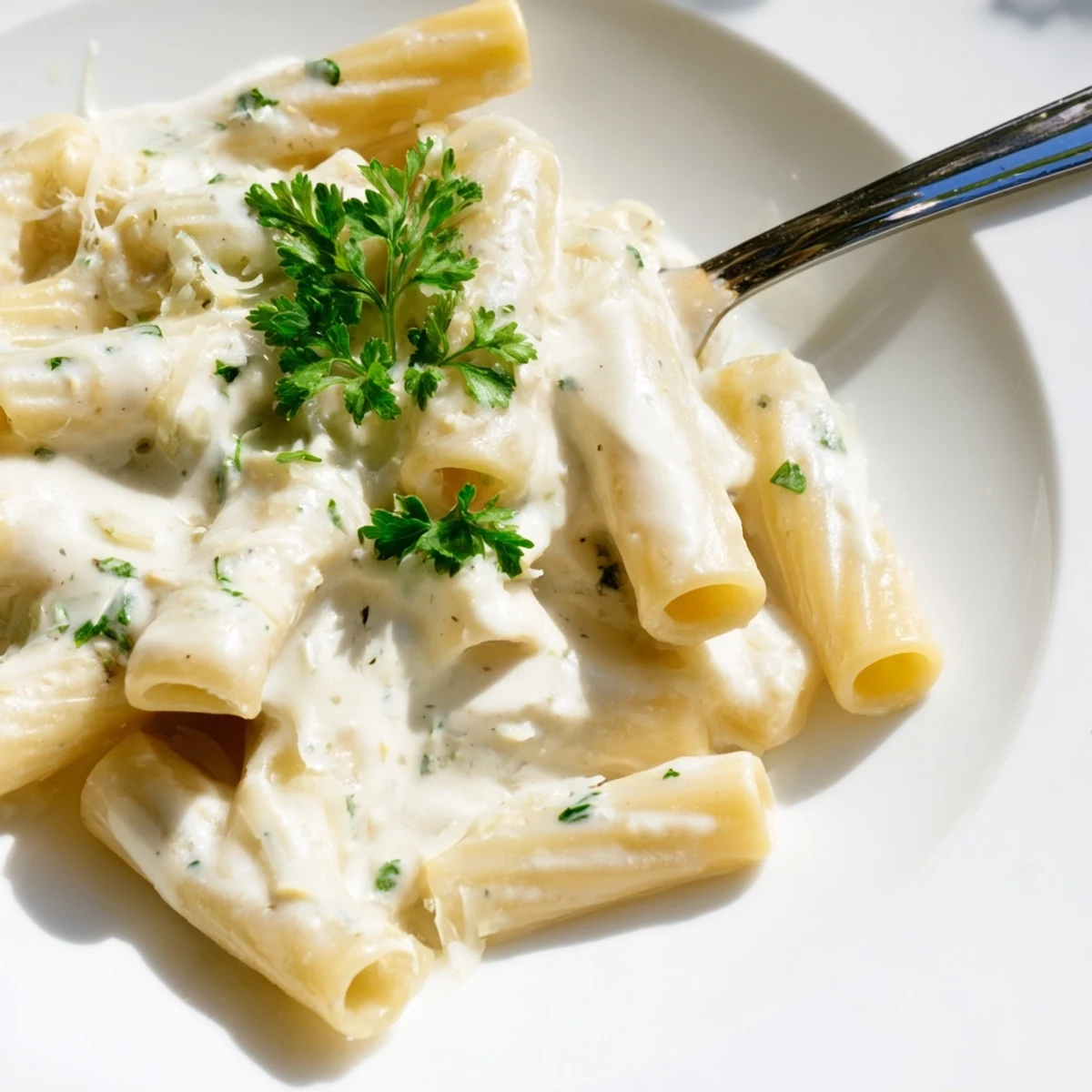
Save I made this sauce for my parents one Sunday, and my mom took one bite and asked why I was hiding this talent. It was just cream and butter and time, but somehow it felt like I'd given them something real.
Simple Swaps to Keep Things Interesting
Once you understand how this sauce works, you can play with it. Swap half the cream for whole milk if you want something lighter that still tastes rich. A splash of white wine before the cream adds brightness and depth—let it reduce by half before the cream goes in. Pecorino Romano instead of Parmesan gives you a sharper, more assertive flavor that works beautifully with broccoli or Brussels sprouts.
What to Serve This Sauce With
Pasta is the obvious choice, but this sauce loves chicken breasts seared until golden, steamed vegetables, gnocchi, or even roasted mushrooms. The sauce doesn't ask for much—just something to cling to and elevate. I've poured it over leftover roasted broccoli and turned a side dish into dinner.
The Small Moments That Matter
Cooking isn't always about the destination. Sometimes it's about standing at the stove on a Tuesday night, listening to the cream bubble gently, knowing that in less than five minutes you'll have made something delicious from almost nothing. That feeling of competence, of transformation, of turning basic ingredients into something that makes people happy—that's the real recipe.
- Taste as you season; what tastes good to you is the only rule that matters.
- Keep the heat medium or lower to stay in control and avoid any scorching or overcooking.
- Fresh herbs are lovely but not required; this sauce is already complete without them.
 Save
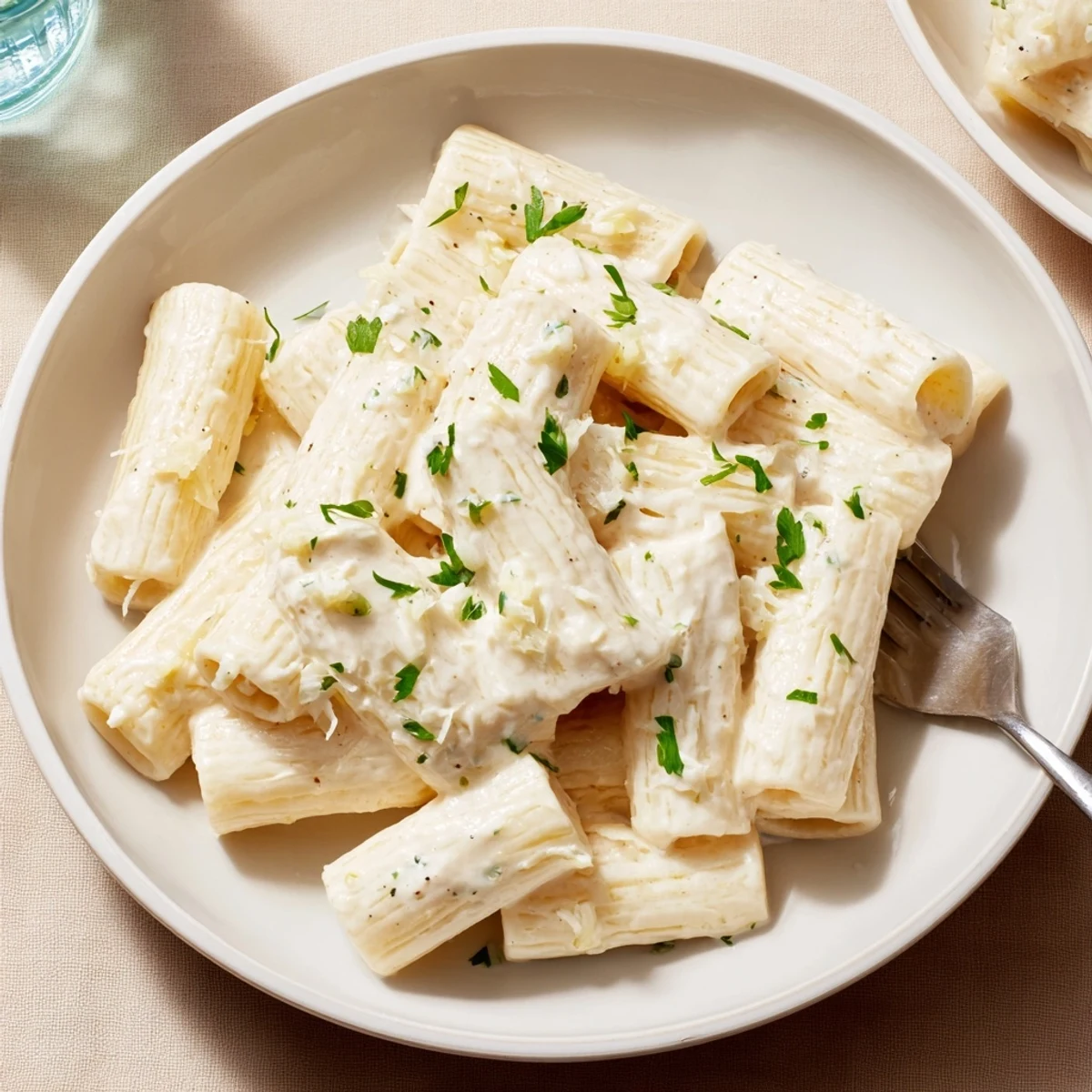
Save This sauce taught me that the best recipes are the ones that feel easy once you understand them. I hope it does the same for you.
Recipe FAQs
- → How can I prevent the sauce from curdling?
-
Simmer the cream gently over low heat and avoid boiling. Whisk continuously when adding cheese to maintain a smooth texture.
- → Can fresh herbs be substituted or omitted?
-
Yes, fresh parsley or chives add brightness but can be omitted or replaced with basil or thyme according to preference.
- → What type of cheese works best in this sauce?
-
Grated Parmesan is ideal for its nutty flavor and melting properties. Pecorino Romano can be used for a sharper taste.
- → Is it possible to lighten the sauce without losing flavor?
-
Substitute half the cream with whole milk to reduce richness while maintaining a creamy consistency.
- → How long should the sauce be cooked?
-
Simmer for 2–3 minutes after adding cheese until thickened but still pourable, to avoid over-thickening or separation.