
 Save
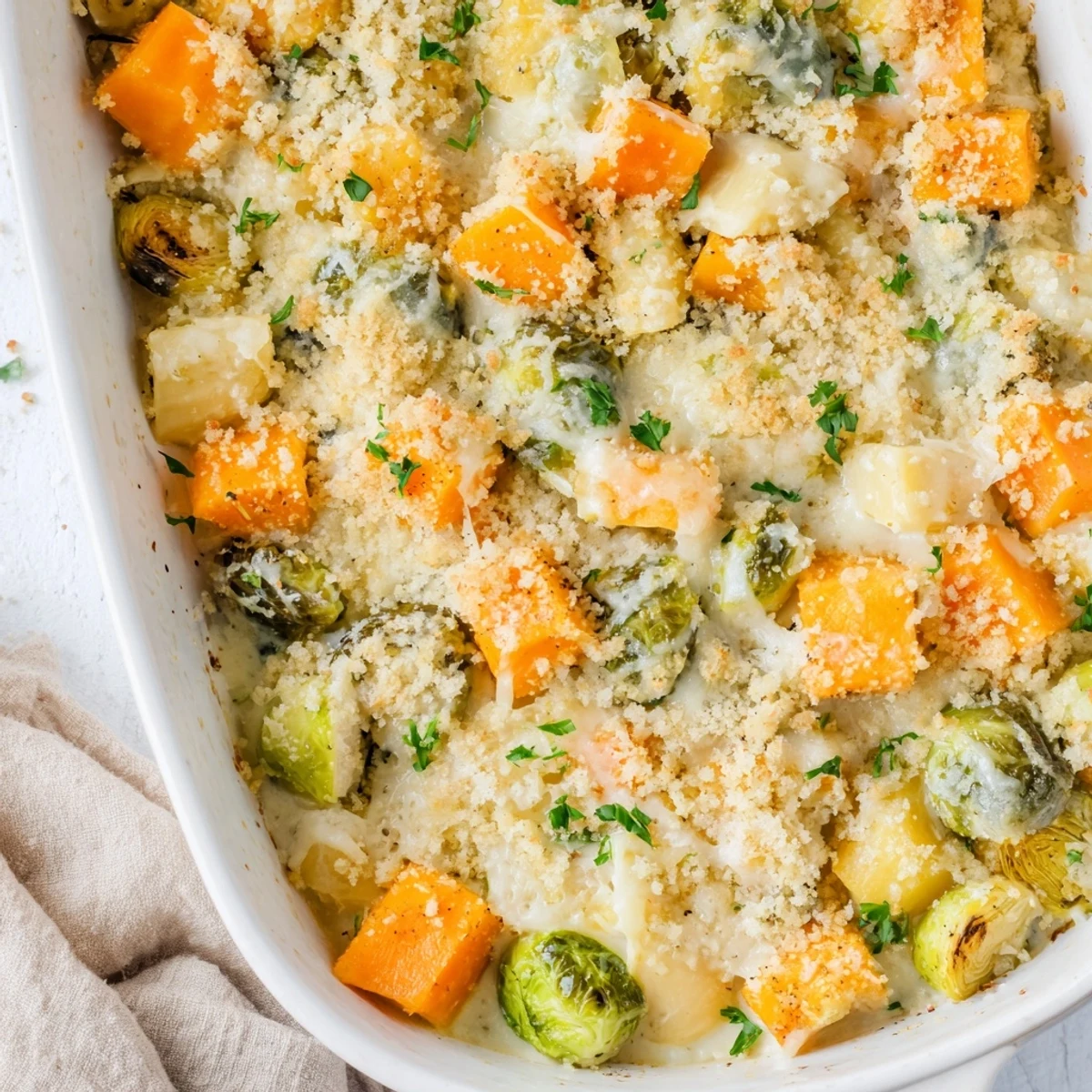
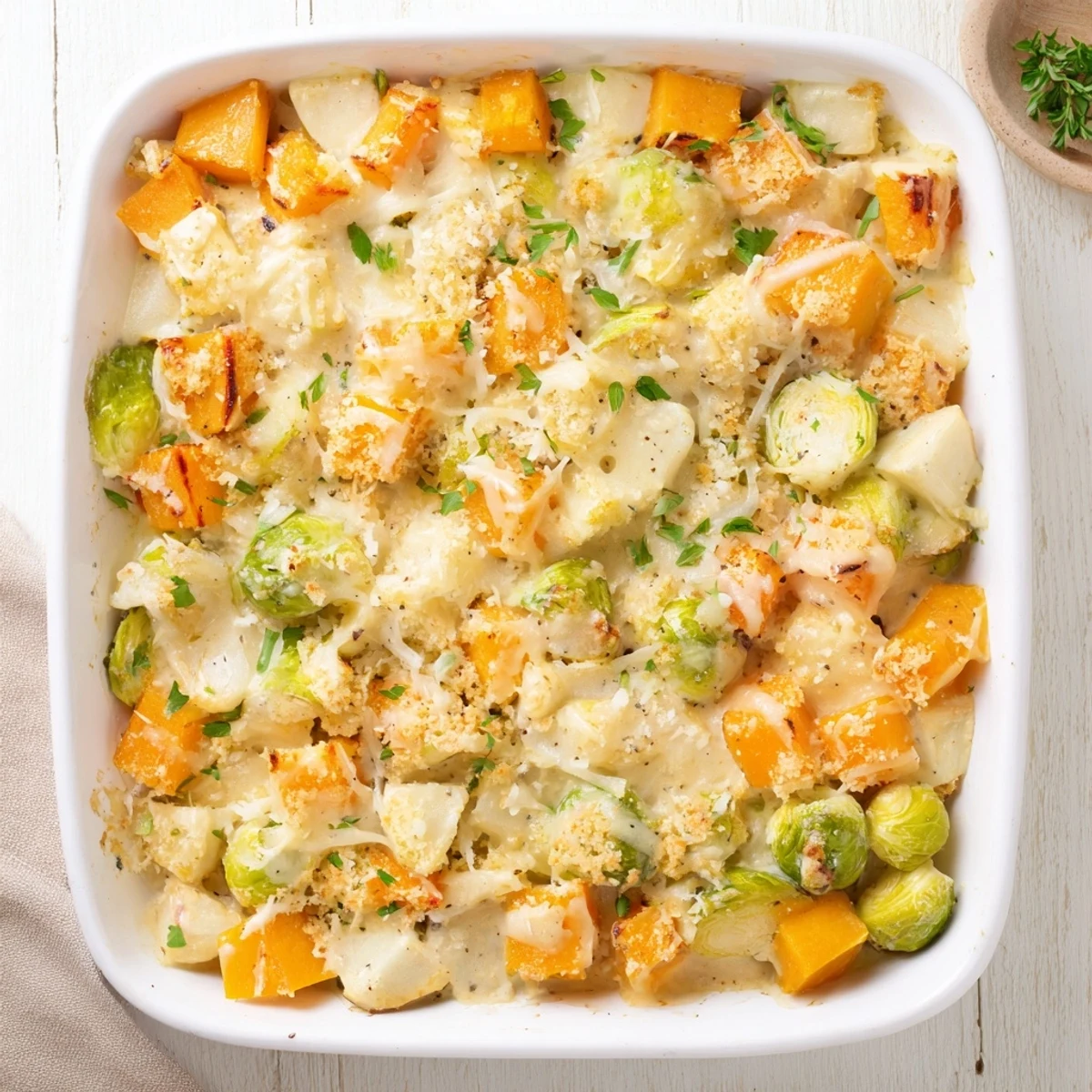
Save This comforting casserole brings together the best of winter produce—butternut squash, parsnips, carrots, and Brussels sprouts—all bathed in a velvety homemade cream sauce infused with thyme, sage, and nutmeg. The vegetables are briefly blanched before being folded into the sauce, ensuring they cook evenly in the oven without becoming mushy.
A generous layer of Gruyère cheese creates a savory, melted crown, while buttery panko breadcrumbs add satisfying crunch to every bite. After 35-40 minutes in the oven, the casserole emerges bubbling and golden, perfect for setting aside to rest briefly before serving.
This dish serves six beautifully and makes an excellent centerpiece for Sunday suppers, holiday feasts, or any meal calling for hearty, nourishing comfort food. Pair with a crisp white wine and crusty bread for the complete experience.
Last February, when snow had been falling steadily for three days and my kitchen felt like the only warm room in the house, I threw together whatever vegetables I had in the crisper drawer with a simple cream sauce. My roommate took one bite from a spoon I handed her and immediately asked for the recipe, which was funny because I had been making it up as I went along.
I made this for my first proper dinner party, the kind where you actually use cloth napkins and worry about wine pairings. Everyone went quiet for that first bite, and someone finally said something about how cozy food tastes better when there is frost on the windows. Now whenever winter feels too long, this casserole reminds me that some seasons exist just so we can excuse making things this rich and warming.
Ingredients
- 2 cups (300 g) butternut squash, peeled and diced: The sweetness balances beautifully against earthy root vegetables and gets even better when roasted in the cream sauce
- 2 cups (300 g) parsnips, peeled and diced: These add a lovely peppery sweetness that you cannot get from any other winter vegetable
- 2 cups (200 g) carrots, peeled and sliced: Use thin slices so they cook through evenly without becoming mushy
- 1 cup (150 g) Brussels sprouts, halved: Trim the stem end and remove any wilted outer leaves before halving
- 1 cup (100 g) leeks, cleaned and sliced: The white and light green parts provide a mild onion flavor that does not overpower the vegetables
- 2 cloves garlic, minced: Fresh garlic makes a noticeable difference here, so avoid the jarred stuff
- 2 tablespoons (30 g) unsalted butter: This creates the roux base for your sauce, so do not substitute with oil
- 2 tablespoons (16 g) all-purpose flour: You need this for thickening the cream sauce into something that will coat every vegetable
- 1 1/2 cups (360 ml) whole milk: The fat content helps create that velvety texture we are after
- 1 cup (240 ml) heavy cream: This is what makes the sauce luxurious and rich enough to stand up to the vegetables
- 1/2 teaspoon dried thyme: Earthy and woody, thyme pairs perfectly with winter roots
- 1/2 teaspoon dried sage: Just enough to add that warm, savory depth without overpowering
- 1/2 teaspoon ground nutmeg: A pinch of nutmeg makes cream sauces taste professionally balanced
- 1 teaspoon salt: Adjust based on your preference, but do not skip it entirely
- 1/2 teaspoon black pepper: Freshly ground gives the best aromatic punch
- 1 cup (100 g) grated Gruyère cheese: The nutty, slightly sweet flavor melts beautifully and creates that gorgeous golden crust
- 1/2 cup (25 g) panko breadcrumbs: These stay crunchier than regular breadcrumbs under the broiler
- 2 tablespoons (30 g) unsalted butter, melted: Tossing the panko in melted butter ensures even browning
- 2 tablespoons (8 g) chopped fresh parsley: Adds a bright, fresh pop of color and flavor against all that richness
Instructions
- Preheat your oven to 375°F (190°C) and grease a 9x13-inch casserole dish:
- The butter coating prevents sticking and helps those edges get nicely caramelized.
- Blanch the vegetables:
- Boil the squash, parsnips, carrots, and Brussels sprouts for 8 minutes in salted water, then drain them well so your sauce does not become watery.
- Sauté the aromatics:
- Melt butter in a large skillet and cook the leeks and garlic until they are soft and fragrant, about 3 to 4 minutes.
- Build your roux:
- Sprinkle flour over the softened leeks and stir constantly for 1 minute to cook out any raw flour taste.
- Create the cream sauce:
- Whisk in the milk and cream gradually, then add thyme, sage, nutmeg, salt, and pepper, simmering until thickened about 4 to 5 minutes.
- Combine everything:
- Gently fold the blanched vegetables into the sauce and transfer to your prepared casserole dish.
- Add the cheese layer:
- Sprinkle the Gruyère evenly across the top so every bite gets some of that melted goodness.
- Prepare the topping:
- Mix panko with melted butter and parsley, then scatter over the cheese layer for that irresistible crunch.
- Bake until golden:
- Bake for 35 to 40 minutes until bubbly and golden brown, letting it stand for 10 minutes before serving so the sauce sets slightly.
 Save
Save My grandmother would have called this forgiving food, the kind that welcomes substitutions and adjustments without complaining. She taught me that the best recipes are the ones that adapt to whatever your kitchen offers on any given day.
Make It Your Own
Sometimes I swap in sweet potatoes for half the squash when I want deeper color and sweetness. Other times, crumbled bacon or pancetta finds its way into the vegetable layer because salty, smoky pork has a way of making everything taste like Sunday supper.
Timing Is Everything
You can blanch the vegetables and make the sauce up to a day ahead, keeping them separately in the refrigerator. The final assembly takes minutes when you are ready to bake, which is exactly the kind of low stress cooking I appreciate on a weeknight.
Serving Suggestions
A crisp green salad with vinaigrette cuts through all that creamy richness, while roasted chicken or pork tenderloin make this a complete meal. On nights when I want something simpler, a slice of crusty bread to swipe up that sauce feels like plenty.
- A dry white wine like Sauvignon Blanc or a light red such as Pinot Noir pairs nicely
- The casserole reheats beautifully at 350°F for about 20 minutes
- Leftovers keep well for up to three days in the refrigerator
 Save
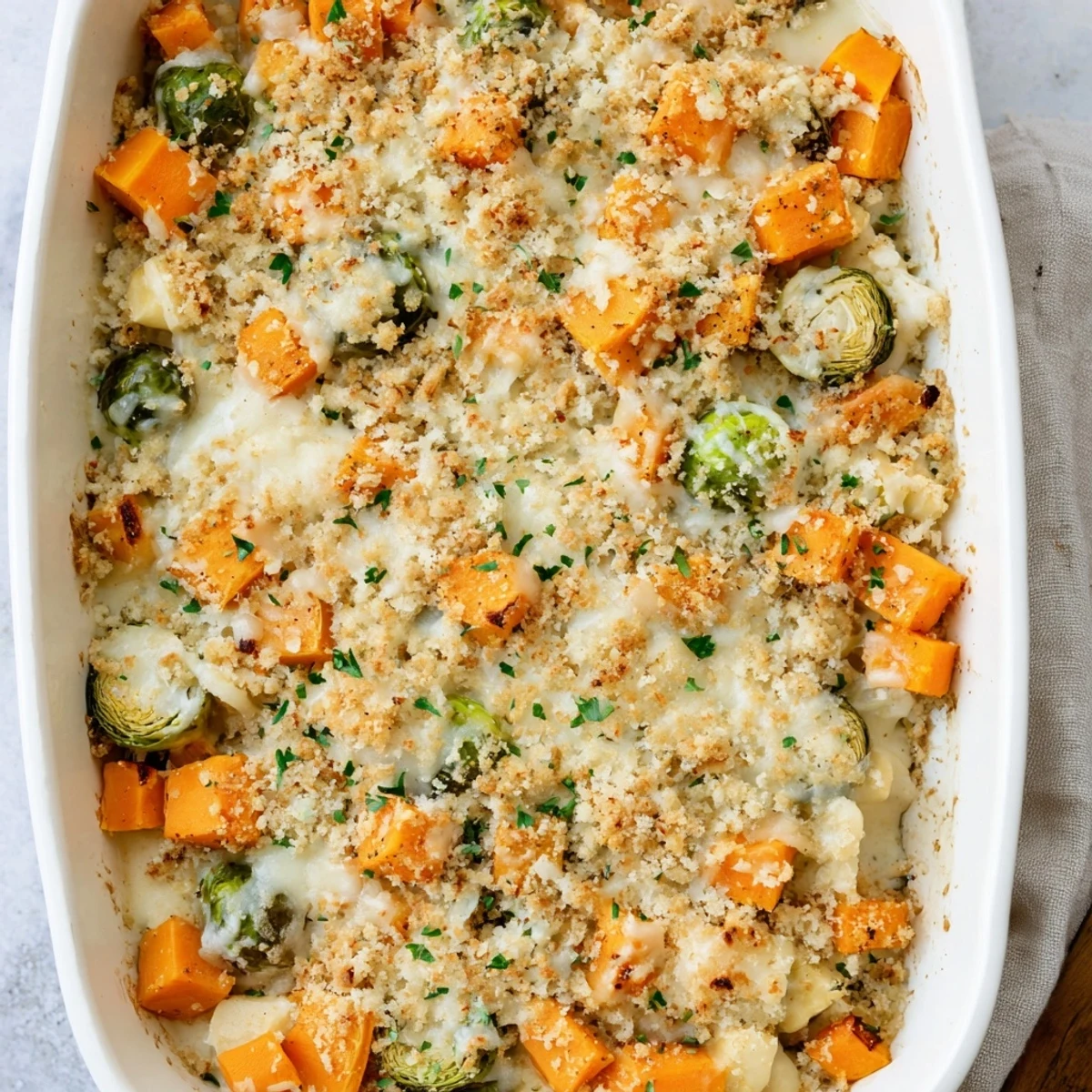
Save This casserole has become my answer to the kind of cold that settles into your bones and refuses to leave. Every winter I make it at least once, usually on a Sunday when snow is predicted and I want something bubbling away in the oven that makes the whole house feel like a shelter.
Recipe FAQs
- → Can I prepare this casserole ahead of time?
-
Yes, assemble the entire casserole up to 24 hours in advance and refrigerate unbaked. When ready to serve, bake for an additional 10-15 minutes to ensure it heats through completely.
- → What vegetables work best in this dish?
-
Butternut squash, parsnips, carrots, and Brussels sprouts are ideal for their hearty texture and ability to hold shape during baking. You can also include rutabaga, turnips, or celery root for variety.
- → Can I make this dish gluten-free?
-
Substitute the all-purpose flour with a 1:1 gluten-free flour blend and replace panko breadcrumbs with gluten-free crumbs or crushed gluten-free crackers.
- → How do I store and reheat leftovers?
-
Store in an airtight container in the refrigerator for up to 4 days. Reheat in a 350°F oven for 15-20 minutes until hot throughout, or microwave individual portions.
- → Can I freeze this casserole?
-
Yes, freeze before baking for up to 3 months. Thaw overnight in the refrigerator, then bake as directed, adding extra time if needed.
- → What can I substitute for Gruyère cheese?
-
Sharp cheddar, Swiss cheese, Emmental, or Comté all work beautifully. Each brings slightly different flavor notes while maintaining the desired melt and creaminess.