
 Save
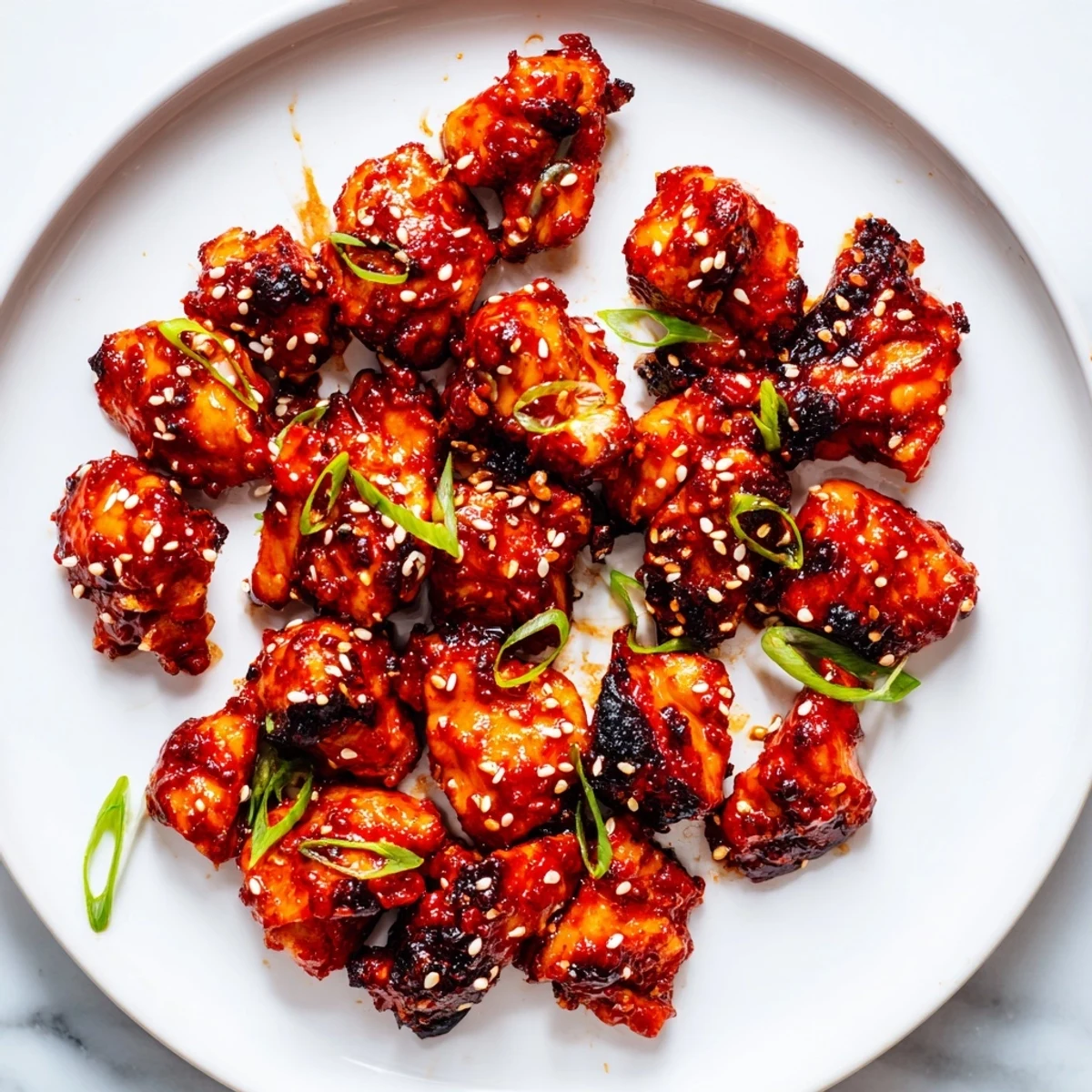
Save This Korean-inspired gochujang chicken delivers bold, spicy-sweet flavors in every bite. Succulent boneless chicken thighs are marinated in a vibrant blend of gochujang chili paste, soy sauce, honey, rice vinegar, and sesame oil, then seared until deeply caramelized.
Ready in just 40 minutes with 15 minutes of prep, it's an easy weeknight main that pairs perfectly with steamed white rice or vegetables. The marinade doubles as the glaze, creating a sticky, glossy coating infused with garlic and ginger.
Garnished with toasted sesame seeds and sliced spring onions, this dish brings restaurant-quality Korean flavors to your home kitchen with minimal effort and everyday ingredients.
The sizzle of chicken hitting a screaming hot pan is one of those sounds that instantly makes a kitchen feel alive, and when that chicken is slicked with gochujang, the smell that follows is almost unfairly good. My first encounter with Korean chili paste was a tiny tub sitting in the back of a friend's fridge, unassuming and slightly intimidating. One taste changed everything: deep, funky heat with a sweetness that lingered and made me want to put it on practically everything. This gochujang chicken came out of that obsession, and it has been on regular rotation ever since.
I made this for a backyard gathering once when the grill decided to quit halfway through, and we finished cooking indoors with the kitchen windows wide open. Everyone ended up standing around the stove eating straight from the pan with chopsticks while the last batch caramelized. Nobody even waited for the rice.
Ingredients
- 800 g boneless, skinless chicken thighs: Thighs are the way to go here because they stay tender and soak up the marinade beautifully, though breasts work if that is what you have on hand.
- 3 tbsp gochujang: This is the heart of the dish, bringing fermented depth and a gentle chili warmth that builds but never overwhelms.
- 2 tbsp soy sauce: Provides the salty umami backbone, and you can use tamari if you need a gluten free version.
- 2 tbsp honey: Balances the heat and helps create that gorgeous sticky caramelization on the outside of each piece.
- 1 tbsp rice vinegar: A subtle brightness that cuts through the richness and keeps the glaze from feeling one dimensional.
- 1 tbsp sesame oil: Toasted sesame oil adds a nutty aroma that ties everything together in a distinctly Korean way.
- 3 cloves garlic, minced: Fresh garlic is nonnegotiable here, and you can be generous if your cloves are small.
- 1 tbsp ginger, grated: Grating rather than mincing gives you a fine paste that melts right into the sauce.
- 1 tsp toasted sesame seeds: A finishing sprinkle that adds crunch and a mild toasty flavor.
- 1 spring onion, thinly sliced: For a fresh, mild onion bite on top right before serving.
- Cooked white rice or steamed vegetables (optional): Serve alongside to soak up every bit of that incredible sauce.
Instructions
- Build the marinade:
- In a large bowl, whisk together the gochujang, soy sauce, honey, rice vinegar, sesame oil, garlic, and ginger until smooth. The color should be a deep, glossy red and the smell will already have you reaching for a spoon to taste it.
- Coat the chicken:
- Add the chicken pieces to the bowl and toss with your hands or tongs until every single piece is evenly coated. Let it sit for at least 10 minutes, though a couple of hours in the fridge makes a noticeable difference.
- Heat the pan:
- Set a large skillet or grill pan over medium high heat and let it get properly hot before adding anything. A hot pan is the secret to getting those beautifully charred, caramelized edges.
- Cook until caramelized:
- Add the chicken in a single layer without crowding and cook for 6 to 8 minutes per side until deeply glazed and cooked through. The sugars in the honey and gochujang will create a sticky, dark crust that is pure flavor.
- Finish and serve:
- Take the pan off the heat, scatter sesame seeds and sliced spring onion over the top, and serve immediately with rice or whatever sides you love. Try to resist eating it straight from the pan, though I will not judge if you do.
 Save
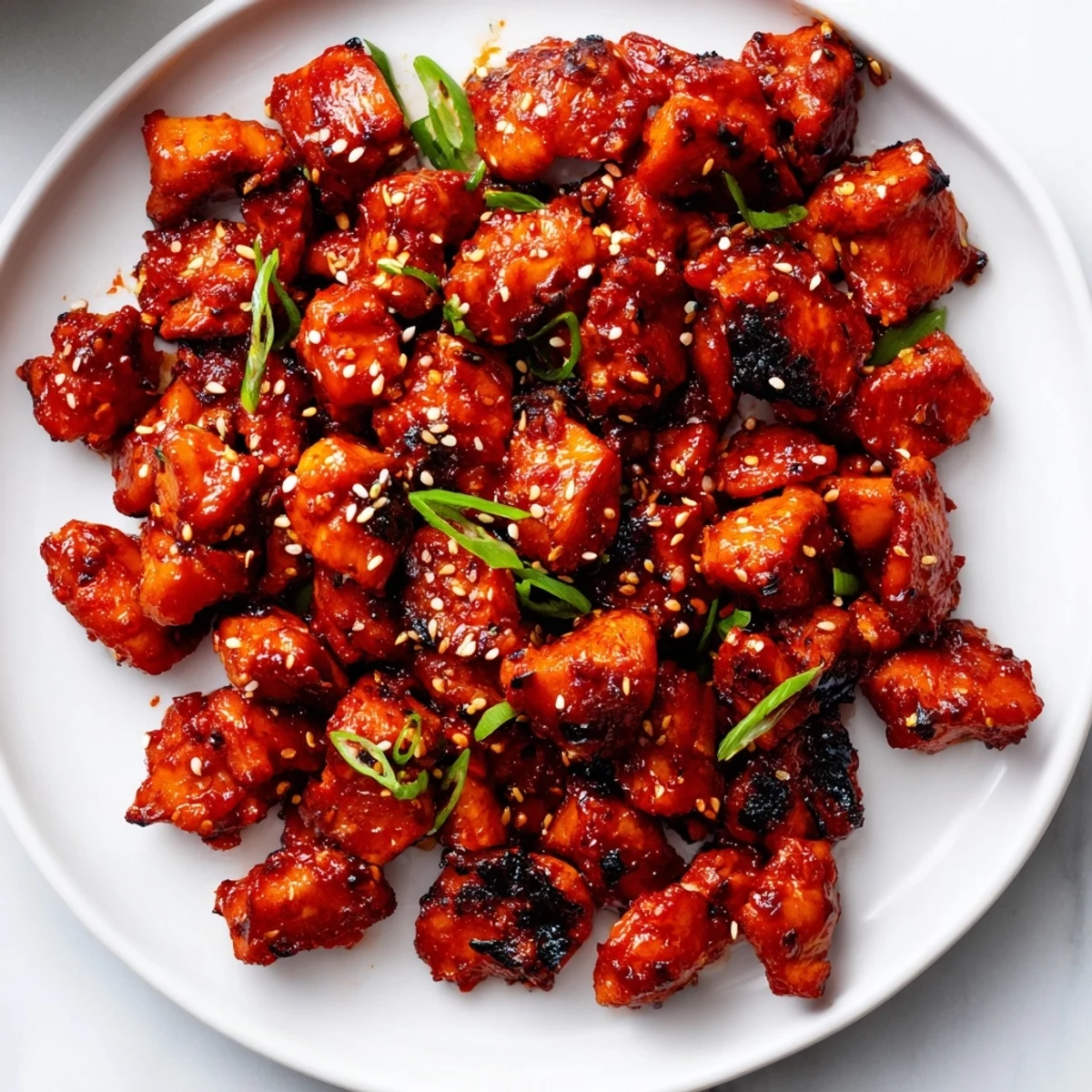
Save There is something about a plate of sticky, crimson glazed chicken that turns an ordinary Tuesday into a small celebration. It became the dish my roommate would request every single week without fail.
Picking the Right Pan
A cast iron skillet or a heavy bottomed stainless steel pan will give you the best caramelization here because they hold heat evenly and get screaming hot. Nonstick works in a pinch, but you will not get quite the same char on those edges. Whatever you use, make sure it is large enough to hold the chicken in a single layer so each piece browns properly instead of steaming in a pile.
Getting to Know Gochujang
Gochujang is a fermented Korean chili paste that lives somewhere between miso and hot sauce in terms of personality. It is thick, slightly sweet, and packed with umami rather than just raw heat. You can find it in most grocery stores now, usually in small red tubs near the international aisle, and once you have a tub in your fridge you will find excuses to use it in everything from stir fries to marinades to dipping sauces.
Serving and Storing Leftovers
This chicken is at its absolute best right out of the pan when the glaze is still sticky and the edges have that slight chew, but leftovers reheat surprisingly well the next day. Keep any extras in an airtight container in the fridge for up to three days and reheat gently in a skillet with a splash of water to loosen the sauce.
- Shred any leftover chicken and stuff it into lettuce wraps for a quick lunch.
- Leftover glaze from the pan is liquid gold, so drizzle it over rice or roasted vegetables.
- Always check the labels on your gochujang and soy sauce if you are cooking for someone with allergen concerns.
 Save
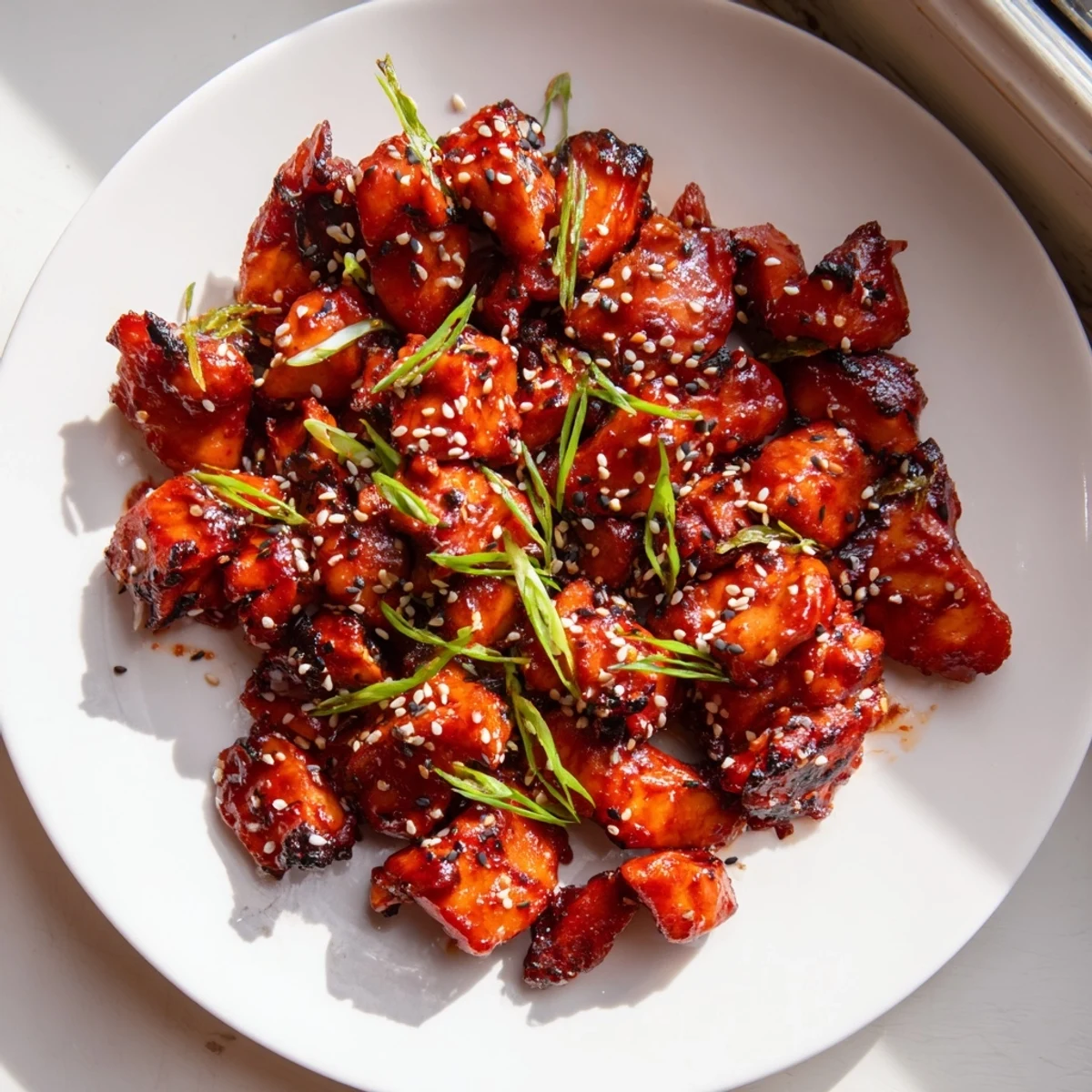
Save Keep a batch of the marinade mixed and ready in your fridge, and weeknight dinner becomes something you actually look forward to. This is the kind of recipe that makes you feel like a better cook than you probably are.
Recipe FAQs
- → What does gochujang taste like?
-
Gochujang is a fermented Korean red chili paste with a complex flavor profile. It delivers spicy heat balanced by natural sweetness and deep umami richness, making it ideal for marinades and glazes.
- → Can I use chicken breasts instead of thighs?
-
Yes, chicken breasts work as a leaner alternative. Reduce the cooking time by 2–3 minutes per side and watch closely to prevent drying out, as breasts have less fat content than thighs.
- → How long should I marinate the chicken?
-
A minimum of 10 minutes works for a quick meal, but marinating for 1 to 2 hours allows the gochujang, soy sauce, and ginger to penetrate deeply, resulting in more intense flavor throughout the chicken.
- → What sides go well with gochujang chicken?
-
Steamed white rice is the classic pairing, soaking up the sticky glaze. Steamed bok choy, a simple cucumber salad, or stir-fried vegetables also complement the spicy-sweet flavors beautifully.
- → Is this dish very spicy?
-
The heat level is moderate thanks to the gochujang, which is milder than straight chili flakes. For extra spice, add 1 teaspoon of gochugaru (Korean chili flakes) to the marinade. To reduce heat, use less gochujang and add more honey.
- → Can I make gochujang chicken gluten-free?
-
Absolutely. Simply swap regular soy sauce for tamari, which is a gluten-free alternative. Double-check that your gochujang brand doesn't contain wheat-based additives, as some traditional versions do.