
 Save
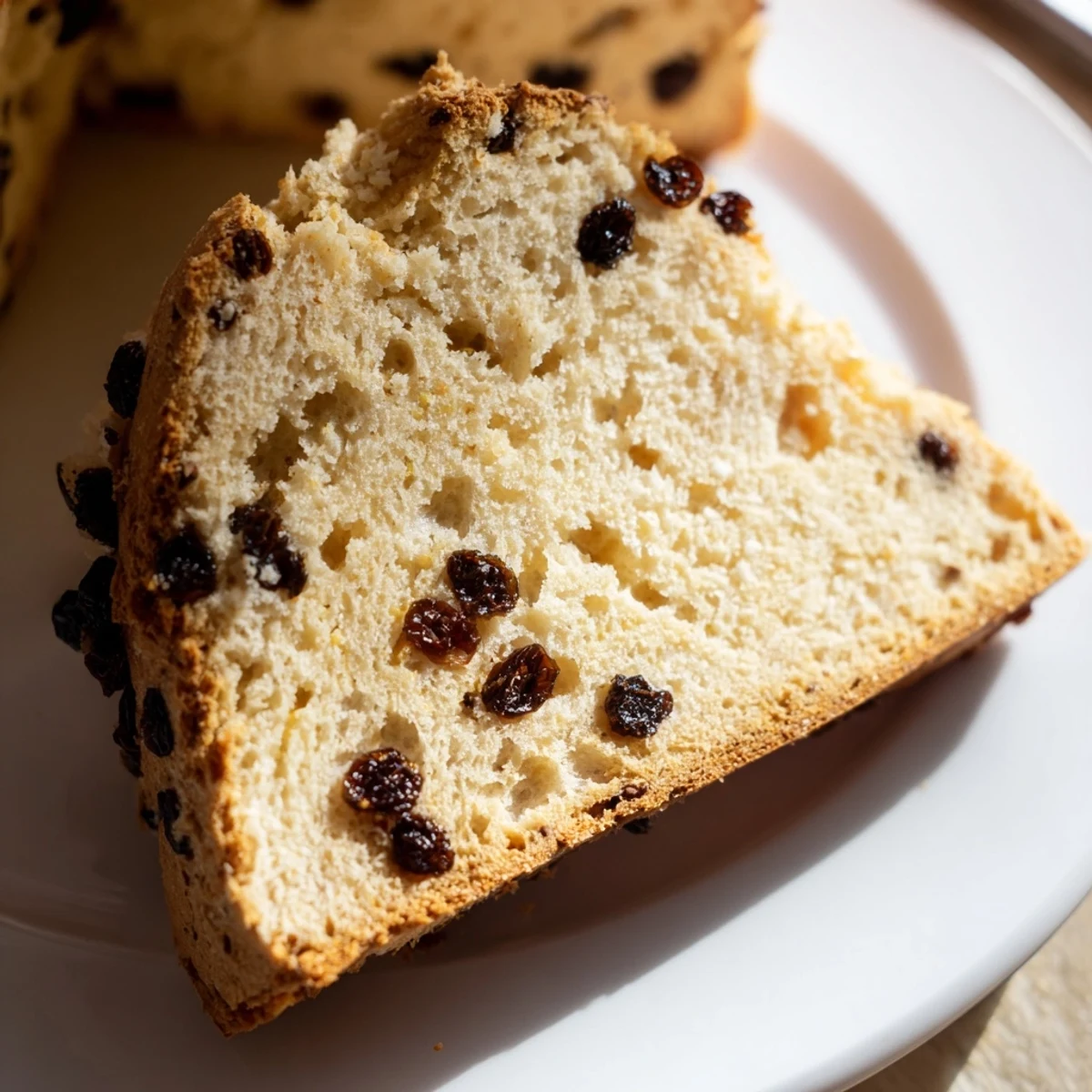
Save This classic Irish quick bread features a tender crumb enriched with dried currants and aromatic caraway seeds. Combining buttermilk's soft tanginess and lightly sweetened dough creates a gently nuanced flavor. It bakes golden with a crisp crust and a soft interior, ideal for slicing and serving warm. Great for breakfast or alongside tea, it balances rustic texture with subtle sweetness, making it a comforting and versatile bread option.
Rain was drumming against my kitchen window last March when I first attempted this bread, feeling determined to bring some authentic Irish comfort into a gray afternoon. The caraway seeds had been sitting in my spice cabinet for months, and something about their licorice whisper felt perfect for a day that needed warmth. When that first loaf emerged from the oven, the entire house filled with this incredible aroma that somehow made the rain outside feel cozy instead of dreary.
My neighbor Mrs. Kelly, who grew up in County Cork, told me that every Irish family has their own version of soda bread and hers always included currants. She explained that the cross cut into the top isnt just decorative, it helps the bread bake evenly and has religious significance too. Now whenever I make this, I think of her standing in my kitchen, laughing about how American recipes overcomplicate something so beautifully simple.
Ingredients
- All-purpose flour: The foundation of the bread, providing structure while keeping the crumb tender
- Granulated sugar: Just enough sweetness to balance the caraways slight bitterness and complement the currants
- Baking soda: The leavening agent that reacts with buttermilk to create the characteristic rise
- Fine sea salt: Enhances all the flavors and balances the sweetness
- Caraway seeds: These give the bread its signature aromatic, slightly licorice flavor profile
- Dried currants: Small, tart bursts of sweetness throughout each slice
- Buttermilk: Provides acidity to activate the baking soda and adds tenderness
- Unsalted butter: Adds richness and helps create a golden, slightly crisp crust
- Large egg: Adds structure and helps bind the dough while contributing to browning
Instructions
- Preheat your oven:
- Heat to 400°F (200°C) and line a baking sheet with parchment paper or give it a light coating of butter
- Whisk the dry ingredients:
- In a large bowl, combine flour, sugar, baking soda, salt, and caraway seeds until everything is evenly distributed
- Add the currants:
- Stir them in gently so theyre well dispersed throughout the flour mixture
- Combine the wet ingredients:
- In a separate bowl, whisk buttermilk, melted butter, and egg until smooth
- Bring it together:
- Pour the wet mixture into the dry and stir with a wooden spoon just until combined, the dough will be sticky and thats perfect
- Shape the loaf:
- Turn onto a floured surface, gently knead a few times, and form into an 8-inch round
- Score and brush:
- Transfer to your prepared baking sheet, cut a deep X across the top with a sharp knife, and brush with extra buttermilk
- Bake to golden perfection:
- Bake for 35 to 40 minutes until golden brown and a skewer comes out clean from the center
- Cool before slicing:
- Let the bread rest on a wire rack for at least 30 minutes to set the crumb
 Save
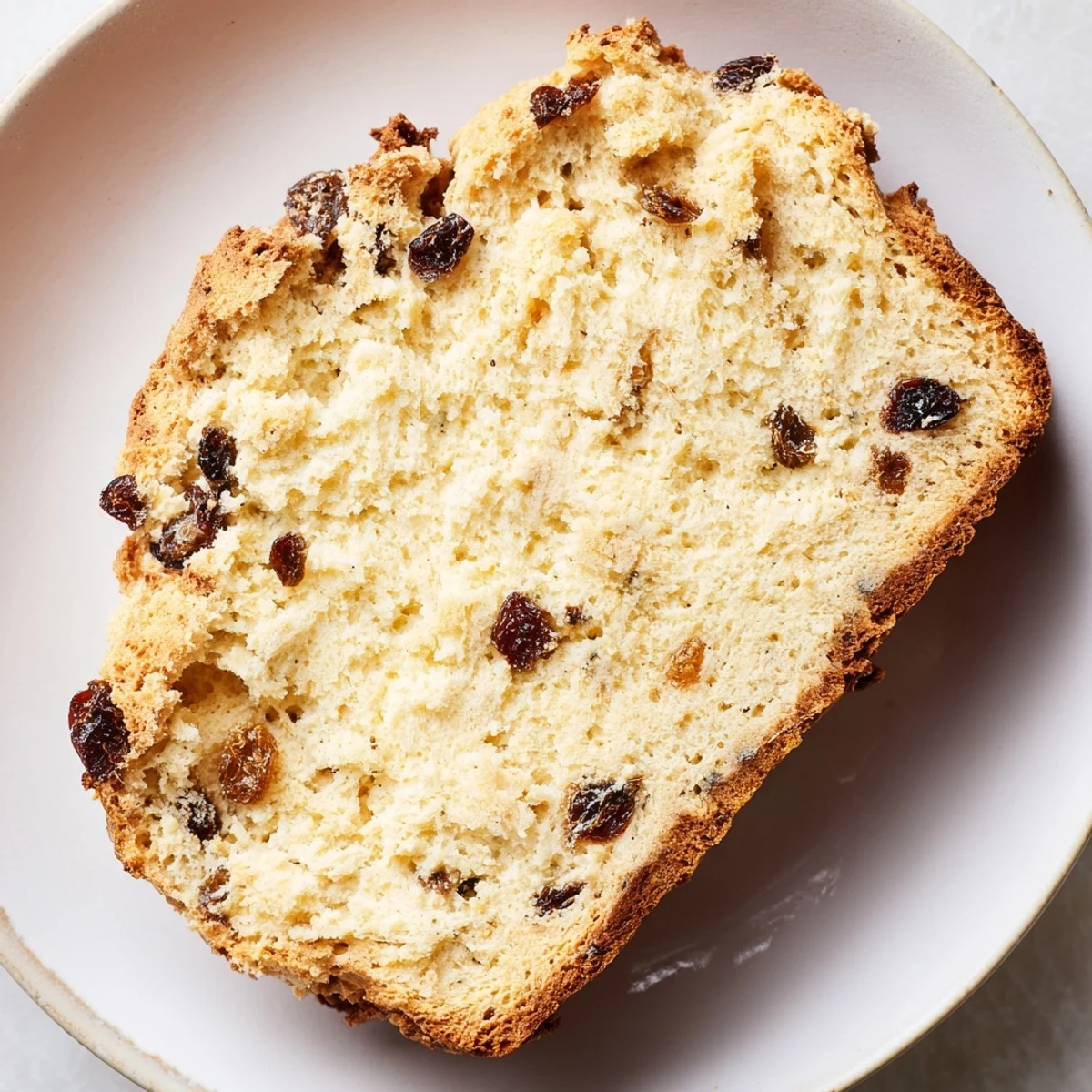
Save Last St. Patricks Day, I served this warm with salted butter and my friend Sean, who rarely comments on food, actually asked for the recipe. There is something remarkably satisfying about a bread that comes together so quickly yet tastes like it required hours of patient work. It has become my go-to whenever I need to feed people something that feels like home.
Flour Variations
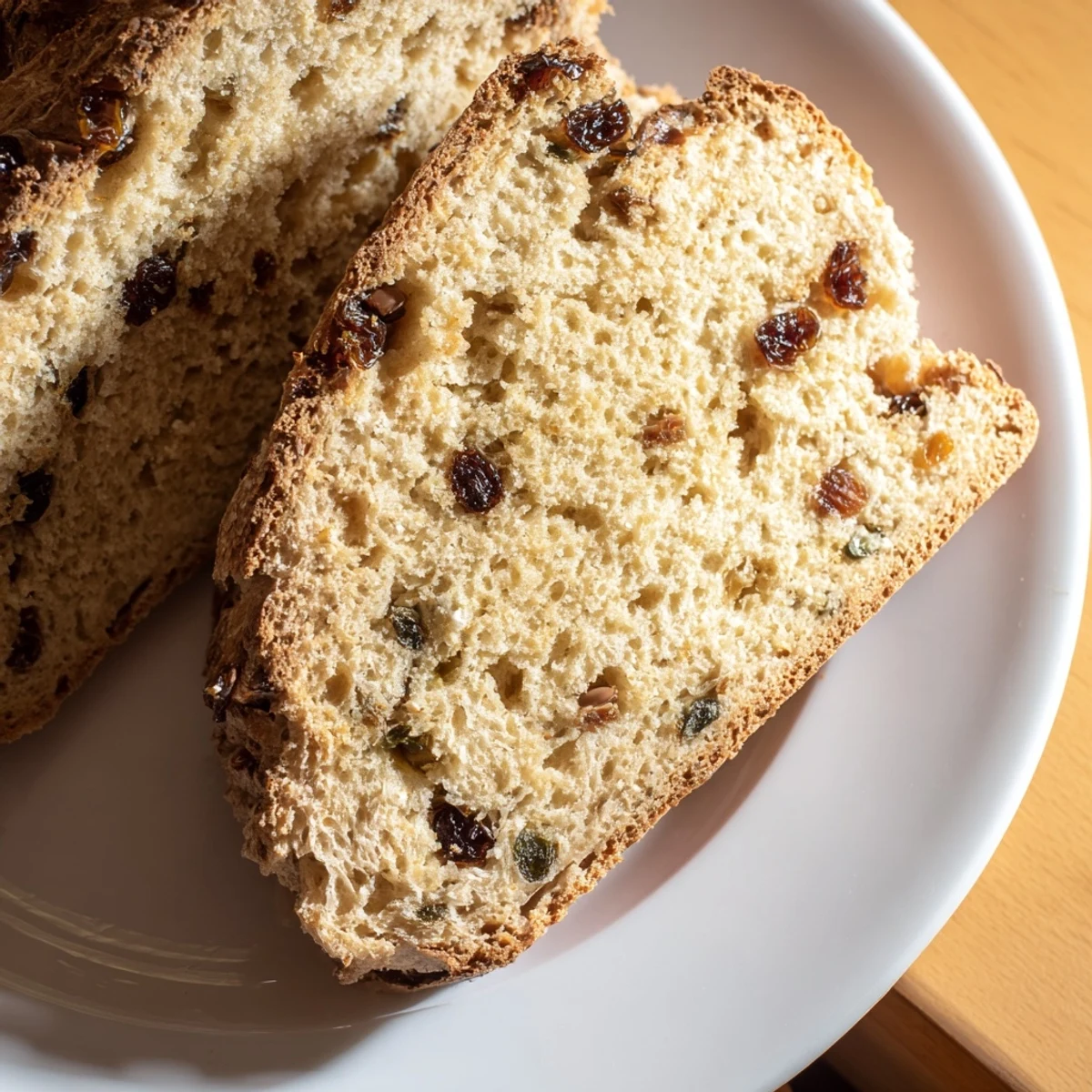
Replacing half the all-purpose flour with whole wheat adds a nutty depth and extra fiber, though the crumb will be slightly denser. I have found that using whole wheat also extends the fresh shelf life by a day or two. Just be sure not to exceed half whole wheat or the bread becomes heavy rather than tender.
Serving Suggestions
This bread is exceptional when toasted and spread with salted butter, letting the warmth melt the butter into every crevice. For a proper Irish tea time, pair it with a strong cup of Irish breakfast tea and perhaps some marmalade on the side. The caraway flavor also makes it an ideal accompaniment to hearty soups and stews.
Storage and Freshness
Soda bread is best enjoyed the day it is made, when the crust is at its crispest and the interior most tender. Wrap leftovers tightly in plastic wrap and store at room temperature for up to two days, or freeze for longer keeping. To refresh day old bread, wrap in foil and warm in a 350°F oven for 10 minutes.
- Freeze individual slices wrapped in plastic and then foil for quick toast later
- The X cut helps you know exactly where to tear off portions if serving informally
- Never refrigerate soda bread as it dries out the crumb dramatically
 Save
Save There is something deeply satisfying about making bread that requires no patience, no waiting, no proofing, just straightforward hands-on work. This recipe has taught me that sometimes the most traditional foods are the ones that fit most easily into modern life.
Recipe FAQs
- → What gives this bread its distinctive flavor?
-
The combination of dried currants and caraway seeds introduces a sweet and slightly spicy note, enhancing the bread's traditional Irish character.
- → Can I substitute the currants with another dried fruit?
-
Yes, raisins are a great alternative, offering a similar sweetness and texture to the bread.
- → What type of flour is recommended for best results?
-
All-purpose flour is standard, but using half whole wheat flour can add a richer flavor and heartier texture.
- → How should I know when the bread is fully baked?
-
The loaf should turn golden brown and a skewer inserted in the center should come out clean, indicating it is baked through.
- → What is the best way to serve this bread?
-
Serve warm with salted butter or marmalade; it also pairs beautifully with black or Irish breakfast tea.