
 Save
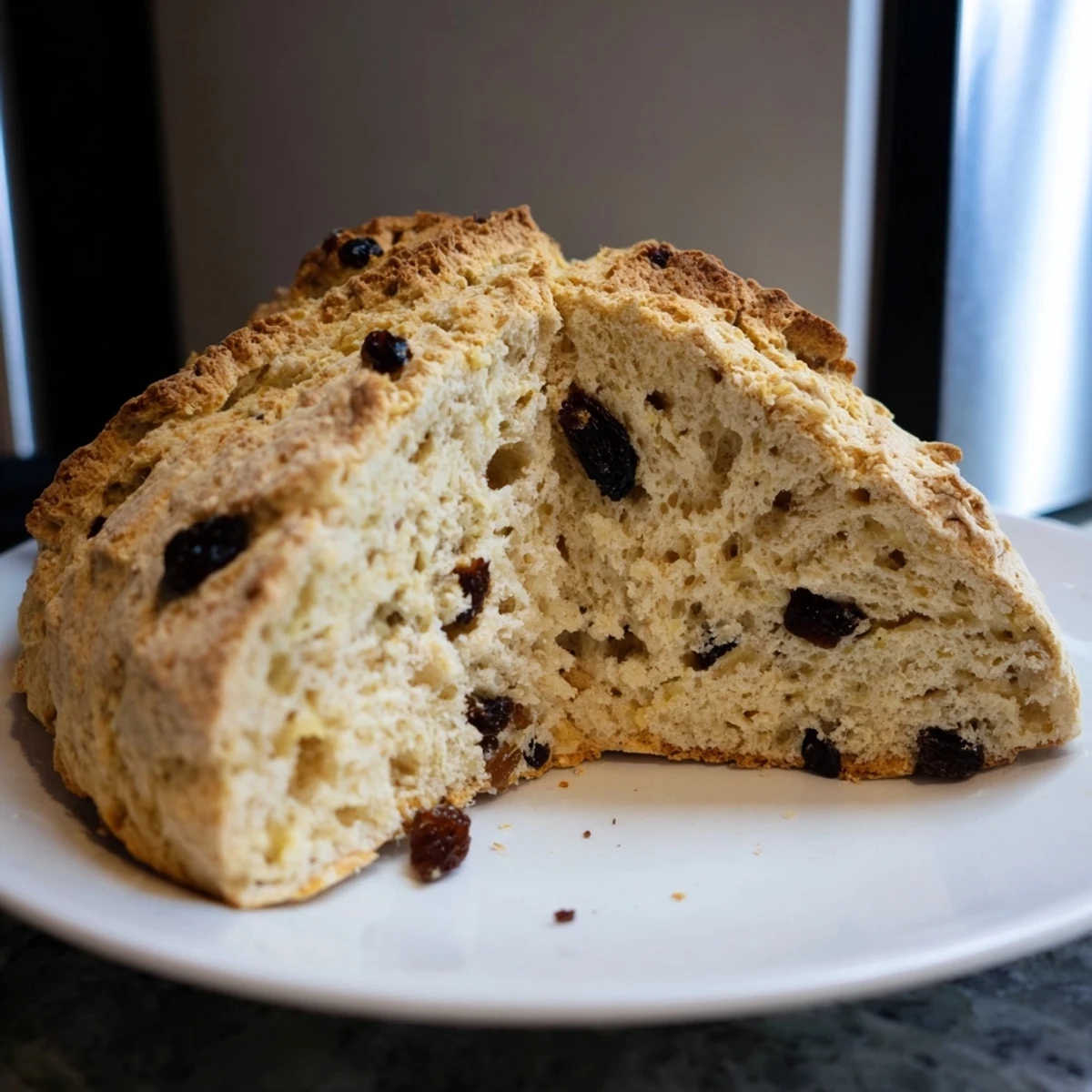
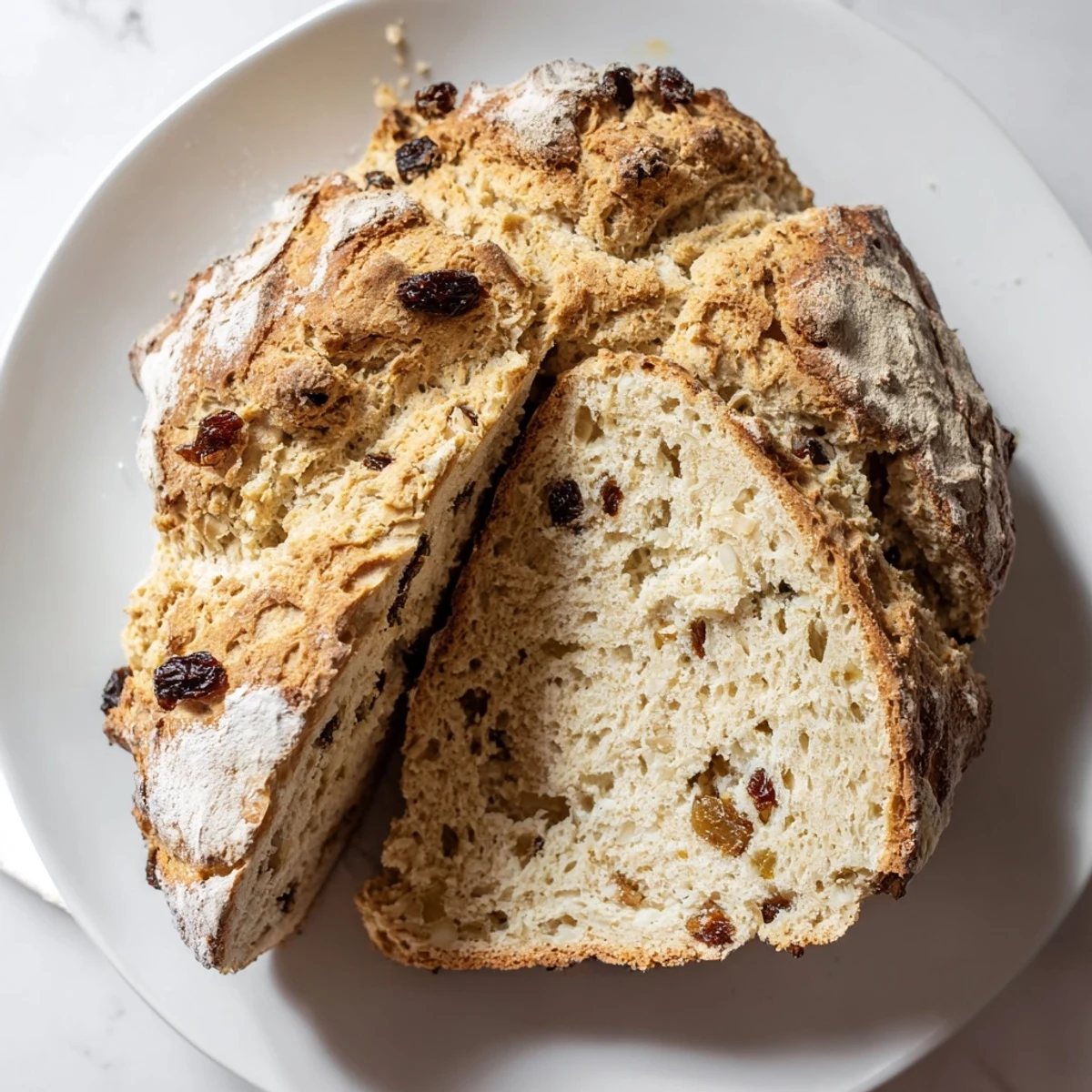
Save This Irish soda bread combines the rustic charm of a quick bread with the brightness of juicy currants and the warm aroma of caraway seeds. Using simple pantry staples like flour, buttermilk, and baking soda, the dough comes together quickly and requires minimal kneading to ensure a tender crumb. Baking until golden brown creates a crusty exterior with a soft inside, making it a comforting choice for breakfast or a snack alongside tea. Variations can include whole wheat flour or alternative dried fruits for added texture and flavor.
The first time I baked soda bread, my kitchen filled with this incredible earthy sweetness from caraway seeds. I had no idea what I was doing really, just following instincts and the memory of watching my grandmother bake by feel rather than measurement. When that golden loaf came out of the oven, the caraway scent hit me like a hug.
Last St. Patricks Day, I made three loaves to bring to a small gathering. By the time I arrived, the caraway fragrance had filled my car, and I actually caught myself taking deeper breaths just to enjoy it. My friends sliced through that first loaf while it was still warm, and someone literally moaned aloud.
Ingredients
- All-purpose flour: The backbone of your bread, providing structure and that tender crumb we all love
- Granulated sugar: Just enough to balance the tangy buttermilk and complement the currants natural sweetness
- Baking soda: The magic leavening agent that reacts with buttermilk to create those beautiful air pockets
- Fine sea salt: Enhances all the flavors and keeps this bread from tasting flat or dull
- Caraway seeds: These little jewels bring that distinctive slightly sweet, earthy flavor that makes Irish soda bread unforgettable
- Dried currants: Smaller and more tart than raisins, they distribute beautifully throughout the dough for pockets of sweetness
- Buttermilk: The acidic catalyst that activates the baking soda while keeping the bread incredibly moist
- Egg: Adds richness and helps create a tender texture that never feels tough or dry
- Unsalted butter: Melted into the dough for subtle richness and that golden finish we all want
Instructions
- Get your oven ready:
- Preheat to 400F and line your baking sheet so youre not scrambling later when your hands are covered in dough
- Whisk the dry ingredients:
- Combine flour, sugar, baking soda, salt, and caraway seeds in a large bowl until everything is evenly distributed
- Add the currants:
- Stir them in thoroughly so they get coated with flour, which prevents them from clumping together while baking
- Mix the wet ingredients:
- Whisk buttermilk, egg, and melted butter in a separate bowl until completely combined
- Bring it together:
- Make a well in the dry ingredients, pour in the wet mixture, and stir with a wooden spoon just until a shaggy dough forms
- Gentle kneading:
- Turn the dough onto a floured surface and fold it over itself about 8 to 10 times, just until it holds together
- Shape the loaf:
- Form it into a round about 2 inches high and transfer to your prepared baking sheet
- Score the top:
- Cut a deep X across the loaf with a sharp knife to help it expand properly while baking
- Bake to perfection:
- Bake for 38 to 42 minutes until golden brown and hollow when tapped on the bottom
- Patience is key:
- Let it cool on a wire rack for at least 30 minutes because slicing too early will make the crumb gummy
 Save
Save My sister called me last month asking for this recipe after having it at my house months ago. She said her toddler keeps asking for the bread with the tiny grapes in it, which is honestly the best review I could ever hope for.
Making It Your Own
Half the time I bake this now, I swap in some whole wheat flour because I love that nutty depth it adds. The crumb stays tender as long as I do not go beyond fifty percent whole wheat, and the flavor becomes so much more complex.
Serving Suggestions
Warm slathered with salted butter has become my weekend morning ritual, sometimes with a little honey drizzled over the top. My husband toasts leftovers and tops them with sharp cheddar for this incredible sweet and savory snack.
Storage Wisdom
This bread really does shine brightest the day it is made, when the crust is at its crispest and the interior is still slightly warm from the oven.
- Wrap leftovers tightly in plastic and they will stay decent for two days
- Day old bread makes exceptional toast, especially with salted butter
- Freeze sliced portions in freezer bags for quick weekday breakfasts
 Save
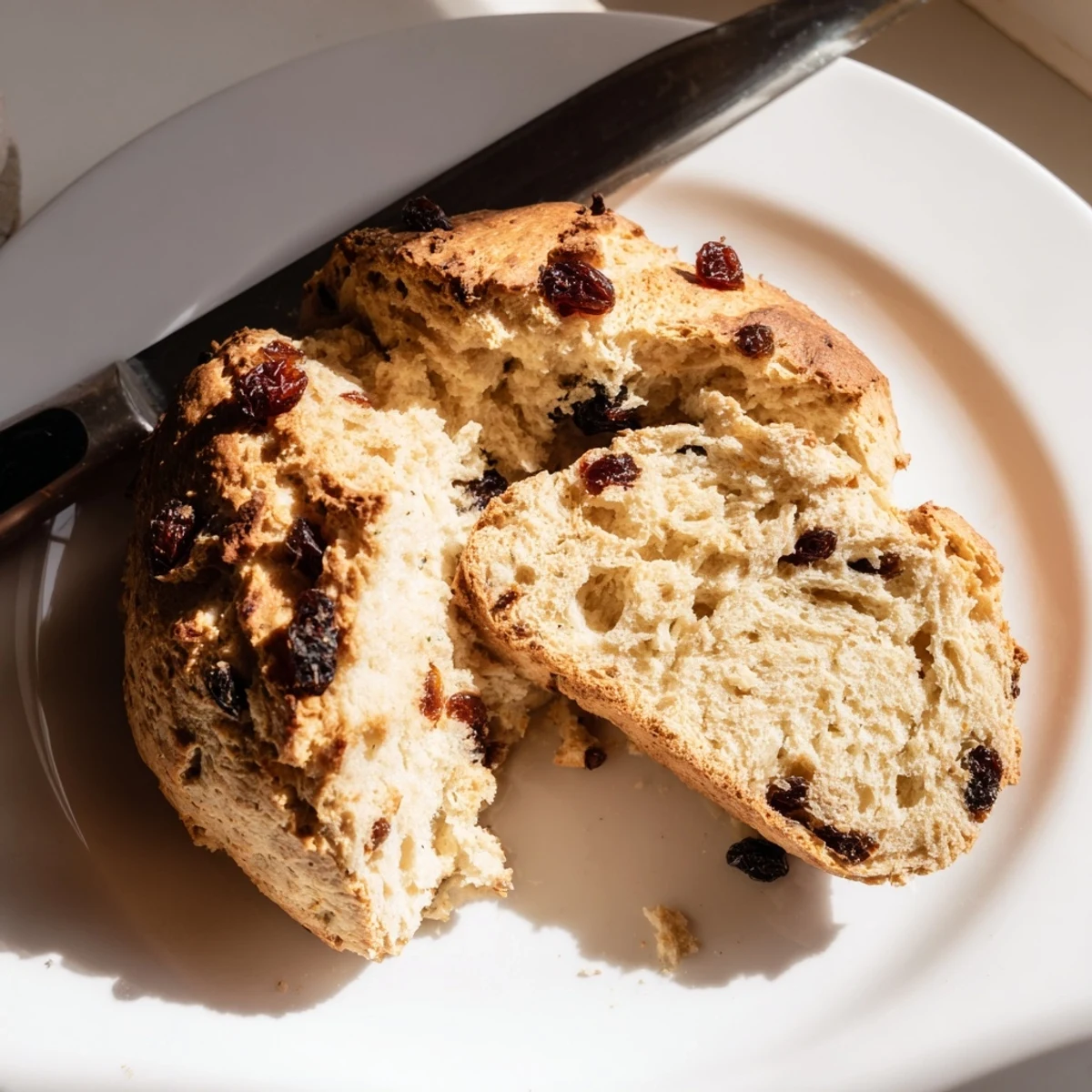
Save There is something deeply satisfying about bread that requires such patience and rewards you so quickly. The smell alone makes my entire house feel like home.
Recipe FAQs
- → What gives the bread its rise without yeast?
-
The combination of baking soda and acidic buttermilk creates a chemical reaction that helps the bread rise quickly without yeast.
- → Can I substitute currants with other dried fruits?
-
Yes, raisins or dried cranberries work well as alternatives, adding their own unique sweetness.
- → How to ensure the bread has a tender crumb?
-
Mix the wet and dry ingredients just until combined and knead gently to avoid developing too much gluten.
- → What is the purpose of the deep X cut on top?
-
The cut allows steam to escape during baking and helps the bread expand evenly, enhancing texture.
- → How should leftover bread be stored or served?
-
Store leftovers at room temperature and toast slices before serving for a fresh taste and texture.
- → Can whole wheat flour be used in this bread?
-
Yes, substituting half of the all-purpose flour with whole wheat adds a richer flavor and heartier texture.