
 Save
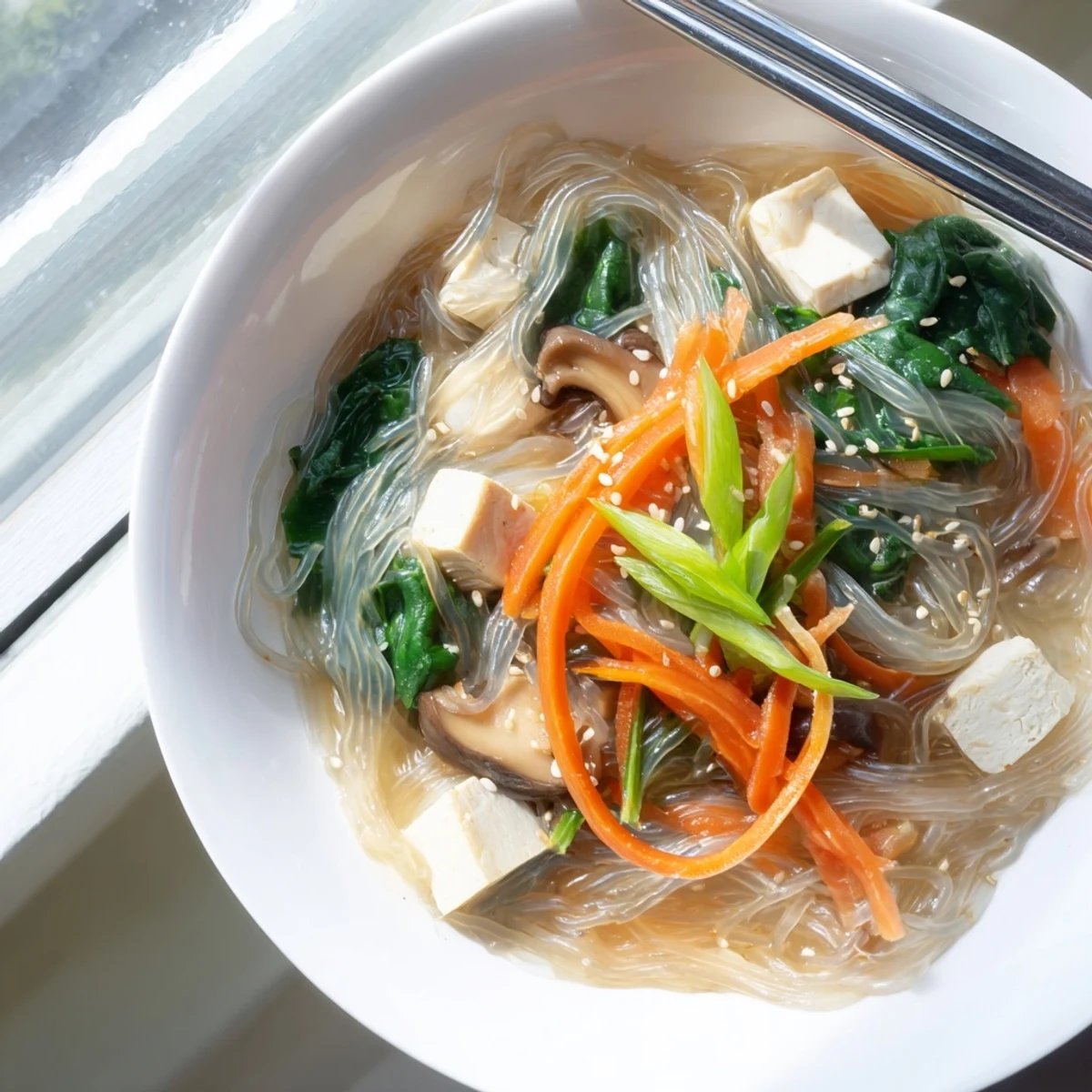
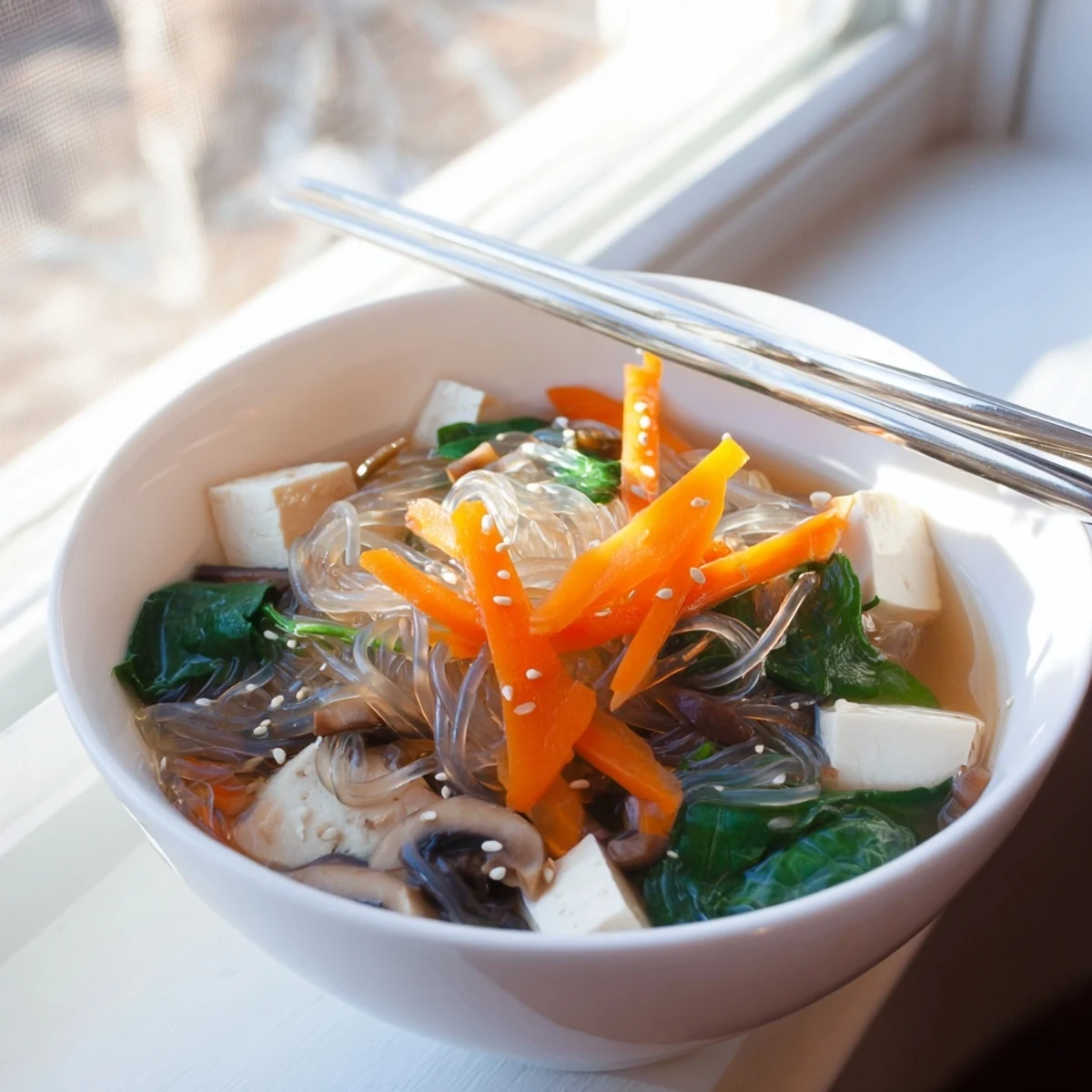
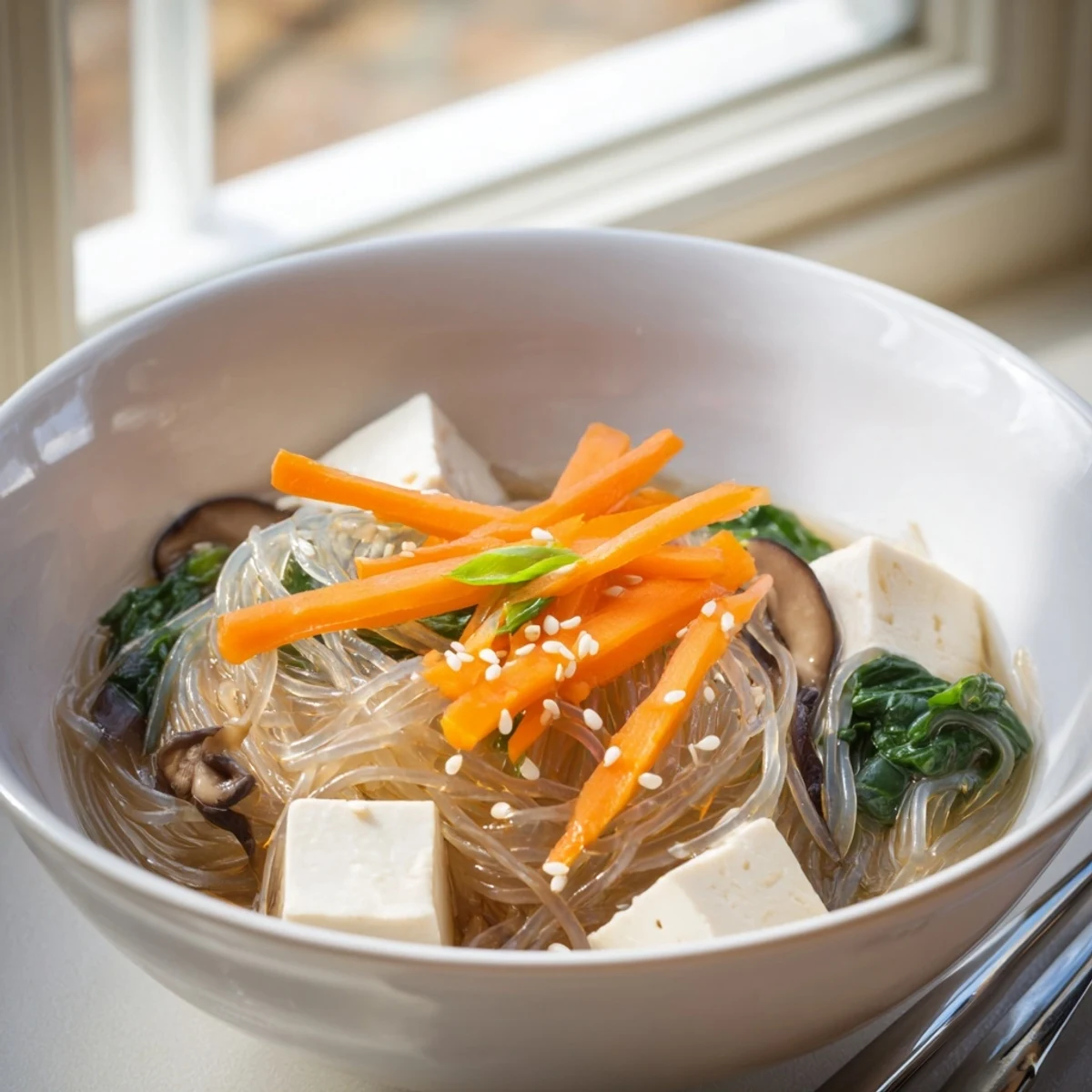
Save This Japanese Harusame Noodle Soup combines delicate glass noodles with crisp vegetables in a warm, savory dashi broth. The dish comes together in just 25 minutes, making it ideal for weeknight dinners or light lunches. julienned carrots and shiitake mushrooms add texture while baby spinach provides freshness. Firm tofu cubes offer protein, though you can substitute shredded chicken if desired. The broth balances soy sauce, mirin, and sesame oil for authentic umami flavor.
Harusame noodles are naturally gluten-free and quick-cooking, requiring only a brief soak in boiling water. Garnish with toasted sesame seeds and fresh spring onion for added aroma and crunch. The soup is dairy-free and low-fat, fitting easily into various dietary preferences while delivering satisfying comfort.
Steam was already fogging up my tiny apartment windows when I first made this soup. I had discovered harusame noodles in the back of an Asian market aisle and decided to experiment. Something about those translucent strands promised a lighter, gentler kind of comfort than the heavy ramen bowls I was used to.
My roommate kept wandering into the kitchen, drawn by that sesame and dashi fragrance that somehow fills every corner of a room. We ended up eating huddled over steaming bowls on the couch while watching rain streak down the windows. Now whenever gray weather rolls in, I reach for glass noodles without even thinking about it.
Ingredients
- 5 cups dashi stock: The soul of Japanese cooking, but chicken or vegetable broth works beautifully in a pinch
- Harusame noodles: These delicate glass noodles soak up flavor while maintaining a satisfying springy texture
- Shiitake mushrooms: Fresh slices add an earthy depth that makes the broth taste like its been simmering for hours
- Firm tofu: Cubed tofu provides gentle protein without overpowering the delicate broth
Instructions
- Build the broth foundation:
- Combine dashi, soy sauce, mirin, sesame oil, and salt in a large saucepan over medium heat, letting it come to a gentle simmer. This creates that perfect balance of salty, sweet, and nutty.
- Soften the aromatics:
- Add julienned carrots and sliced shiitake mushrooms, letting them simmer for 5 minutes until they just begin yielding to the touch. Watch how the mushrooms release their earthy essence into the liquid.
- Prep the noodles separately:
- While vegetables cook, cover harusame noodles with boiling water in a heatproof bowl for 4 to 5 minutes until tender. This prevents them from overcooking and getting mushy in the soup.
- Add final touches:
- Toss in tofu cubes for 2 minutes, then wilt spinach or bok choy for just 1 minute to keep it vibrant. Divide drained noodles among bowls and ladle the steaming broth and vegetables over them.
 Save
Save Last winter, my friend who swore she hated soup asked for seconds. Watching her carefully tilt the bowl to get every drop reminded me why simple food often becomes the most memorable.
The Broth Secret
I learned that the broth needs to taste slightly oversalted on its own since the noodles will absorb some of that seasoning as they sit. Adding a final drizzle of sesame oil right before serving makes everything sing.
Noodle Timing
Harusame can go from perfectly tender to a tangled mess in seconds. Set a timer and taste them frequently during that last minute of soaking.
Make It Your Own
This soup gracefully welcomes additions without losing its character. Wakame seaweed adds a lovely brininess, while enoki mushrooms create these beautiful floating clusters in the broth.
- Try shichimi togarashi for a gentle warming kick
- Shredded chicken transforms it into a more substantial meal
- Extra spring onions never hurt anyone
 Save
Save There is something profoundly grounding about a bowl of broth this clear and bright. It reminds me that comfort does not always need to be heavy.
Recipe FAQs
- → What are harusame noodles?
-
Harusame are Japanese glass noodles made from mung bean starch, also known as mung bean vermicelli. They are transparent, gluten-free, and have a delicate texture that absorbs flavors beautifully in soups and stir-fries.
- → Can I make this soup vegetarian?
-
Yes, simply substitute traditional dashi stock with vegetable broth. Standard dashi is made with bonito flakes, but many supermarkets now offer vegetarian dashi alternatives or you can use quality vegetable stock as a base.
- → How do I store leftovers?
-
Store the broth and vegetables separately from the noodles in airtight containers in the refrigerator for up to 2 days. Glass noodles continue to absorb liquid and can become mushy, so keep them apart until ready to reheat and serve.
- → What can I add for more protein?
-
Besides firm tofu, you can add shredded cooked chicken, pork, or shrimp. For vegetarian options, try edamame beans, soft-boiled eggs, or extra mushrooms. Add protein during the last few minutes of simmering to heat through.
- → Is this soup spicy?
-
The basic version is mild and focuses on umami flavors. If you enjoy heat, add chili oil, fresh sliced chilies, or shichimi togarashi Japanese spice blend as garnish. Adjust spice level to your preference.
- → Can I use other vegetables?
-
Absolutely. Snow peas, bamboo shoots, corn, bean sprouts, or diced zucchini work well. You can also add wakame seaweed or enoki mushrooms for authentic Japanese flavor and texture. Adjust cooking times accordingly.