
 Save
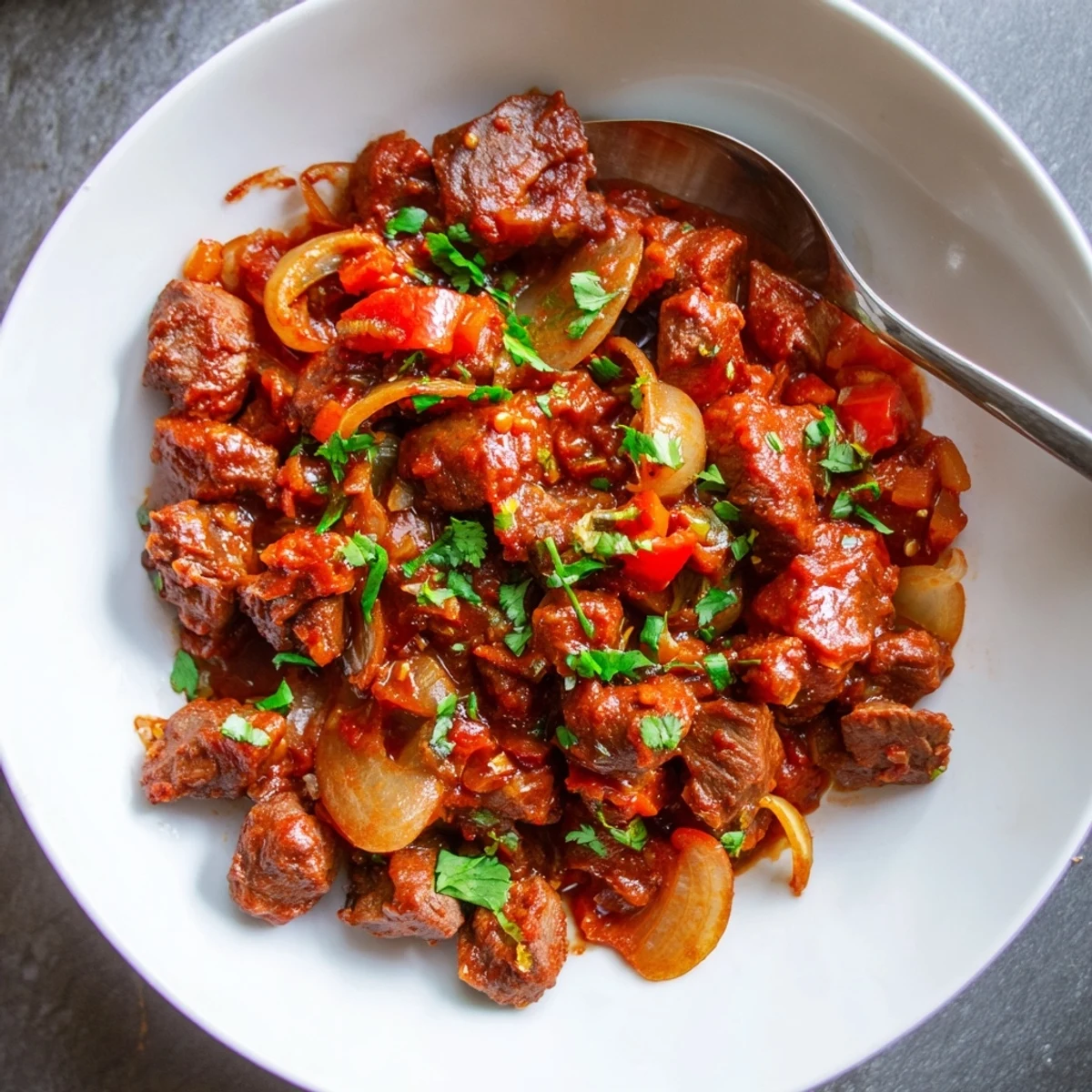
Save This beloved Kenyan dish transforms goat meat into a tender, aromatic delight through a slow simmering process. The meat is first boiled with aromatics until tender, then stir-fried with golden onions, fresh tomatoes, and warming spices like paprika, coriander, and turmeric. The result is a beautifully glossy coating that clings to each bite-sized piece.
The technique creates a perfect "wet" consistency - neither soupy nor dry - allowing the rich tomato-based sauce to coat every morsel. Fresh green chilies add subtle heat while cilantro brings brightness to finish.
Ready in just over an hour, this hearty main dish serves four and pairs wonderfully with traditional Kenyan sides like ugali, rice, or chapati for a complete, satisfying meal.
The smell of frying onions and spices hitting hot oil still takes me back to Sunday afternoons in Nairobi, where my neighbor would make this dish and the entire building knew something good was happening. I spent weeks trying to recreate that glossy, clinging sauce that makes goat meat unforgettable. My first attempt was too soupy, my second was dry as dust, but eventually I learned the rhythm of the wet fry, that perfect balance between sauce and steam.
I once made this for a dinner party using beef instead of goat, thinking nobody would notice the difference. One guest took one bite, looked at me with absolute betrayal, and asked where the real goat was. Lesson learned, some dishes have a soul that cannot be substituted, though the technique works beautifully with lamb if goat feels too adventurous.
Ingredients
- 1 kg goat meat: Cut into bite-sized pieces, preferably from the shoulder or leg for the best balance of flavor and tenderness
- 2 large onions: Finely sliced, half goes into the simmering pot, half gets fried until golden for that base sweetness
- 3 medium tomatoes: Diced, they break down into the sauce and provide the body that makes this fry wet rather than dry
- 2 cloves garlic: Minced fresh, because garlic powder cannot replicate that sharp aromatic punch
- 1 thumb-sized piece ginger: Minced, peel it first and chop it small so it disperses evenly through the sauce
- 2–3 green chilies: Sliced, leave them out if you prefer mild, but the heat cuts beautifully through the rich meat
- ½ bunch fresh coriander: Chopped, stir it in at the very end so it stays bright and fresh
- 3 tbsp vegetable oil: You need enough to properly fry the onions without scorching them
- 1 tsp salt: Split between the boiling and frying stages, but taste as you go because goat meat varies in saltiness
- 1 tsp black pepper: Freshly ground if possible, it adds that gentle background warmth
- 1 tsp paprika: For color and a mild sweetness that balances the spices
- 1 tsp ground coriander: Earthy and citrusy, it grounds the dish and ties the fresh coriander garnish back into the sauce
- ½ tsp turmeric powder: Optional, but it gives the sauce that beautiful golden hue
- 200 ml water: Just enough to simmer the meat tender without drowning it
Instructions
- Simmer the goat meat until tender:
- Rinse the goat meat and place it in a large saucepan with half the onions, garlic, ginger, and half the salt. Add just enough water to cover the meat, bring to a boil, then lower the heat and simmer covered for 25 to 30 minutes until most of the water has absorbed and the meat is yielding.
- Fry the onions until golden:
- Heat the oil in a heavy-bottomed pan over medium-high heat, add the remaining onions, and cook them until they turn a deep golden brown. This is where the color and depth of the sauce begins.
- Build the tomato base:
- Add the diced tomatoes and green chilies to the fried onions, sautéing until the tomatoes break down completely and the mixture thickens into a glossy paste.
- Coat the meat in spice:
- Add the cooked goat meat along with any remaining juices from the pan, then stir in the paprika, ground coriander, black pepper, turmeric if using, and the remaining salt. Cook uncovered, stirring frequently, for 10 to 15 minutes until the sauce clings to the meat in that signature wet consistency.
- Finish with fresh coriander:
- Taste and adjust the seasoning if needed, then stir in the chopped fresh coriander and cook for just 1 to 2 minutes more to wilt it slightly without losing its bright flavor.
 Save
Save My aunt once told me that goat wet fry tastes better the second day, once the spices have had time to really marry into the meat. I tested this theory and found myself eating cold leftovers straight from the fridge at midnight, completely converted to her philosophy.
Getting the Texture Right
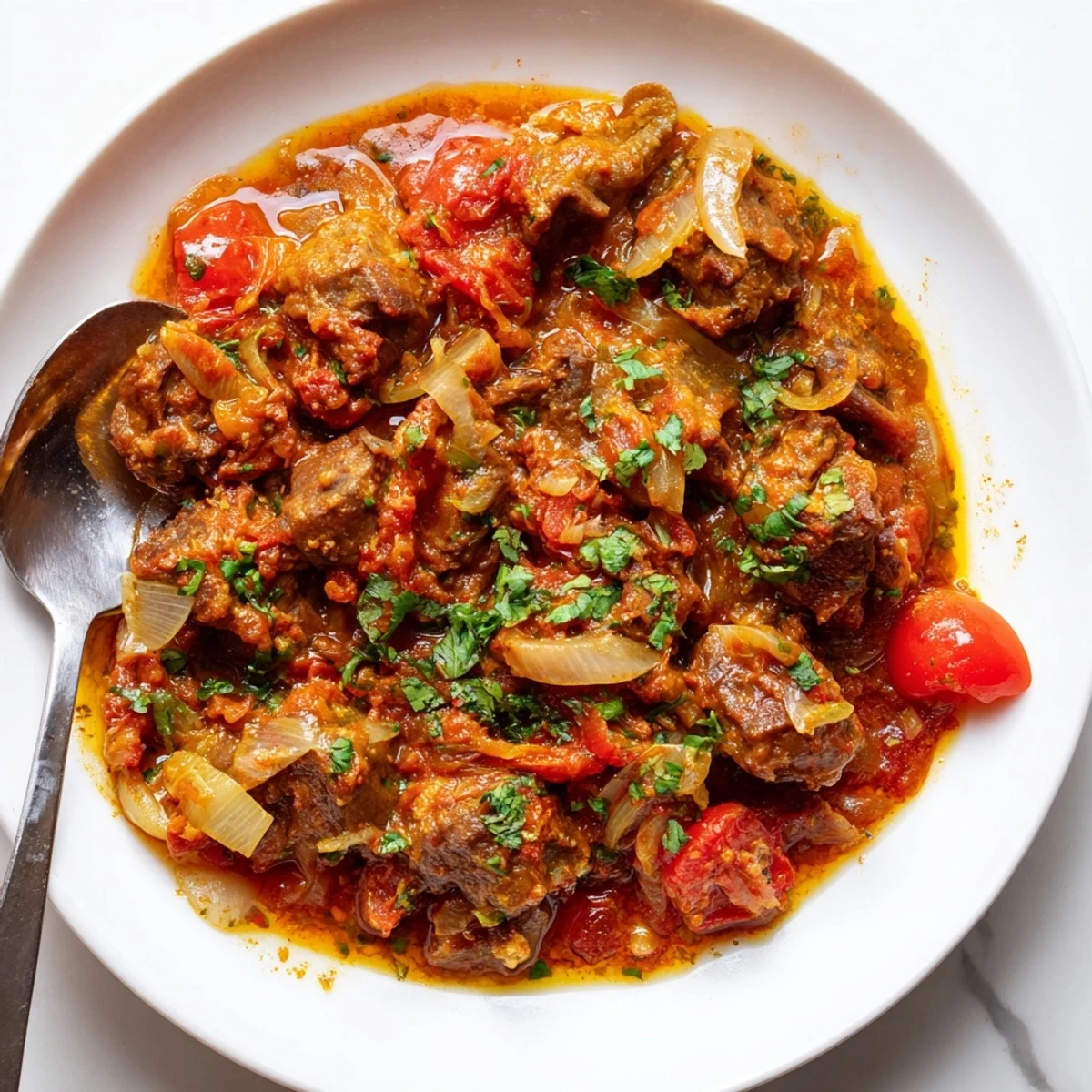
The sauce should coat the back of a spoon without dripping off immediately, thick enough to cling but loose enough to soak into ugali or rice when you press a bite of meat into it. If it is too thick, splash in a tablespoon of water and let it simmer for another minute.
Choosing the Right Cut
Shoulder and leg cuts have enough marbling to stay juicy through the long simmer, while leaner cuts might dry out even with all that sauce. Ask your butcher for pieces meant for stewing rather than quick grilling.
Serving Suggestions
Ugali is the traditional partner, its mild creaminess balancing the bold spices perfectly, but rice works just as well to soak up every drop of sauce. Chapati adds a lovely soft contrast, especially if you tear pieces and scoop the meat directly.
- Warm your serving plates because the sauce holds heat better than you expect
- Offer extra chilies on the side for guests who like more fire
- Make more than you think you need because seconds are inevitable
 Save
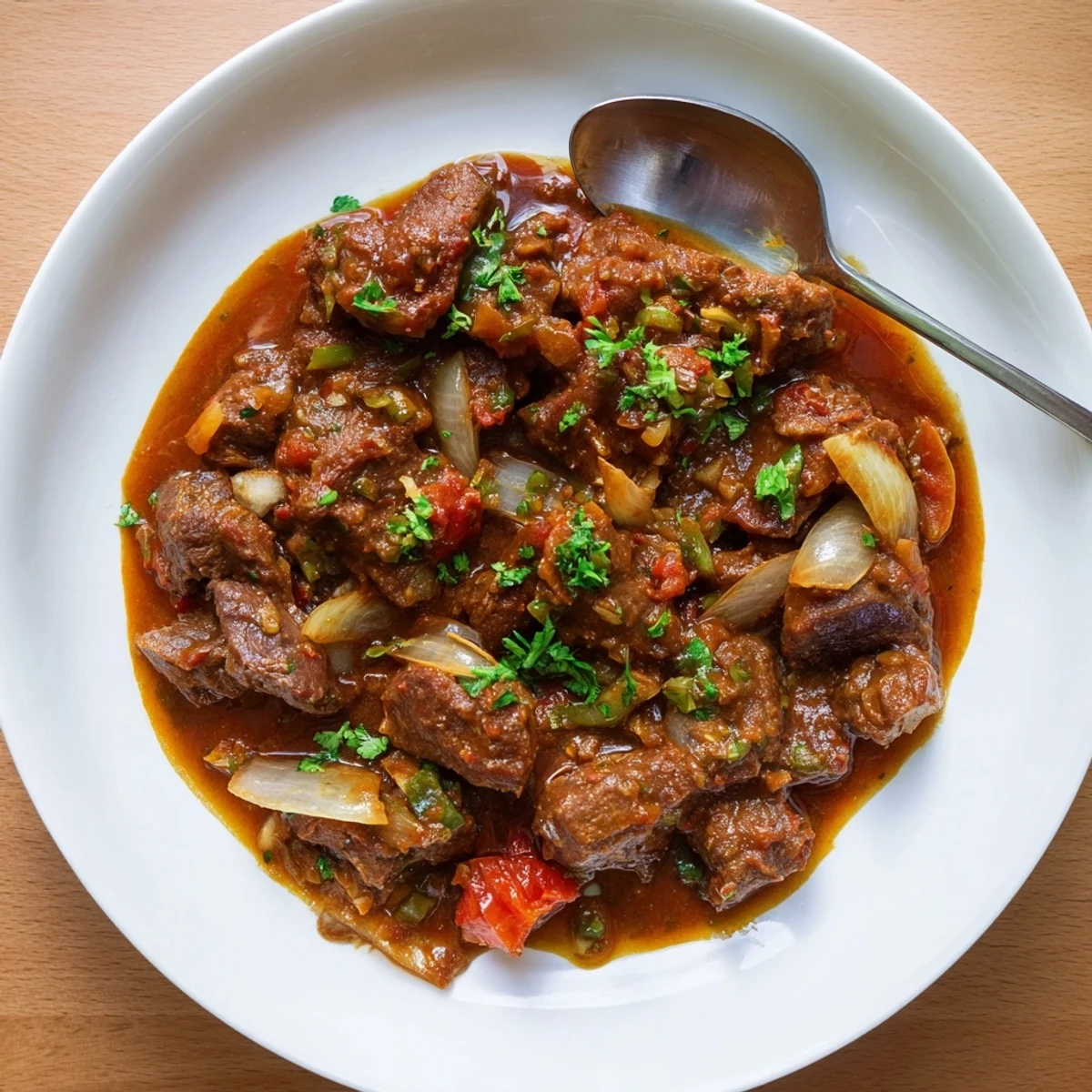
Save Some dishes are just recipes, but this one is a Sunday gathering, a reason to linger at the table, and proof that the best food often comes from the simplest ingredients treated with patience and respect.
Recipe FAQs
- → What cut of goat meat works best?
-
Shoulder or leg cuts with moderate marbling yield the most tender results. The meat should be trimmed of excess fat but retain enough for flavor and moisture during the long simmering process.
- → Can I make this less spicy?
-
Absolutely. Simply reduce or omit the green chilies. The remaining spices provide depth without significant heat, making the dish approachable for all palates while maintaining authentic flavor.
- → What does "wet fry" mean?
-
Wet fry refers to the cooking technique where meat is fried in a small amount of liquid sauce rather than dry-fried. This creates a rich, glossy coating that's not soupy but provides substantial sauce for coating sides like ugali.
- → How do I know when the sauce is ready?
-
The sauce is ready when it thickens enough to coat the back of a spoon and cling to the meat pieces. It should appear glossy and rich, with most liquid reduced but the mixture still moist and spoonable.
- → What traditional sides complement this dish?
-
Ugali (cornmeal porridge) is the classic pairing, though steamed rice and warm chapati flatbread work equally well. The neutral sides balance the rich, spiced meat while soaking up the flavorful sauce.
- → Can I prepare this in advance?
-
The flavors actually deepen when made ahead. Prepare completely, cool, and refrigerate for up to 2 days. Reheat gently over low heat, adding a splash of water if the sauce has thickened too much.