
 Save
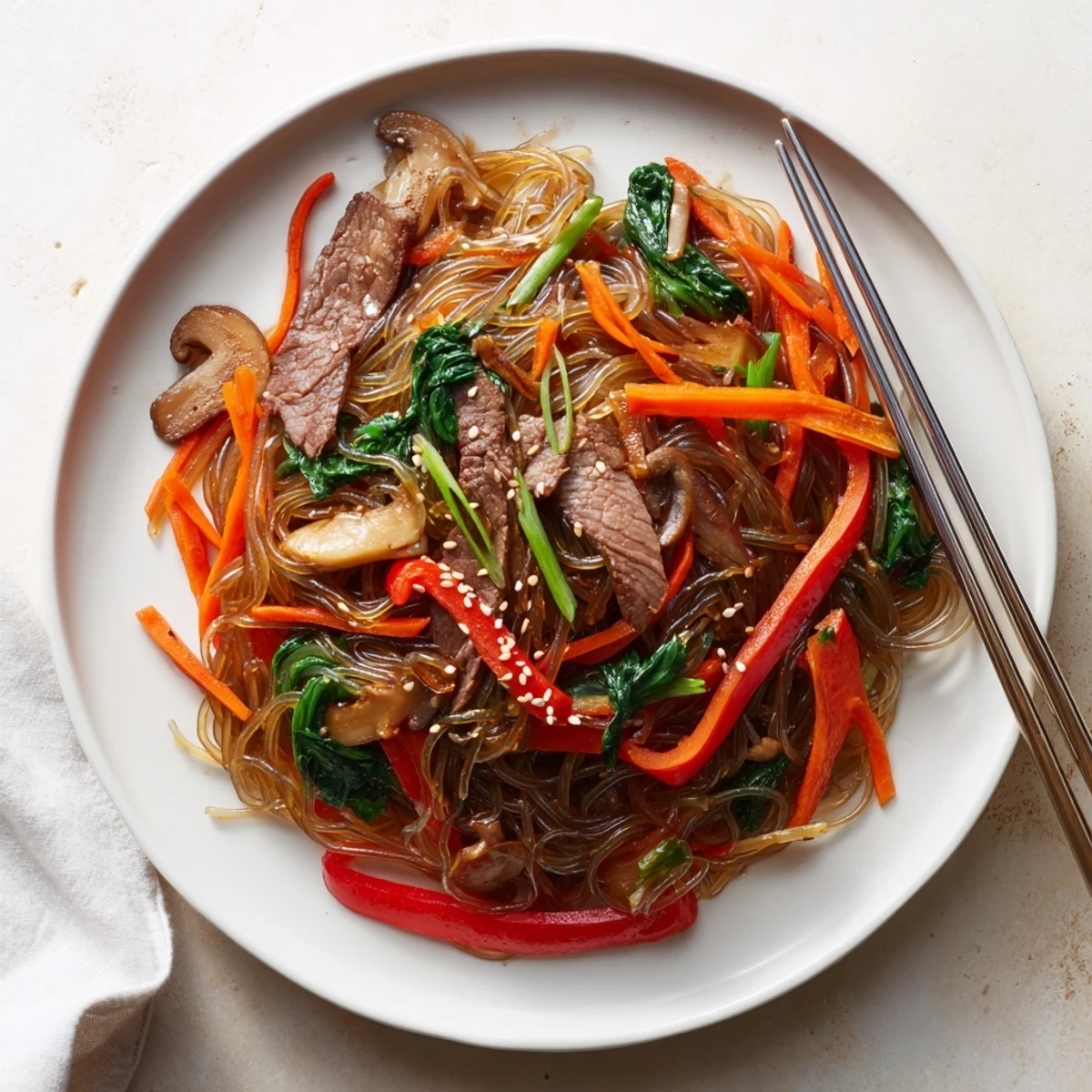
Save This Korean-style beef and noodle dish features tender marinated flank steak, springy sweet potato glass noodles (dangmyeon), and vibrant vegetables including carrots, bell peppers, shiitake mushrooms, and baby spinach. The components are stir-fried together in a rich, savory sauce made with soy sauce, brown sugar, gochujang Korean chili paste, mirin, sesame oil, garlic, and fresh ginger. The beef is first coated with cornstarch for a silky texture and quickly seared, while the noodles provide a satisfying chew that perfectly absorbs the bold Korean flavors.
The first time I made Korean beef noodles, my apartment filled with this incredible aroma of sesame and garlic that had my roommate hovering around the kitchen like a shark. We ended up eating straight from the wok, standing over the stove because neither of us could wait the extra thirty seconds to portion it onto actual plates. The slippery chew of those sweet potato noodles against the tender beef is something I still dream about on busy weeknights.
Last winter, my sister was recovering from surgery and I brought over a huge container of these noodles. She took one bite and actually teared up, not from the spice but because comfort food just hits different when youre feeling low. Now its the first thing she asks for whenever anyone offers to bring her dinner, and honestly, its become my go-to for friends who need feeding.
Ingredients
- 400 g flank steak or sirloin, thinly sliced: Freezing the beef for twenty minutes makes it so much easier to shave into those thin, tender pieces that cook quickly
- 1 tbsp soy sauce, 1 tbsp cornstarch, and 1 tsp sesame oil: This simple marinade creates the most velvety texture on the beef, almost like what you get at a restaurant
- 300 g Korean sweet potato glass noodles: These have this incredible bouncy chew that regular noodles just cant match, though rice noodles work in a pinch
- 2 tbsp vegetable oil: You need high heat cooking oil for proper stir-frying, and this much ensures nothing sticks to your pan
- 1 medium carrot, julienned: The crunch and subtle sweetness from carrots cuts through the rich sauce beautifully
- 1 red bell pepper, thinly sliced: I love the pop of color and the fresh flavor it brings to the dish
- 1 cup shiitake mushrooms, sliced: These little guys soak up all that savory sauce and become these umami bombs in every bite
- 3 scallions, sliced: The white parts go into the stir-fry for depth, and save the green tops for garnish at the end
- 2 cups baby spinach: It wilts down into almost nothing but adds this lovely fresh element and pretty color
- 4 tbsp soy sauce: This is your salt and depth, the foundation that makes everything taste complete
- 2 tbsp brown sugar: The sweetness balances all that salt and creates this gorgeous caramelized glaze on the noodles
- 1 tbsp gochujang: Start here and adjust, because this fermented chili paste brings so much more than just heat
- 2 tbsp mirin or rice wine: A little sweetness and acidity that makes the sauce taste professionally balanced
- 2 tsp sesame oil: This is your finishing flourish, that nutty aroma that tells you youre eating something special
- 2 cloves garlic, minced: Fresh garlic is non-negotiable here, the jarred stuff just wont give you the same punch
- 1 tsp freshly grated ginger: Use a microplane if you have one, you want it practically dissolved into the sauce
- 1 tbsp toasted sesame seeds and extra scallions: These arent optional, theyre the crunch and fresh bite that makes the dish look and taste complete
Instructions
- Prep the beef:
- Toss the sliced beef with soy sauce, cornstarch, and sesame oil until every piece is coated. Let it hang out while you chop everything else, and youll notice the meat becoming more tender as it sits.
- Cook the noodles:
- Boil them according to the package, then immediately rinse under cold water to stop the cooking and keep them from clumping together. Trust me, this step is worth the extra dish.
- Whisk the sauce:
- Combine all your sauce ingredients in a small bowl and whisk until the sugar has completely dissolved. Give it a taste and adjust now, because once its in the pan, its too late.
- Sear the beef:
- Get your pan seriously hot over medium-high heat, add half the oil, and spread the beef in a single layer. Let it develop a nice brown crust before flipping, about two to three minutes total, then remove it from the pan.
- Cook the vegetables:
- Add the remaining oil to the hot pan and toss in your carrots, peppers, and mushrooms. Stir-fry for three to four minutes until theyre tender-crisp and smell amazing.
- Bring it all together:
- Return the beef to the pan, then add the noodles, spinach, and that beautiful sauce you made. Toss everything with tongs for two to three minutes until the sauce coats every strand and the spinach is perfectly wilted.
- Finish and serve:
- Top with sesame seeds and those fresh scallion greens you saved earlier, then serve immediately while the noodles are still hot and slippery.
 Save
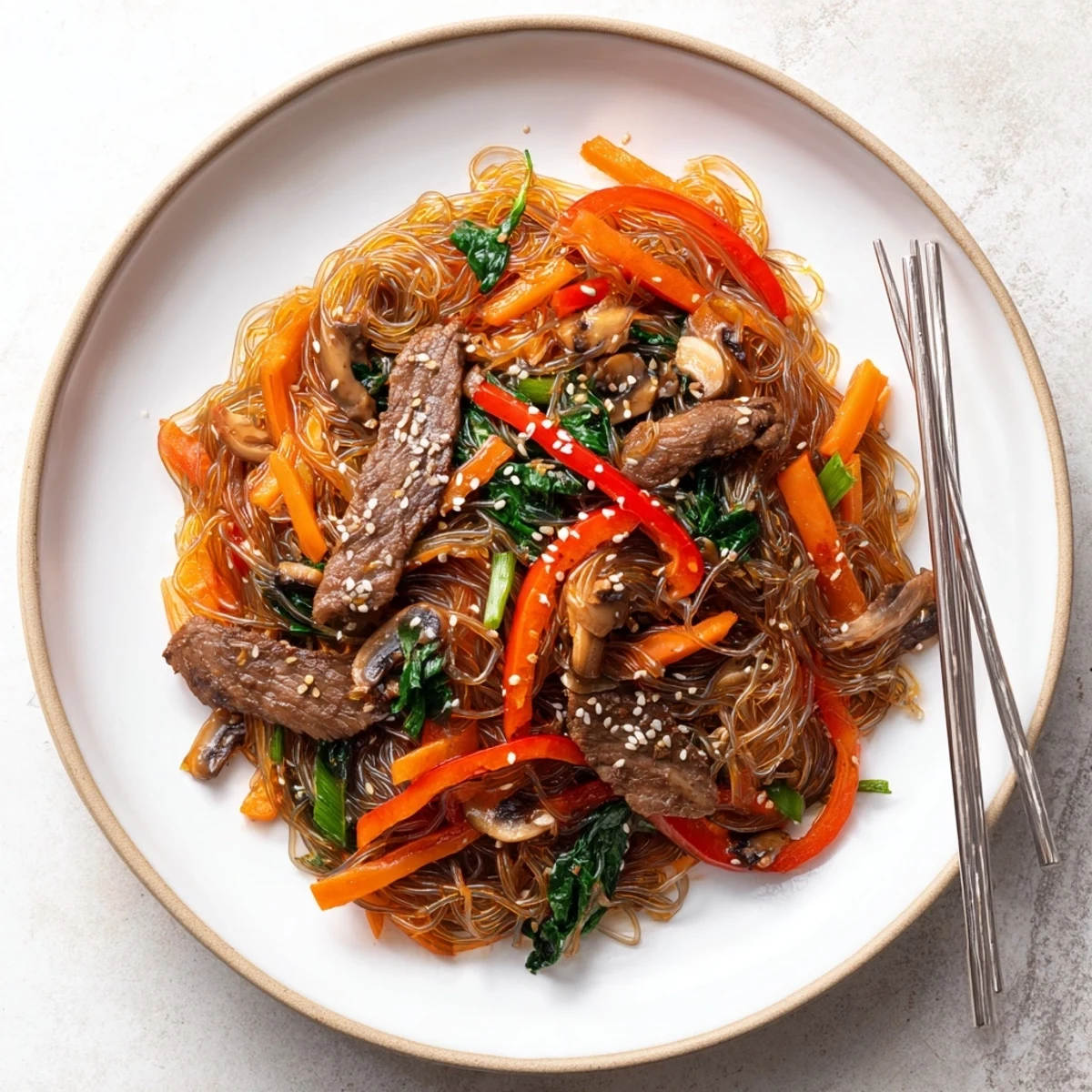
Save My dad usually sticks to his classic spaghetti but when I made these for him last month, he quietly went back for thirds. That silent endorsement means more than any compliment he could have voiced, and now he texts me every week asking when were having Korean noodles again.
Making It Your Own
Once youve got the basic technique down, this recipe becomes a template for whatever you have in the fridge. Ive made it with thinly sliced chicken, firm tofu cubes that get golden and crispy, and even just loaded up on extra vegetables when meat wasnt in the budget. The sauce works with literally anything, so dont be afraid to experiment.
The Noodle Situation
Those sweet potato glass noodles are worth seeking out at an Asian market, but Ive definitely made this with udon, spaghetti, and even rice vermicelli in a pinch. Each noodle brings a different personality to the dish. The glass noodles have that signature bounce, udon makes it heartier, and rice noodles keep it light while still soaking up all that sauce.
Leftovers and Meal Prep
This recipe actually gets better after a night in the fridge, when all those flavors have had time to really mingle and get to know each other. The noodles will absorb more of the sauce, so I usually splash in a little extra soy sauce when reheating. Pack individual containers for lunch and everyone at the office will be asking what smells so incredible.
- Add a splash of water or broth when reheating to loosen up the noodles
- Fresh spinach is best, but frozen works in a pinch, just thaw and squeeze out excess water
- Double the sauce recipe if you love your noodles on the saucy side
 Save
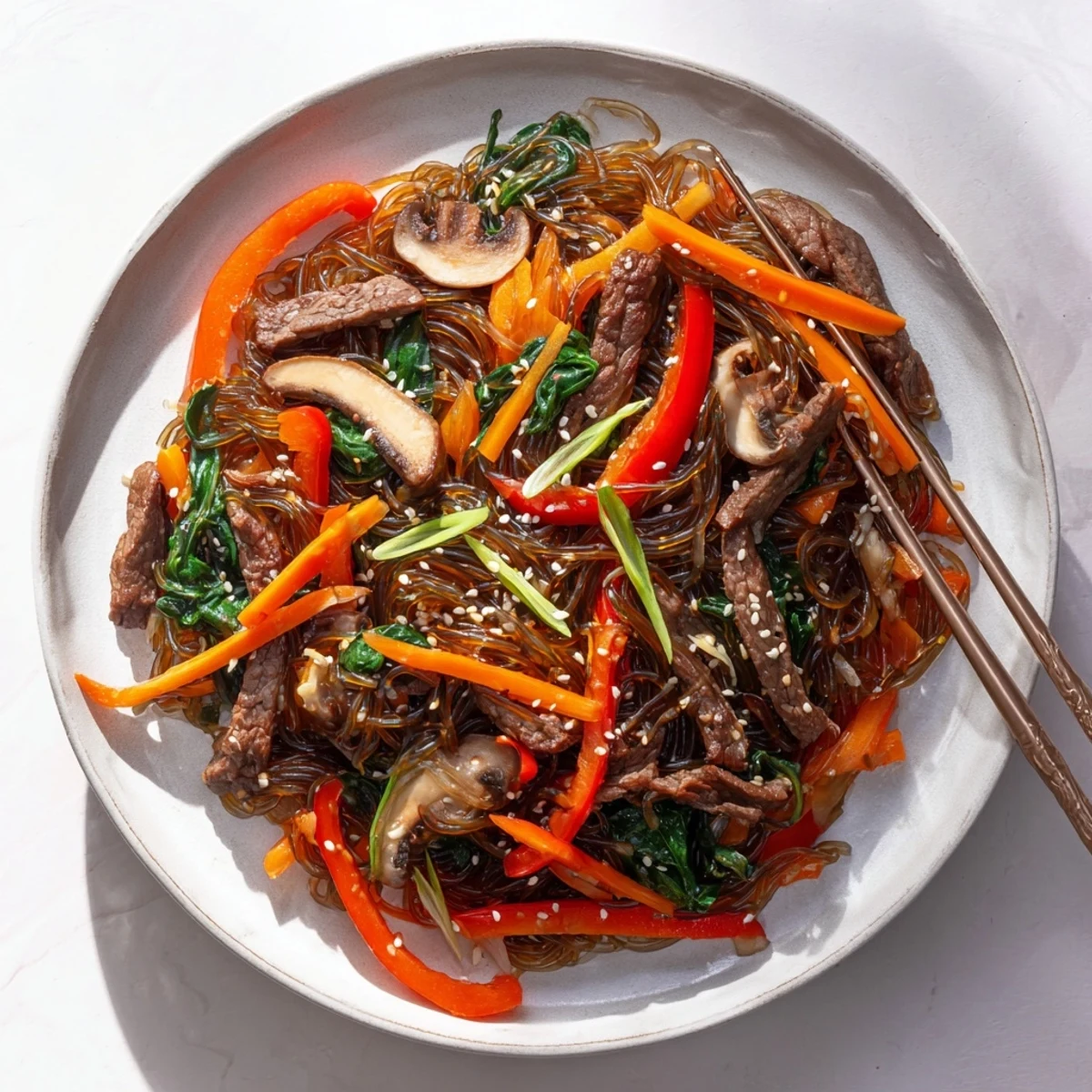
Save Theres something so satisfying about slurping these noodles, sauce splashing a little, completely abandoning table manners because the food is just that good. Make this for someone you love, or just for yourself on a Tuesday night, because you absolutely deserve it.
Recipe FAQs
- → What type of noodles work best for this dish?
-
Korean sweet potato glass noodles (dangmyeon) are traditional and provide the perfect springy texture. Rice noodles make an excellent gluten-free alternative if needed.
- → Can I make the sauce spicier?
-
Absolutely. Increase the gochujang amount or add red pepper flakes to the sauce mixture for more heat. Adjust gradually to find your preferred spice level.
- → What's the best cut of beef to use?
-
Flank steak or sirloin work beautifully. Slice the beef thinly against the grain for maximum tenderness. Freezing the meat for 20 minutes makes slicing easier.
- → Can I prepare this dish ahead of time?
-
You can slice the vegetables and prepare the sauce up to a day in advance. Cook the beef and noodles just before serving for the best texture and flavor.
- → What protein alternatives can I use?
-
Sliced chicken breast, pork loin, or firm tofu work well as substitutes. Adjust cooking times accordingly—chicken and pork need similar cooking to beef, while tofu only needs 2-3 minutes.
- → How do I store leftovers?
-
Store in an airtight container in the refrigerator for up to 3 days. Reheat gently in a skillet with a splash of water to refresh the noodles.