
 Save
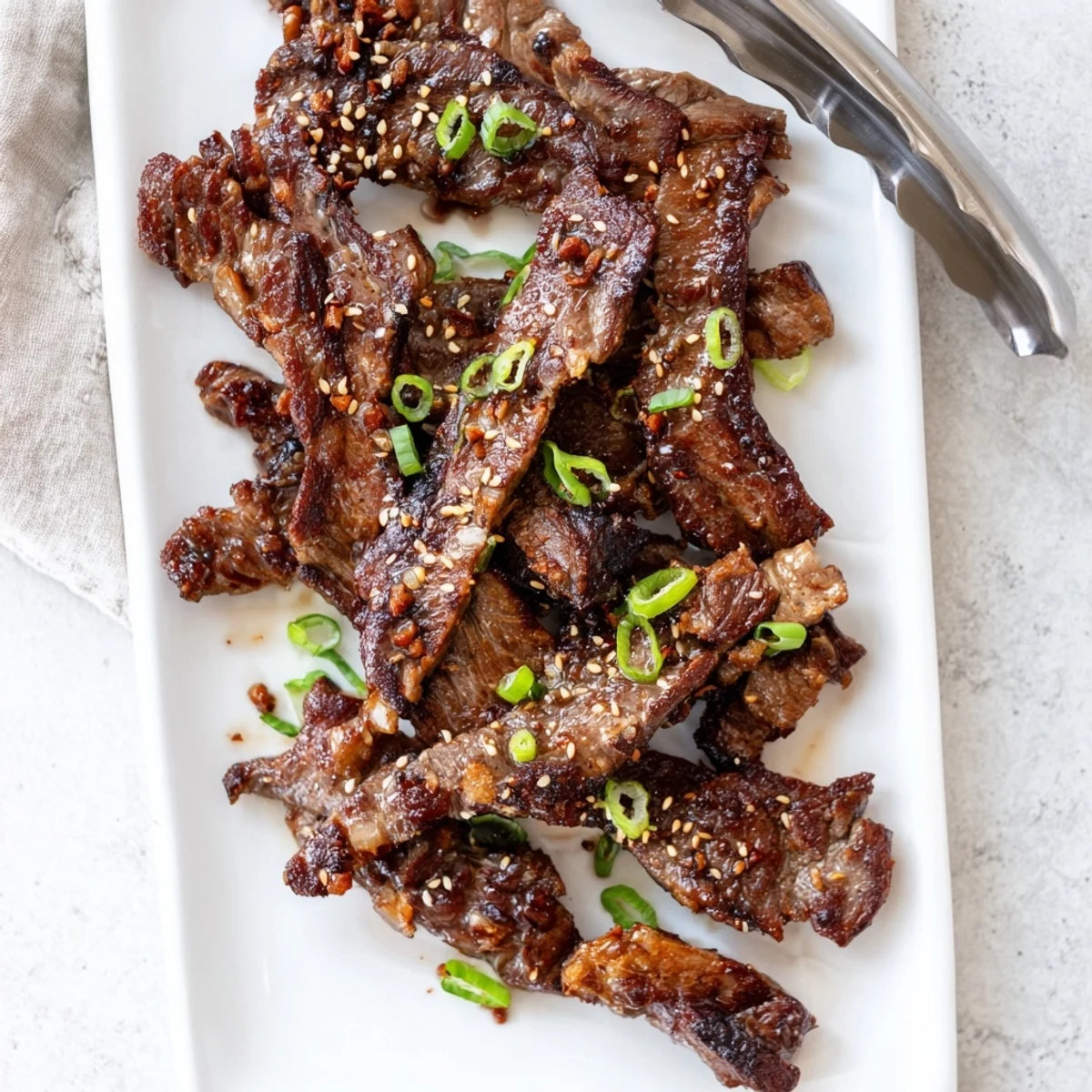
Save These Korean-style beef short ribs feature a rich marinade of soy sauce, brown sugar, honey, mirin, sesame oil, garlic, ginger, and grated Asian pear. The fruit enzymes naturally tenderize the meat while adding subtle sweetness. After marinating for at least 4 hours, the ribs develop deep umami flavors that caramelize beautifully on the grill.
Grilling creates smoky char edges while keeping the interior juicy and tender. The result is a classic Korean dish with layers of savory, sweet, and nutty notes. Perfect for summer barbecues or special occasions, these ribs pair wonderfully with steamed rice and kimchi for an authentic dining experience.
The smell of caramelized soy sauce hitting a hot grill always pulls me back to my first taste of real Korean barbecue. I had ordered galbi at this tiny family-run place, and when the server brought out the sizzling platter, the whole table fell silent for a moment. That first bite changed how I thought about ribs forever, and I have been chasing that flavor in my backyard ever since.
Last summer, I made these ribs for my neighbors annual block party and watched something wonderful happen. People who usually stuck to hamburgers were hovering around the grill, asking questions about the smell. By the time I brought the platter over, the galbi disappeared faster than anything else on the table, and now someone else requests them every single year.
Ingredients
- 2 lbs flanken-cut beef short ribs: The crosscut through the bone creates more surface area for that incredible marinade to work its way in
- 1/2 cup soy sauce: Use a quality brand here since it is the backbone of your seasoning
- 1/4 cup brown sugar plus 2 tbsp honey: This duo caramelizes beautifully on the grill and balances the saltiness
- 2 tbsp mirin: Adds a subtle sweetness that you just cannot get from sugar alone
- 2 tbsp sesame oil: Toasted sesame oil gives that authentic Korean depth and aroma
- 4 cloves garlic, minced: Fresh garlic is non-negotiable here, nothing else quite works
- 1 thumb-sized piece fresh ginger, grated: Grating releases all those aromatic oils that chopping misses
- 1 small Asian pear, grated: The enzymes actually tenderize the meat while adding natural sweetness
- 1/2 small onion, grated: Onion juice blends into the marinade better than chunks would
- 1/4 tsp freshly ground black pepper: Just enough to add another layer of complexity
- 2 green onions plus 1 tbsp toasted sesame seeds (in marinade): These infuse flavor while the ribs soak
- Additional green onion and sesame seeds for garnish: Fresh finishing touches make everything look restaurant-worthy
Instructions
- Rinse and prep the ribs:
- Give those beef short ribs a thorough rinse under cold water to wash away any bone fragments from the cutting process, then pat them completely dry with paper towels.
- Build your marinade:
- Whisk together the soy sauce, brown sugar, honey, mirin, sesame oil, garlic, ginger, grated pear, grated onion, black pepper, green onions, and sesame seeds until the sugar has fully dissolved into the liquid.
- Coat and refrigerate:
- Add the ribs to the marinade and turn each piece until thoroughly coated, then cover the bowl and refrigerate for at least four hours or overnight if you can plan ahead.
- Get your grill ready:
- Preheat your grill or grill pan over medium-high heat until it is nice and hot, then lift the ribs from the marinade and let the excess drip off briefly.
- Grill to perfection:
- Cook the ribs for three to four minutes per side, watching for that gorgeous caramelization and slight char developing around the edges.
- Finish and serve:
- Transfer the ribs to a serving platter, scatter the fresh green onions and sesame seeds over the top, and bring them to the table while they are still sizzling hot.
 Save
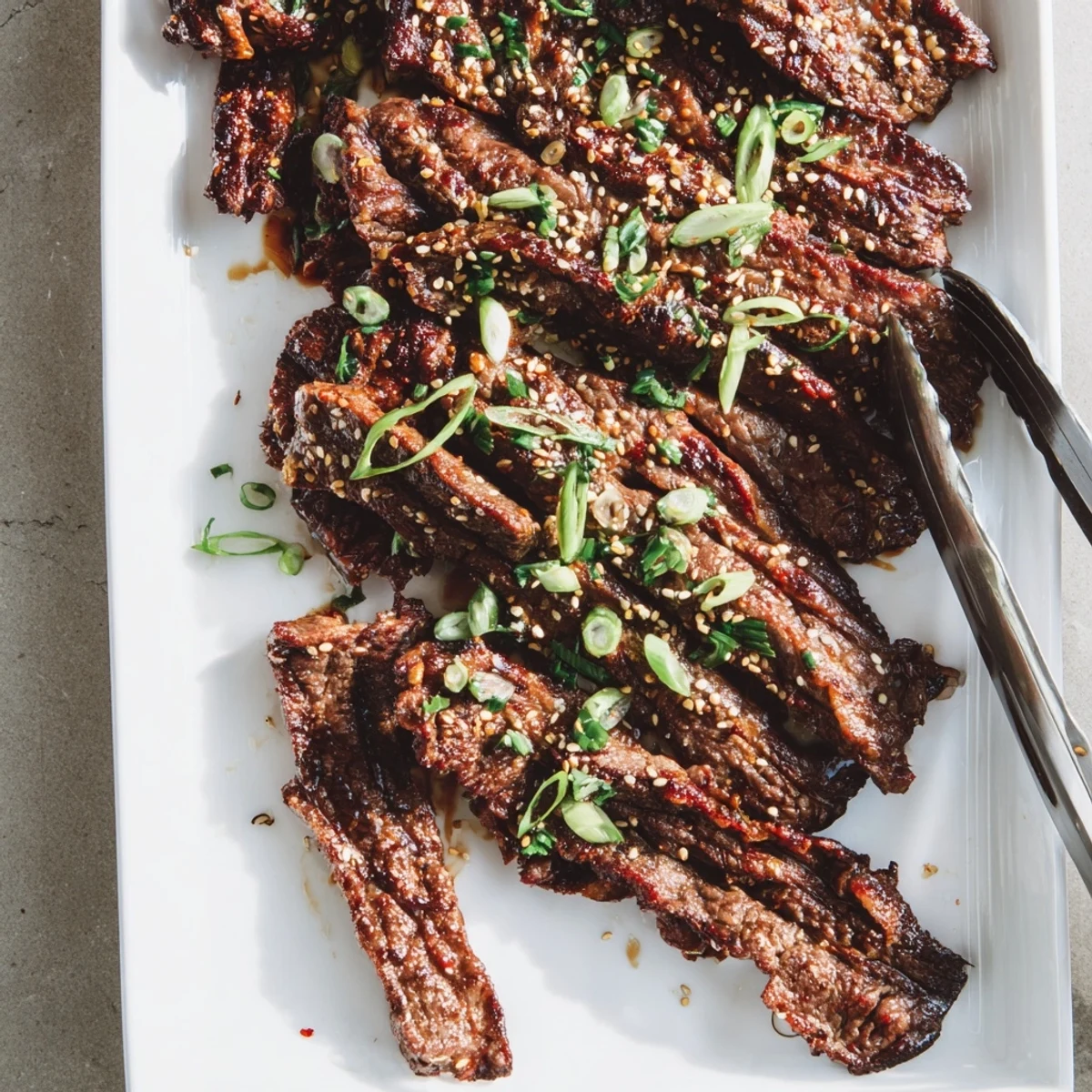
Save My daughter helped me grate the pear for the marinade last time, and she kept dipping her finger in to taste it at every stage. When the ribs finally came off the grill, she declared that this was the only way we were allowed to make beef from now on, and honestly, I cannot argue with that.
The Magic of Fruit in Marinades
I used to think fruit in meat marinades was just for sweetness until I learned about the enzymatic tenderizing that happens naturally. Korean cooks have known this secret for generations, and once you see how the pear breaks down the beef fibers, you will wonder why you ever bothered with powdered meat tenderizers.
Flanken Cut Matters
Regular English style short ribs just do not work the same way because the meat sits all on one side of the bone. Flanken cut crosses through the bone, giving you thin strips of meat with maximum exposure to the marinade and faster, more even cooking.
Serving It Right
Traditional Korean barbecue is meant to be a communal experience, so serve these ribs family style on a large platter with plenty of steamed rice and various banchan on the side. The contrast of the rich, sweet beef against cold, crisp kimchi is absolutely perfect.
- Set out lettuce leaves and ssamjang for wrapping if you want the full Korean barbecue experience
- Have scissors at the table so guests can cut the ribs into bite sized pieces right off the bone
- Make extra rice because people will want to soak up every bit of that flavorful marinade
 Save
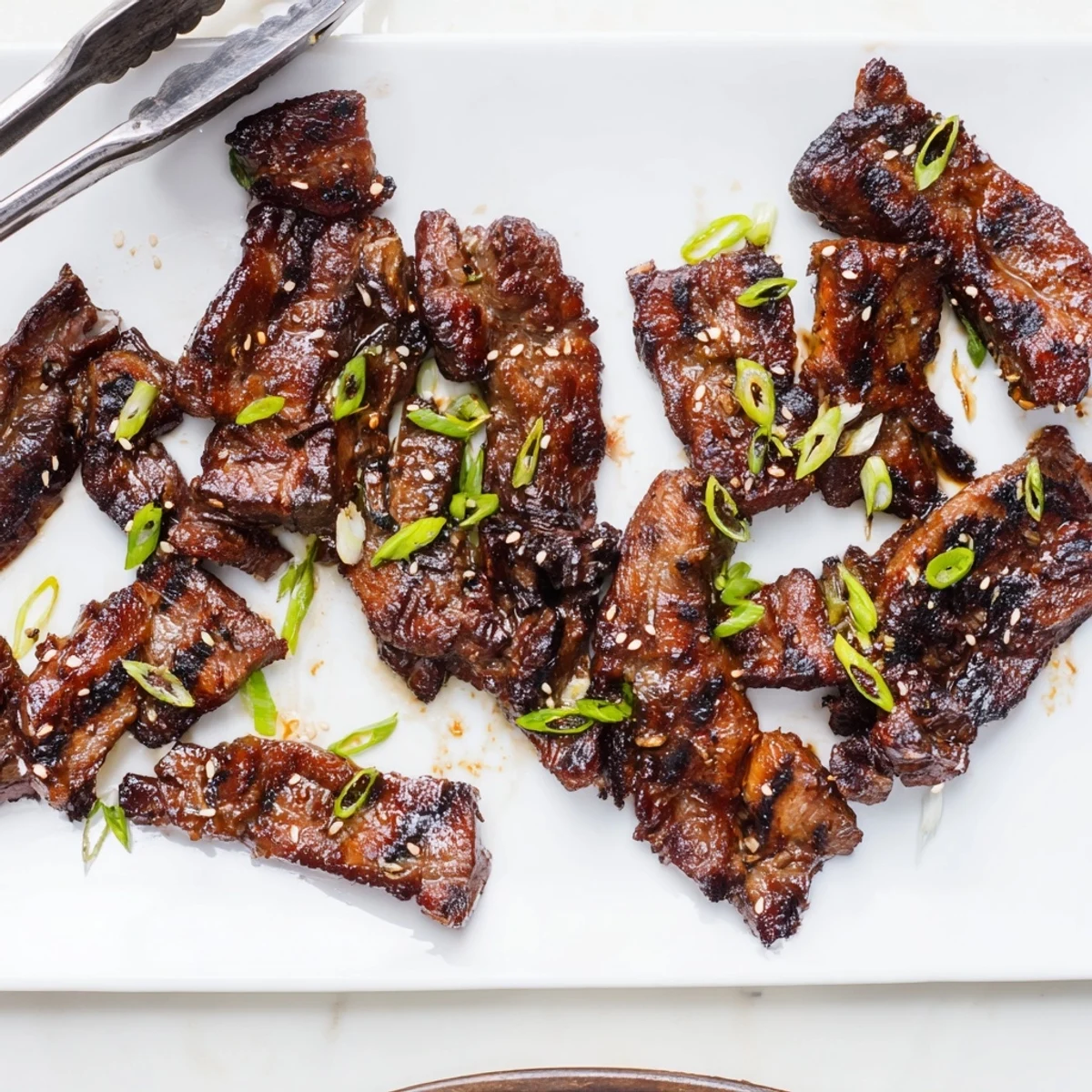
Save There is something deeply satisfying about cooking food that brings people together around the grill, conversation flowing as easily as the soju. These ribs always remind me that the best meals are the ones shared.
Recipe FAQs
- → What cut of beef works best for galbi?
-
Flanken-cut short ribs are traditional, cut across the bones into thin strips. This allows the marinade to penetrate deeply and ensures even cooking on the grill.
- → Why include Asian pear in the marinade?
-
The pear contains enzymes that naturally tenderize the meat while adding subtle sweetness. If unavailable, apple or kiwi makes an excellent substitute.
- → Can these be cooked indoors?
-
A grill pan or cast-iron skillet works well over medium-high heat. You'll still achieve caramelization, though outdoor charcoal adds authentic smoky flavor.
- → How long should the ribs marinate?
-
Minimum 4 hours, but overnight marinating yields the most tender and flavorful results. The longer marination allows the fruit enzymes to fully break down the meat fibers.
- → What traditional sides complement this dish?
-
Steamed white rice, fresh kimchi, and banchan like pickled vegetables or bean sprout salad create a complete Korean meal. Light lager or soju also pairs beautifully.
- → Can this be made gluten-free?
-
Simply substitute gluten-free soy sauce or tamari. All other ingredients are naturally gluten-free, making adaptation easy for dietary needs.