
 Save
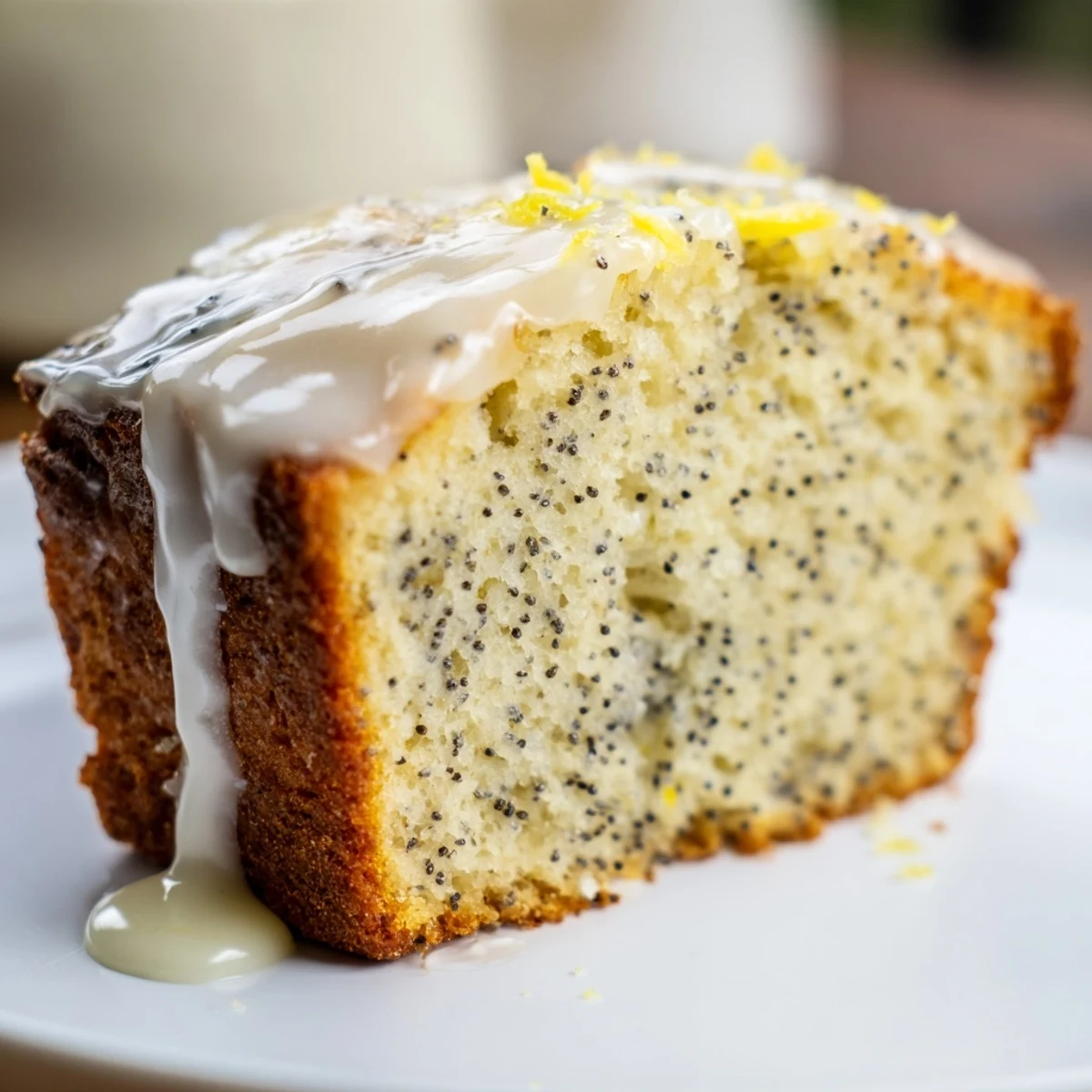
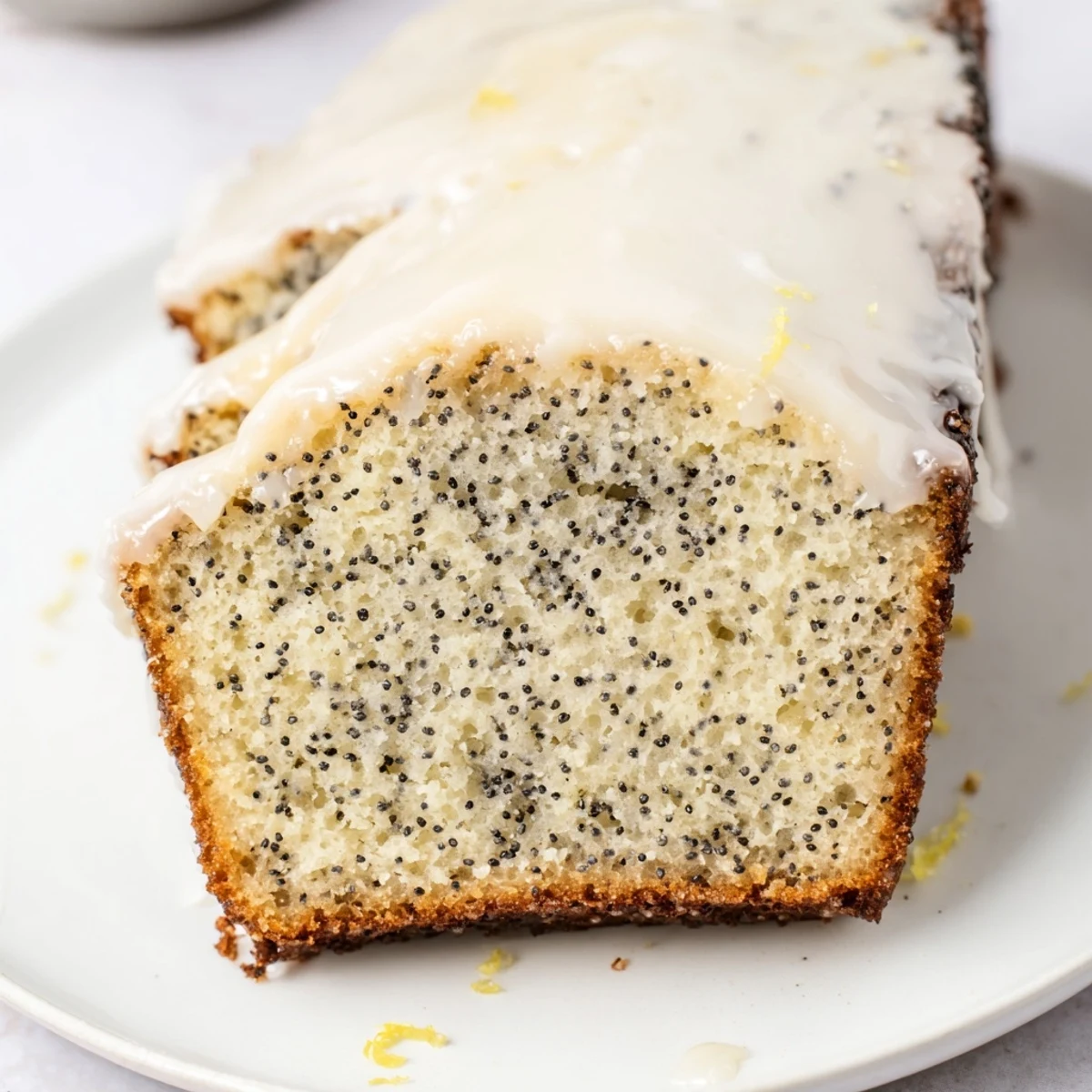
Save This loaf combines bright lemon zest with crunchy poppy seeds for a moist, flavorful treat. A balance of tart lemon juice and creamy sour cream creates a tender crumb. The batter is gently folded to avoid overmixing, ensuring soft texture. Baking to golden perfection in a lined pan, it can be glazed with tangy lemon drizzle for extra zest. Perfect for breakfast, afternoon tea, or dessert, this loaf is simple to prepare with easy-to-find ingredients and delivers a refreshing citrus bite with every slice.
I baked this loaf on a rainy Saturday when the house felt too quiet. The smell of lemon zest hitting warm butter pulled my neighbor to the door before the timer even went off. She stood in my kitchen with a mug of tea, and we ate half the loaf still warm, crumbs everywhere.
My sister requested this for her birthday instead of cake. We sat on the porch with thick slices and cold milk, and she said it tasted like the kind of treat you hide from everyone else. I made two the next week.
Ingredients
- All-purpose flour (1 3/4 cups or 220 g): The backbone of the loaf, giving it structure without heaviness.
- Poppy seeds (1 tablespoon): They add a gentle crunch and a faint nutty flavor that plays well with lemon.
- Baking powder (1 teaspoon): Lifts the batter so the loaf rises evenly and stays light.
- Baking soda (1/2 teaspoon): Works with the acid in the lemon juice and sour cream to create tenderness.
- Salt (1/4 teaspoon): Balances the sweetness and sharpens every other flavor.
- Granulated sugar (3/4 cup or 150 g): Sweetens without overwhelming the bright citrus notes.
- Large eggs (2, room temperature): Bind everything together and give the loaf a soft, cake-like crumb.
- Whole milk (1/2 cup or 120 ml): Adds moisture and richness without making the batter heavy.
- Sour cream or plain yogurt (1/2 cup or 120 ml): Creates the tender, melt-in-your-mouth texture that keeps people coming back.
- Unsalted butter (1/2 cup or 115 g, melted and cooled): Brings richness and helps the loaf stay moist for days.
- Lemon zest (from 2 lemons): This is where the magic lives, the oils in the zest are pure lemon intensity.
- Freshly squeezed lemon juice (1/4 cup or 60 ml): Adds bright acidity that makes every bite feel fresh.
- Pure vanilla extract (1 teaspoon): Rounds out the lemon with a warm, subtle sweetness.
- Powdered sugar (1 cup or 120 g, for glaze): Turns into a glossy, sweet drizzle that clings to every slice.
- Lemon juice for glaze (2 to 3 tablespoons): Thins the sugar into a pourable glaze with extra citrus punch.
Instructions
- Prep the Pan:
- Preheat your oven to 350°F (175°C) and grease a 9x5-inch loaf pan, then line it with parchment paper. This keeps the loaf from sticking and makes lifting it out effortless.
- Mix the Dry Ingredients:
- In a medium bowl, whisk together flour, poppy seeds, baking powder, baking soda, and salt until evenly distributed. Set it aside while you work on the wet ingredients.
- Whisk the Eggs and Sugar:
- In a large bowl, whisk the sugar and eggs for about 2 minutes until the mixture turns pale and slightly thick. This step builds airiness into the batter.
- Combine the Wet Ingredients:
- Add milk, sour cream, melted butter, lemon zest, lemon juice, and vanilla to the egg mixture. Whisk until everything is smooth and unified.
- Fold in the Dry Ingredients:
- Gently fold the dry mixture into the wet ingredients, stirring just until no streaks of flour remain. Overmixing will make the loaf dense and tough.
- Pour and Smooth:
- Pour the batter into the prepared loaf pan and smooth the top with a spatula. This helps the loaf bake evenly.
- Bake Until Golden:
- Bake for 45 to 55 minutes, or until a toothpick inserted in the center comes out clean. If the top browns too fast, tent it with foil during the last 10 minutes.
- Cool in Stages:
- Let the loaf cool in the pan for 15 minutes, then transfer it to a wire rack to cool completely. Patience here prevents a soggy bottom.
- Glaze (Optional):
- Whisk powdered sugar with lemon juice until smooth, then drizzle over the cooled loaf. The glaze adds sweetness and makes every slice look bakery-perfect.
 Save
Save I brought this loaf to a potluck once, and someone asked if I bought it from a fancy bakery. I laughed and said no, but I kept the compliment close. It became my go-to whenever I wanted to feel generous without much effort.
How to Store It
Wrap the loaf tightly in plastic wrap or foil and keep it at room temperature for up to 3 days. The sour cream keeps it soft even on day three. For longer storage, freeze individual slices wrapped in parchment and then foil, they thaw in minutes and taste just as good.
Ways to Change It Up
Swap Greek yogurt for the sour cream if you want a tangier bite. Add a teaspoon of lemon extract for even more citrus punch, or fold in a handful of blueberries for bursts of sweetness. Some people love adding almond extract instead of vanilla for a subtle nutty background.
Serving Ideas
This loaf shines at breakfast with coffee, or as an afternoon snack with tea. I like it plain, but it also pairs beautifully with whipped cream or a spoonful of lemon curd.
- Serve it warm with butter melting into the crumb.
- Top slices with fresh berries and a dusting of powdered sugar.
- Toast day-old slices for a crispy edge and soft center.
 Save
Save This loaf has saved me more times than I can count, from last-minute guests to quiet mornings when I needed something sweet. I hope it becomes one of those recipes you make without thinking, the kind that feels like home.
Recipe FAQs
- → What gives the loaf its lemon flavor?
-
The lemon flavor comes from fresh lemon zest and freshly squeezed lemon juice added to the batter, enhancing the citrus brightness.
- → How do poppy seeds affect the texture?
-
Poppy seeds add a subtle crunch and nutty undertone, providing a pleasant contrast to the moist crumb.
- → Can I substitute sour cream in the batter?
-
Yes, Greek yogurt works well as a substitute, adding a slightly tangier taste and maintaining moisture.
- → How to prevent the loaf from browning too quickly?
-
Cover the top loosely with foil during the last 10 minutes of baking to avoid over-browning.
- → What is the purpose of folding the dry ingredients gently?
-
Gently folding prevents overmixing, which helps maintain a tender texture and avoids a dense loaf.
- → Is the lemon glaze necessary?
-
The lemon glaze is optional but adds an extra layer of tangy sweetness and a shiny finish to the loaf.