
 Save
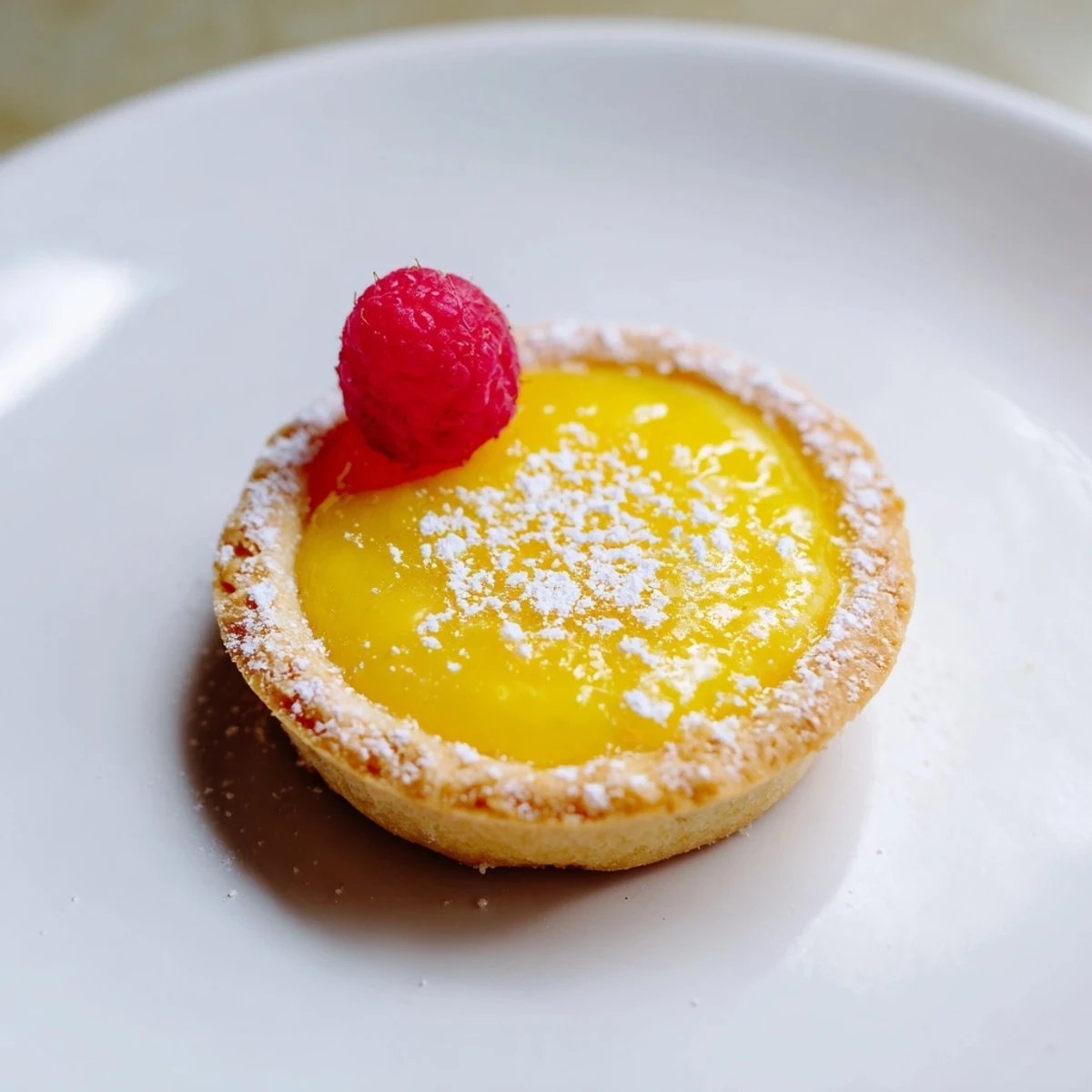
Save These lemon tartlets feature a crisp, buttery shell that complements the bright tanginess of freshly made lemon curd. The tartlet dough is prepared with cold butter and powdered sugar for a delicate, crumbly texture, then blind-baked until golden. The lemon curd is cooked gently over simmering water, creating a smooth, velvety filling with fresh lemon juice and zest. After setting in the refrigerator, the tartlets make a light yet flavorful dessert perfect for warm days or elegant gatherings, optionally garnished with fresh berries or powdered sugar for extra zest and color.
There's a moment in every baker's life when a single tartlet changes everything. Mine happened on a rainy afternoon when a neighbor dropped off Meyer lemons from her backyard tree, and I found myself standing in the kitchen with flour on my apron, determined to do them justice. The combination of buttery, crackle-thin shells and that glossy, sunshine-bright filling became my answer to every "what should I bring" question that followed. These lemon tartlets aren't fussy—they're just honest, bright, and impossible to eat just one of.
I'll never forget serving these at my sister's book club—she bit into one, closed her eyes, and nobody said anything for a full ten seconds. Then everyone wanted the recipe, the technique, the secret. I realized then that the best desserts aren't the most complicated ones; they're the ones that make people pause and actually taste what's in front of them.
Ingredients
- All-purpose flour: The foundation of everything—I've learned that keeping it cool and handling it gently makes all the difference between a tender shell and one that shatters like glass when you bite it.
- Cold unsalted butter, cubed: This is the whole secret right here; if your butter is soft, your shells will be tough and greasy instead of delicate and crisp.
- Powdered sugar: A small amount dissolves into the dough without making it tough like granulated sugar would.
- Egg yolk: The binder that brings everything together into something cohesive and golden.
- Cold water: Added slowly and carefully, because the difference between too dry and too wet is just a teaspoon.
- Salt: A pinch that makes every other flavor sing louder.
- Large eggs: Three whole eggs transform into something silky and thick over gentle heat.
- Granulated sugar: Whisked with the eggs until pale and fluffy, it prevents the curd from becoming grainy or broken.
- Freshly squeezed lemon juice: Fresh is non-negotiable—bottled juice tastes thin and sad by comparison, and your tartlets deserve better.
- Finely grated lemon zest: The tiny particles that hold the essence of the lemon, bright and aromatic in every bite.
- Unsalted butter, cubed: Stirred in at the end, it makes the curd silky and rich without needing cream.
Instructions
- Build your dough base:
- Combine flour, powdered sugar, and salt in a bowl, then scatter cold butter pieces over the top. Use your fingertips to rub everything together—this part is oddly meditative, and you'll know it's ready when the mixture looks like fine breadcrumbs with pea-sized pieces of butter still visible.
- Bring it together:
- Add the egg yolk and a tablespoon of cold water, then mix gently with a fork until shaggy bits start clinging to each other. Add just enough more water to bring it into a cohesive dough; resist the urge to overwork it.
- Rest the dough:
- Shape it into a disk, wrap it in plastic, and let it chill for at least twenty minutes in the refrigerator. This pause gives the gluten a chance to relax and prevents shrinking when you bake.
- Roll and shape:
- On a lightly floured surface, roll the chilled dough to about 1/8-inch thick—thin enough to be delicate, thick enough to hold structure. Cut circles that fit your tartlet pans, press them gently into place, and trim any overhang.
- Blind-bake the shells:
- Prick the bottom of each shell with a fork to prevent puffing, line with parchment, and fill with baking weights or dried beans. Bake at 350°F for twelve minutes, then remove the weights and bake another eight minutes until pale golden and crisp.
- Make the lemon curd:
- In a heatproof bowl, whisk eggs, sugar, lemon juice, and zest together, then set it over barely simmering water. Whisk constantly for eight to ten minutes until the mixture thickens enough to coat the back of a spoon and hits that perfect balance between creamy and bright.
- Finish with butter:
- Remove from heat and whisk in cubed butter until the curd becomes silky and luxurious, then let it cool briefly before spooning into your cooled shells.
- Chill and serve:
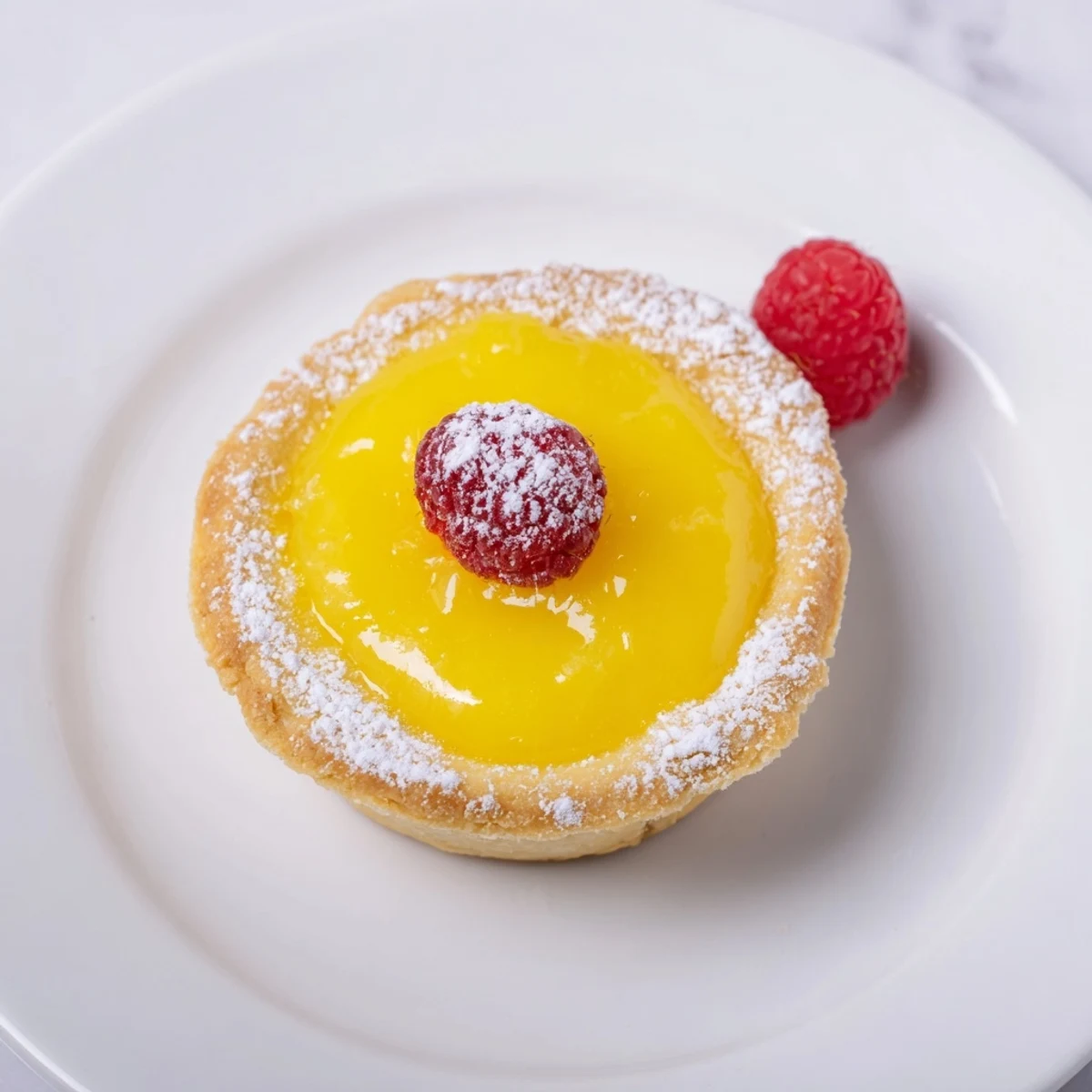
- Refrigerate for at least thirty minutes so the tartlets set up properly, then serve with whatever garnish calls to you—berries, powdered sugar, or thin lemon slices all work beautifully.
 Save
Save These tartlets taught me something quiet about precision in the kitchen. You can't rush the curd, can't ignore the cold butter, can't pretend that bottled lemon juice matters less than fresh.
The Science of Crisp Shells
The key to shells that stay crispy isn't a mystery—it's understanding that butter and flour need to stay separate until moisture brings them together. Those visible pea-sized pieces of butter create steam pockets as they melt, which gives you that delicate, layered texture instead of a dense, cake-like base. Blind-baking with weights prevents the bottom from puffing up into the middle, which would trap steam and create sogginess.
Lemon Curd That Never Breaks
I used to make curd that split or got grainy, and I couldn't figure out why until a baker friend explained that the eggs need to be coated in sugar before heat touches them, which protects them from scrambling. The double boiler method is slower than direct heat, but that's the whole point—it's gentle, forgiving, and gives you time to whisk constantly and watch for that moment when the mixture suddenly transforms from thin to thick.
Make-Ahead Magic and Flavor Variations
The best part about these tartlets is that both components hold up beautifully to advance planning—shells stay crisp in an airtight container for two days, and curd keeps refrigerated for almost a week. This means you can assemble them whenever you want to serve, which is oddly freeing when you're hosting. Meyer lemons taste sweeter and more floral than regular ones, which changes the tartlets from bright and sharp to rounded and elegant.
- Try adding crushed pistachios or toasted coconut to the top for texture and richness.
- A tiny pinch of cardamom in the curd brings an unexpected warmth that whispers instead of shouts.
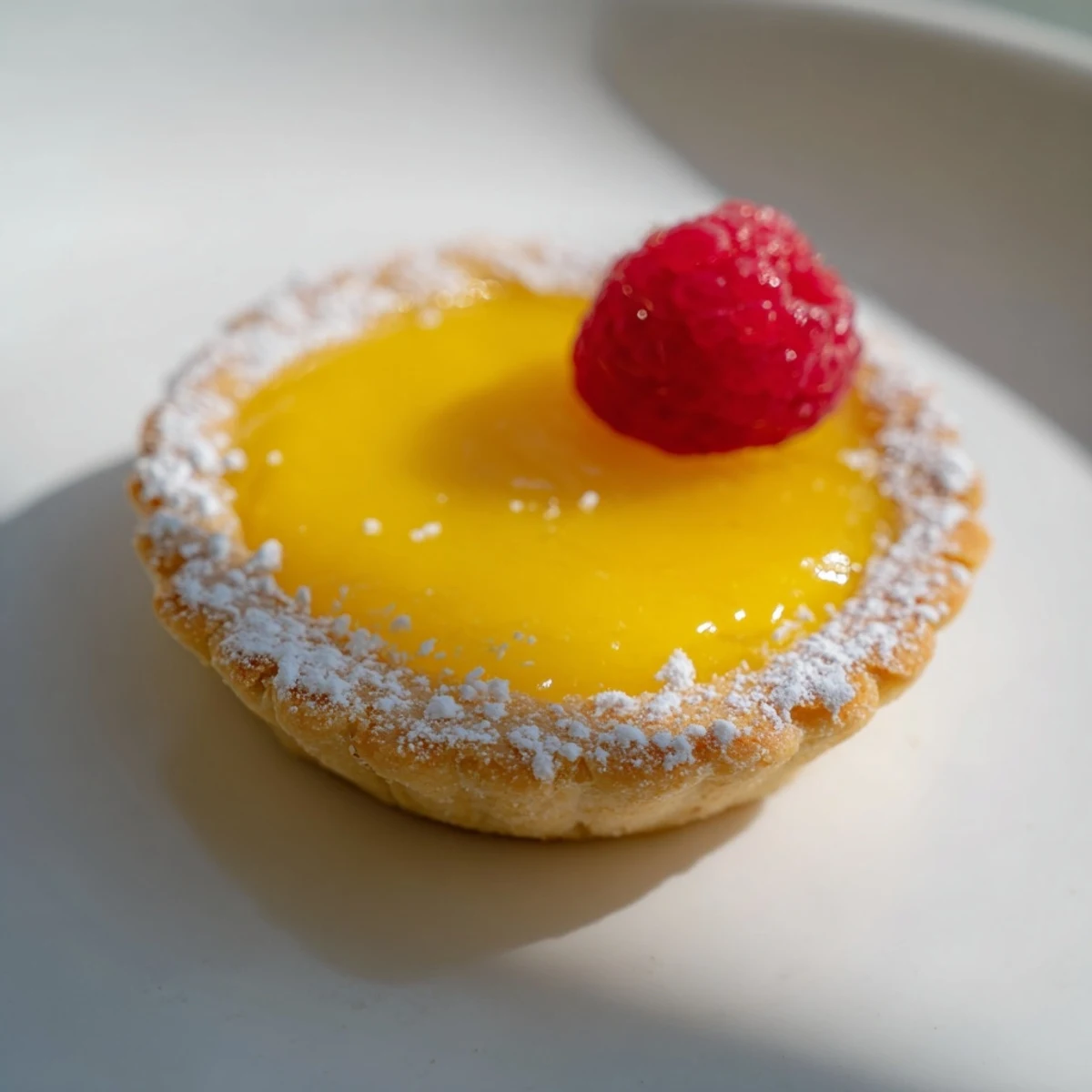
- Raspberries and a light dusting of powdered sugar are never a mistake.
 Save
Save These tartlets remind me why I bake in the first place: to create small moments of brightness that make people stop and savor. Make them, share them, and let them become your thing.
Recipe FAQs
- → How do I achieve a crisp tartlet shell?
-
Use cold, cubed butter and rub it into the flour mixture until it resembles fine breadcrumbs before adding liquid. Blind bake the shells to ensure a golden, crisp base.
- → What is the best way to make smooth lemon curd?
-
Cook eggs, sugar, lemon juice, and zest gently over simmering water while whisking constantly until thickened, then whisk in butter off heat for a creamy finish.
- → Can I prepare lemon tartlets ahead of time?
-
Yes, tartlet shells and lemon curd can be made a day in advance and refrigerated. Assemble just before serving for best texture.
- → Are there variations to enhance flavor or texture?
-
Try adding crushed pistachios or toasted coconut on top for crunch, or use Meyer lemons for a sweeter, floral twist.
- → How should I store lemon tartlets safely?
-
Keep assembled tartlets refrigerated and consume within 2-3 days to maintain freshness and texture.