
 Save
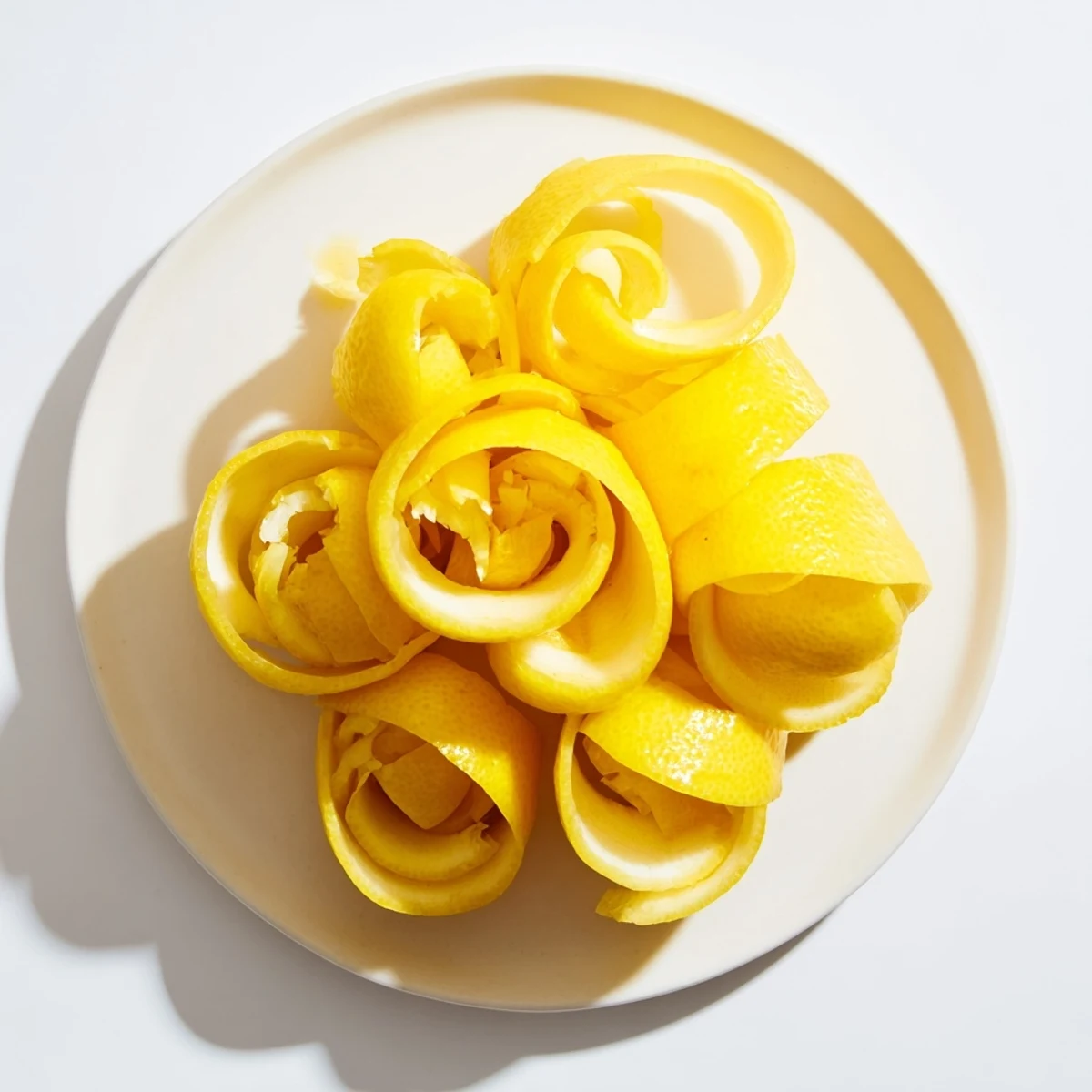
Save Creating lemon twists involves carefully peeling thin strips from a fresh lemon, avoiding the bitter white pith. These strips are gently twisted to form spirals, perfect for brightening cocktails, desserts, or various dishes with a fresh citrus touch. With minimal preparation, this garnish adds a vibrant aroma and attractive finish, can be stored briefly chilled, and offers versatility including alternatives like orange or lime peels.
I discovered the magic of lemon twists quite by accident one summer evening when I was frantically preparing cocktails for friends and realized my drinks needed something more than just ice and spirit. Reaching for a lemon, I remembered watching a bartender at a dimly lit jazz bar peel citrus with the kind of care usually reserved for peeling heirloom tomatoes. That night, my humble kitchen became a place of small elegance, and these fragrant spirals became the signature flourish that transformed ordinary drinks into something people actually remembered. Now, whenever I need to add that final touch of polish to a dish or glass, I reach for a lemon and a peeler, and suddenly everything feels a little more intentional.
I'll never forget the dinner party where I finally understood why presentation matters. I'd made an elegant lemon tart, but it looked somehow unfinished until I crowned it with a perfectly formed twist. My grandmother leaned over, inhaled deeply as the oils released, and said, 'Now that's love on a plate.' From that moment on, I understood that a lemon twist isn't just a garnish—it's a small gesture of care.
Ingredients
- 1 unwaxed, organic lemon: This is the whole story here. Organic matters because you're eating the skin, and unwaxed means nothing between you and that bright, precious peel. I learned this the hard way when a waxy store-bought lemon left a bitter coating on my cocktail. Look for lemons that feel heavy for their size—that's where the juice and oils live.
Instructions
- Wash and dry with intention:
- Hold the lemon under warm running water and rub it gently with your fingers or a soft cloth. Pat it completely dry—any moisture will make peeling slip and slide. You want a clean, dry canvas to work with.
- Peel with patience:
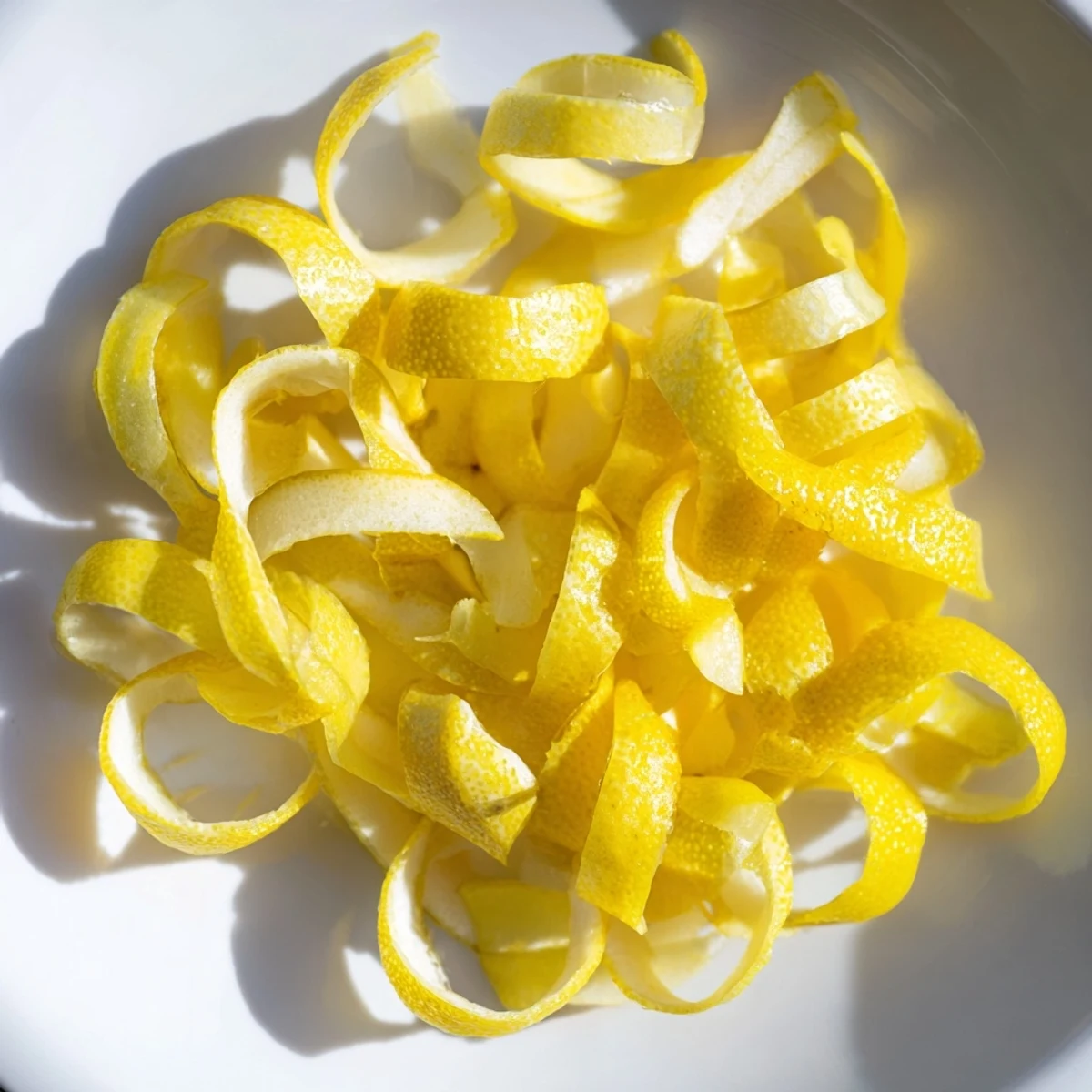
- Using a vegetable peeler or sharp paring knife, draw the blade toward you in long, gentle strokes. Listen for the soft scrape of just the colored peel separating from the white pith beneath. If you see white, you've gone too deep. The pith is where bitterness lives, and it's your enemy here. Take your time. This isn't a race.
- Form the twist:
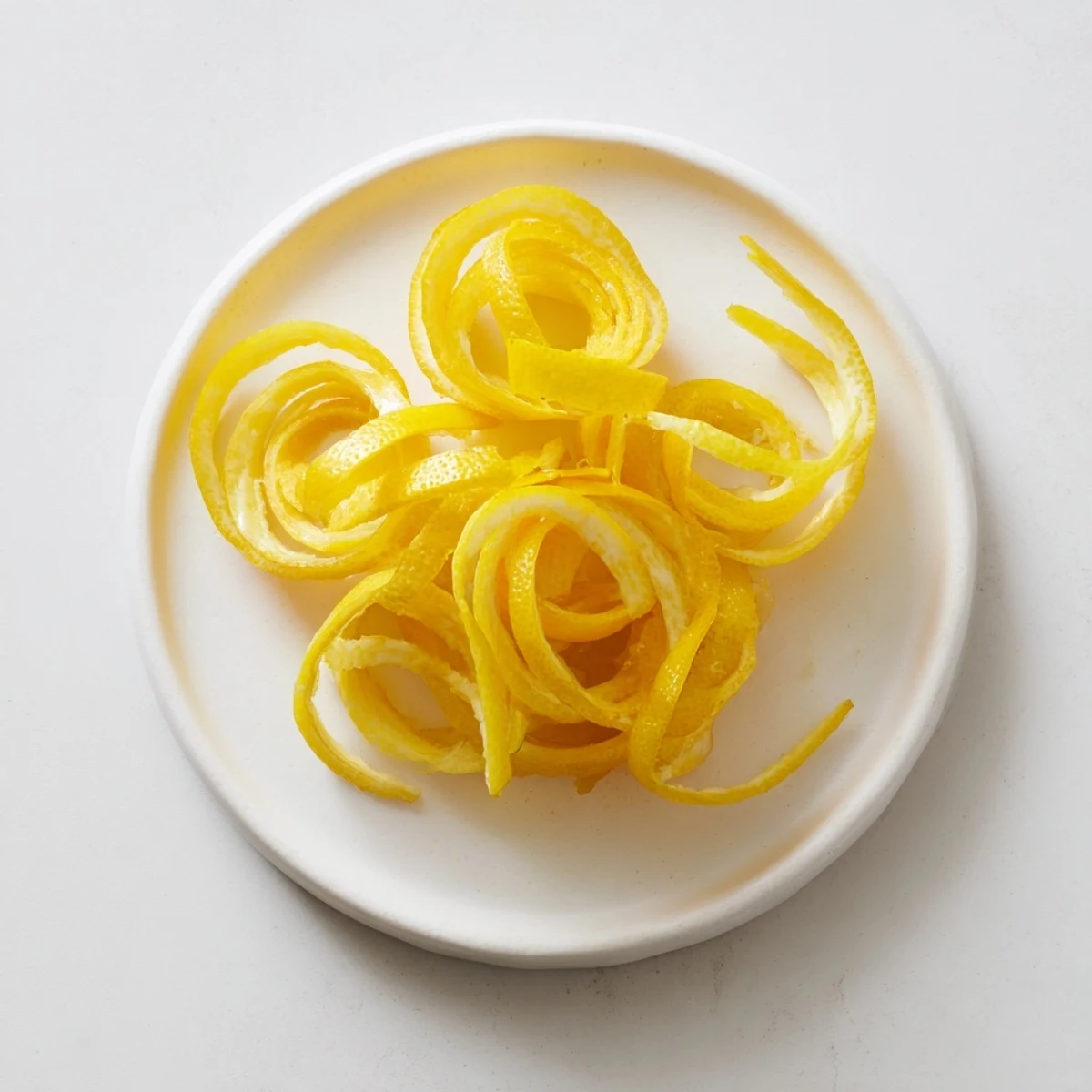
- Take one strip of peel and drape it loosely around a straw, your index finger, or even a pencil. Gently twist the peel around it, creating a spiral shape. Hold it there for a few seconds—you're training it to remember its shape. When you release it, it should spring back into a loose corkscrew.
- Use it right away or store with care:
- If you're using it immediately, there's nothing more to do. But if you want to prepare ahead, lay the twists on a damp paper towel, roll them loosely, and store them in an airtight container in the refrigerator. They'll keep for up to two days, though the oils fade slightly with time.
 Save
Save There was a moment, stirring a gin and tonic at dusk, when I twisted a lemon peel over the glass and watched the fine mist of oil catch the last light of day. My daughter, who was learning to cook beside me that summer, leaned in and breathed in deeply. 'It smells like you,' she said, and I realized she meant the care, the attention, the little rituals that make food and drink taste like home. A lemon twist is just citrus peel, but it's also proof that small acts of intention matter.
The Science of Citrus Oils
Those invisible oils in lemon peel—the ones that catch light when you twist them—are where all the fragrance and bright flavor hide. Limonene is the main compound, and it's what your nose recognizes as 'lemon' even before your mouth tastes anything. When you twist the peel, you're breaking the tiny oil glands and releasing them into the air and onto whatever you're garnishing. This is why a twist beats a slice every single time. A slice is decorative. A twist is flavor and aroma combined.
Variations Worth Exploring
Once you understand the technique, you can play. Orange peels are thicker and hold their shape beautifully—I use them for desserts and whiskey drinks. Lime twists are delicate and slightly more tropical, perfect for anything refreshing. Grapefruit adds that sophisticated, slightly bitter note that works with richer spirits. Tangerines and clementines are tiny but mighty. Each citrus brings its own personality to the twist, and each one tastes different in your mouth than it smells in the air.
Making Them Ahead (The Smart Way)
Planning a dinner party or making cocktails for a crowd? Prepare your twists earlier in the day. The secret is the damp paper towel—it keeps the peel from drying out and becoming brittle, which makes them lose their oils and their beauty. I've learned that a sealed container in the refrigerator, wrapped loosely in that barely damp towel, keeps them perfect for up to two days. On the third day, they start to fade. Use them while they're vibrant.
- Always use organic, unwaxed citrus so you can garnish without worry
- Twist over a drink or warm plate to release the oils for maximum impact
- Keep a vegetable peeler in your bar kit—it's the one tool that changes everything
 Save
Save A lemon twist is proof that the smallest gestures—five minutes of care, one piece of fruit, a gentle spiral—can transform how people experience what you've made. Keep peeling.
Recipe FAQs
- → What is the best way to peel lemons for twists?
-
Use a vegetable peeler or a sharp paring knife to remove thin strips of peel, avoiding the bitter white pith for a brighter flavor.
- → How do I form a perfect lemon twist?
-
Gently wrap the peel strip around a straw or finger, hold for a few seconds to set its spiral shape before using as garnish.
- → Can lemon twists be prepared in advance?
-
Yes, store the twists in an airtight container in the refrigerator for up to two days, ideally wrapped in a damp paper towel.
- → Are there alternatives to lemon for twists?
-
Orange and lime peels can also be used to create similarly aromatic and colorful twists for garnishes.
- → Do lemon twists add flavor or only decoration?
-
They release essential oils when twisted over drinks or dishes, adding a fresh citrus aroma and subtle flavor enhancement.