
 Save
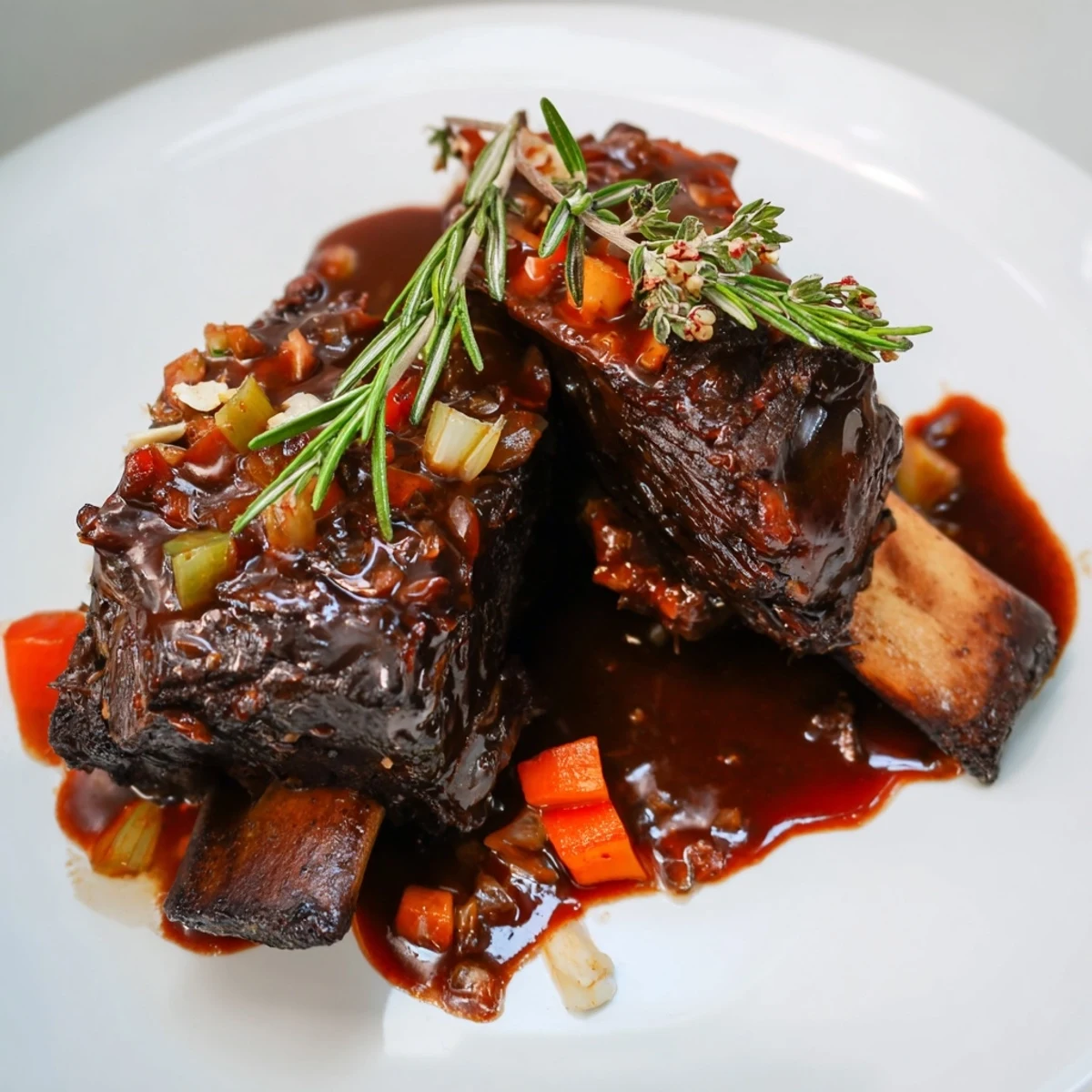
Save These oven-braised beef short ribs are seared to a golden crust, then slowly braised in a rich mixture of red wine, beef broth, carrots, celery, and fresh herbs until they literally fall off the bone.
The low, slow cooking method transforms tough cuts into melt-in-your-mouth tenderness while building layers of deep, savory flavor. The braising liquid reduces into a luxurious sauce that's perfect spooned over creamy mashed potatoes or polenta.
With just 25 minutes of hands-on prep and a few hours of unattended oven time, this comforting main course is ideal for weekend dinners and special occasions.
The smell of red wine hitting a hot pan is enough to make anyone stop what they are doing and drift toward the kitchen. Oven braised beef short ribs were never on my radar until a rainy Tuesday when the grocery store had them marked down and I decided to figure it out on the spot. Three hours later, the house smelled like a French bistro and I was hooked for life.
I made these for my neighbor who had just come home from the hospital, expecting to drop off a quiet meal and leave. We ended up sitting at her kitchen table for two hours, bowls of short ribs and mashed potatoes between us, talking about everything under the sun.
Ingredients
- Beef short ribs (4 lbs, bone in): Bone in is non negotiable here because the marrow adds body and richness to the sauce that boneless cuts simply cannot replicate.
- Carrots (2 medium, diced): They melt into the braise and add a subtle sweetness that balances the wine.
- Celery (2 stalks, diced): An unsung hero that provides an earthy backbone to the flavor.
- Yellow onion (1 large, diced): Dice it small so it dissolves almost completely into the sauce during the long braise.
- Garlic (4 cloves, minced): Fresh garlic only, and add it late so it does not burn and turn bitter.
- Dry red wine (1 cup): Use something you would actually drink, because the flavor concentrates and any harshness will only amplify.
- Beef broth (2 cups, gluten free if needed): Check the label carefully because many brands sneak in wheat as a thickener.
- Tomato paste (1 tbsp): This small spoonful adds a layer of umami that ties everything together beautifully.
- Fresh rosemary (2 sprigs): Dried works in a pinch but fresh rosemary perfumes the braise in a way that fills the whole house.
- Fresh thyme (3 sprigs): Thyme and beef are a classic pairing for good reason, the herbaceous notes cut through the richness perfectly.
- Bay leaves (2): Remember to fish them out before serving because nobody wants to bite into one of these.
- Salt and black pepper: Season generously at the searing stage and adjust the sauce at the end.
- Olive oil (2 tbsp): A neutral oil works too, but olive oil adds a fruity warmth that I prefer here.
Instructions
- Preheat and prepare:
- Set your oven to 325 degrees Fahrenheit and move a rack to the lower middle position. Give the oven a solid twenty minutes to get truly up to temperature because an accurate oven makes all the difference for a slow braise.
- Season the ribs:
- Pat every surface of the short ribs bone dry with paper towels, then season all sides with salt and pepper more generously than you think you need. The seasoning has to penetrate through hours of braising, so be bold.
- Sear until deeply browned:
- Heat olive oil in a large Dutch oven over medium high heat until it shimmers, then sear the ribs in batches without crowding the pot. Let each side develop a dark, crusty brown before turning, roughly two to three minutes per side, then transfer to a plate.
- Build the aromatic base:
- In the same pot with all those gorgeous browned bits, add the carrots, celery, and onion. Stir and cook until everything softens and picks up color, about five minutes, then stir in the garlic and tomato paste for one more minute until fragrant.
- Deglaze with wine:
- Pour in the red wine and use a wooden spoon to scrape up every last bit stuck to the bottom of the pot, because that is pure concentrated flavor. Let it come to a boil and reduce by about half, which takes roughly five minutes.
- Combine and braise:
- Nestle the short ribs back into the pot, pour in the beef broth, and tuck in the rosemary, thyme, and bay leaves. The liquid should come almost to the top of the meat but not fully submerge it. Bring it to a gentle simmer on the stovetop, then cover with a tight lid and slide the whole pot into the oven.
- Cook low and slow:
- Braise for two and a half to three hours, checking once around the halfway mark just to make sure the liquid is at a gentle burble and not boiling aggressively. You will know they are done when a fork slides into the meat with zero resistance and it literally threatens to fall apart if you look at it wrong.
- Finish the sauce and serve:
- Carefully lift the ribs and vegetables out of the pot and keep them warm on a platter. Skim the excess fat off the surface of the braising liquid, discard the spent herb sprigs and bay leaves, then spoon the silky sauce generously over the ribs.
 Save
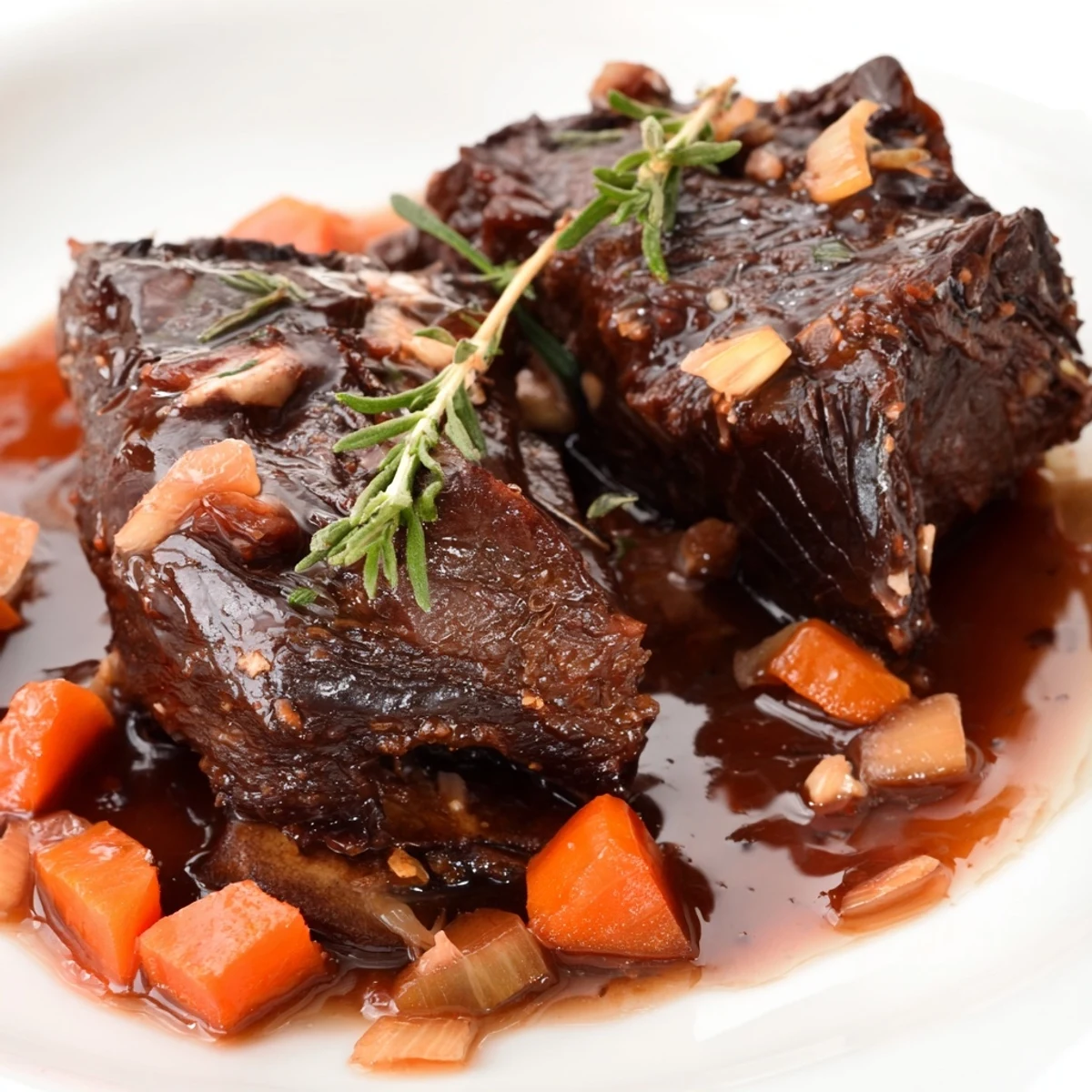
Save There is something about a pot of short ribs bubbling away in the oven that turns an ordinary weeknight into an occasion worth savoring.
What to Serve Alongside
These ribs are begging for something starchy to soak up every drop of that sauce. Creamy mashed potatoes are the classic choice and for good reason, but a bowl of soft polenta or even a slice of crusty bread does the job beautifully.
Deepening the Flavor Even More
If you have the foresight, marinate the ribs in red wine with the herbs overnight in the refrigerator. The acid in the wine starts breaking down the connective tissue before cooking even begins, and the difference in tenderness is genuinely noticeable.
Making It Ahead and Storing Leftovers
Short ribs are one of those magical dishes that taste even better the next day, after the flavors have had time to mingle and settle in the refrigerator. Reheat them gently on the stovetop over low heat rather than microwaving, so the meat stays tender instead of tightening up.
- Store leftovers in an airtight container in the refrigerator for up to three days.
- The fat will solidify on top when chilled, which actually makes it incredibly easy to lift off before reheating.
- Freeze the ribs and sauce together in portions for an impressive meal that reheats on busy nights.
 Save
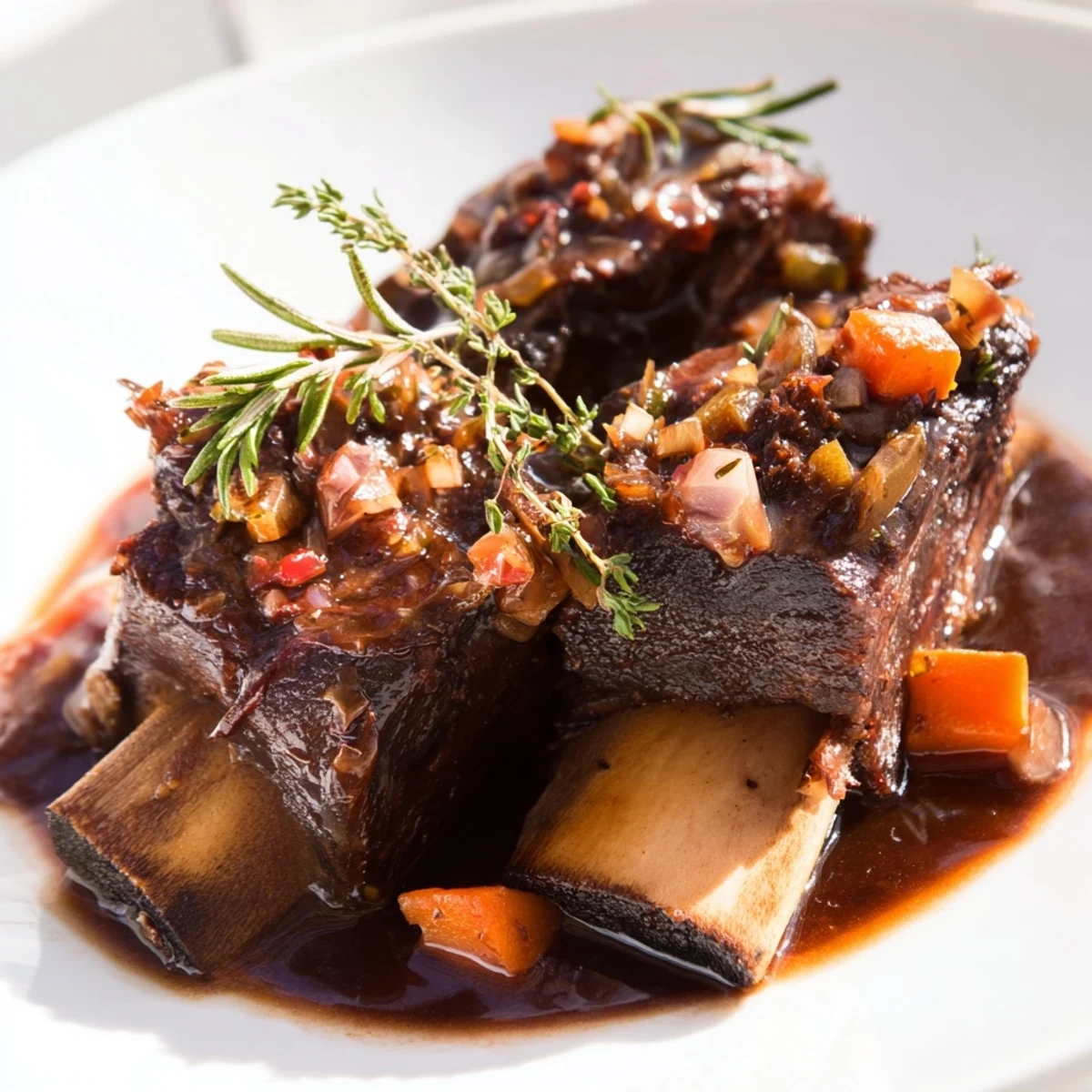
Save Once you make short ribs this way, they will become your cold weather comfort food and your dinner party secret weapon all at once. Share them with someone you love and watch the table go quiet.
Recipe FAQs
- → What type of red wine works best for braising short ribs?
-
Dry red wines like Cabernet Sauvignon, Merlot, or Pinot Noir are excellent choices. Avoid sweet wines, as they can make the braising liquid too sugary. The wine should be something you would enjoy drinking alongside the finished dish.
- → Can I make braised short ribs ahead of time?
-
Absolutely. In fact, short ribs often taste better the next day after the flavors have had time to meld. Store them in the braising liquid in the refrigerator overnight, then gently reheat on the stovetop or in a 325°F oven until warmed through.
- → Why do my short ribs come out tough instead of tender?
-
Tough short ribs usually mean they haven't cooked long enough. The collagen in the meat needs extended time at low temperature to break down. Continue braising until a fork slides in and out of the meat with no resistance, typically 2.5 to 3 hours at 325°F.
- → Do I need to sear the short ribs before braising?
-
Yes, searing is a crucial step. It creates a browned crust through the Maillard reaction, which adds deep, caramelized flavor to the meat and the braising liquid. Don't skip this step and avoid overcrowding the pot when searing.
- → What should I serve with braised beef short ribs?
-
Creamy mashed potatoes, polenta, or egg noodles are classic pairings that soak up the rich sauce. Roasted root vegetables, braised greens, or a simple green salad also complement the hearty flavors beautifully.
- → Can I cook short ribs without wine?
-
Yes, you can substitute the red wine with additional beef broth. Add a tablespoon of balsamic vinegar or lemon juice to provide some of the acidity that wine would normally contribute to balancing the rich flavors.