
 Save
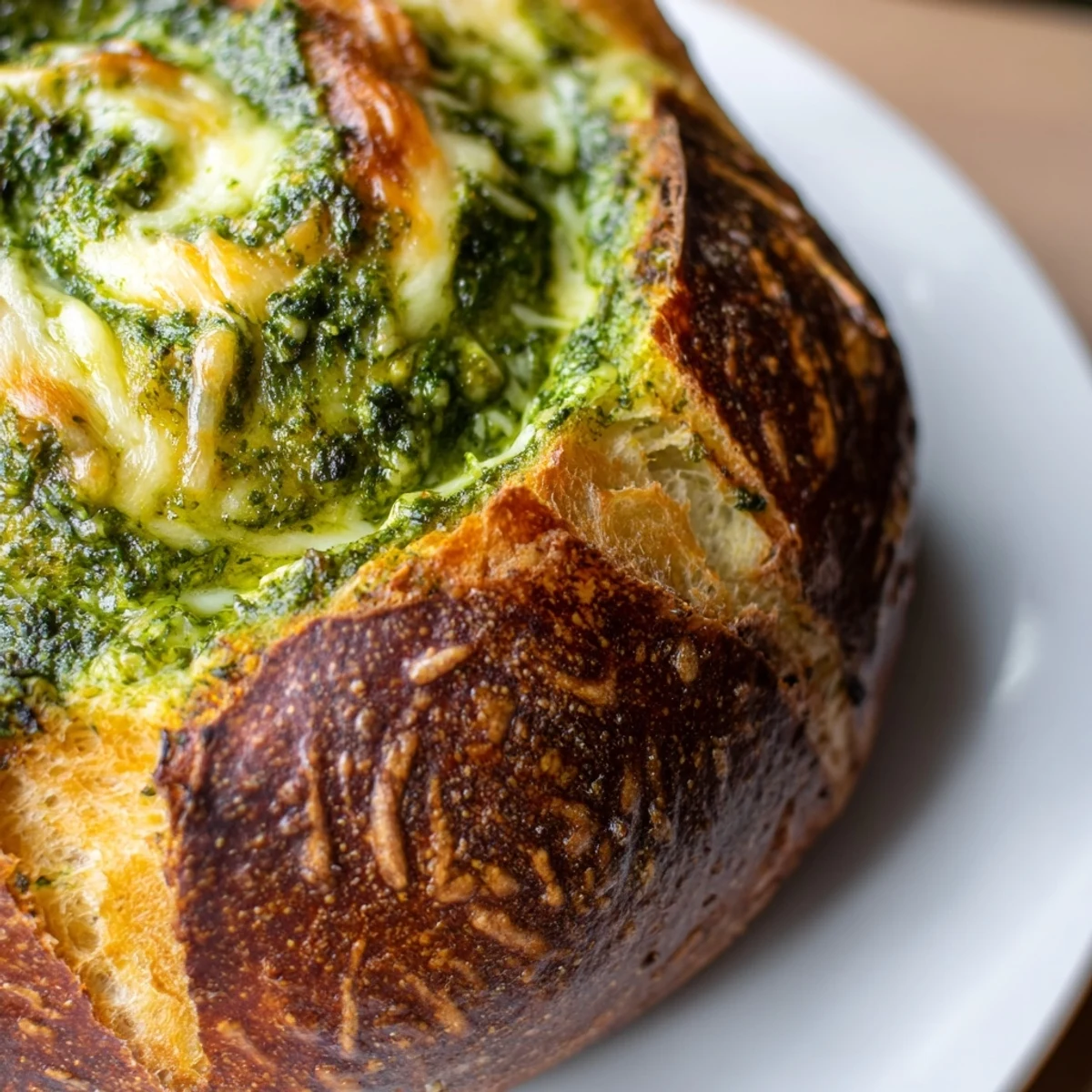
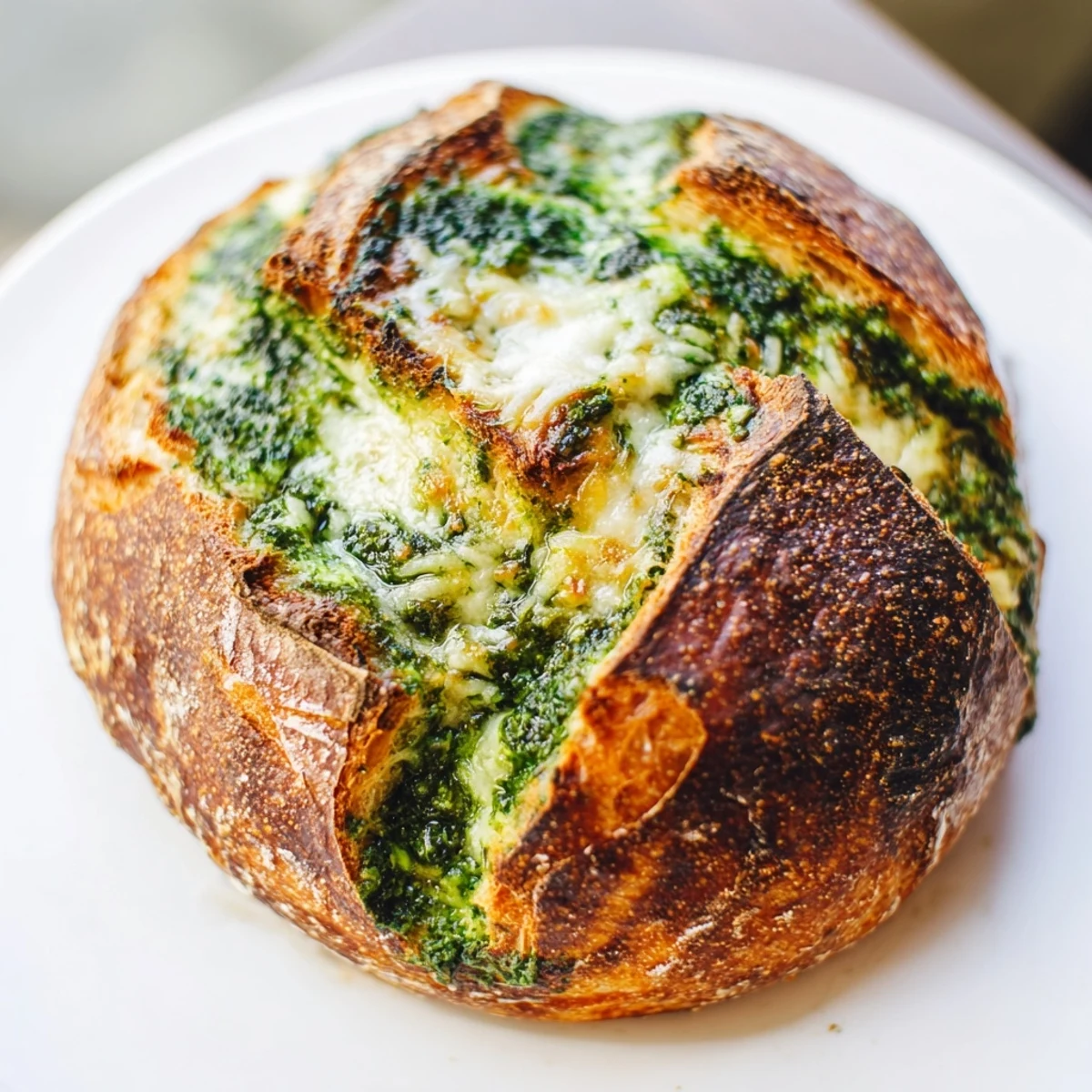
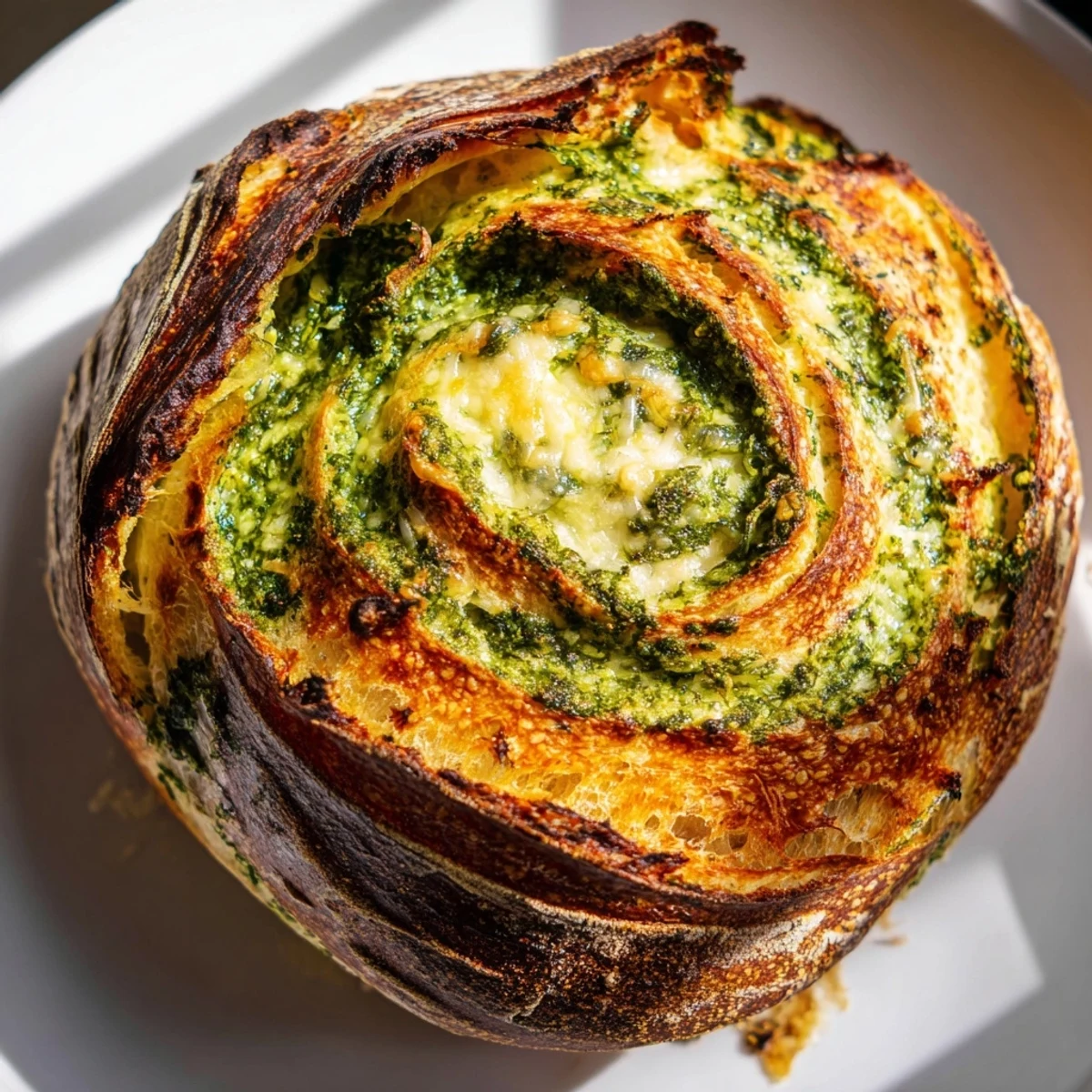
Save This artisan sourdough combines traditional fermentation with vibrant Italian flavors. The dough undergoes a thorough development process including autolyse and multiple stretch-and-fold sets to create the perfect structure. A generous layer of basil pesto creates beautiful green swirls throughout the crumb, while freshly grated Parmesan forms a savory, golden crust. The lengthy fermentation process (5-8 hours rising time) develops complex flavor and characteristic sourdough tang. Baking in a Dutch oven creates that coveted crispy, crackling crust while keeping the interior moist and tender.
The smell of basil hitting warm dough still stops me in my tracks every single time. I started making this bread during what I called my summer of sourdough obsession, when every kitchen experiment led to another. My roommate walked in mid-bake once and actually asked if I'd ordered Italian takeout, because the aroma filled our entire apartment.
I made this for my dad's birthday dinner last year, and he's still talking about it. He kept asking what restaurant I bought it from, genuinely refusing to believe I'd baked it myself. The way the pesto fragrance hits you when you break into the warm loaf is something else entirely.
Ingredients
- 500 g bread flour: High protein flour is essential here for structure, especially with all that moisture from the pesto filling
- 350 ml lukewarm water: Warm water helps activate your starter without shocking it
- 100 g active sourdough starter: Make sure it's at 100% hydration and bubbling happily before you begin
- 10 g fine sea salt: Fine salt dissolves evenly throughout the dough
- 70 g basil pesto: Room temperature pesto spreads easier without tearing the dough
- 50 g freshly grated Parmesan cheese: Freshly grated melts better and has more flavor than pre-shredded
- 1 tbsp olive oil: Use this right before baking for that gorgeous golden sheen
Instructions
- The autolyse rest:
- Mix flour and water until just combined, cover, and let sit for 30 to 45 minutes. This simple rest period transforms your dough structure completely.
- Adding starter and salt:
- Incorporate both into your rested dough, mixing until fully combined. The dough will feel alive and start developing some elasticity.
- Stretch and fold series:
- Every 30 minutes for 2 hours, perform a gentle stretch and fold. You will feel the dough getting stronger with each set.
- The final rise:
- Let the dough rest for 1 hour at room temperature after your last fold.
- Shaping and filling:
- Gently stretch your dough into a rectangle on a floured surface. Spread pesto evenly, leaving a small border, then sprinkle most of the Parmesan over the top.
- Roll and shape:
- Roll from the short end into a tight log, then shape into a round or batard. Place seam side up in a floured banneton.
- Final proof:
- Cover and let rise 2 to 3 hours at room temperature, or refrigerate overnight for extra flavor development.
- Bake time:
- Preheat oven to 230°C with your Dutch oven inside. Turn dough onto parchment, brush with oil, sprinkle with remaining Parmesan, score, then bake covered for 20 minutes. Uncover and bake 18 to 20 minutes more until deeply golden.
 Save
Save This bread became my go-to for housewarming gifts after my neighbor actually asked for the recipe instead of just complimenting it politely. Something about homemade bread still feels like such a generous gift.
Pesto Variations That Work
Sun-dried tomato pesto creates this gorgeous red swirl throughout the bread and adds an intense umami punch. Walnut pesto brings a lovely earthy depth that pairs beautifully with soups. I have even experimented with roasted red pepper spread for a sweet twist.
Serving Ideas
This bread makes the most incredible grilled cheese sandwiches, especially with sharp cheddar or Gruyère. Try it toasted and topped with fresh heirloom tomatoes in summer. It also pairs beautifully with a simple tomato soup for an elevated comfort meal.
Storage And Reheating
Store the loaf cut side down on a cutting board for up to 2 days, or freeze whole slices for longer keeping. Reheat in a 180°C oven for 5 to 7 minutes to refresh the crust.
- Never store sourdough in plastic bags or the crust will get soft
- Slice before freezing for easy toast straight from frozen
- A quick spritz of water before reheating helps restore that bakery freshness
 Save
Save There is something deeply satisfying about pulling a steaming loaf from the oven you have nurtured all day. Hope this recipe becomes part of your own kitchen story.
Recipe FAQs
- → Can I use dried basil instead of pesto?
-
While dried basil won't replicate the rich, oily texture of pesto, you can mix dried basil with olive oil and Parmesan to create a similar flavor profile. However, the swirled appearance and moist texture will differ from traditional pesto.
- → How do I know when the sourdough is ready to bake?
-
The dough should have increased in volume by about 50-75% and pass the finger poke test — when gently pressed, the dough should spring back slowly. If it springs back immediately, it needs more time. If the indentation remains, it's over-proofed.
- → Can I skip the Dutch oven?
-
You can bake on a baking stone or heavy baking sheet, but the Dutch oven creates steam that helps develop a crispy, crackling crust. Without it, brush the dough with water before baking and place a pan of hot water in the oven below to mimic the steam effect.
- → How should I store this bread?
-
Store at room temperature in a paper bag or wrapped in a clean kitchen towel for 2-3 days. Avoid plastic bags as they trap moisture and make the crust soggy. For longer storage, slice and freeze in an airtight container for up to 3 months.
- → Can I make this without a sourdough starter?
-
You can substitute the sourdough starter with a poolish (equal parts flour and water fermented with a small amount of yeast) or use commercial yeast. However, the characteristic tangy flavor and extended fermentation benefits of true sourdough will be absent.
- → What variations can I try?
-
Sun-dried tomato pesto adds sweet-tart depth, while walnut pesto provides earthy richness. Consider adding mozzarella alongside Parmesan for extra meltiness. Rosemary and garlic incorporated into the pesto layer creates another delicious variation.