
 Save
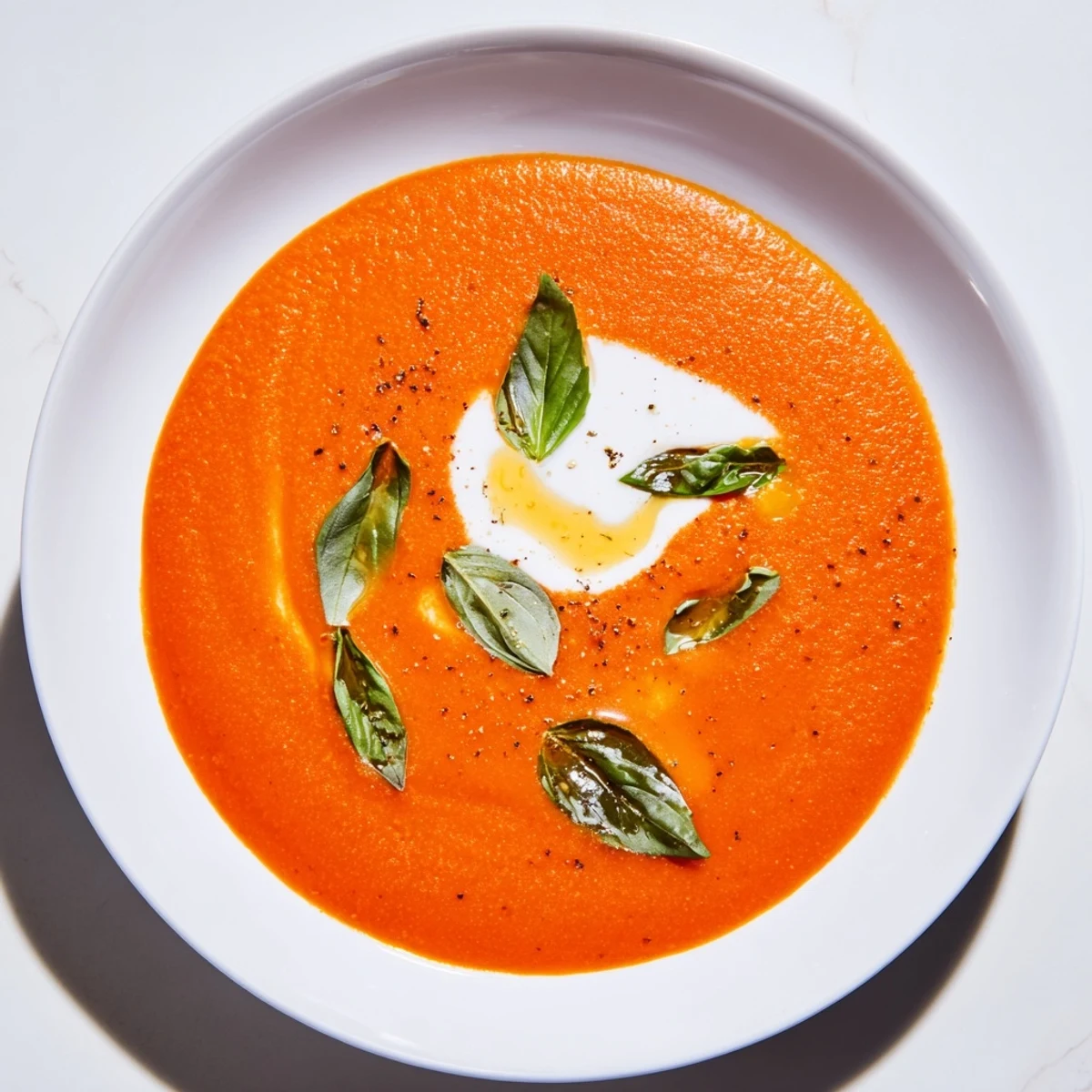
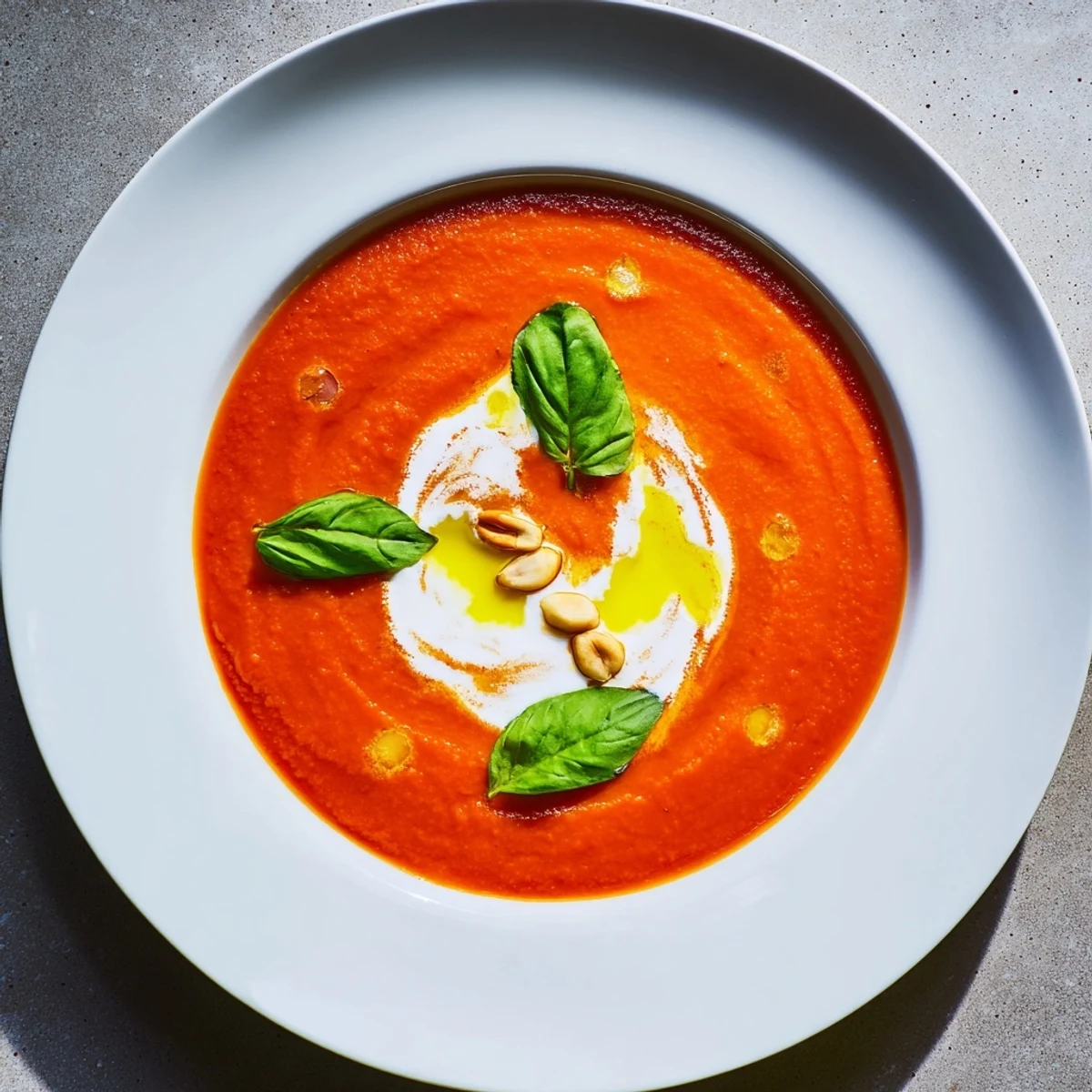
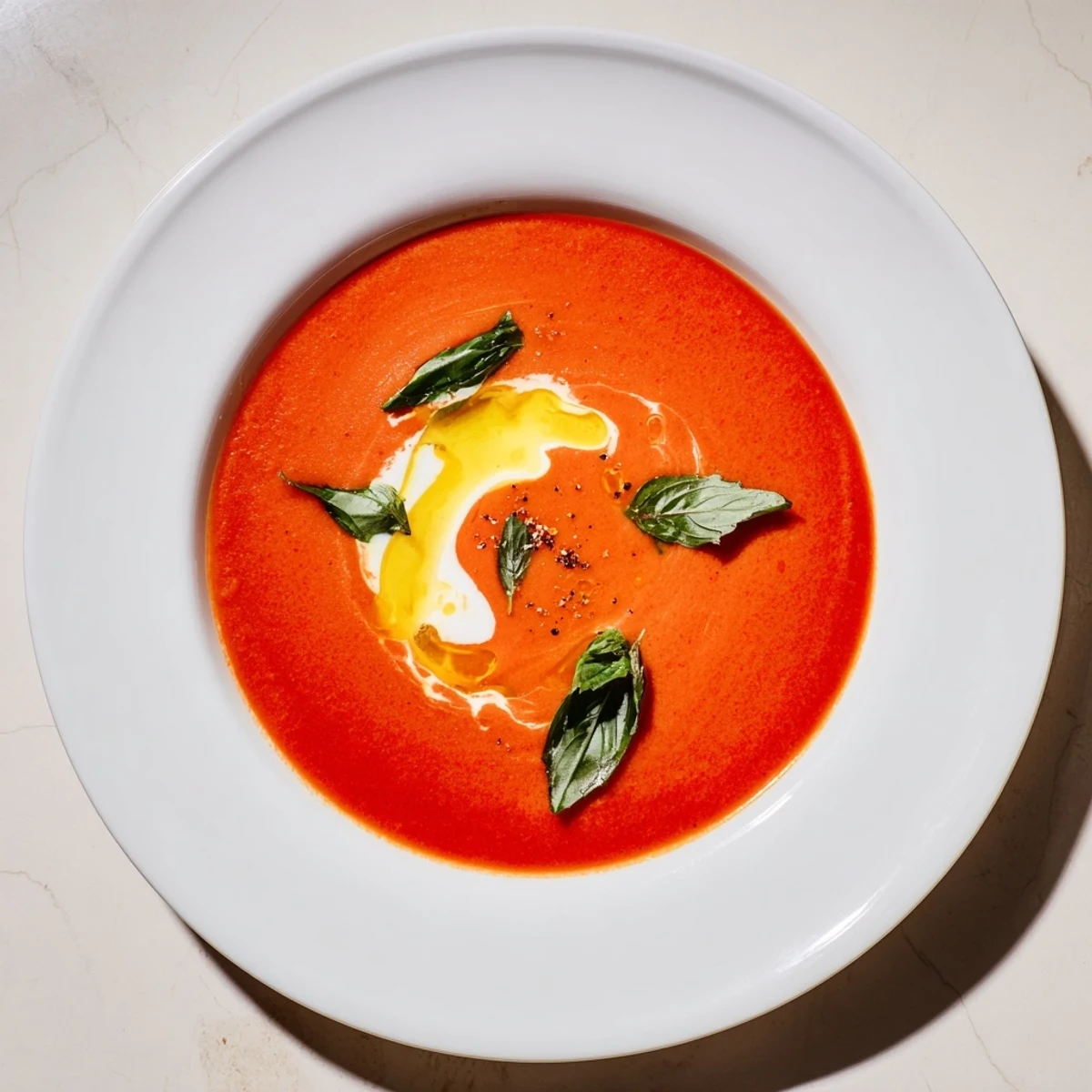
Save This velvety tomato dish features ripe tomatoes, garlic, onion, and herbs oven-roasted to enhance natural sweetness and depth. Roasting softens the vegetables and caramelizes the flavors, which are then blended with warm vegetable broth to create a smooth, rich consistency. Adjust seasoning with salt, pepper, and optional sugar to balance acidity. For extra creaminess, add heavy cream or crème fraîche before serving. Garnish with fresh basil for added aroma and freshness, ideal for a cozy meal or starter.
I'll never forget the autumn afternoon when my neighbor came over with a basket of overripe tomatoes from her garden. She insisted I do something with them before they went bad, and that's when I discovered the magic of roasting tomatoes. The oven transforms their acidity into something sweet and deep, and suddenly you're not just making soup—you're capturing the essence of a perfect harvest moment in a bowl.
I made this soup last winter when my daughter came home sick from university. She took one spoonful and her whole face softened. She didn't say much, but she finished the entire bowl and asked for seconds. Sometimes the best recipes are the ones that remind people they're loved and cared for.
Ingredients
- Ripe tomatoes, 1.5 kg halved: These are the star—use the ripest ones you can find, even if they look slightly imperfect. The roasting concentrates their natural sugars and mellows any sharp acidity. If tomatoes aren't in season, you won't get the same magic, so honest advice: wait for summer.
- Yellow onion, 1 medium quartered: Onion becomes almost sweet and caramelized in the oven. The quarters roast evenly and add body to the final soup.
- Garlic, 4 cloves peeled: Whole cloves soften completely during roasting and become mellow and creamy. This is gentler than raw garlic and gives the soup its rounded warmth.
- Carrot, 1 medium peeled and chopped: A little carrot adds subtle sweetness and helps balance any lingering tomato acidity. It's my secret weapon in this recipe.
- Olive oil, 3 tbsp: Good olive oil matters here. The vegetables roast in it, absorbing its flavor. Don't use your expensive finishing oil, but don't use the cheapest either.
- Vegetable broth, 800 ml: Use broth you'd actually drink on its own. A mediocre broth will undermine everything you've done with the roasting.
- Salt, 1 tsp and freshly ground black pepper, ½ tsp: Season as you go, not just at the end. Taste the roasted vegetables before adding the broth.
- Thyme, 1 tsp dried or 2 tsp fresh: Fresh thyme is always better if you have it, but dried works beautifully when roasted. The heat brings out its piney depth.
- Sugar, 1 tsp optional: Only add this if your tomatoes taste sharp. Good tomatoes shouldn't need it, but sometimes they do, and that's okay.
- Heavy cream or crème fraîche, 60 ml optional: Swirl this in just before serving for richness, or skip it entirely for a cleaner, brighter soup. Both ways are delicious.
- Fresh basil, for garnish: A few leaves scattered on top at the last moment. This is where the soup tastes like late summer, no matter the season.
Instructions
- Get your oven ready:
- Preheat to 200°C (400°F) and line a large baking tray with parchment paper. This temperature is hot enough to coax the vegetables into caramelization without burning them. Parchment paper means no scrubbing later—a gift to your future self.
- Arrange and anoint:
- Place tomato halves cut side up on the tray, then scatter the onion quarters, whole garlic cloves, and chopped carrot around them. Drizzle everything generously with olive oil—don't be shy. Sprinkle with salt, pepper, and thyme. You're creating a landscape that will slowly transform into something golden and concentrated.
- Let the oven do the work:
- Roast for 35 to 40 minutes until the tomatoes are soft and their edges are slightly caramelized. You'll notice the kitchen starting to smell incredible around the 25-minute mark. That's when you know something magical is happening.
- Gather everything into the pot:
- Transfer all the roasted vegetables and every precious drop of juice from the tray into a large pot. Those pan drippings are liquid gold—don't waste them.
- Add broth and simmer:
- Pour in the vegetable broth and bring to a gentle simmer over medium heat. Let it bubble softly for about 10 minutes, allowing the flavors to meld and deepen.
- Blend until velvety:
- Using an immersion blender, puree the soup until it reaches that silky, restaurant-quality texture. If you're using a regular blender, work in batches and be careful with hot liquid—fill it only halfway each time. You want this to be smooth, not chunky.
- Taste and adjust:
- This is crucial: taste the soup. Does it need more salt? Is it a little sharp? If so, add sugar just a pinch at a time. The goal is balanced and harmonious—no single flavor should dominate.
- Add cream if desired:
- If you're using heavy cream or crème fraîche, stir it in just before serving. It swirls beautifully and adds a touch of luxury, but the soup is just as wonderful without it.
- Serve with intention:
- Ladle into warm bowls, tear a few basil leaves over the top, and hand it to someone you care about. Watch their face when they taste it.
 Save
Save I learned years ago that soup is one of the most forgiving ways to cook for someone. It's hard to ruin, it tastes better the next day, and it fills a house with the kind of comfort that makes people feel held. This soup especially—it's proof that the simplest ingredients, treated with intention, can become something remarkable.
Why Roasting Changes Everything
Raw tomatoes have brightness and acidity. Roasted tomatoes have depth and almost a jam-like sweetness. The dry heat of the oven removes moisture and concentrates the sugars naturally present in the fruit. The edges caramelize slightly, adding a subtle complexity that you can't achieve any other way. This is why restaurants charge more for tomato soup made this way—because it tastes like you've spent hours building flavor, when really you've just trusted the oven.
Timing and Make-Ahead Magic
You can roast the vegetables hours ahead, or even a day before. Store them in an airtight container in the refrigerator, then bring them to room temperature and proceed with the broth and blending whenever you're ready. The soup itself keeps beautifully for up to four days in the fridge and freezes wonderfully for up to three months. This means you can multiply the recipe, freeze portions, and have comfort food waiting whenever you need it.
Variations and Gentle Twists
Once you master the base recipe, you can play with it. Some days I add a tiny pinch of smoked paprika before blending for a whisper of smokiness. Other times I stir in a handful of fresh basil during cooking rather than just garnishing. You could add a red bell pepper to the roasting tray, or finish with a swirl of truffle oil if you're feeling fancy. The beauty of this recipe is that it's flexible enough to follow your mood and your pantry, yet structured enough to always turn out delicious.
- Add smoked paprika for a subtle campfire note
- Roast with a red bell pepper for sweetness
- Finish with a drizzle of good olive oil or truffle oil for elegance
 Save
Save This is the kind of recipe that gets better every time you make it because you learn what your tomatoes need, what balance tastes right to your palate, and how to make it in your specific kitchen. That's when cooking stops being following instructions and starts being a conversation between you and your ingredients.
Recipe FAQs
- → How does roasting affect the tomatoes?
-
Roasting intensifies the tomatoes' natural sweetness and adds a subtle caramelized depth, enhancing overall flavor.
- → Can I use fresh herbs instead of dried thyme?
-
Yes, fresh thyme works well and provides a brighter, more vibrant herbal note to the blend.
- → What can I add to balance the acidity?
-
A small amount of sugar is optional but helps mellow sharp acidity from the tomatoes for a smoother taste.
- → Is heavy cream necessary?
-
Heavy cream is optional and adds richness, but the dish retains its velvety texture without it.
- → What tools are essential for preparation?
-
A baking tray for roasting, a large pot for simmering, and a blender or immersion blender to achieve a smooth texture are key.