
 Save
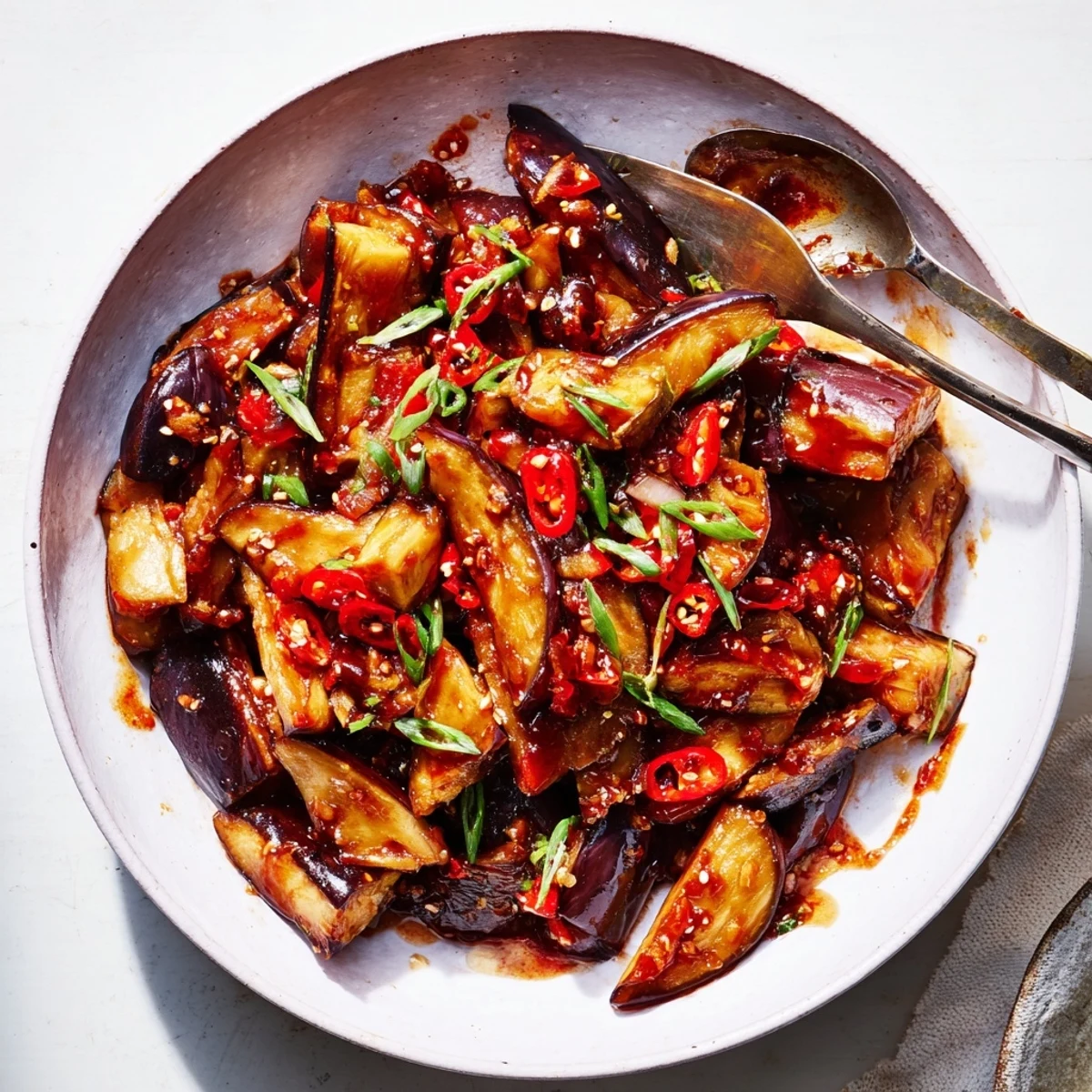
Save Salted aubergine batons are rinsed, patted dry and fried until golden. Aromatics—ginger, garlic and optional chili—are stir-fried with doubanjiang to release a fragrant red oil. Add soy, dark soy, rice vinegar and stock, return aubergine and simmer until meltingly tender. A cornstarch slurry thickens the glossy sauce; finish with sesame oil and spring onions. Serve with steamed rice or noodles.
The first time I smelled doubanjiang sizzling in oil, I knew I was in for something special. Steam spiraled from the wok as garlic and ginger hit the pan, filling my kitchen with a heady, mouthwatering aroma that lingered even after the last bite was gone. Aubergines, silky and rich, became the perfect canvas for those bold, smoky, spicy flavors. It’s no exaggeration to say this Sichuan-style braised aubergine became my favorite way to turn any ordinary weeknight into a vivid feast.
I once served these braised aubergines during a friendly dinner with my neighbors—the gentle hum of their delighted chatter rose the moment they tasted that punchy sauce. The platter almost vanished before I could actually sit down, so now I always set some aside for myself before it leaves the stove.
Ingredients
- Aubergines (Eggplants): Look for firm, glossy specimens; salting ensures they turn out meltingly tender, not soggy.
- Spring Onions: A scattering at the end adds crunch and brightness—slice thinly for the best texture.
- Garlic: Mince it finely to perfume the oil and lift the dish’s aromatic punch.
- Ginger: Its warmth cuts through the rich sauce; chop small so it melds rather than overwhelms.
- Red Chili: Optional, but a fresh chili ring or two gives subtle background heat and color.
- Doubanjiang (Sichuan Chili Broad Bean Paste): The heart of the flavor—don’t skip it; use chili garlic sauce only if you must.
- Soy Sauce: For needed saltiness; I use regular and dark varieties for color and depth.
- Rice Vinegar: Adds brightness; prevents the flavors from feeling one-note.
- Sugar: Just enough to round off the edges of spice and tang.
- Vegetable Stock/Water: For simmering and bringing everything together; stock is best for added savoriness.
- Vegetable Oil: Helps the aubergines achieve their golden exterior; don’t skimp if you want that velvety texture.
- Sesame Oil: Drizzling at the end perfumes the dish; even a little is transformative.
- Cornstarch: Mixed with water for that glossy, clinging sauce every braised dish deserves.
- Salt: Sprinkle on the aubergines before you fry and taste again at the end if needed.
Instructions
- Prep the Aubergines:
- Sprinkle the batons with salt and let them sit—you’ll notice in minutes how much moisture escapes. Rinse and pat them dry so they take on color, not steam, in the pan.
- Fry for Golden Edges:
- Slide the aubergines into hot oil and listen for the sizzle; let them brown evenly, stirring every so often until they turn soft and golden.
- Infuse the Oil:
- Wipe the pan but leave a slick of oil, then stir in your garlic, ginger, and chili—those first whiffs are always the best part.
- Add the Boldness:
- Dollop in doubanjiang and watch as the oil turns russet-red; keep things moving so it toasts without burning.
- Simmer Everything Together:
- Return the fried aubergines, pour in both soy sauces, vinegar, sugar, and stock, then gently toss so every baton is glossy and coated before covering to simmer.
- Thicken and Finish:
- Mix cornstarch and water, then stir into the simmering sauce—30 seconds and the transformation is visible, glossy and inviting. Finish with a swirl of sesame oil and a snow of spring onions.
 Save
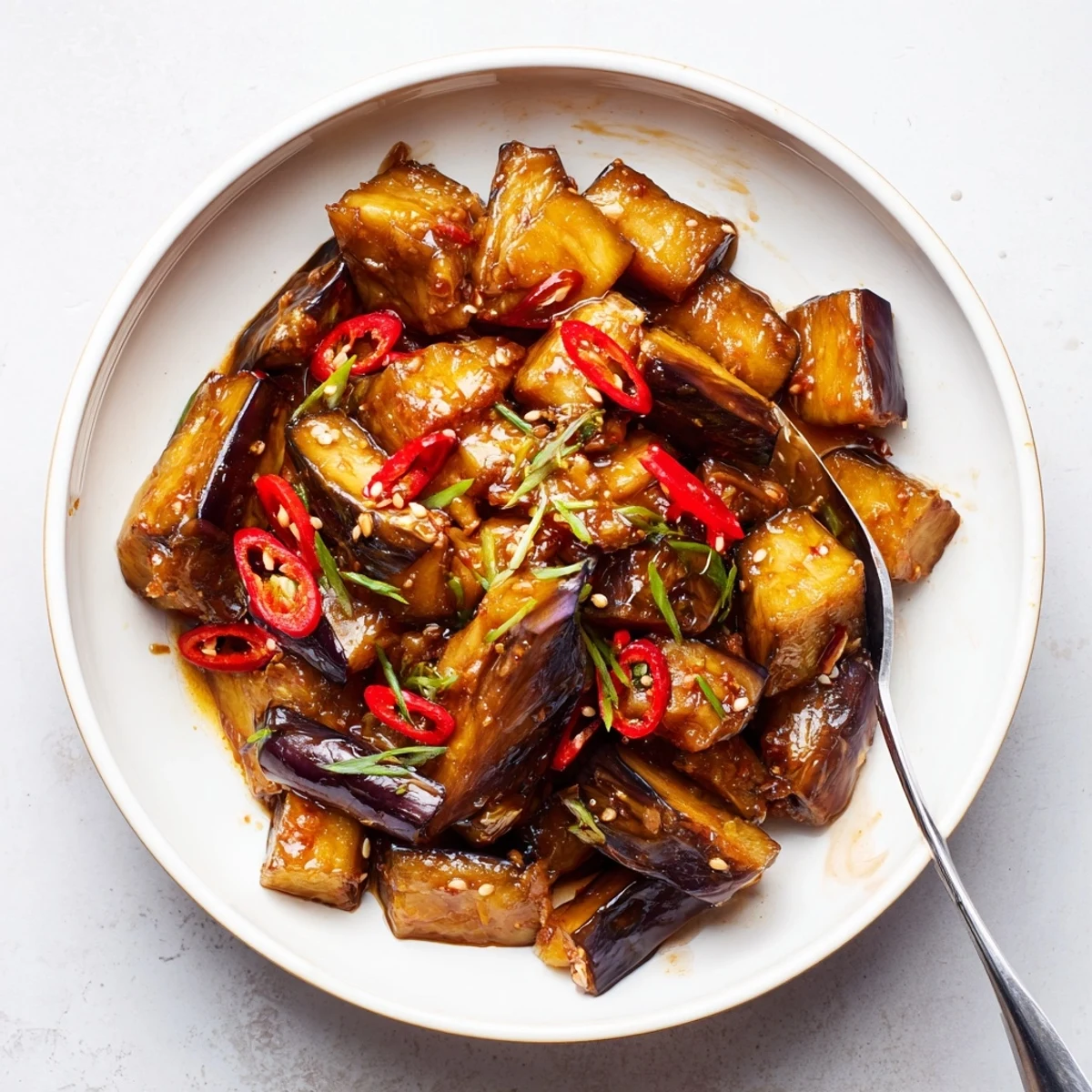
Save There’s a particular pleasure in watching a friend’s face light up after their first bite, especially when they’re convinced they don’t like aubergine. It’s a tiny moment that makes all the pan-watching and garlic-mincing feel absolutely worthwhile.
Choosing Your Aubergines
Small, slender aubergines often have fewer seeds and soak up less oil, which can be a game-changer if you find eggplant dishes too greasy. If all you can get are the big globes, just salt and drain them longer for the best texture.
Mastering The Sauce
Balance is everything—the right doubanjiang offers a mellow, aged funk, but a splash too much can overpower. Taste the sauce before returning the aubergines and adjust with a pinch more sugar or vinegar if needed.
Finishing Touches
Don’t underestimate the effect of final garnishes: spring onions, an extra drizzle of sesame oil, or even toasted peanuts. Simple additions truly elevate the dish every time.
- If you’re after a fiery kick, lightly toast some Sichuan peppercorns with your aromatics.
- Serve straight from the pan with steamed jasmine rice—you won’t want to wait.
- Double the recipe for gatherings, as it disappears fast.
 Save
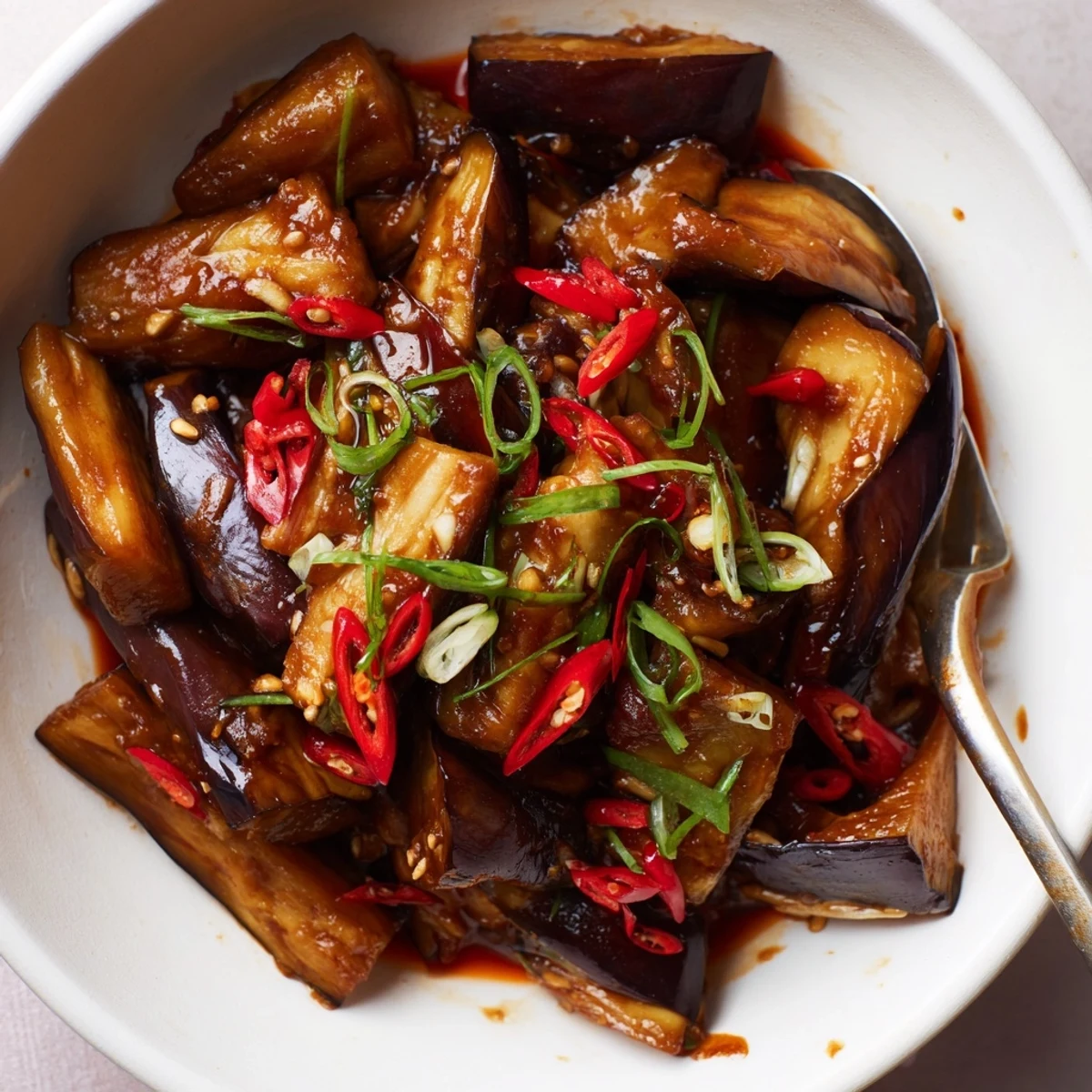
Save When you cook Sichuan aubergines, expect a kitchen full of aroma and maybe a little chaos—worth every moment for that first, flavorful bite. I hope you enjoy it as much as everyone at my table always does.
Recipe FAQs
- → How can I stop aubergines from soaking too much oil?
-
Salt the cut aubergine and let it sit for 10 minutes to draw out moisture, then rinse and pat dry. Fry in batches in hot oil and drain on paper towels to reduce absorption.
- → What can I use instead of doubanjiang?
-
Use a mix of chili garlic sauce and a little fermented bean paste if available, or chili paste with a pinch of miso for umami—flavor will vary but maintain spice and depth with soy and vinegar.
- → How do I get a glossy, thickened sauce?
-
Mix cornstarch with cold water into a smooth slurry and stir it into the simmering sauce. Cook briefly until the sauce becomes glossy and coats the aubergine evenly.
- → Can I add Sichuan peppercorns for numbing heat?
-
Yes. Toast whole peppercorns briefly and grind, then add with the aromatics or sprinkle at the end. Use sparingly to balance the tongue-tingling floral heat with the chili paste.
- → What are good serving suggestions?
-
Serve over steamed jasmine rice or alongside noodles. Top with sliced spring onions, toasted peanuts for crunch, and a drizzle of sesame oil to finish.
- → How should leftovers be stored and reheated?
-
Cool quickly and refrigerate in an airtight container for up to 3 days. Reheat gently in a skillet with a splash of water to loosen the sauce; avoid high heat to prevent drying out.