
 Save
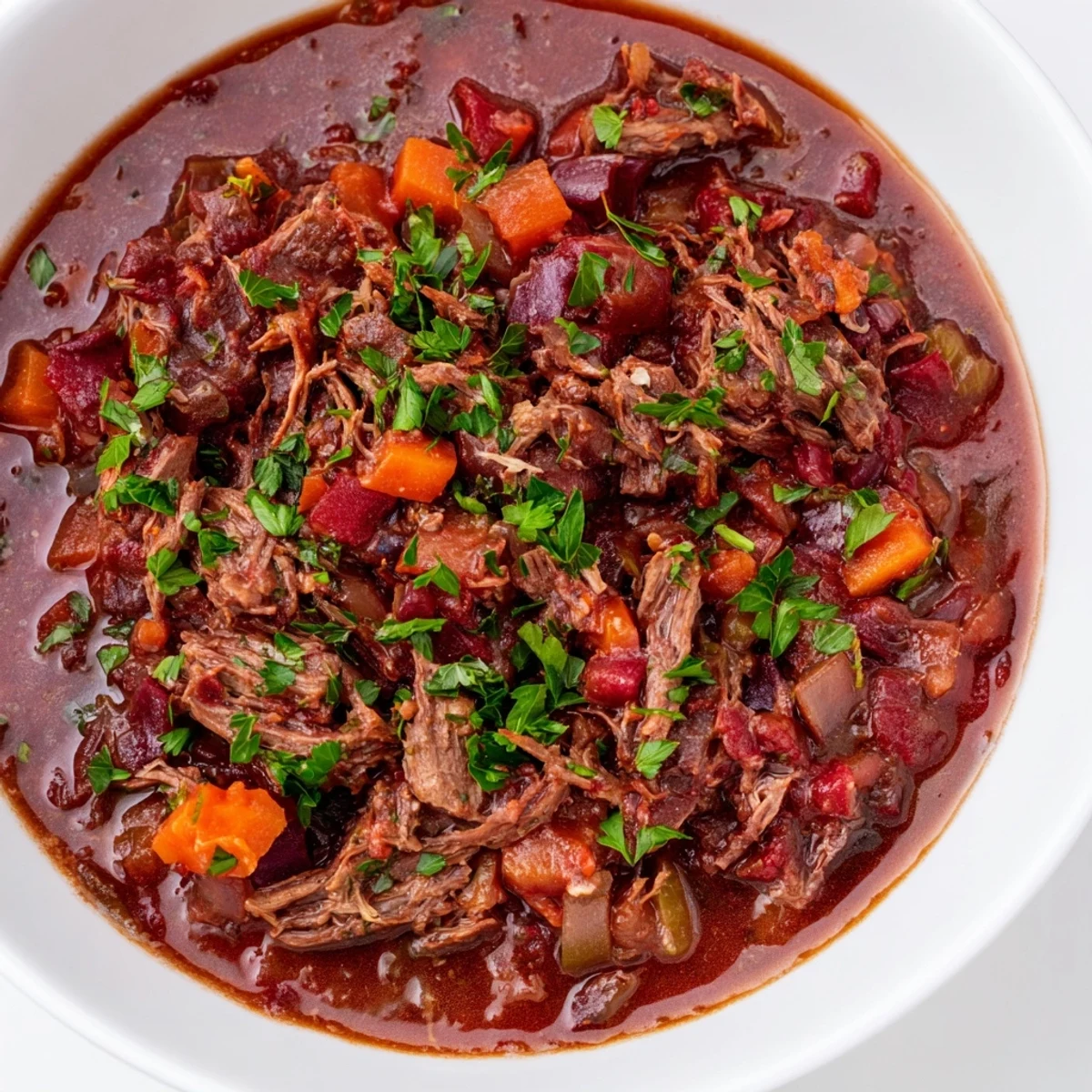
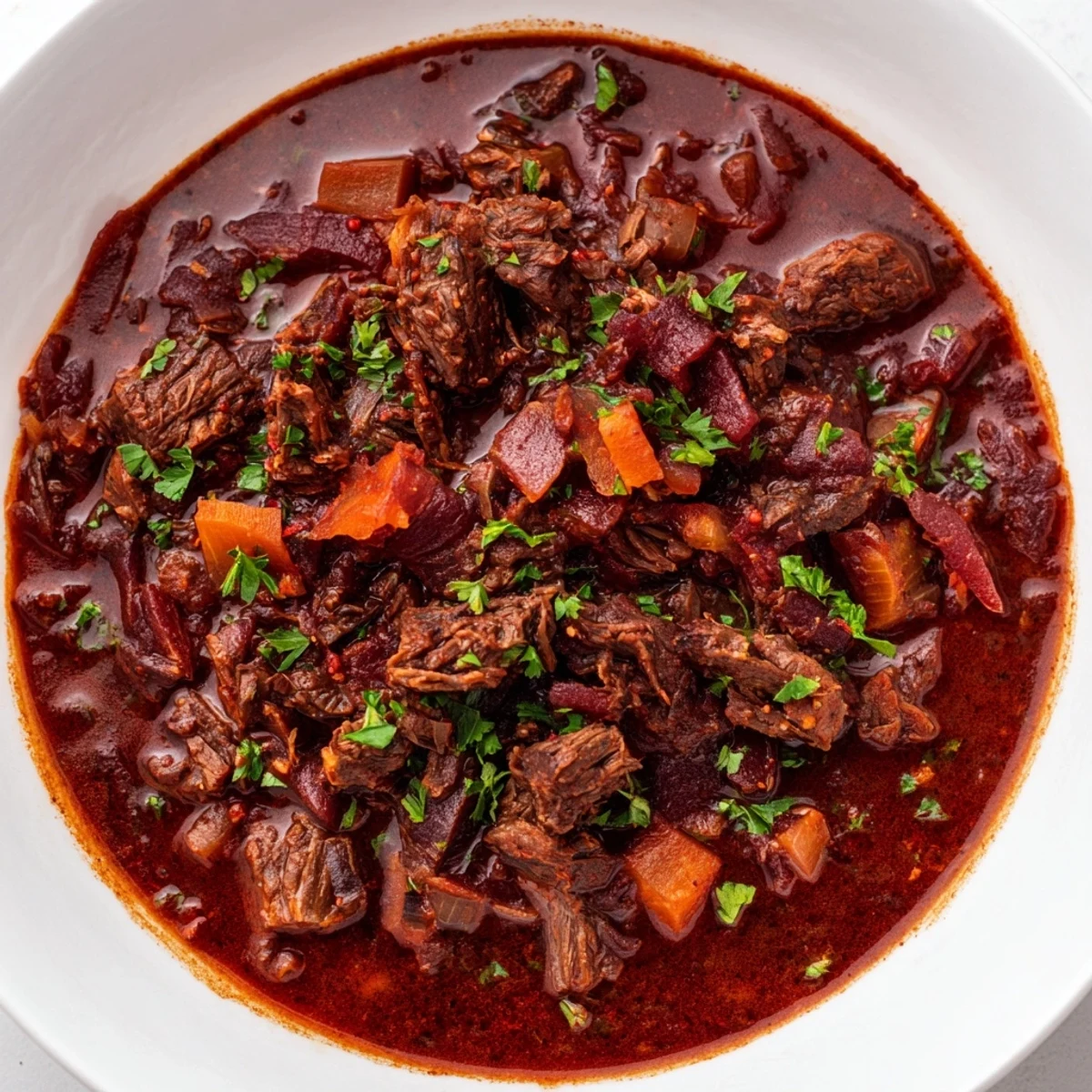
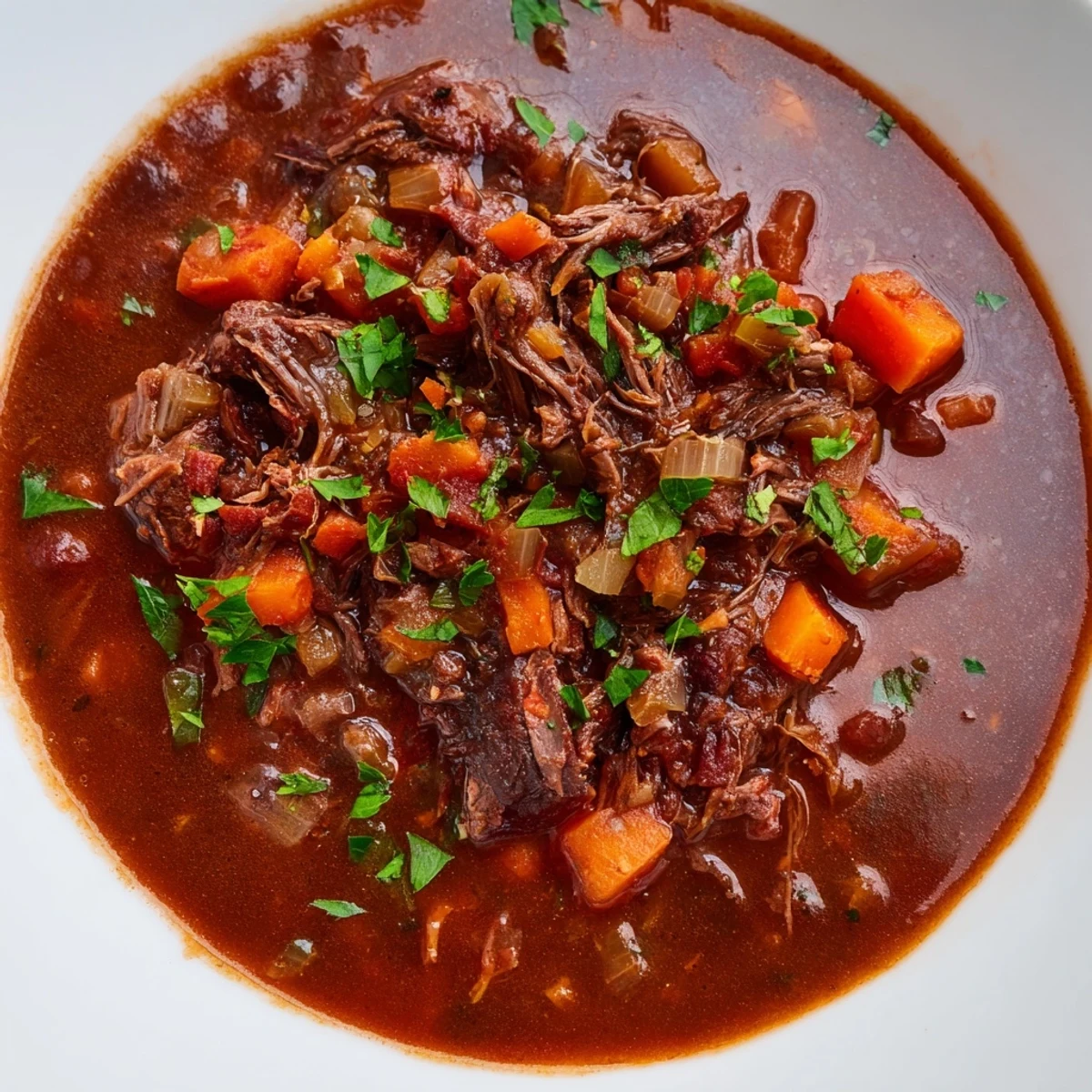
Save This slow cooker beef ragu is an authentic Italian-inspired dish that combines tender beef chuck, crushed tomatoes, and aromatic vegetables simmered low and slow for 8 hours. The result is an incredibly tender, flavorful sauce perfect for pasta or polenta. Easy to prepare with minimal hands-on time, this dairy-free main dish serves 6 and is ideal for meal planning. The long cooking time allows flavors to develop beautifully, creating a comforting, restaurant-quality sauce at home.
The scent of slow-cooking beef wafting through my home on a rainy Sunday still takes me back to my first attempt at this beef ragu. I'd returned from a trip to northern Italy where a local nonna had shown me her family's rustic sauce, simmering for hours while life happened around it. Back home with a new slow cooker and determination, I attempted to recreate that moment of culinary revelation.
Last winter when my sister's family visited during that unexpected snowstorm, this ragu became our salvation. We were housebound for two days, playing board games by the fire while the slow cooker worked its magic in the kitchen. The children, usually picky, kept wandering into the kitchen asking when dinner would be ready, drawn by the rich tomato and herb fragrance that promised comfort.
Ingredients
- Beef chuck: The humble chuck roast becomes extraordinarily tender after slow cooking, breaking down into succulent shreds that carry all the flavors of the sauce.
- Crushed tomatoes: I've learned that San Marzano tomatoes make a noticeable difference with their sweeter, less acidic profile.
- Red wine: Use something you'd actually drink, as the alcohol cooks off but the flavor concentrates into the meat.
- Mirepoix: The classic onion, carrot and celery base builds a foundation of sweetness and depth that balances the richness of the beef.
- Bay leaf: This unassuming leaf works quiet magic, infusing the sauce with subtle complexity that you'd miss if it weren't there.
Instructions
- Sear with patience:
- Get that skillet properly hot before adding your beef cubes, giving them plenty of space so they brown rather than steam. Those caramelized edges aren't just for looks, they're little flavor bombs.
- Layer the aromatics:
- After removing the beef, throw those diced vegetables into the same pan to capture all those browned bits from the bottom. You'll notice them releasing moisture that helps deglaze naturally.
- Low and slow magic:
- When everything's in the slow cooker, resist the temptation to lift the lid and peek. Each time you do, you're adding 20-30 minutes to the cooking time as the heat escapes.
- The shredding moment:
- There's something deeply satisfying about that moment when the fork slides through the beef with almost no resistance. Let the meat fall apart naturally rather than forcing it.
- Final taste test:
- After hours of cooking, your palate needs a fresh perspective. Take a small bite, wait a moment, then decide if it needs more salt, pepper, or perhaps a splash of balsamic for brightness.
 Save
Save The first time I served this ragu to my Italian friend Marco, I was nervous about his verdict. He twirled his fork through the pasta, took a bite, then closed his eyes for a moment before looking up with a smile that needed no translation. He asked for the recipe to send to his mother in Bologna, and I couldn't have received a better compliment.
Serving Suggestions
While I love this ragu over wide pappardelle pasta that catches all the sauce in its ribbons, I've discovered it's equally magnificent ladled over creamy polenta on colder nights. The contrast between the rustic, chunky sauce and the smooth, buttery corn base creates a textural experience that feels both homey and sophisticated.
Make-Ahead Magic
Through happy accident, I learned this ragu actually improves with a day of rest in the refrigerator. The flavors meld and deepen overnight, making it an ideal prepare-ahead meal for entertaining. I've even portioned leftovers into freezer containers for emergency comfort food when life gets chaotic, and it thaws beautifully without losing its character.
Wine Pairing Wisdom
This robust sauce calls for an equally characterful wine companion, something with enough structure to stand up to the richness. My Tuscan adventure taught me that regional pairings often work best, which is why a Chianti Classico or Montepulciano d'Abruzzo brings out the best in this dish.
- Look for wines with good acidity to cut through the richness of the beef and complement the tomatoes.
- If you prefer something non-Italian, a Rhône Valley red or even a robust Malbec works surprisingly well.
- Remember that the wine you cook with should be at least as good as what you're drinking with the meal.
 Save
Save This slow-cooked ragu isn't just about feeding people, it's about creating a moment where time slows down and conversation flows as freely as the wine. It reminds us that some of the best things can't be rushed.
Recipe FAQs
- → Can I use a different cut of beef?
-
Yes, beef chuck is ideal for slow cooking, but you can substitute with pork shoulder or lamb for variation. Look for cuts with some fat content to keep the meat moist during the long cooking process.
- → How long can I store the ragu?
-
The ragu can be refrigerated for up to 4 days in an airtight container. It also freezes beautifully for up to 3 months, making it perfect for meal prep and advance cooking.
- → What can I serve this with besides pasta?
-
This versatile ragu pairs wonderfully with creamy polenta, mashed potatoes, rice, or crusty bread. You can also use it as a filling for lasagna or baked ziti dishes.
- → Can I cook this on high instead of low?
-
While you can cook on high for 4-5 hours, low heat for 8 hours produces more tender beef and better-developed flavors. Low and slow is recommended for optimal results.
- → How do I enhance the flavor?
-
Add a Parmesan rind at the start of cooking for deeper umami flavor, then remove before serving. A splash of balsamic vinegar or red wine added near the end also enriches the taste.
- → Is this truly dairy-free?
-
Yes, the base ragu is dairy-free. Parmesan cheese and polenta (if made with butter/cream) are optional additions. Check broth and canned tomato labels for any hidden dairy or allergens.