
 Save
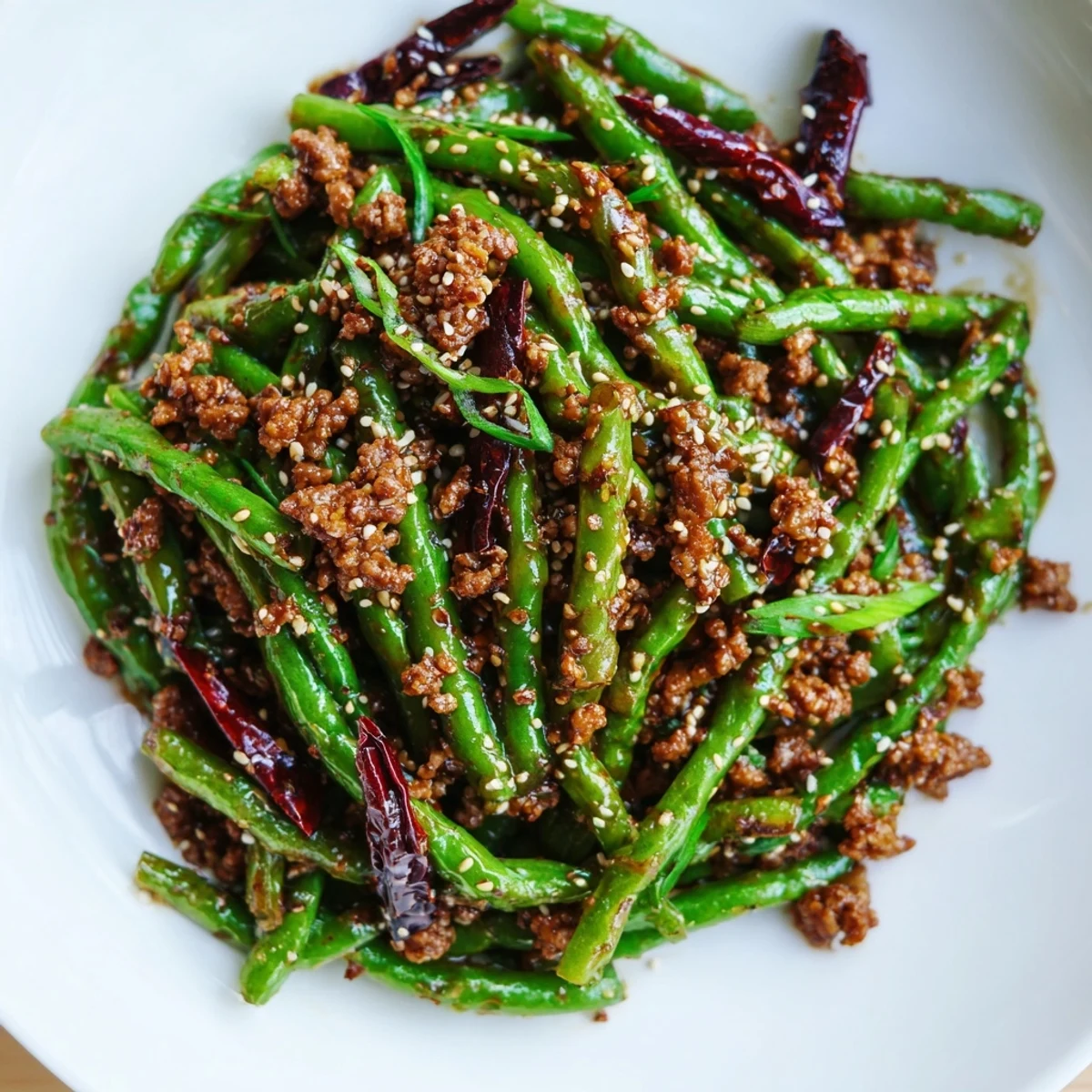
Save This authentic Szechuan stir-fry combines blanched green beans with seasoned minced beef in a fragrant, spicy sauce made from Szechuan peppercorns, dried chilies, chili bean paste, and aromatic garlic and ginger. The dish comes together in about 30 minutes—15 minutes prep and 15 minutes cooking—making it ideal for weeknight dinners.
The key to success is properly blanching the green beans first to achieve that signature tender-crisp texture, then building layers of heat and umami through carefully balanced spices and sauces. Serve hot over jasmine rice for an impressive meal that delivers authentic Chinese flavors.
The scent of Szechuan peppercorns toasting in my wok always transports me straight to the bustling streets of Chengdu. I first attempted this green bean stir-fry after returning from a culinary tour through China's Sichuan province, where the balance of numbing spice and savory depth changed everything I thought I knew about Chinese cooking. Each time the oil sizzles and the chilies hit the pan, I'm taken back to that tiny restaurant where an elderly chef showed me how to properly dry-fry the beans until blistered and intensely flavored.
Last summer, I made this dish for my brother who claims he hates spicy food, promising to dial back the chilies. Halfway through dinner, I caught him sneaking extra chili oil from the pantry to add to his plate. The conversion was complete, and now it's his most requested meal when he visits. Sometimes the best culinary victories come when someone who swore they wouldn't like something ends up loving it more than you do.
Ingredients
- Green Beans: Look for beans that snap crisply when bent, as slightly underripe ones actually work best for this dish and won't turn mushy during the high-heat cooking.
- Szechuan Peppercorns: Toast these briefly before grinding for the authentic numbing sensation that defines Szechuan cuisine, and avoid the black seeds inside which can taste bitter.
- Chili Bean Paste (Doubanjiang): After trying countless brands, I discovered the Pixian variety from Sichuan gives that deep, fermented complexity you simply cant replicate with substitutes.
- Minced Beef: Dont go too lean here, as the 80/20 fat ratio creates those crispy-edged morsels that carry all the spicy flavors beautifully.
Instructions
- Blanch Those Beans:
- Give your green beans a quick 2-minute swim in boiling salted water before shocking them in ice water. This pre-cooking step ensures theyll blister instead of burn when they hit your screaming hot wok later.
- Build Your Flavor Base:
- Watch carefully as those Szechuan peppercorns and dried chilies dance in the hot oil, releasing their aromatic oils in just 30 seconds. Your kitchen will fill with a woodsy, citrusy scent that signals youre on the right track.
- Brown the Beef:
- Break the meat into small crumbles as it cooks, listening for that satisfying sizzle that tells you its getting properly caramelized. Those browned bits are tiny flavor bombs that will distribute throughout the dish.
- Aromatics Next:
- When the garlic, ginger and spring onions hit the wok, stand back and inhale that incredible fragrance that rises with the steam. This momentary pause allows their essential oils to infuse the oil before adding the beans.
- Bean Magic:
- Add your blanched beans to the wok and listen for that aggressive sizzle that means youre cooking hot enough. They should start to wrinkle slightly and take on color from the beef and seasonings.
- Sauce It Up:
- Pour in your liquid seasonings around the sides of the wok rather than directly on the ingredients. This way they hit the hot metal first, reducing immediately and clinging to the beans and beef instead of pooling at the bottom.
- The Final Toss:
- Keep everything moving constantly during the final 2-3 minutes, using a lifting motion with your spatula to coat every bean and beef morsel with that glossy, spicy sauce. Your wrist should ache just slightly from the quick movements.
 Save
Save The first time I served this dish at a potluck, a friend's grandmother from Chongqing asked for the recipe, which might be the greatest culinary compliment I've ever received. She smiled knowingly as she took her first bite, then whispered that the texture of the beans told her I had learned the proper technique. Sometimes validation comes from unexpected places, and her nod of approval meant more than any cooking award ever could.
Balancing Your Heat Levels
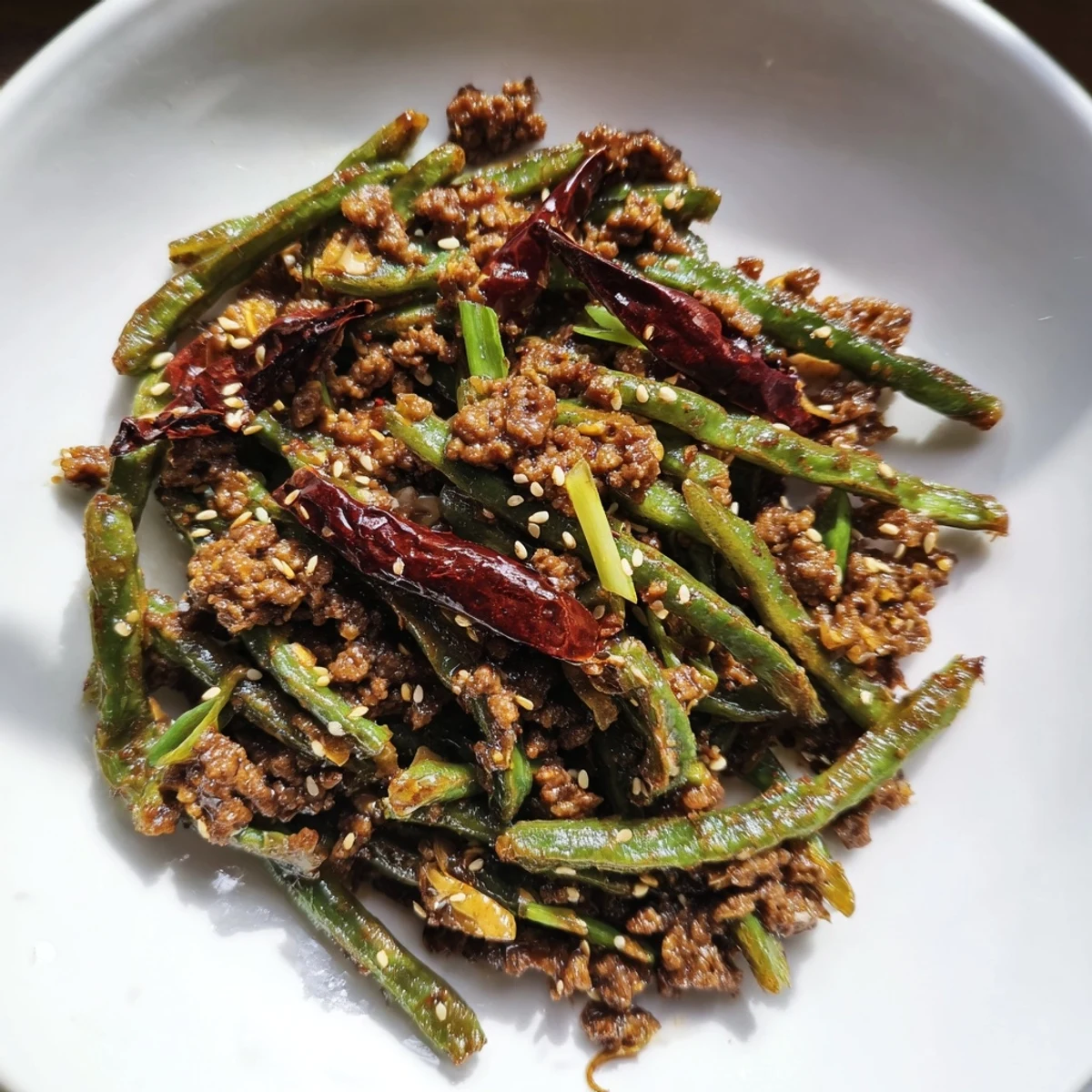
After making this dish countless times, I've learned to customize the heat based on who's eating it. The dried chilies can be deseeded for a milder burn while keeping their fragrant quality intact. For true heat seekers, crushing one of the fried chilies into the finished dish adds an intensity that creeps up gradually rather than overwhelming immediately. When cooking for mixed heat preferences, I've taken to serving chili oil on the side so everyone can dial their experience up or down.
Making It Ahead
While this dish is ideally eaten fresh off the wok, I've discovered some prep tricks when time is tight. Blanching the beans and preparing the sauce mixture up to a day ahead transforms this into a 10-minute meal when you need it. The blanched, dried beans develop an even more concentrated flavor in the refrigerator overnight. Just bring everything to room temperature before the final stir-fry for the best texture and to prevent oil splattering.
Serving Suggestions
Finding the perfect accompaniment to this bold dish took some experimentation before I landed on plain jasmine rice as the ideal canvas. The subtlety allows the complex flavors of the beans to shine without competition. When I'm feeling ambitious, I serve this alongside cucumber ribbons quickly pickled in rice vinegar and a touch of sugar, creating a cooling contrast to the spicy beans.
- For a heartier meal, try serving over chewy hand-pulled noodles that catch bits of the savory sauce in their folds.
- A simple side of raw vegetables like julienned carrots or radish provides textural contrast and refreshing crunch against the intensity of the main dish.
- If youre sensitive to heat, have cooling yogurt or even coconut rice ready to temper the spice while still enjoying the complex flavors.
 Save
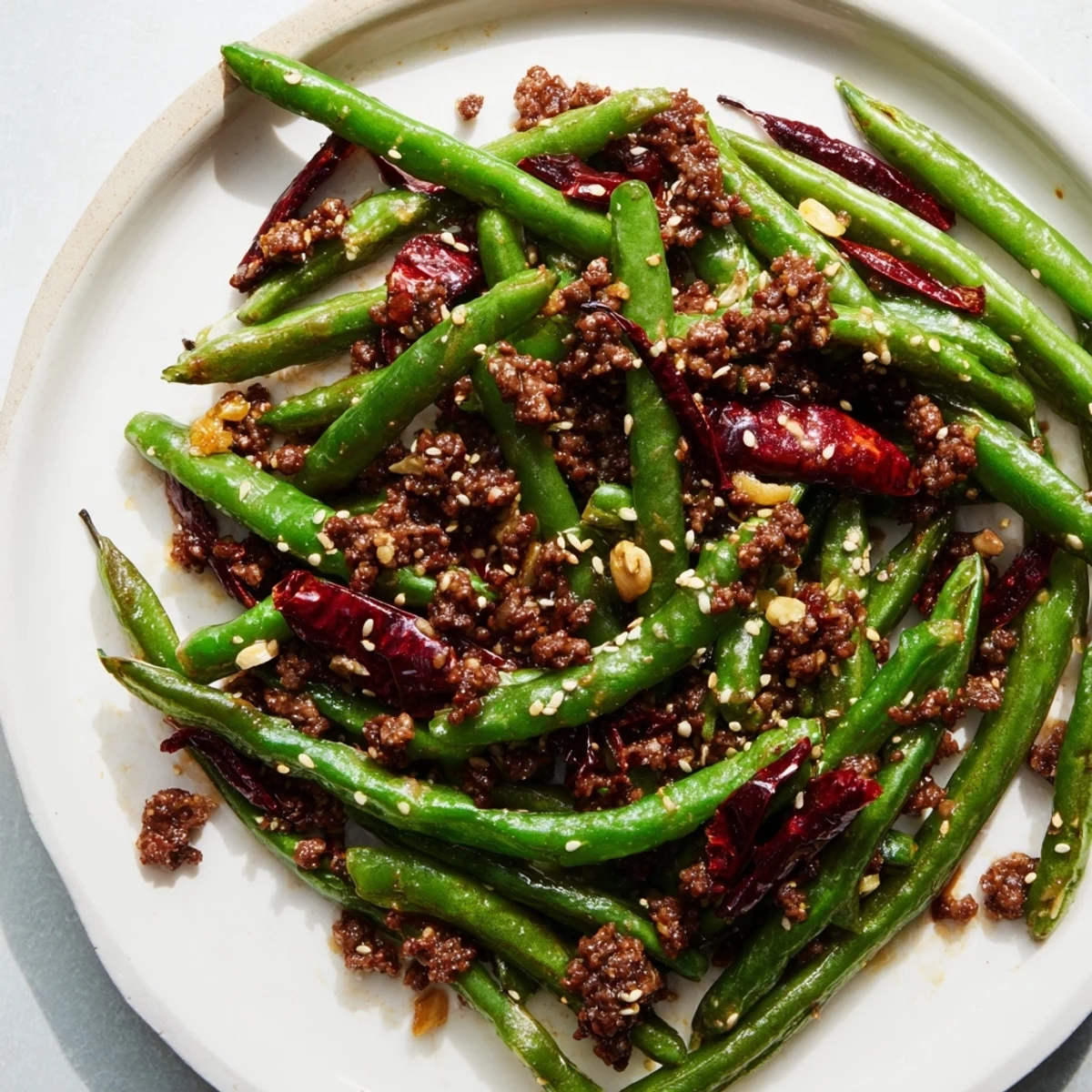
Save This dish has become my signature offering, requested at gatherings and family dinners alike. Each time I make it, the recipe evolves slightly, shaped by new techniques and ingredients discovered along the way, yet always rooted in that memorable afternoon in a Chengdu kitchen.
Recipe FAQs
- → How do I get the green beans crispy-tender?
-
Blanch the green beans in boiling salted water for just 2 minutes, then immediately transfer to ice water to stop the cooking process. This preserves their crunch while softening them slightly. Pat them dry before adding to the wok so they absorb the sauce properly.
- → What's the purpose of toasting the Szechuan peppercorns?
-
Toasting the peppercorns in hot oil releases their essential oils and creates the signature numbing, citrusy flavor that defines Szechuan cuisine. Heat them for just 30 seconds until fragrant—don't let them burn. You can remove them afterward if you prefer a milder dish.
- → Can I adjust the heat level?
-
Absolutely. Start with fewer dried chilies than suggested, or remove the peppercorns after toasting if you prefer less heat. You can also add more chili flakes during cooking. Taste as you go and adjust the balance of heat, salt, and sweetness to your preference.
- → What's a good substitute for Szechuan peppercorns?
-
If unavailable, use black peppercorns for heat, though you'll lose the distinctive numbing quality. Alternatively, increase the dried chilies and add a touch of white pepper for complexity. The dish will taste different but still satisfying.
- → How do I make this vegetarian?
-
Replace the minced beef with crumbled firm tofu or pressed extra-firm tofu cut into small cubes. Add an extra tablespoon of soy sauce and a splash of vegetable broth to compensate for the richness of the beef. The cooking time remains the same.
- → What wine can I use instead of Shaoxing wine?
-
Dry sherry or dry white wine works well as a substitute. Avoid sweet wines as they'll imbalance the sauce. If cooking for those avoiding alcohol, simply omit it or add a teaspoon of rice vinegar instead for depth.