
 Save
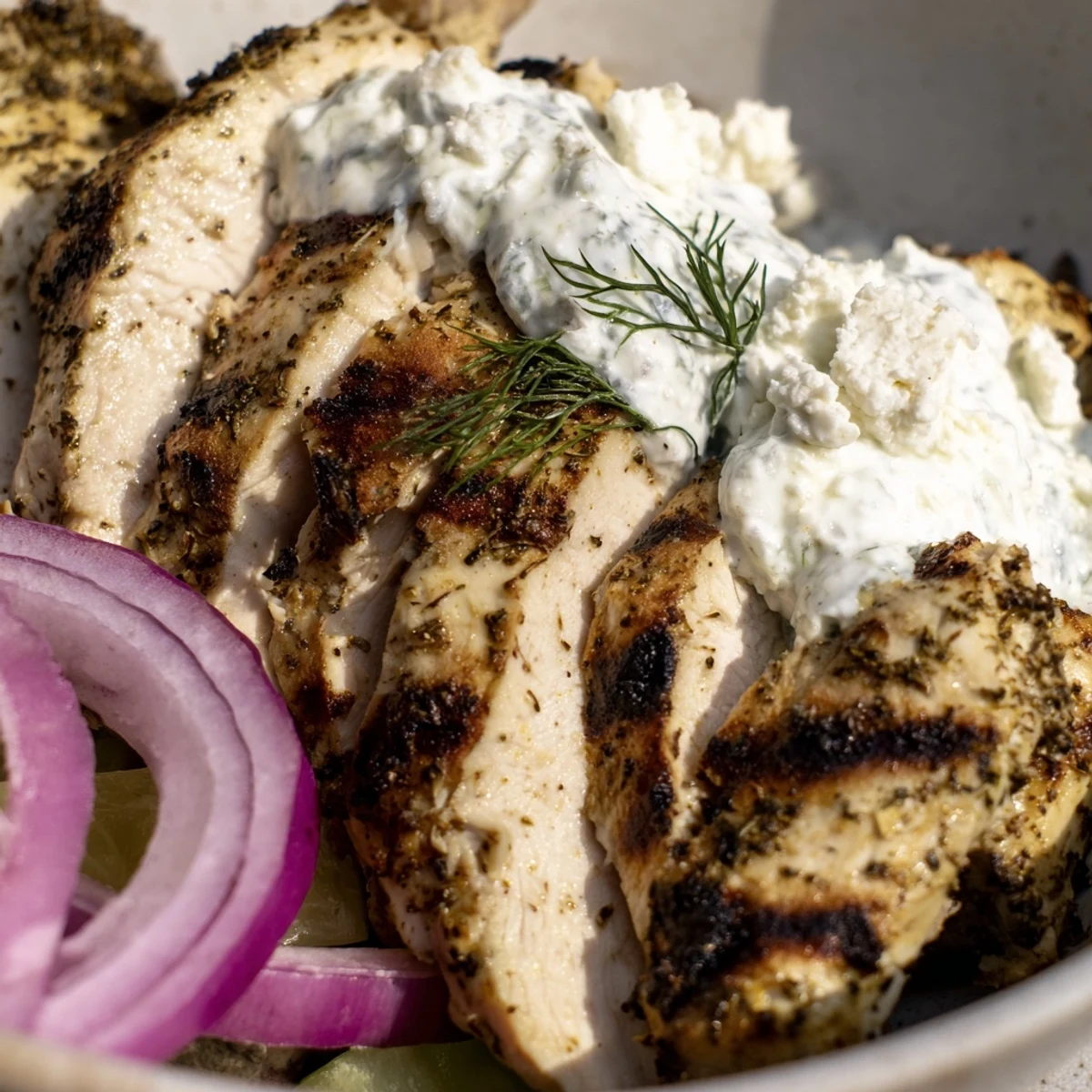
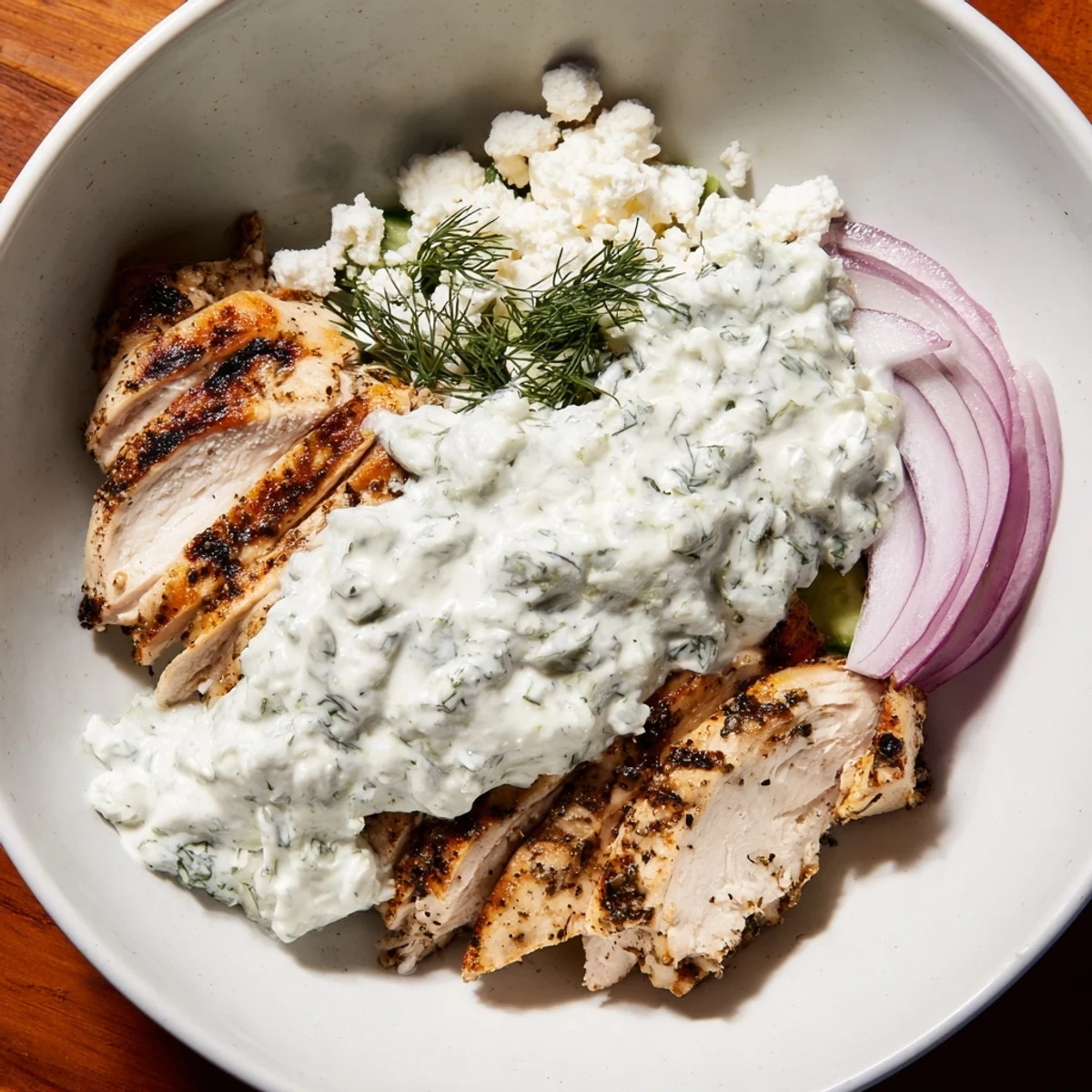
Save This Mediterranean-inspired dish combines tender, marinated chicken with fragrant basmati rice and vibrant fresh vegetables including cucumbers, cherry tomatoes, and kalamata olives. The creamy homemade tzatziki sauce adds a refreshing touch, balancing the smoky spices on the chicken. Garnished with lemon wedges and fresh parsley, it offers a wholesome and flavorful meal perfect for lunch or dinner. Versatile options like quinoa or cauliflower rice can substitute the base, while warm pita bread serves as a welcome accompaniment.
There's something about the smell of oregano hitting a hot pan that instantly transports you somewhere sunny and easy. I first made these gyro bowls on a lazy Sunday when my fridge had chicken, yogurt, and a half-empty jar of olives staring back at me. Instead of ordering takeout, I decided to build something that tasted like I'd spent hours planning it, but really I just threw together what felt right. Now they're what I reach for when I want something that feels special without the stress.
I made these for a small dinner party once, and a friend who claimed to be "not a rice person" ended up going back for thirds. The funny part was watching everyone customize their bowls differently—some piled on extra feta, others squeezed lemon all over everything. That's when I realized this recipe works because it lets people build exactly what they want while everything tastes intentionally seasoned and connected.
Ingredients
- Chicken breasts or thighs: Thighs stay juicier if you're nervous about overcooking, but breasts work beautifully if you don't let them sit in the pan too long.
- Olive oil: Use good stuff you'd actually drink if you had to—it makes the marinade and tzatziki taste infinitely better.
- Lemon juice: Fresh is non-negotiable here; bottled tastes like sadness by comparison.
- Greek yogurt: The full-fat version makes the tzatziki luxurious, and it also tenderizes the chicken in ways sour cream just won't.
- Oregano, cumin, and smoked paprika: These three are the whole reason it tastes Mediterranean and not just like plain chicken.
- Cucumber: Squeeze out that water aggressively in the tzatziki or you'll end up with a sad, watery sauce.
- Fresh dill: If you can't find it, don't skip it—use the dried version, but use less and understand it won't be quite the same.
- Basmati or jasmine rice: Either works, but jasmine has a subtle sweetness that plays nicely with the salty feta and olives.
- Cherry tomatoes, cucumber, red onion: These are your freshness factor; don't skip them or the whole bowl loses its brightness.
- Kalamata olives and feta cheese: These aren't optional flourishes—they're the salty anchors that make everything taste intentional.
Instructions
- Build your marinade like you're making a vinaigrette:
- Whisk the oil, lemon juice, minced garlic, Greek yogurt, and all your spices together until it's smooth and fragrant. The yogurt might seem weird here, but it breaks down the chicken's proteins and makes everything tender without drying it out.
- Coat the chicken and let it sit:
- Toss your chicken in that marinade, cover it, and stick it in the fridge for at least 20 minutes. If you have time, leave it longer—the flavors deepen and the chicken gets even more tender as it sits.
- Make the tzatziki while you wait:
- Combine yogurt, your grated cucumber (squeezed dry), olive oil, dill, garlic, and lemon juice in a small bowl and let it chill. This is the backbone of everything, so taste it and adjust the salt and lemon to your preference.
- Get your pan screaming hot:
- Heat your skillet or grill pan over medium-high heat until it's properly hot—if the chicken doesn't sizzle when it hits the pan, it won't get that golden crust. Cook each side for 5 to 6 minutes until the edges are caramelized and the inside is cooked through.
- Let the chicken rest:
- This seems fussy, but it really matters—let it sit for 5 minutes before slicing so the juices redistribute and you don't end up with dry pieces.
- Build your bowls with intention:
- Start with rice as your base, layer on the sliced chicken, then arrange your tomatoes, cucumber, red onion, and olives like you're actually trying. The feta goes on last so it doesn't get buried, and then you drizzle tzatziki everywhere.
- Finish with brightness:
- Fresh parsley gets chopped over the top, lemon wedges go on the side for squeezing, and if you're serving pita, warm it while everything else comes together.
 Save
Save I remember bringing these to a potluck and standing around the kitchen watching people's faces as they took that first bite—the way the cool tzatziki cut through the warm spiced chicken, how the feta added this salty richness. It was then I realized this recipe works because it's actually balanced; every element has a job and they all play together.
Building the Perfect Bowl
The secret to not getting tired of these bowls is understanding that they're a blueprint, not a rigid instruction. I've made them with quinoa instead of rice when I wanted to feel fancy, swapped the tomatoes for roasted red peppers when my garden was overflowing, and even tried them with grilled zucchini because I had it lying around. The foundation stays the same—the marinated chicken, the creamy tzatziki, something fresh and crunchy—but what you build on top can shift with whatever's in your kitchen or what your mood asks for that day.
The Tzatziki Equation
Tzatziki is one of those sauces that seems simple until you realize it can completely carry or ruin a dish. The balance of yogurt, lemon, and garlic is delicate; too much garlic and it becomes aggressive, too much lemon and it gets thin, not enough salt and it tastes like nothing. I learned this the hard way by making batches that were either too mustardy or too bland. Now I taste as I go, letting each ingredient announce itself, and I always make extra because it's incredible on roasted vegetables, with warm bread, or honestly just eaten with a spoon straight from the bowl.
Flexibility in the Kitchen
The beautiful part about this recipe is that it respects your reality. Maybe you don't have fresh dill, so you use the dried version or substitute with fresh mint. Maybe your fridge has spinach instead of fresh herbs, so you wilt it into the rice. Maybe you're short on time, so you skip the marinating step entirely and just season the chicken as it cooks—it won't be as tender, but it'll still taste good. The point isn't to follow instructions perfectly; it's to end up with a bowl that makes you feel like you took care of yourself.
- Prep your vegetables while the chicken marinates so assembly is genuinely quick.
- If you're cooking for picky eaters, keep components separate and let them build their own bowl.
- These actually taste better at room temperature or even cold the next day, so make extra for lunch.
 Save
Save These bowls have become my go-to when I want something that tastes restaurant-quality but doesn't require any magic or fussing. They're proof that simple, intentional ingredients handled with care taste better than anything complicated.
Recipe FAQs
- → How do you marinate the chicken for best flavor?
-
Whisk olive oil, lemon juice, garlic, Greek yogurt, oregano, cumin, smoked paprika, salt, and pepper together. Toss chicken in the marinade and refrigerate for 20 minutes to 2 hours.
- → What type of rice works best for the bowls?
-
Basmati or jasmine rice provide aromatic, fluffy textures that complement the fresh ingredients well, but quinoa or cauliflower rice are good alternatives.
- → How is the homemade tzatziki sauce prepared?
-
Combine Greek yogurt, grated cucumber with squeezed liquid, olive oil, fresh dill, garlic, lemon juice, salt, and pepper. Mix thoroughly and chill before serving.
- → Can the chicken be grilled or cooked differently?
-
Yes, the chicken can be grilled for a smoky flavor or cooked in a skillet until golden and cooked through, as preferred.
- → What garnishes enhance the dish's presentation and flavor?
-
Lemon wedges and fresh parsley add brightness and freshness, enhancing both the look and taste of the bowl.