
 Save
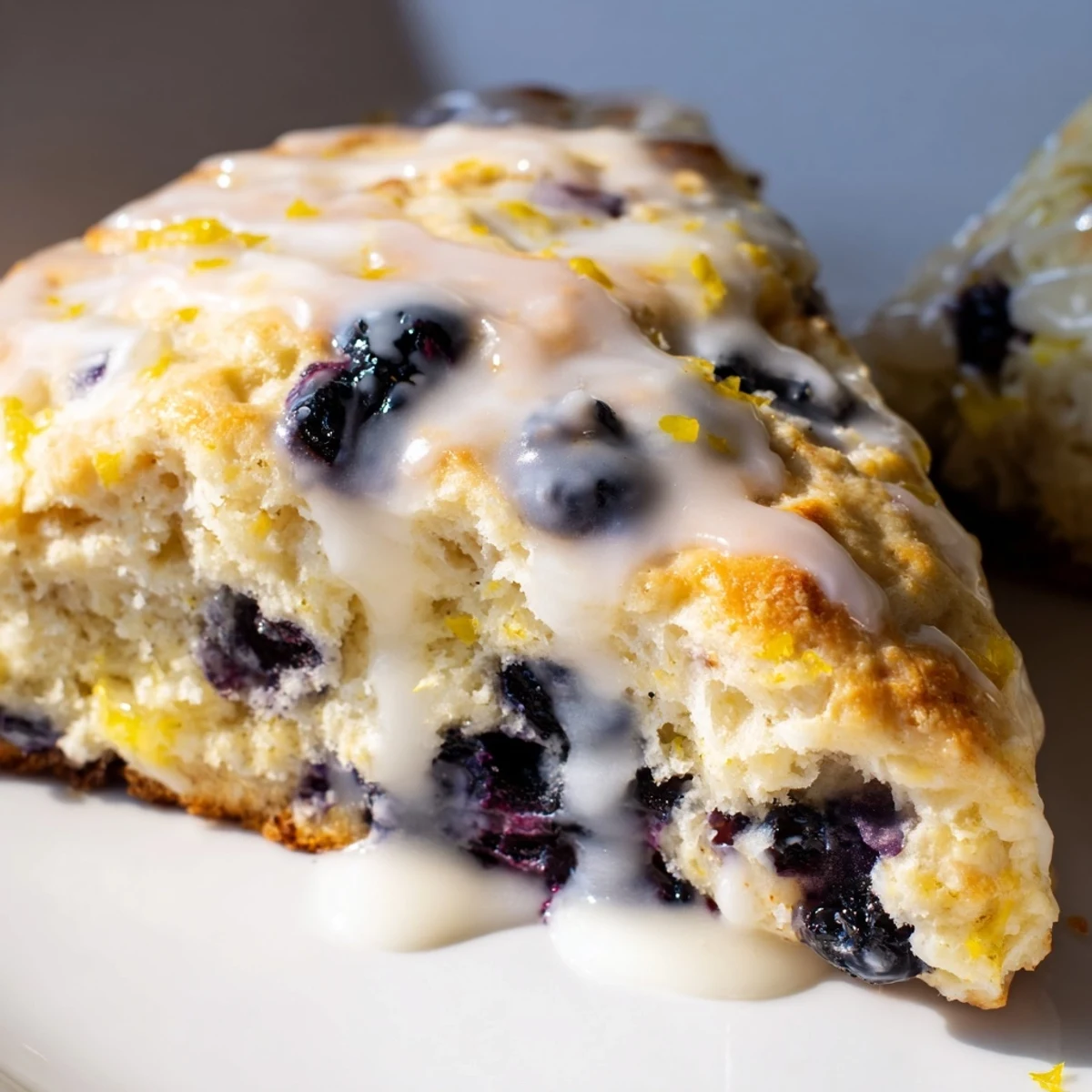
Save These tender scones blend bright lemon zest and juicy blueberries into a buttery dough, baked to golden perfection. A smooth vanilla glaze drizzled on top adds a sweet finish. Ideal for a comforting breakfast or a comforting afternoon snack, they're simple to prepare using common baking ingredients. The cold butter method ensures a flaky texture, while careful folding preserves the burst of blueberries. Serve fresh or freeze unglazed for later enjoyment.
There's something about the smell of lemon zest hitting a warm mixing bowl that makes me stop whatever I'm doing. Years ago, a friend brought these scones to brunch, and I watched people's faces light up with that first bite—the way the blueberries burst, how the glaze caught the light. I knew I had to learn to make them, and what started as a weekend experiment became my go-to when I want to feel like I've got my life together.
I remember making these for my sister's book club—not because I'm fancy, but because she casually mentioned offhand that she loved scones. The night before, I was in my kitchen at 10 p.m., patting dough into circles and wondering if I was overthinking it. When everyone arrived the next morning and one person asked for the recipe before even sitting down, I knew I'd stumbled onto something real.
Ingredients
- All-purpose flour (2 cups): This is your foundation—make sure it's fresh, and don't pack it into the measuring cup, or you'll end up with dense scones.
- Granulated sugar (1/3 cup): Sweetness that doesn't overpower the lemon and fruit; it dissolves completely into the tender crumb.
- Baking powder and baking soda (2 tsp and 1/2 tsp): These two work together to lift the scones with a delicate rise, not an aggressive one.
- Salt (1/2 tsp): A tiny amount that makes the lemon brighter without anyone tasting salt itself.
- Lemon zest (from 1 large lemon): The whole magic lives here—use a microplane so you get those tiny, fragrant pieces, not big chunks.
- Cold unsalted butter, cubed (1/2 cup): Cold butter is non-negotiable; it creates those tender pockets and prevents the dough from becoming tough.
- Cold heavy cream (2/3 cup, plus more for brushing): This replaces traditional buttermilk and creates a richer, more luxurious crumb.
- Large egg (1): Binding agent and the start of that beautiful golden top.
- Pure vanilla extract (1 tsp): A whisper of vanilla that rounds out every other flavor.
- Fresh blueberries (1 cup): If you can find them, use fresh; if frozen, keep them straight from the freezer to prevent the blue from bleeding everywhere.
- Powdered sugar, sifted (1 cup): Sift it before measuring, or you'll get an overly sweet glaze that doesn't drizzle smoothly.
- Milk or cream for glaze (2 tbsp): Just enough to loosen the sugar into something pourable and silky.
Instructions
- Heat your oven and prep:
- Set the oven to 400°F and line a baking sheet with parchment paper. You want everything ready before you touch the dough, because once you start mixing, speed matters.
- Build your dry base:
- Whisk together flour, sugar, baking powder, baking soda, salt, and that bright lemon zest. The zest should be distributed throughout so every scone tastes like lemon, not just the ones that got lucky.
- Work in the butter:
- Add cold butter cubes and use a pastry blender or your fingertips to break them into coarse crumbs. This step is where scones get their tender texture—you want pea-sized pieces of butter, not a smooth paste.
- Combine the wet ingredients:
- In a separate bowl, whisk heavy cream, egg, and vanilla until just blended. This is your binding liquid, and keeping it cold helps.
- Bring it together without overmixing:
- Pour the wet into the dry and stir gently with a wooden spoon or spatula until just combined—lumps are your friends here, not enemies. Overmixing develops gluten and turns scones tough.
- Fold in the blueberries:
- Use a spatula to gently fold them in so they stay whole and beautiful. If you're using frozen blueberries, don't thaw them first; the cold keeps them from bleeding into the dough.
- Shape and cut:
- Turn the dough onto a lightly floured surface and pat it into a 7-inch circle about 3/4 inch thick. Use a sharp knife or bench scraper to cut it into 8 wedges, like you're slicing a pie.
- Get them on the baking sheet:
- Transfer each wedge to the parchment-lined sheet, giving them a little space to expand. Brush the tops lightly with heavy cream for that golden, shiny finish.
- Bake until golden:
- Bake 18 to 20 minutes, until the tops are deep golden brown and a toothpick inserted into the center comes out clean. The kitchen will smell incredible, and that's your cue to start making tea.
- Make the glaze:
- While scones cool on a wire rack, whisk together sifted powdered sugar, milk, and vanilla until smooth and pourable. Drizzle it over the cooled scones in thin streams, letting it find its own path down the sides.
 Save
Save These scones taught me something I didn't expect: that the simple act of putting something warm and homemade on a table changes the whole mood of a morning. It's not about perfection; it's about taking 40 minutes to say, 'I'm thinking about you.'
The Secret to Tender Scones
The difference between a tender scone and a dense brick comes down to three things: cold butter, gentle handling, and not overmixing. I've made the mistake of treating the dough like bread dough, and the result was disappointing—more biscuit than scone. The moment you understand that scones live in the space between cookie and bread, everything clicks. Your instinct will tell you to keep mixing until the dough looks perfect and uniform. Resist that. Lumps and slight unevenness are signs you're doing it right.
Variations to Try
Once you've made these a couple of times, the recipe becomes a template. I've added poppy seeds for texture, swapped blueberries for raspberries on days when I wanted something more delicate, and even tried a touch of cardamom when I was feeling adventurous. The lemon and vanilla are flexible too—a little almond extract instead of vanilla, or lime zest if that's what's on your counter. The bones of the recipe stay the same; everything else is negotiable.
Serving and Storage
Scones are best eaten the day they're made, warm or at room temperature with tea or coffee. If you want to get ahead, bake them without the glaze and freeze them for up to two months—just reheat gently in a 300°F oven for a few minutes to revive them. I've also made the dough the night before, refrigerated the wedges on a baking sheet, and baked them fresh in the morning, which feels like a small gift to your future self.
- Serve with clotted cream and jam if you want to go proper, or just eat them plain with a cup of tea.
- If the glaze hardens, thin it with a tiny splash of milk and rewarm it over very low heat.
- These pair beautifully with Earl Grey, a light sparkling wine, or just strong black coffee.
 Save
Save These scones have become my quiet way of saying hello to people I care about. There's nothing complicated about them, and that's exactly the point.
Recipe FAQs
- → How do I keep blueberries from bleeding into the dough?
-
Use frozen blueberries straight from the freezer and fold them gently into the dough to minimize color bleed.
- → What is the best way to achieve flaky scones?
-
Cut cold butter into the dry ingredients until the texture resembles coarse crumbs, then mix wet ingredients gently to avoid overworking the dough.
- → Can I substitute heavy cream with other dairy or nondairy options?
-
Yes, you can use plant-based cream alternatives for a lactose-free variation without compromising texture.
- → How should I store these scones for later use?
-
Store scones in an airtight container for up to two days, or freeze them unglazed for up to two months.
- → What flavors pair well with these scones for serving?
-
They go well with Earl Grey tea or a light sparkling wine, enhancing the bright lemon and sweet glaze notes.