
 Save
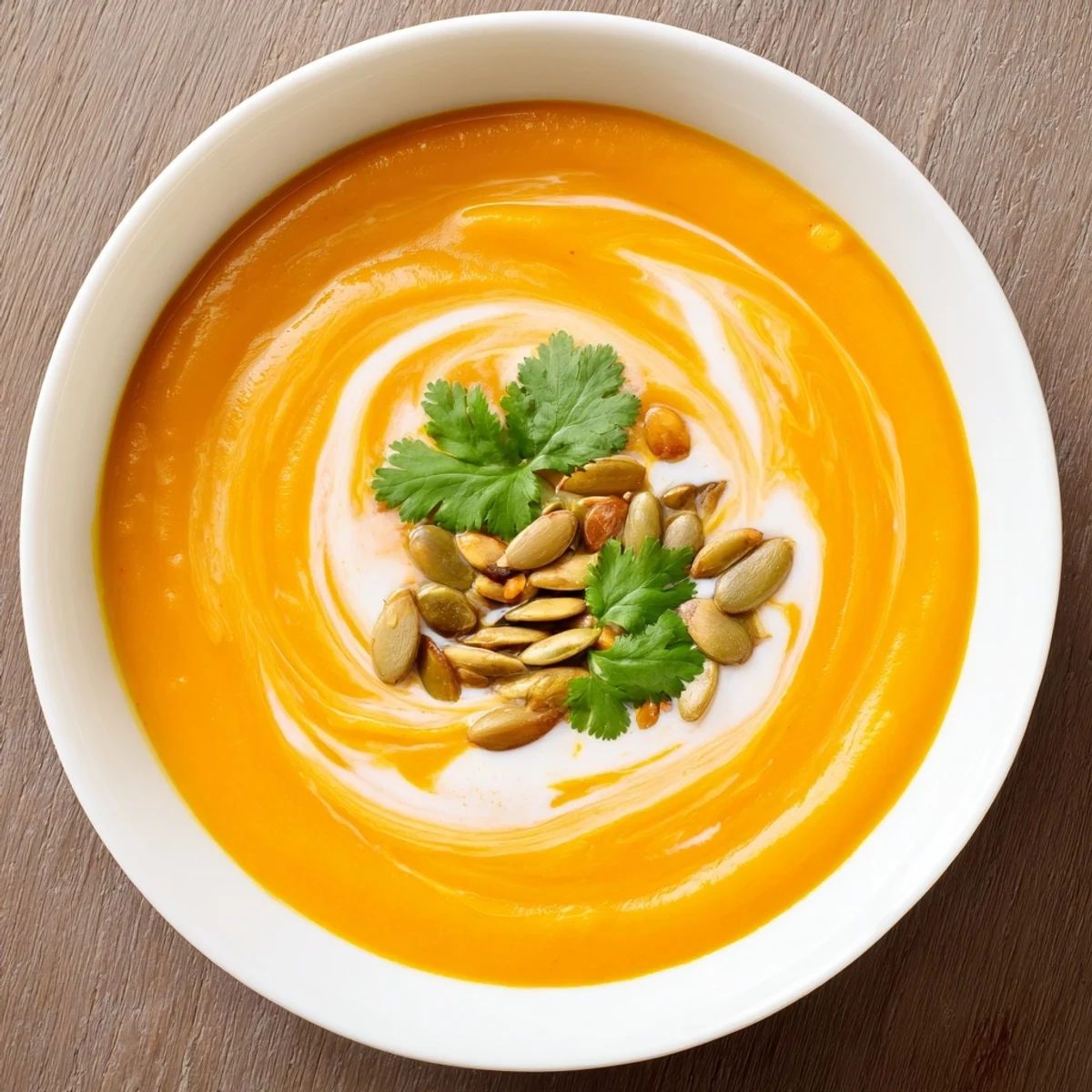
Save This velvety soup highlights the natural sweetness of roasted carrots paired with fresh ginger’s zing. The creamy coconut milk enriches the texture, making each spoonful aromatic and smooth. Roasting the vegetables caramelizes their flavors, while spices like cumin and coriander add warmth and depth. Finished with a hint of lime juice, this dish delivers a balanced, comforting experience ideal for a light lunch or elegant starter.
There's something about the smell of carrots caramelizing in the oven that stopped me mid-conversation one autumn afternoon, and I turned to find my partner standing in the kitchen doorway, equally mesmerized. We'd stumbled onto this soup almost by accident—leftover ginger from a stir-fry, a abundance of carrots from the farmer's market, and the sudden craving for something warm and velvety. That first spoonful, with its honeyed sweetness balanced by the sharp bite of ginger and the silky richness of coconut milk, became something we made again and again.
I made this for my sister during her first winter in the city, when she was feeling homesick and overwhelmed. Watching her face soften with that first spoonful, seeing the warmth spread through her shoulders as she held the bowl—that's when I realized this soup was about more than flavor. It became our ritual during her visits, the thing she'd ask for before anything else.
Ingredients
- Carrots (900 g or 2 lbs): Cut into 2 cm chunks so they roast evenly and caramelize beautifully; smaller pieces cook faster but lose that sweet, concentrated flavor.
- Yellow onion (1 medium): Chopped roughly—it'll break down completely, adding body and a subtle sweetness to balance the ginger's punch.
- Garlic (2 cloves): Roasted whole with the carrots, it becomes mellow and nutty rather than sharp or aggressive.
- Fresh ginger (1 tablespoon, sliced): The soul of this soup; slicing rather than mincing releases the essential oils more gradually during cooking.
- Olive oil (2 tablespoons total): Divided between roasting and blooming the spices; it carries the flavors without overpowering.
- Vegetable broth (800 ml): Use homemade if you have it, or a good quality store-bought; avoid anything too salty or it'll overwhelm the delicate carrot sweetness.
- Coconut milk (400 ml): Full-fat is essential here—light coconut milk will taste thin and watery by comparison.
- Ground cumin (1 teaspoon): Warm and earthy, it whispers rather than shouts, rounding out the ginger's brightness.
- Ground coriander (1/2 teaspoon): Adds a subtle citrus note that plays beautifully with the lime.
- Black pepper (1/4 teaspoon): A pinch is enough; too much and it becomes the loudest voice in the room.
- Salt (1 teaspoon, plus more to taste): Start here and adjust at the end, after the lime is added.
- Lime juice (1 lime): Don't skip this—it's the secret that makes people ask, "What's in this?" without ever guessing citrus.
Instructions
- Heat your oven and prep the vegetables:
- Preheat to 220°C (425°F) and while it's warming, chop your carrots into roughly 2 cm chunks—consistency matters because uneven pieces cook at different rates. Toss everything with olive oil and seasoning on a baking sheet, spreading them in a single layer so they have room to breathe and caramelize.
- Roast until golden and tender:
- Slide the sheet into the oven for 25-30 minutes, stirring halfway through so the edges catch the heat evenly. You'll know they're ready when the carrot chunks are fork-tender and the edges are deep golden—this is where the magic sweetness comes from.
- Bloom the spices:
- While the vegetables are roasting, heat your remaining olive oil in a large pot over medium heat. Once shimmering, add the sliced ginger, cumin, and coriander, letting them sizzle and release their aromas—this takes just a minute or two, but it awakens every spice and makes them taste alive.
- Combine and simmer:
- Scrape the roasted vegetables into the pot (don't waste a single caramelized bit) and pour in the vegetable broth. Bring to a boil, then lower the heat and let it simmer gently for 10 minutes to marry all the flavors together.
- Add the coconut milk and finish simmering:
- Pour in the coconut milk, reserving 2 tablespoons if you want a pretty drizzle on top. Simmer for another 5 minutes without letting it boil—you want the coconut flavor to integrate softly, not separate or break.
- Blend to silky smoothness:
- Remove from heat and use an immersion blender to purée everything until completely smooth and velvety. If using a regular blender, work in batches and be patient; a smooth soup is non-negotiable here.
- Adjust and serve:
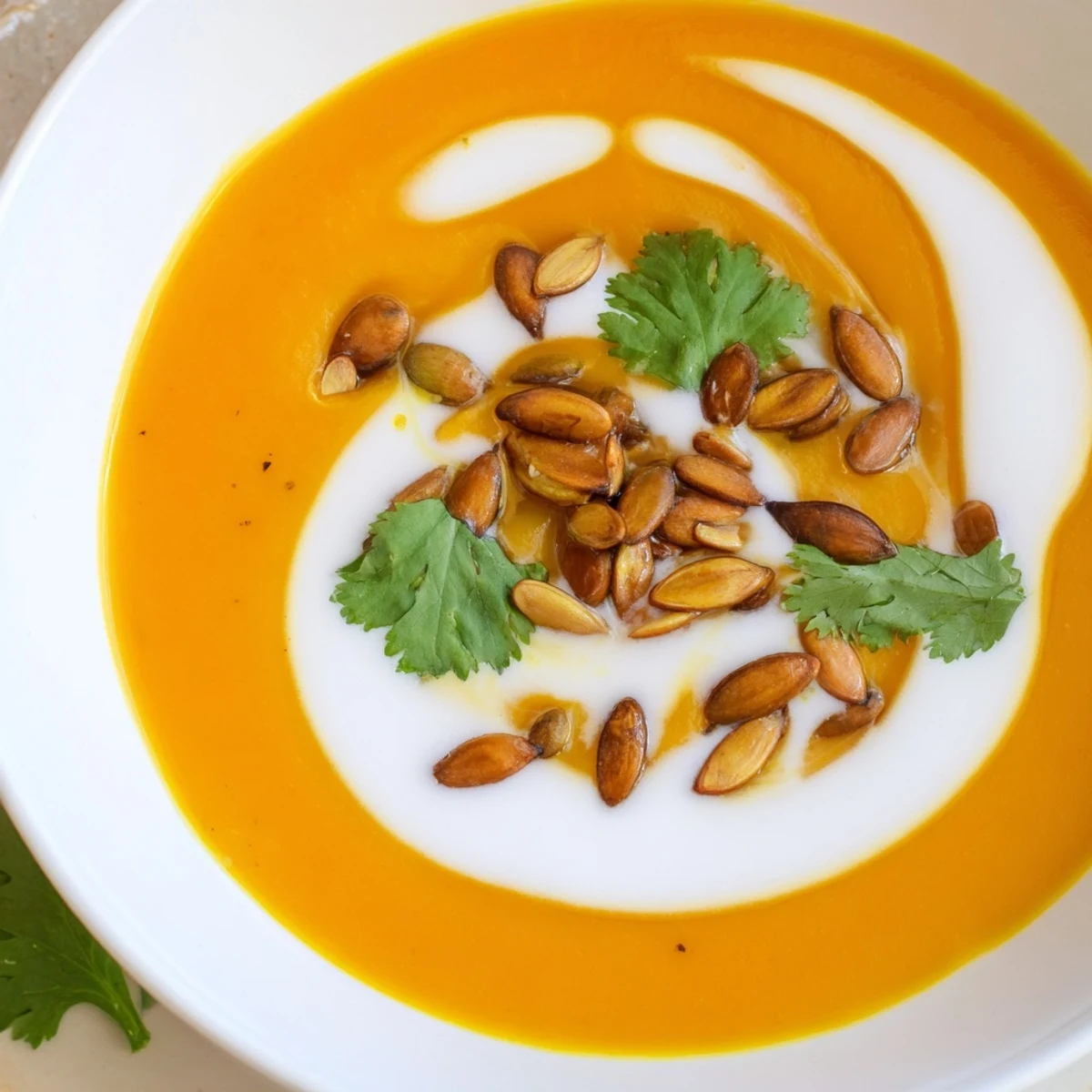
- Stir in the lime juice, then taste and add more salt if needed—the lime will have brightened everything, so hold back at first. Ladle into bowls, swirl in that reserved coconut milk, and if you have fresh cilantro or a few toasted pumpkin seeds, use them generously.
 Save
Save The first time I served this at a dinner party, a guest asked for the recipe before finishing her bowl, and I saw something click for her—the realization that plant-based food could taste this luxurious. That moment, that shift from polite eating to genuine delight, is why I keep making this soup.
The Art of Roasting Carrots
Roasting isn't just cooking; it's caramelization, which means the natural sugars in the carrots concentrate and deepen. The oven heat works slowly and evenly, drawing out moisture and intensifying flavor in a way that boiling or steaming never could. Pay attention to color—pale carrots haven't developed their sweetness yet, but dark golden or even slightly charred edges are exactly what you want. The Maillard reaction (the browning that happens) creates hundreds of complex flavors that wouldn't exist otherwise.
Why Fresh Ginger Changes Everything
Ground ginger is convenient, but fresh ginger is alive in a way that dry spice can't be. The fresh root contains volatile oils that smell sharp and bright, creating a different kind of heat than the dry powder—less peppery, more floral and complex. When you slice it and add it to hot oil, those oils release slowly throughout the cooking, building layers of flavor rather than a one-note spice taste. Once you taste the difference, you'll understand why this distinction matters so much.
Finishing Touches That Matter
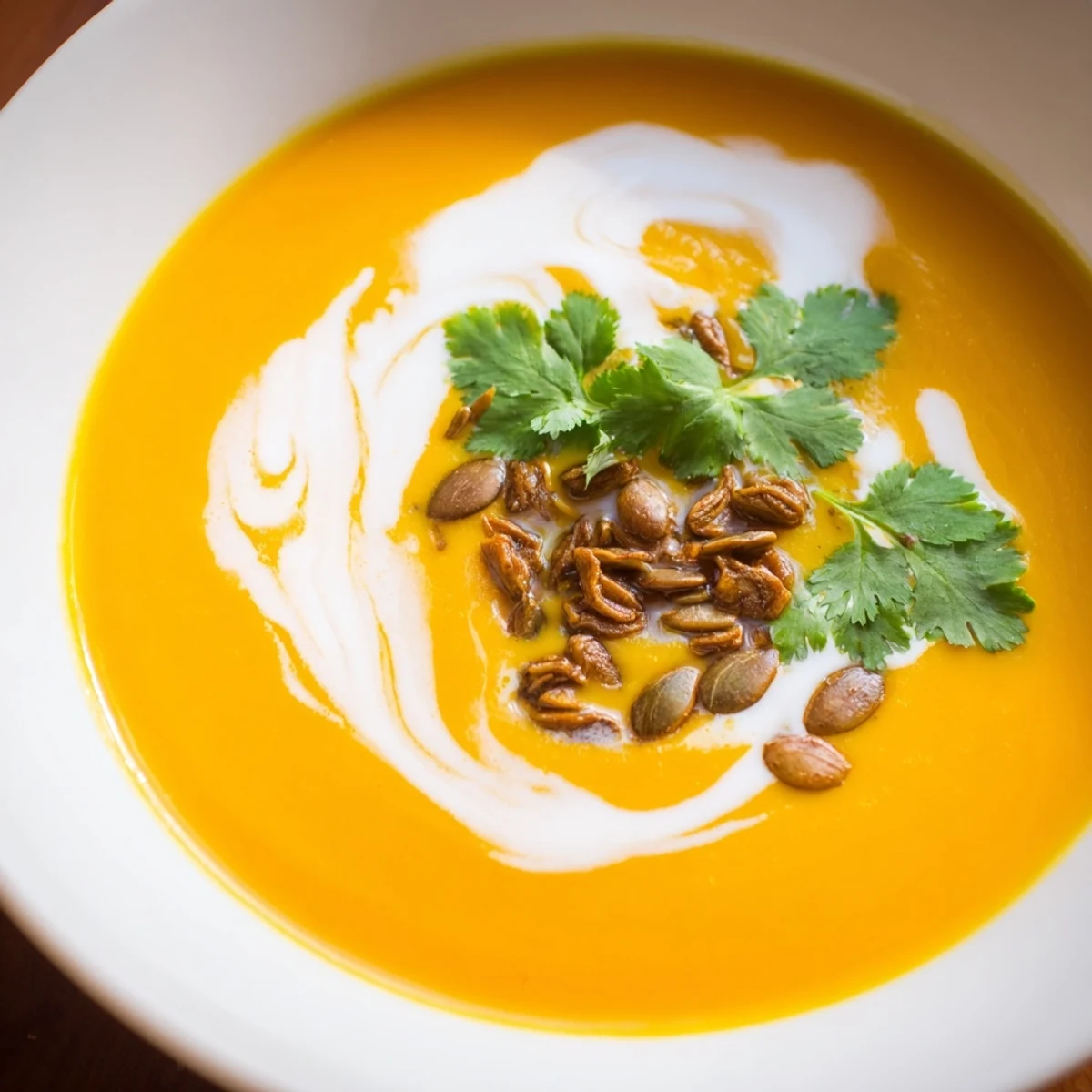
The lime juice is your secret weapon, the thing that makes guests ask what they're tasting without ever guessing citrus. The coconut milk swirl isn't just pretty; it adds richness to each spoonful and creates a flavor contrast that makes the soup taste more complex. Fresh cilantro or toasted pumpkin seeds add texture and a final pop of flavor that reminds you this is fresh food, not something from a can.
- A pinch of red pepper flakes stirred in at the very end adds heat without making the soup spicy—just enough to wake up your palate.
- Crusty bread or a crisp Sauvignon Blanc transforms this from lunch into something special.
- Leftovers taste even better the next day once all the flavors have settled and deepened together.
 Save
Save This soup has become my answer to almost everything—a bad day, a visit from someone you love, the moment when you realize you want to cook something that tastes like care. It's one of those rare recipes that's simple enough for a weeknight but impressive enough to serve when it matters.