
 Save
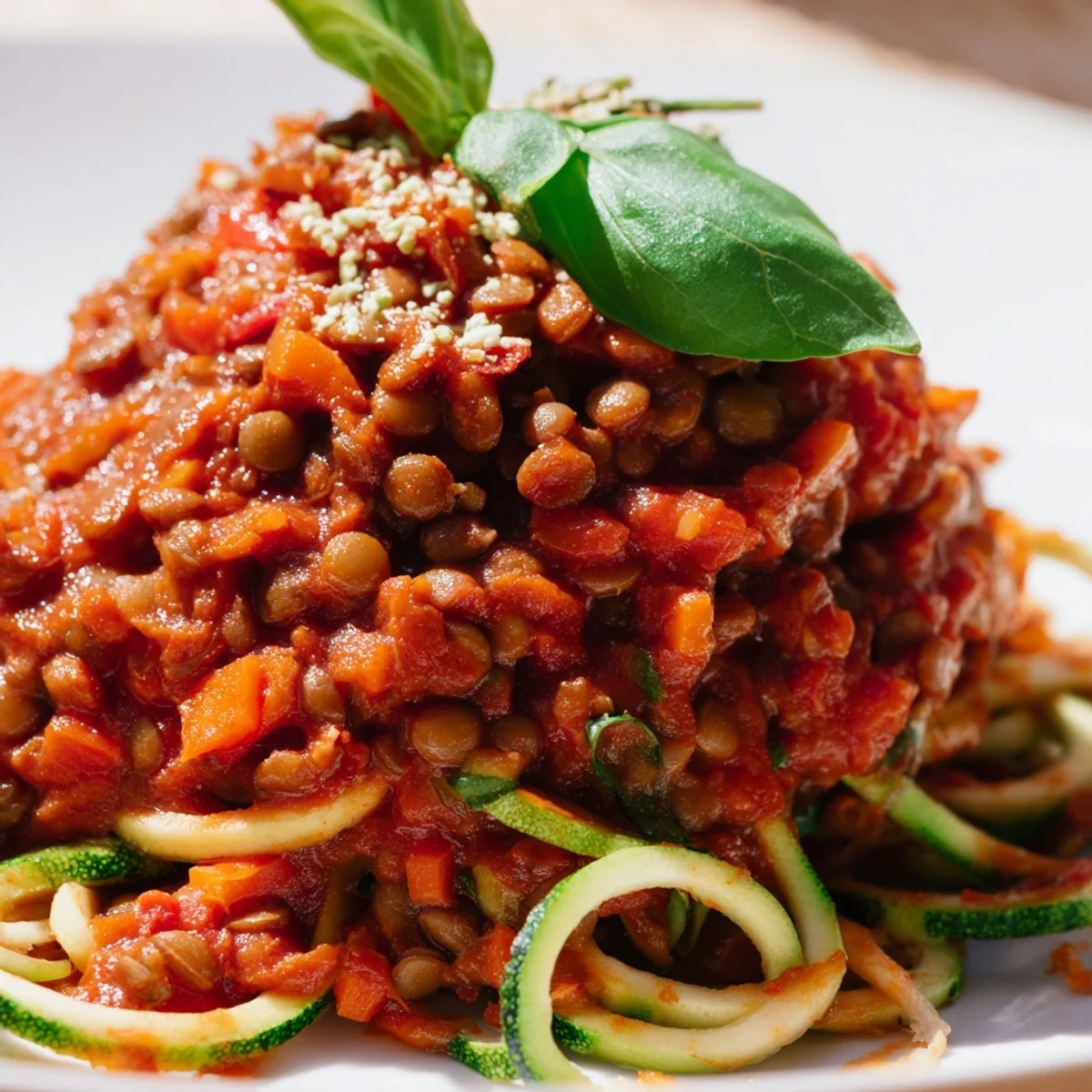
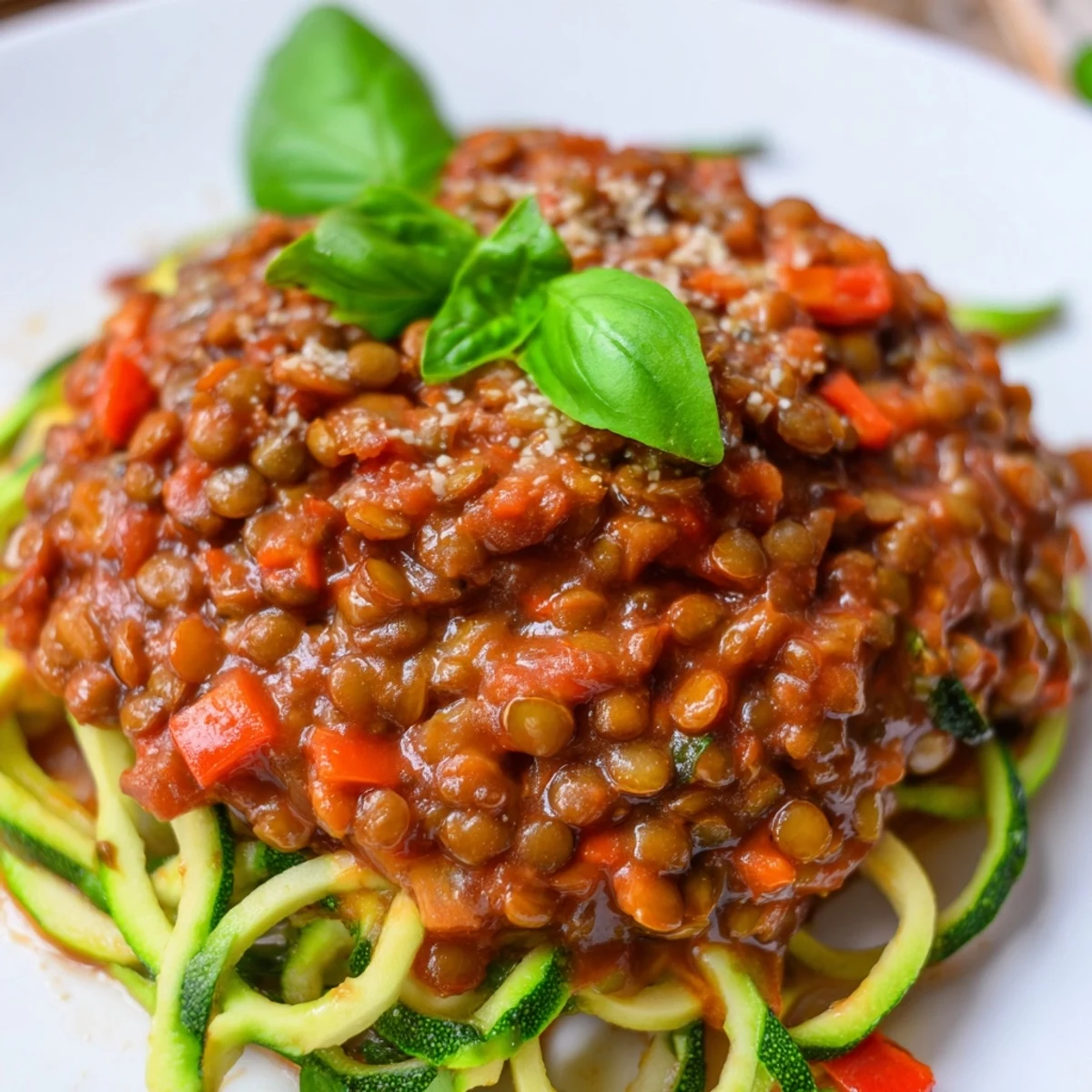
Save This nourishing main course features a savory blend of lentils simmered with aromatic vegetables and herbs, offering a rich, meaty texture without animal products. The sauce is simmered until thick and flavorful, complemented by tender spiralized zucchini noodles that provide a fresh, low-carb alternative to traditional pasta. Simple techniques like sautéing diced onion, carrot, celery, and pepper create a robust vegetable base, while the combination of tomato paste, crushed tomatoes, and seasoning layers delightful depth. Perfect for a quick, easy, and wholesome dinner, this dish balances protein, vibrant flavors, and a satisfying texture in every bite.
I discovered this recipe on a Tuesday when I had too many zucchinis from the farmer's market and a craving for something comforting that didn't involve meat. Standing in my kitchen with a spiralizer in one hand and a can of crushed tomatoes in the other, I wondered if lentils could really carry a sauce with the same soul as traditional Bolognese. They absolutely can, and now this is what I make when I want something hearty but light, familiar but entirely plant-based.
My partner came home while the sauce was bubbling away, and the smell hit him immediately—earthy, tomatoey, alive with basil and oregano. He peeked under the lid with that skeptical look he gets about plant-based dishes, but the first bite changed something. He asked for seconds without the usual reservation, and I realized this wasn't a compromise meal; it was simply delicious on its own terms.
Ingredients
- Olive oil: Use good quality extra virgin for the base, but you don't need to waste your finest bottle on sautéing vegetables.
- Onion, carrot, celery: This is your flavor foundation, and the combination is non-negotiable if you want that deep Bolognese character.
- Red bell pepper: It adds subtle sweetness and color; don't skip it thinking it's just decoration.
- Brown or green lentils: They hold their shape better than red lentils and contribute an earthy backbone that red lentils can't match.
- Crushed tomatoes: Buy canned; fresh tomatoes won't give you the concentrated flavor you need here.
- Tomato paste: This concentrated umami bomb is what makes the difference between a good sauce and an unforgettable one.
- Vegetable broth: Quality matters more than you'd think; a weak broth makes a weak sauce.
- Dried oregano, basil, thyme: These three work together to create that classic Italian savory hum.
- Smoked paprika: This is the secret that adds a subtle depth that makes people ask what your ingredient is.
- Balsamic vinegar: Optional but genuinely transformative; it rounds out the sauce with a quiet sweetness and acidity.
- Zucchini: Medium ones spiralize into noodles that cook in minutes; oversized zucchinis can be watery and unevenly textured.
Instructions
- Sauté your aromatic base:
- Heat the oil in a large skillet over medium heat and add your diced onion, carrot, celery, and bell pepper. Let them soften for 5 to 7 minutes, stirring occasionally until the onion becomes translucent and everything smells amazing. You'll know it's ready when you can run a wooden spoon through it and the vegetables offer gentle resistance.
- Wake up the garlic:
- Add your minced garlic and stir constantly for just one minute. Garlic burns quickly and turns bitter, so don't wander away here. The smell will become more pungent and almost sweet when it's perfectly cooked.
- Build the sauce:
- Stir in your rinsed lentils, tomato paste, crushed tomatoes, vegetable broth, and all your dried herbs. The tomato paste should coat everything first before the liquid goes in, concentrating its flavor. Bring the whole thing to a boil, watching it bubble and shift from a flat red to a deeper, richer color.
- Simmer until the lentils surrender:
- Reduce heat to low and let it bubble gently uncovered for 30 to 35 minutes, stirring occasionally. The lentils will soften, the sauce will reduce and deepen, and the flavors will start speaking to each other. Add more broth if it gets too thick before the lentils are tender; you want a sauce that coats a spoon but isn't soup.
- Finish with balance:
- Remove the bay leaf and stir in the balsamic vinegar if you're using it. Taste and adjust salt and pepper; what seems underseasoned while hot will taste perfectly balanced once plated.
- Cook the zucchini noodles:
- While the sauce simmers, heat olive oil in another large skillet over medium-high heat. Add your spiralized zucchini and sauté for just 2 to 3 minutes, stirring gently with a fork so the noodles don't break. They should have slight color and soften just enough to absorb the sauce but still have a little spring when you eat them.
- Bring it together:
- Divide the zucchini noodles among bowls or plates, ladle the sauce generously over top, and finish with fresh basil or vegan parmesan if you like. The heat of the sauce will warm everything perfectly.
 Save
Save The first time someone told me they felt full and energized after eating this instead of heavy, I understood why this dish has become my go-to for weeknight dinners. There's something generous about serving a bowl of something this nourishing without any of the guilt that sometimes comes with heavier pastas.
Make It Your Own
This recipe is flexible in ways that honor its foundation. You can stir in diced mushrooms or walnuts for extra texture, add spinach or kale in the last five minutes of simmering, or swap the zucchini for regular pasta if you want something more traditional. The sauce itself is what matters most, and it takes kindly to variations as long as you respect the core technique.
Storage and Leftovers
The sauce improves overnight as the flavors settle and deepen, making this an ideal meal to prepare ahead. Store it in an airtight container in the refrigerator for up to four days, or freeze it for up to two months in a freezer-safe container with an inch of headspace for expansion. Zucchini noodles are best prepared fresh, but you can spiralize them in advance and keep them in a paper towel-lined container to absorb excess moisture.
Building Confidence with Plant-Based Cooking
Making this dish a few times teaches you something valuable about plant-based cooking: that the goal isn't to replicate meat-based dishes perfectly but to understand the principles that make food satisfying. Lentils have protein and substance; the long simmer develops complexity; the balance of acid, salt, and herbs creates appeal. Once you trust these fundamentals, you can cook confidently with any ingredient.
- Taste as you go and adjust seasoning boldly; plant-based dishes often need slightly more salt and acid than you'd expect.
- Let your sauce reduce properly so flavors concentrate instead of staying diluted and thin.
- Finish the zucchini noodles just before serving to keep them from releasing water and watering down your plate.
 Save
Save This is the kind of recipe that disappears quietly from the pot, no dramatic moment, just people reaching for more. That's how you know it's something worth coming back to.
Recipe FAQs
- → How do I ensure lentils cook evenly?
-
Rinse lentils well and simmer uncovered, stirring occasionally. Add broth as needed to keep them tender and prevent sticking.
- → Can I substitute the zucchini noodles?
-
Yes, regular or gluten-free pasta works well as an alternative for a more traditional texture.
- → What spices enhance the flavor?
-
Dried oregano, basil, thyme, and smoked paprika create a rich, aromatic profile that complements the lentils and vegetables.
- → How do I prevent zucchini noodles from becoming soggy?
-
Sauté zucchini noodles briefly over medium-high heat until just softened, then season with salt and serve immediately.
- → Are there optional garnishes to elevate the dish?
-
Fresh basil leaves and nutritional yeast or vegan parmesan add brightness and a cheesy, umami finish.