
 Save
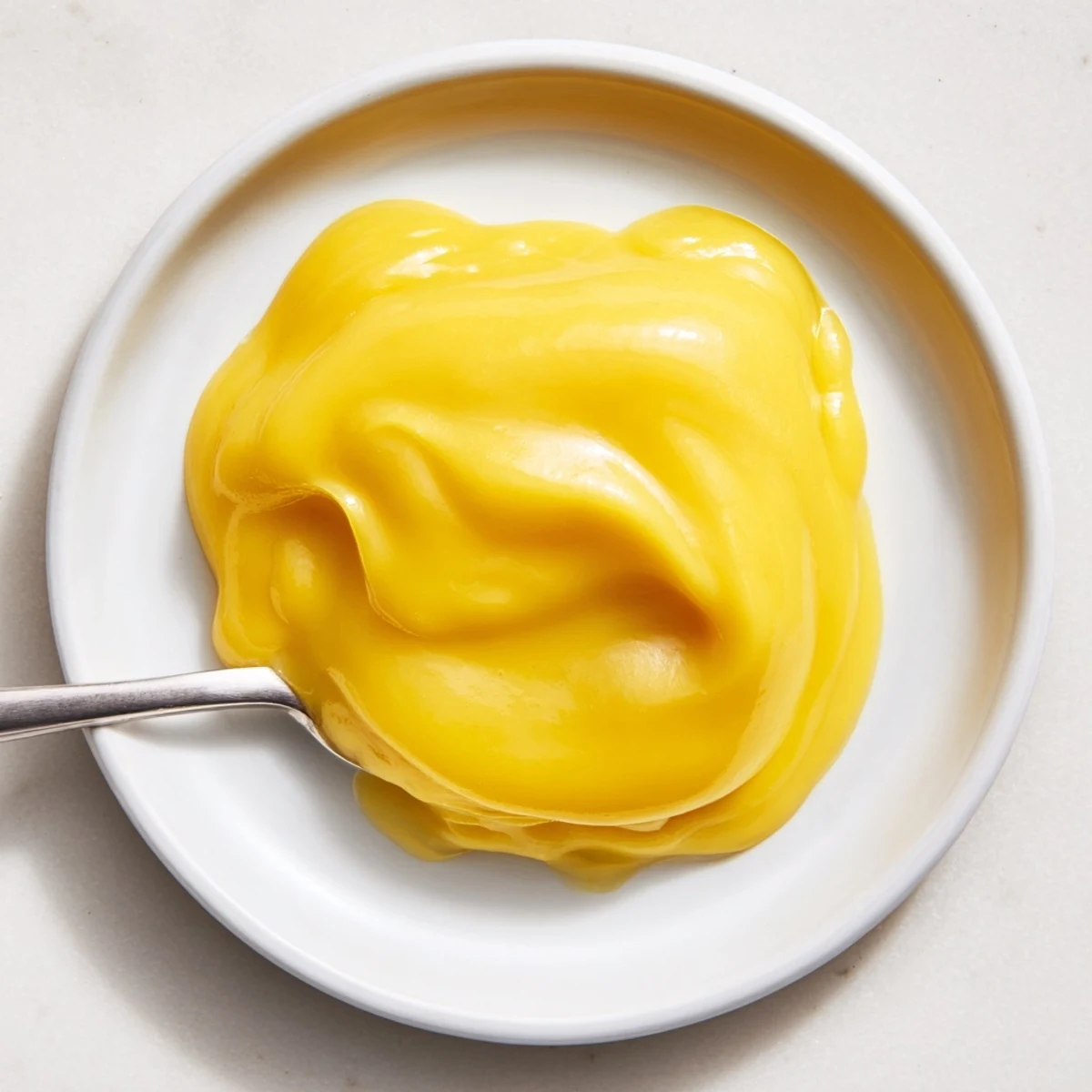
Save This creamy lemon curd blends fresh citrus juice and zest with butter and eggs, gently cooked in a double boiler for a smooth, velvety texture. Perfect for adding a bright, tangy flavor with a rich buttery finish, it can be enjoyed on toast, swirled in yogurt, or as a filling for tarts. The process involves whisking sugar and eggs, incorporating lemon, then slowly cooking without boiling to ensure a silky consistency. Chill to thicken before serving.
I first made lemon curd on a cloudy Saturday morning when I had too many lemons and no real plan. The kitchen smelled sharp and sunny as I whisked, and I remember thinking it seemed too simple to turn out well. But when I tasted that first spoonful warm from the bowl, I understood why people get obsessed with this stuff.
I brought a jar to a friend who was recovering from a cold, and she spread it on toast while we sat in her kitchen. She said it tasted like optimism. I think about that every time I make a batch now, especially when the days feel heavy.
Ingredients
- 2 large lemons (zest and juice, about ½ cup juice): Use fresh lemons, not bottled juice, the difference is everything. Zest them before juicing and avoid the white pith, it turns bitter.
- ½ cup (115 g) unsalted butter, cut into cubes: Cubing it helps it melt evenly into the curd without splitting. Cold butter straight from the fridge works best.
- 1 cup (200 g) granulated sugar: This balances the sharp lemon without making it candy sweet. You can reduce it slightly if you prefer more pucker.
- 3 large eggs: They give the curd its silky body and help it thicken as it cooks.
- 1 large egg yolk: The extra yolk makes the texture richer and more luxurious.
Instructions
- Prep the Lemons:
- Wash and zest the lemons with a fine grater, being careful to only take the yellow part. Juice them into a small bowl and set everything aside.
- Whisk the Base:
- In a medium heatproof bowl, whisk together the sugar, eggs, and egg yolk until the mixture is smooth and pale. Stir in the lemon zest and juice until fully combined.
- Set Up the Double Boiler:
- Place the bowl over a saucepan of gently simmering water, making sure the bottom of the bowl does not touch the water. Add the butter cubes to the bowl.
- Cook and Thicken:
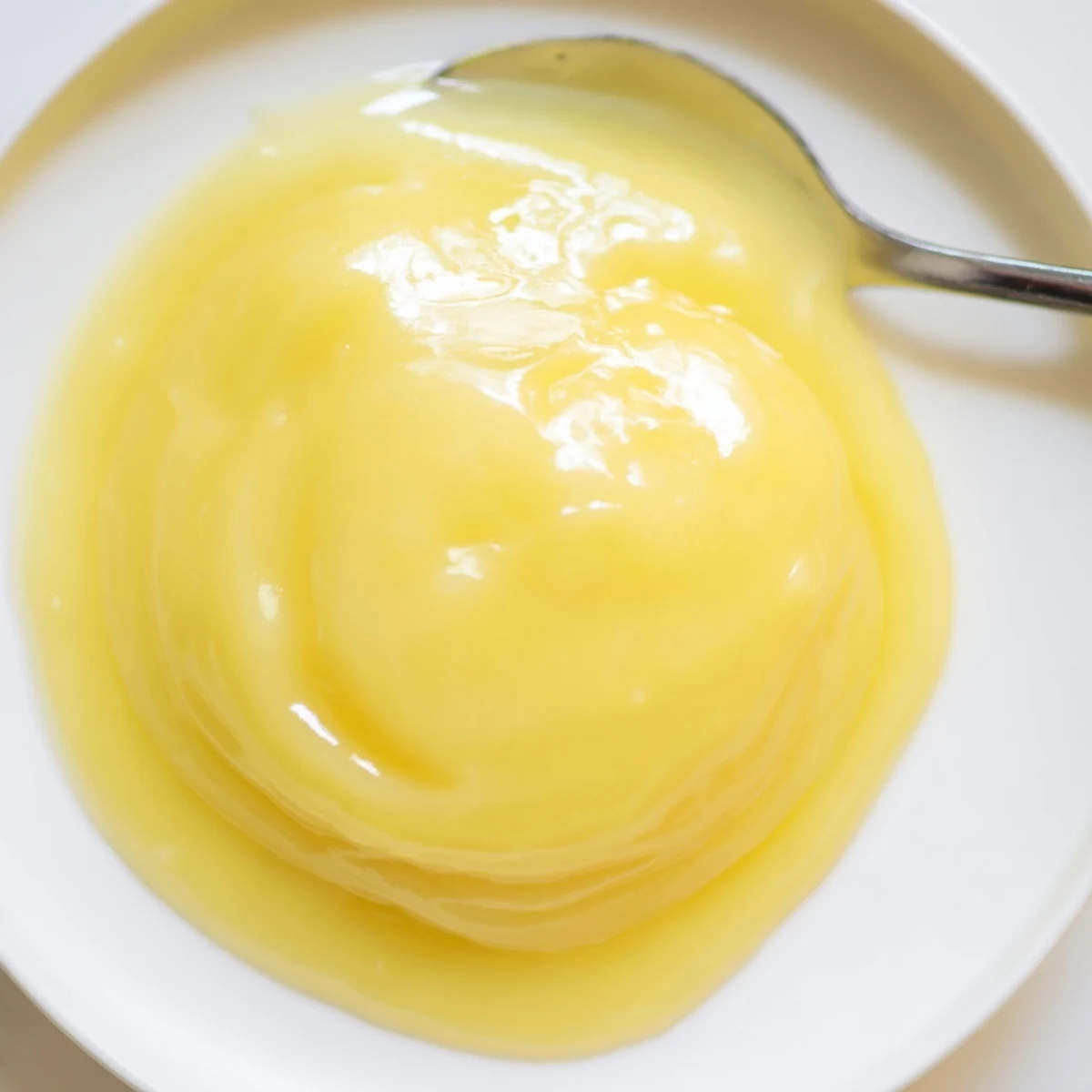
- Whisk constantly as the butter melts and the mixture heats, about 8 to 10 minutes. The curd is ready when it thickly coats the back of a spoon and you can draw a line through it with your finger.
- Strain and Cool:
- Remove from heat and immediately strain the curd through a fine mesh sieve into a clean bowl to catch any zest bits or egg solids. Let it cool to room temperature, then transfer to a jar and refrigerate.
 Save
Save The first time I served this at brunch, I watched someone take a bite of curd topped scone and close their eyes. That quiet moment of pleasure made all the whisking worth it. Food does not always need to be complicated to feel like a gift.
How to Store and Use It
Lemon curd keeps in the fridge for up to two weeks in an airtight jar. I like to spoon it onto toast, swirl it into yogurt, or use it as a tart filling. It also freezes well for up to three months if you want to make a big batch.
Flavor Variations to Try
Swap the lemon for lime or orange to change the whole mood of the curd. You can also add a pinch of lavender or a drop of vanilla for something a little more mysterious. I once made a blood orange version in winter and it tasted like sunshine stored in a jar.
What to Serve It With
This curd belongs on scones, pancakes, or buttered toast. You can also dollop it onto pavlova, fold it into whipped cream, or use it to fill little tart shells. Sometimes I just eat it with a spoon standing at the counter.
- Spread it on warm biscuits for an easy dessert that feels fancy.
- Layer it with whipped cream and berries in a glass for a quick parfait.
- Use it as a filling for thumbprint cookies or between cake layers.
 Save
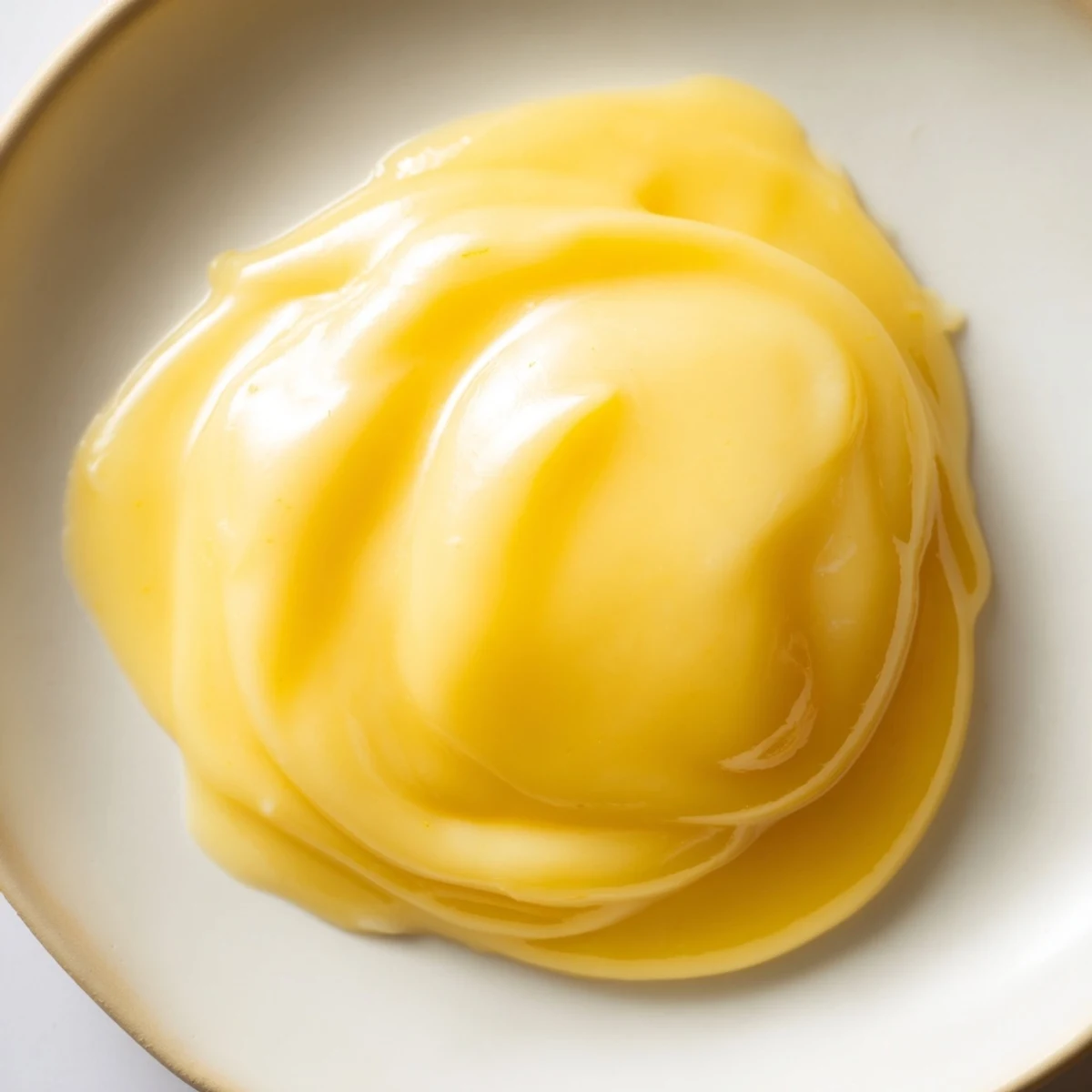
Save I hope this becomes one of those recipes you keep coming back to when you need something bright and easy. There is real joy in a jar of homemade lemon curd sitting in your fridge.
Recipe FAQs
- → What is the best way to zest lemons for this curd?
-
Use a fine grater or zester to carefully remove only the yellow outer layer, avoiding the bitter white pith underneath.
- → How do I prevent the curd from curdling during cooking?
-
Cook the mixture slowly over a double boiler, whisking constantly and avoiding boiling, to maintain a smooth texture.
- → Can I substitute lime or orange for the lemon?
-
Yes, lime or orange zest and juice can be used for different citrus flavors with a similar creamy result.
- → What is the purpose of straining the mixture after cooking?
-
Straining removes zest bits and any cooked egg solids, ensuring a silky, smooth spread.
- → How should I store the lemon curd?
-
Transfer to an airtight container or jar and refrigerate; chilling helps it thicken further and preserves freshness.