
 Save
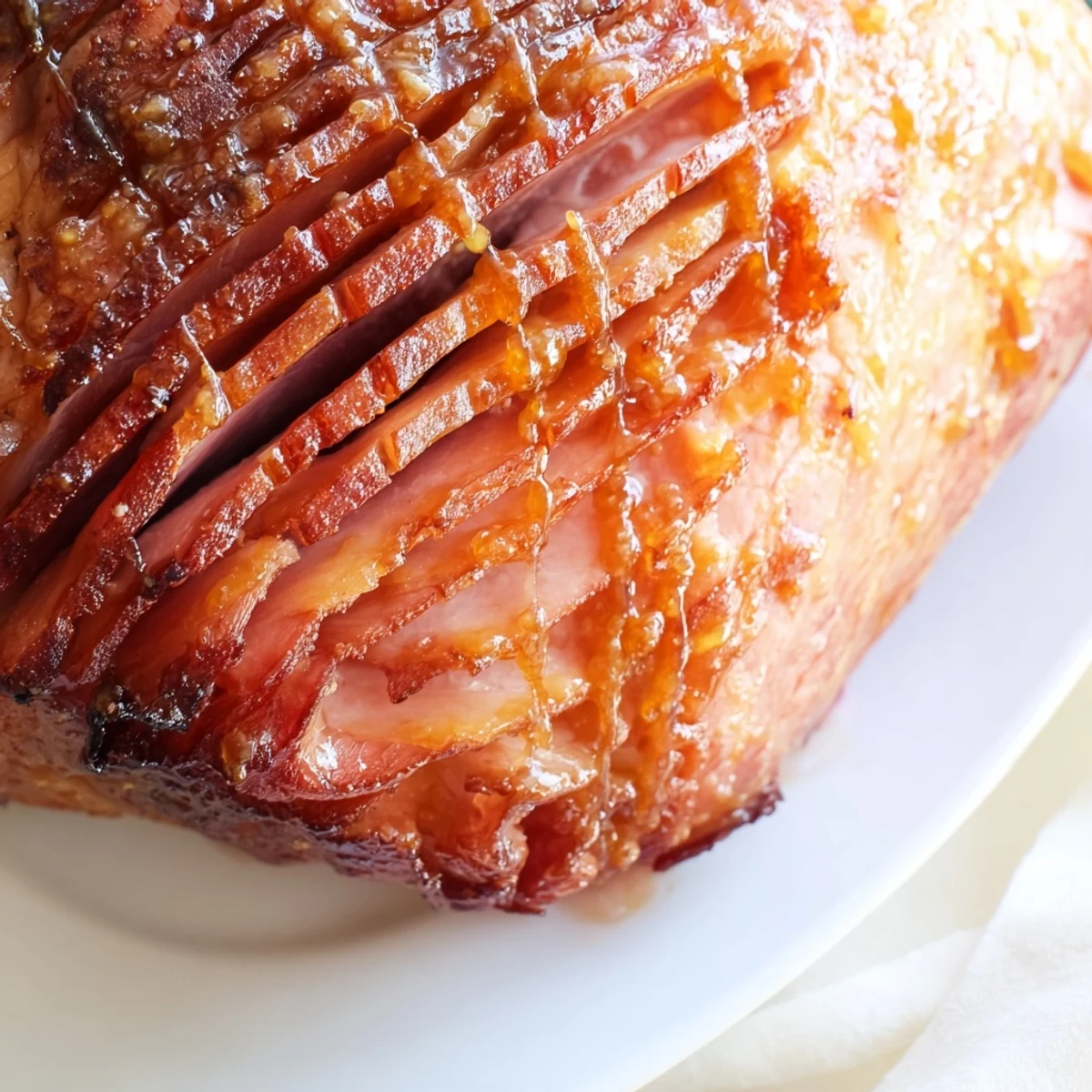
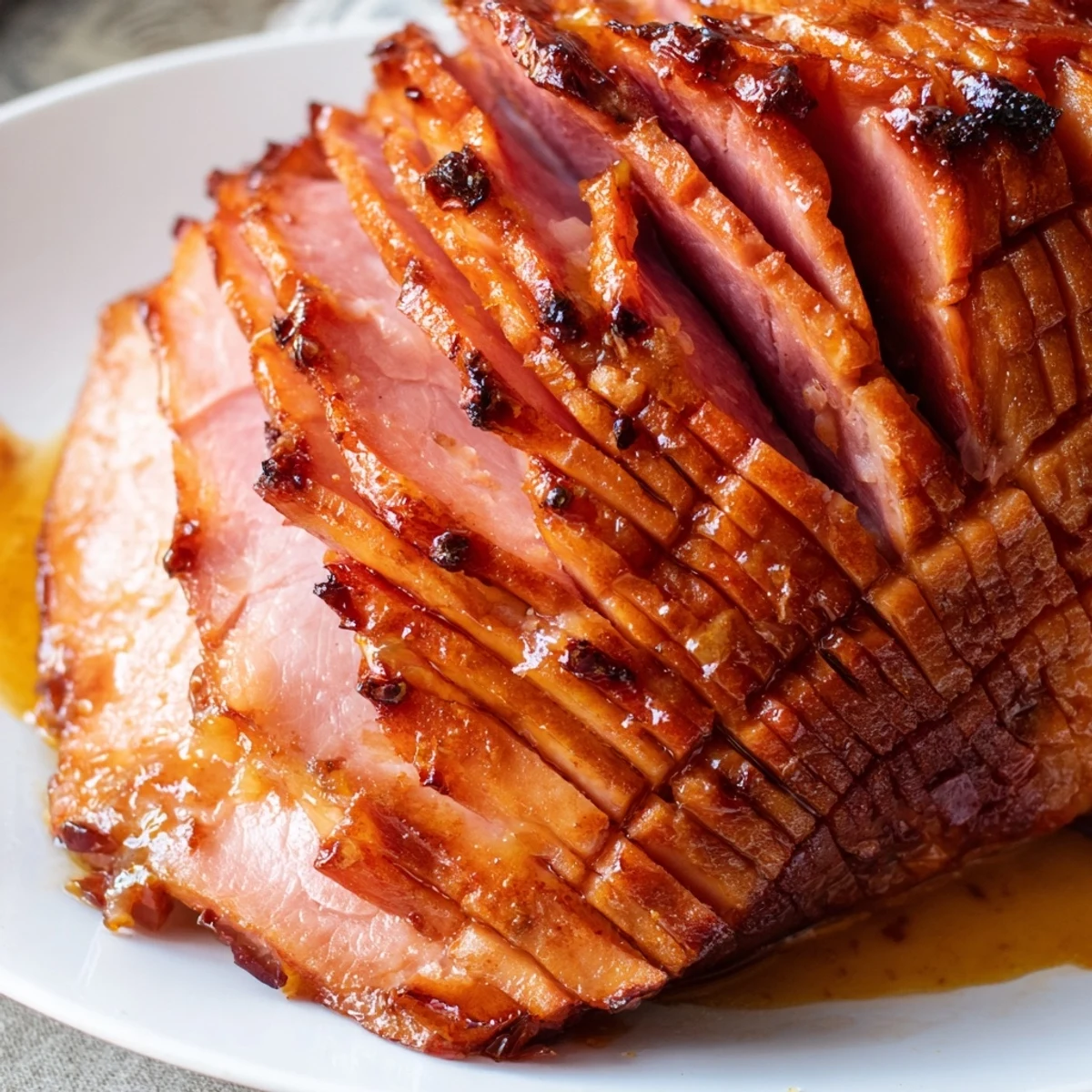
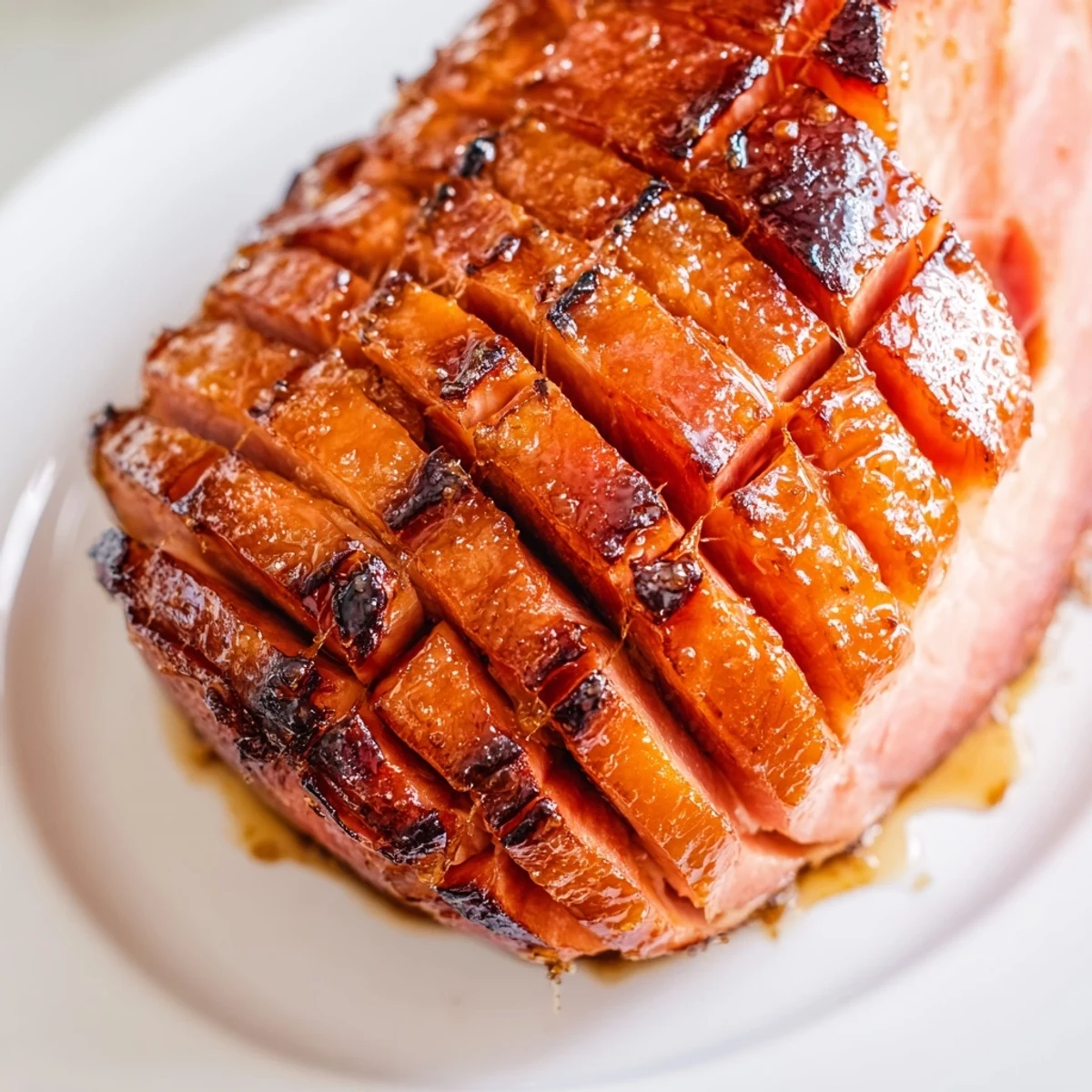
Save This succulent ham features a beautiful caramelized exterior from repeated basting with a sweet and tangy maple Dijon glaze. The bone-in cut stays juicy during slow roasting, while the crosshatch scoring allows the flavorful coating to penetrate deeply.
Perfect for Easter, Christmas, or Sunday dinner, this impressive main requires minimal hands-on time. The glaze strikes an ideal balance between pure maple sweetness, sharp Dijon mustard, and warm spices like cloves and black pepper.
Leftovers slice beautifully for sandwiches, breakfast hashes, or comforting split pea soup. Serve alongside scalloped potatoes, green beans, or roasted root vegetables for a complete feast.
The smell of maple and cloves drifting from the oven still takes me back to my first apartment kitchen, where I dramatically attempted a holiday centerpiece for friends who became family. I was terrified of overcooking it, checking the oven every seven minutes, but that nervous energy turned into something beautiful when we all gathered around the counter, forks in hand, stealing the first caramelized bites before I even had a chance to properly carve it.
Last Christmas my sister called me at midnight, convinced she had ruined her ham because the glaze seemed too thin. We laughed about her panic over the phone when I explained that it would thicken beautifully in the oven, and the next day she texted me a photo of the most gorgeous, glossy ham she had ever made, with a caption that just said never doubting you again.
Ingredients
- Fully cooked bone-in ham: The bone adds incredible depth to leftovers and keeps the meat moist during reheating
- Pure maple syrup: Real maple syrup creates that deep amber color and complex flavor that pancake syrup simply cannot achieve
- Dijon mustard: The sharp edge cuts through the sweetness and creates that addictive tangy finish
- Packed brown sugar: Helps the glaze cling to the ham and creates those gorgeous caramelized pockets
- Apple cider vinegar: Brightens the whole glaze and prevents it from becoming cloyingly sweet
- Unsalted butter: Adds richness and helps the glaze achieve that spoonable consistency
- Ground black pepper: Just enough warmth to keep things interesting without adding heat
- Ground cloves: The secret ingredient that makes your kitchen smell like a holiday bakery
Instructions
- Preheat your oven:
- Set it to 325°F and position the rack in the lower third so the ham has room to brown beautifully without getting too close to the heating element.
- Prep the ham:
- Cut away all the plastic and netting, then place the ham flat side down in your roasting pan so it sits steady while you work.
- Score the surface:
- Use a sharp knife to create a diamond crosshatch pattern about a quarter inch deep, which helps the glaze really sink into every bite.
- Initial bake:
- Cover the ham loosely with foil and let it bake for an hour and a half, building a foundation of gentle heat.
- Make the magic glaze:
- Whisk everything together in a small saucepan and let it simmer for about five minutes until it thickens slightly enough to coat the back of a spoon.
- First glaze:
- Pull back the foil and brush that ham generously, watching how the maple and mustard start to glisten against the meat.
- The caramelization phase:
- Return it to the oven uncovered for 30 to 40 minutes, basting every 10 to 15 minutes until the whole thing develops this incredible sticky, burnished finish.
- Rest before serving:
- Let the ham sit for 15 minutes so the juices redistribute, making each slice impossibly tender.
 Save
Save My neighbor texted me once at 9am asking if she could come borrow a cup of sugar, but really she just wanted to talk because she was attempting her first Easter ham and felt completely overwhelmed. We ended up glazing her ham together in her tiny kitchen, and when her family gathered around later that day, she told me she had never felt more proud of anything she had cooked.
Making It Your Own
Bourbon adds a lovely warmth if you want to sub it for half the vinegar, and a pinch of cayenne pepper creates this beautiful subtle heat that lingers after each bite. I have also used honey when I ran out of maple syrup, and while the flavor changes slightly, the result is still absolutely worth making.
Serving Suggestions
Serve this alongside scalloped potatoes and roasted green beans for a classic holiday spread that never goes out of style. The sweetness also pairs beautifully with sharp cheddar mac and cheese if you want something more indulgent.
Leftover Magic
The day after, slice thin pieces for breakfast sandwiches with sharp cheddar and a fried egg, or dice it into a classic split pea soup that tastes even better than the original meal. The bone makes incredible stock that will elevate any bean or vegetable dish you add it to.
- Freeze leftover slices in portions for quick weeknight breakfast hashes
- Blend leftover glaze into mayonnaise for the most incredible sandwich spread
- Save the bone for soup even if you think you might not use it right away
 Save
Save There is something deeply satisfying about serving a dish that looks this impressive but comes together with such simple ingredients and techniques.
Recipe FAQs
- → What type of ham works best?
-
A fully cooked bone-in ham weighing 8-10 pounds yields the best results. The bone adds flavor and moisture during roasting, while the bone-in cut provides easier carving guidance.
- → Can I make the glaze ahead?
-
Yes, prepare the maple Dijon glaze up to 2 days in advance and store refrigerated. Warm gently before brushing onto the ham during the final roasting stage.
- → How do I prevent the ham from drying out?
-
Covering loosely with foil during the first 90 minutes retains moisture. Basting frequently during the final uncovered stage creates a protective glazed coating that seals in juices.
- → What temperature should ham reach?
-
Since this uses fully cooked ham, focus on achieving the desired caramelized glaze rather than reaching a specific internal temperature. The ham needs only to be heated through completely.
- → Can I use honey instead of maple syrup?
-
Honey substitutes well for maple syrup, though the flavor profile shifts slightly. Use pure honey in equal measure and reduce the brown sugar by one tablespoon to balance sweetness.
- → How long should ham rest before carving?
-
Allow the ham to rest for 15 minutes after removing from the oven. This resting period redistributes juices throughout the meat, ensuring each slice remains moist and tender.