
 Save
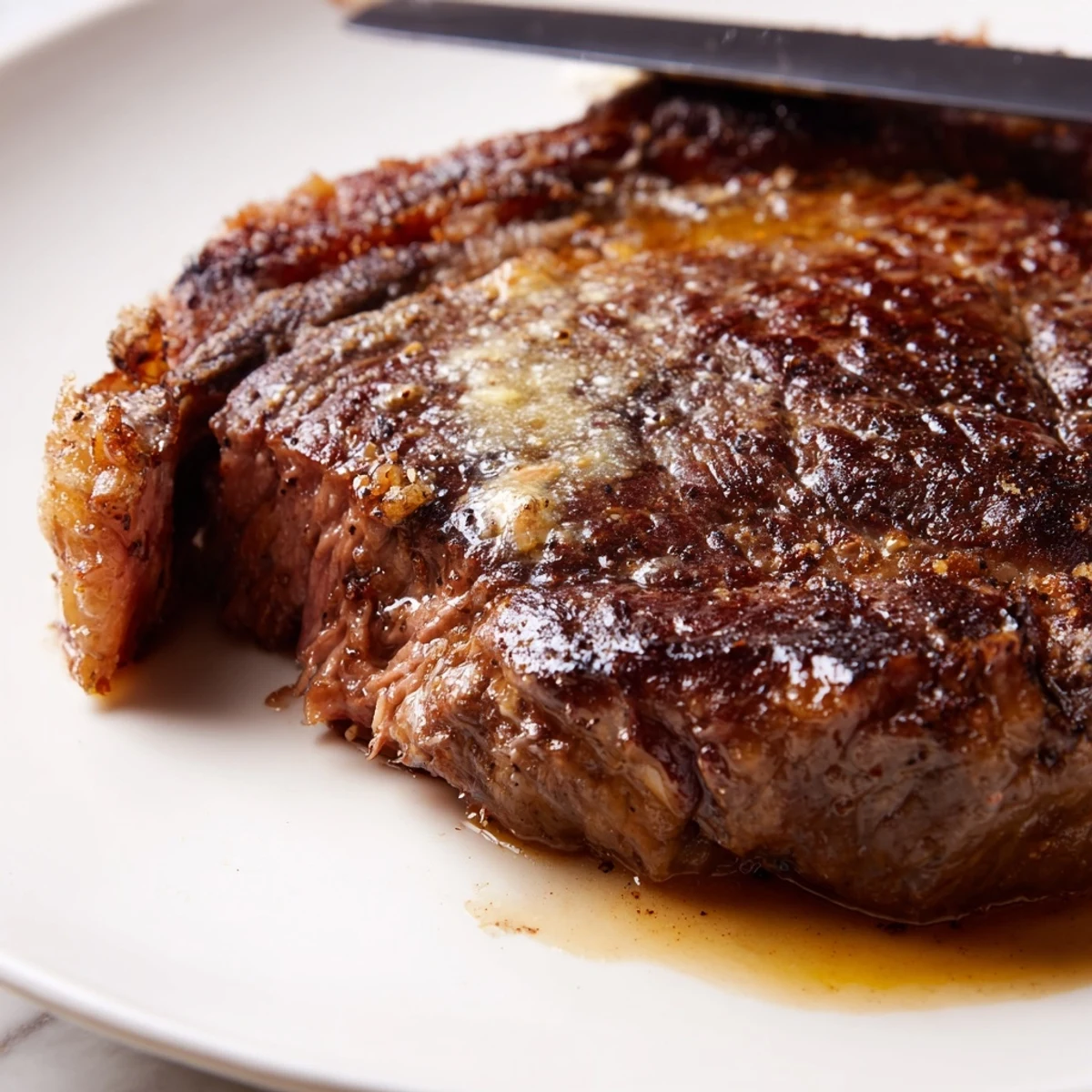
Save Achieve restaurant-quality results at home with this straightforward approach to pan searing ribeye steaks. The high-heat method creates a beautiful caramelized exterior while keeping the interior tender and juicy. Basting with butter, garlic, and fresh herbs infuses each bite with rich flavor. Letting the meat come to room temperature before cooking ensures even doneness, while resting afterward locks in the juices for maximum tenderness.
My husband surprised me with cast iron skillets for our anniversary, and honestly, it took me six months to work up the courage to use them properly. Something about searing a 30 dollar steak on high heat felt terrifying until the night I finally went for it. That first successful crust changed how I cook forever, and now ribeye night is the one meal my teenage kids actually text home about.
Last summer my neighbor came over while I was making these, and she stood in my kitchen literally sniffing the air asking what smelled so amazing. We ended up eating on the back porch with wine while her kids played with ours in the yard. Now every time she smells butter hitting hot garlic, she sends me a text asking if steak is on the menu.
Ingredients
- 2 ribeye steaks: Room temperature is nonnegotiable here, and thick cuts hold up better to the high heat
- 1 ½ teaspoons kosher salt: Flake salt sits on top differently than table salt and creates better seasoning coverage
- 1 teaspoon freshly ground black pepper: Fresh cracked makes a noticeable difference in aroma
- 2 tablespoons high heat oil: Avocado or grapeseed wont smoke like olive oil at these temperatures
- 3 tablespoons unsalted butter: This is what creates that restaurant finish during basting
- 3 cloves garlic: Smashed cloves release more flavor into the butter than minced would
- 3 sprigs fresh thyme: Woody herbs hold up better than delicate ones in high heat
- 2 sprigs fresh rosemary: The piney scent infuses beautifully into the butter
Instructions
- Prep your steaks:
- Take the meat out thirty minutes early and pat it completely dry with paper towels.
- Season generously:
- Sprinkle salt and pepper on both sides, pressing it in gently so it sticks.
- Heat things up:
- Get your cast iron ripping hot over high heat until you see faint smoke wisps.
- Add oil and sear:
- Swirl the oil to coat the bottom, then lay in the steaks without touching them for two to three minutes.
- Flip and add butter:
- Turn the steaks and toss in butter, garlic, and herbs immediately.
- Baste like a chef:
- Tilt the pan and spoon that melting herb butter over the meat constantly.
- Rest and serve:
- Check for doneness then let the steaks rest five minutes before cutting into them.
 Save
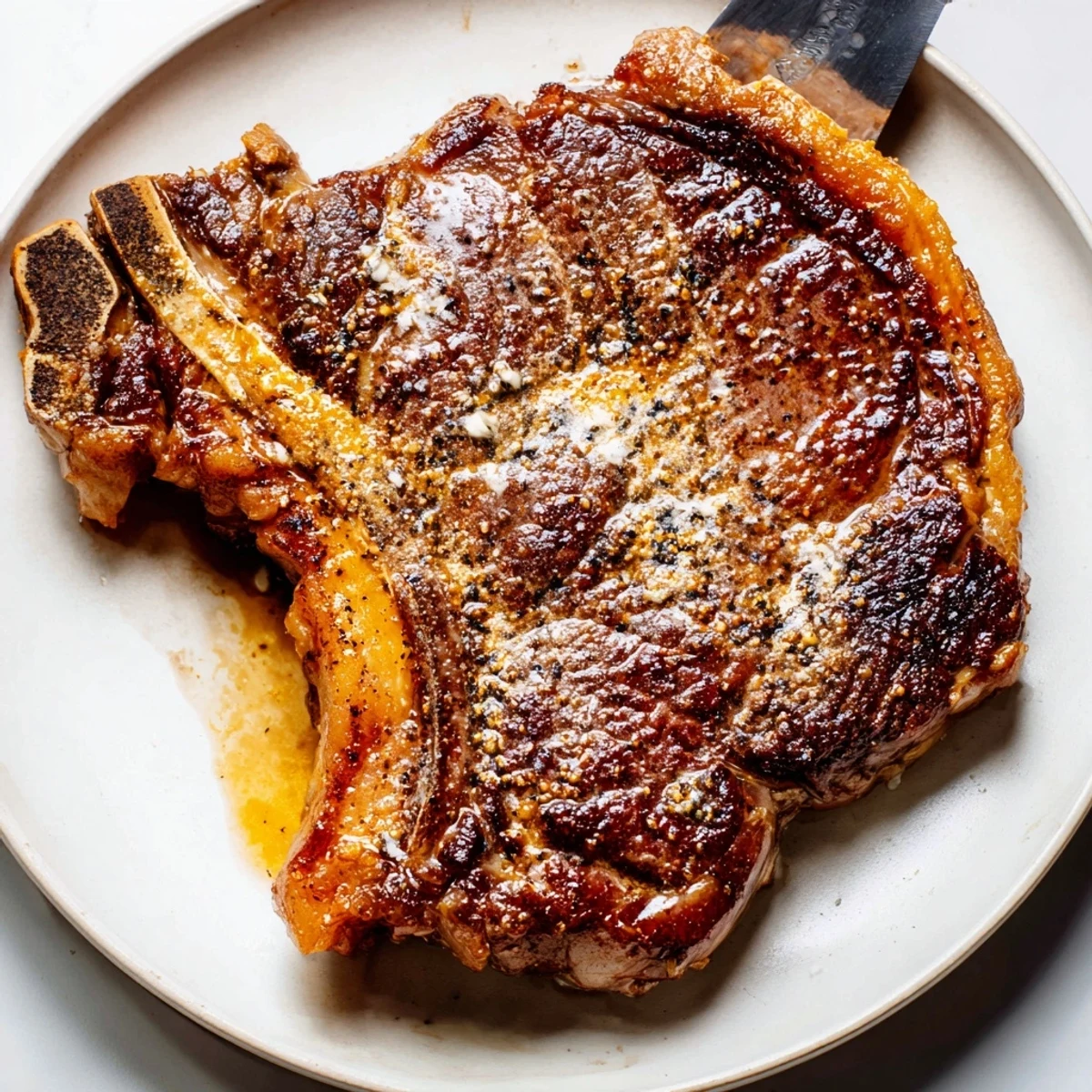
Save The first time I nailed the crust on these, my husband took a photo before I could even plate everything properly. Now ribeye has become our celebration meal for small wins, and honestly, those impromptu moments taste better than any fancy restaurant dinner I can remember.
Getting The Perfect Crust
I learned through trial and error that moisture is the enemy of caramelization. Dry meat hitting dry, hot metal is what creates that steakhouse crunch people think only professionals can achieve. The sizzle alone tells you you are on the right track.
The Basting Secret
That butter step might seem optional, but it is absolutely what makes this recipe special. The garlic and herbs infuse the fat, and constantly spooning it over the steaks adds layers of flavor you simply cannot get from searing alone.
Timing And Temperature
Everyone has their preference, but I pull the steaks at 125 degrees for perfect medium rare after resting. Keep in mind the temperature rises about five degrees during that crucial rest period, so err on the side of underdone rather than overdone.
- Buy the best meat your budget allows because technique cannot fix poor quality
- Let your pan preheat longer than you think necessary
- Resist the urge to move the steaks while the first side sears
 Save
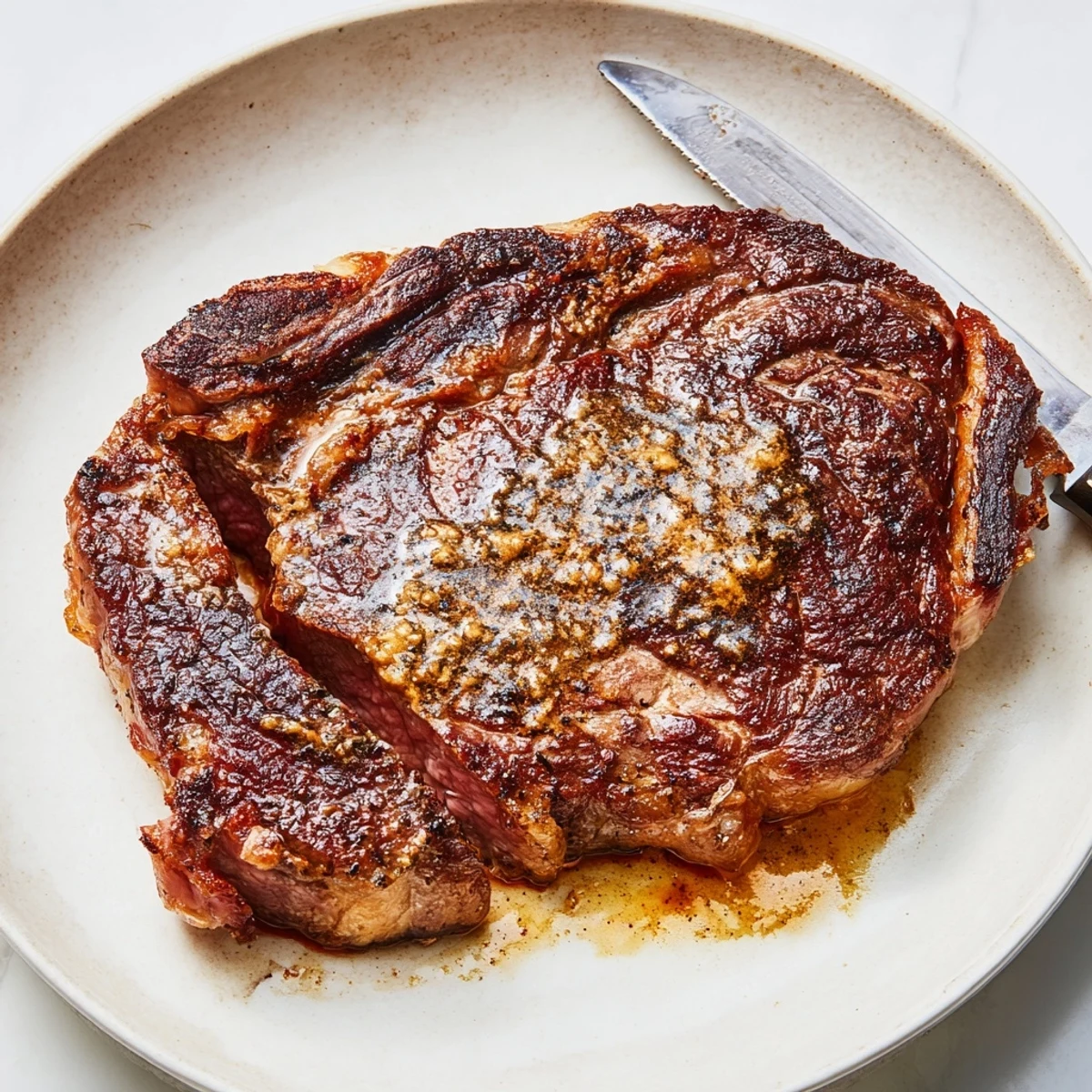
Save There is something deeply satisfying about cooking a perfect steak in your own kitchen. Once you master this, restaurant ribeyes might actually become a letdown.
Recipe FAQs
- → How do I know when the steak is done?
-
Use a meat thermometer to check the internal temperature. Aim for 125°F for rare, 135°F for medium-rare, or 145°F for medium. The temperature will rise slightly while resting.
- → Why should I let the steak rest?
-
Resting allows the juices to redistribute throughout the meat, ensuring each bite stays tender and moist rather than running out onto the cutting board.
- → Can I use a different cut of beef?
-
Yes, New York strip, filet mignon, or sirloin work well with this method. Adjust cooking times based on thickness—thinner cuts cook faster than thicker ones.
- → What if I don't have a cast-iron skillet?
-
A heavy stainless steel pan works too. The key is using a pan that retains heat well so you get a proper sear without the pan cooling down when the meat hits it.
- → How do I get a better crust?
-
Pat the steak completely dry before seasoning, and don't crowd the pan. Let the oil get smoking hot before adding the meat, and resist moving it during the initial sear.