
 Save
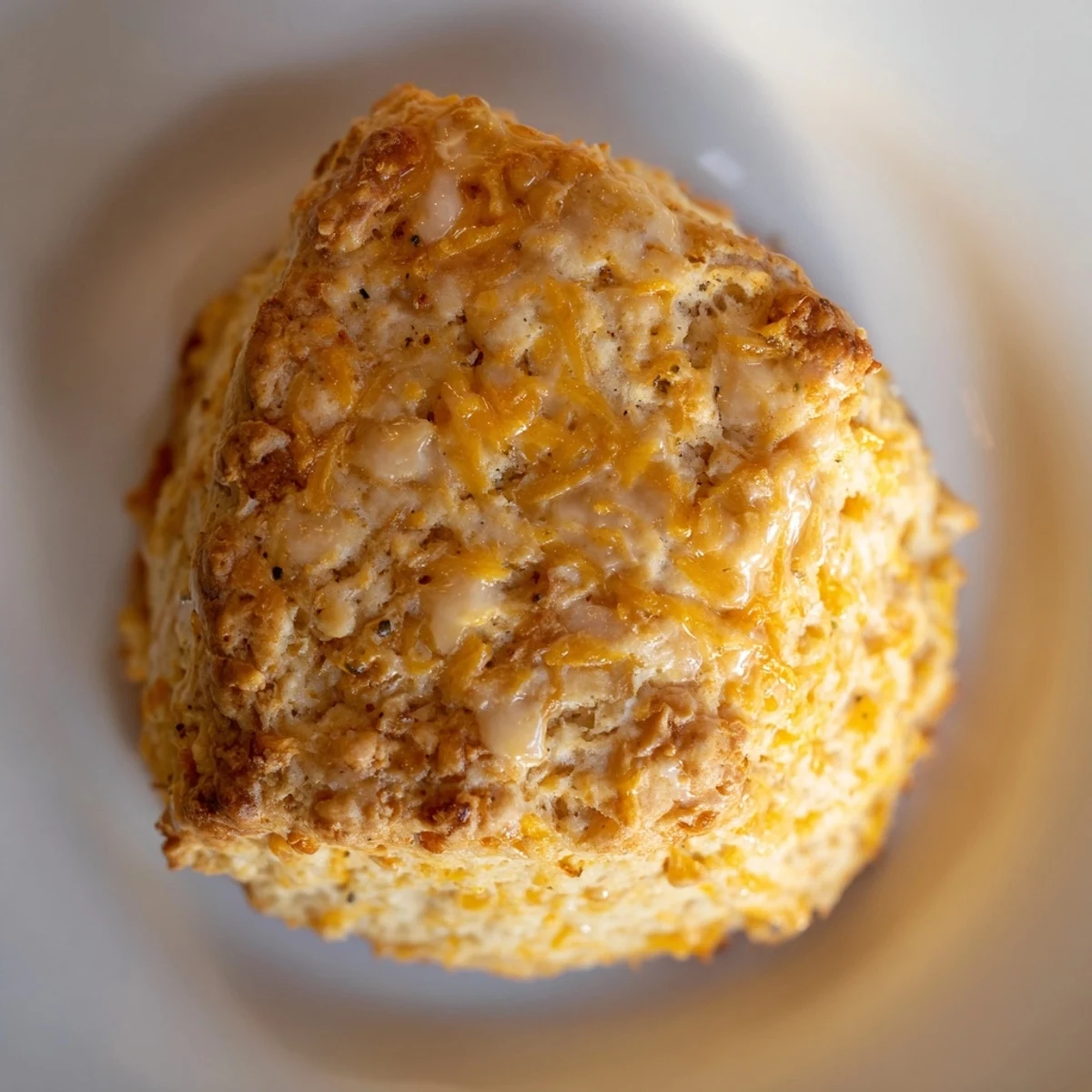
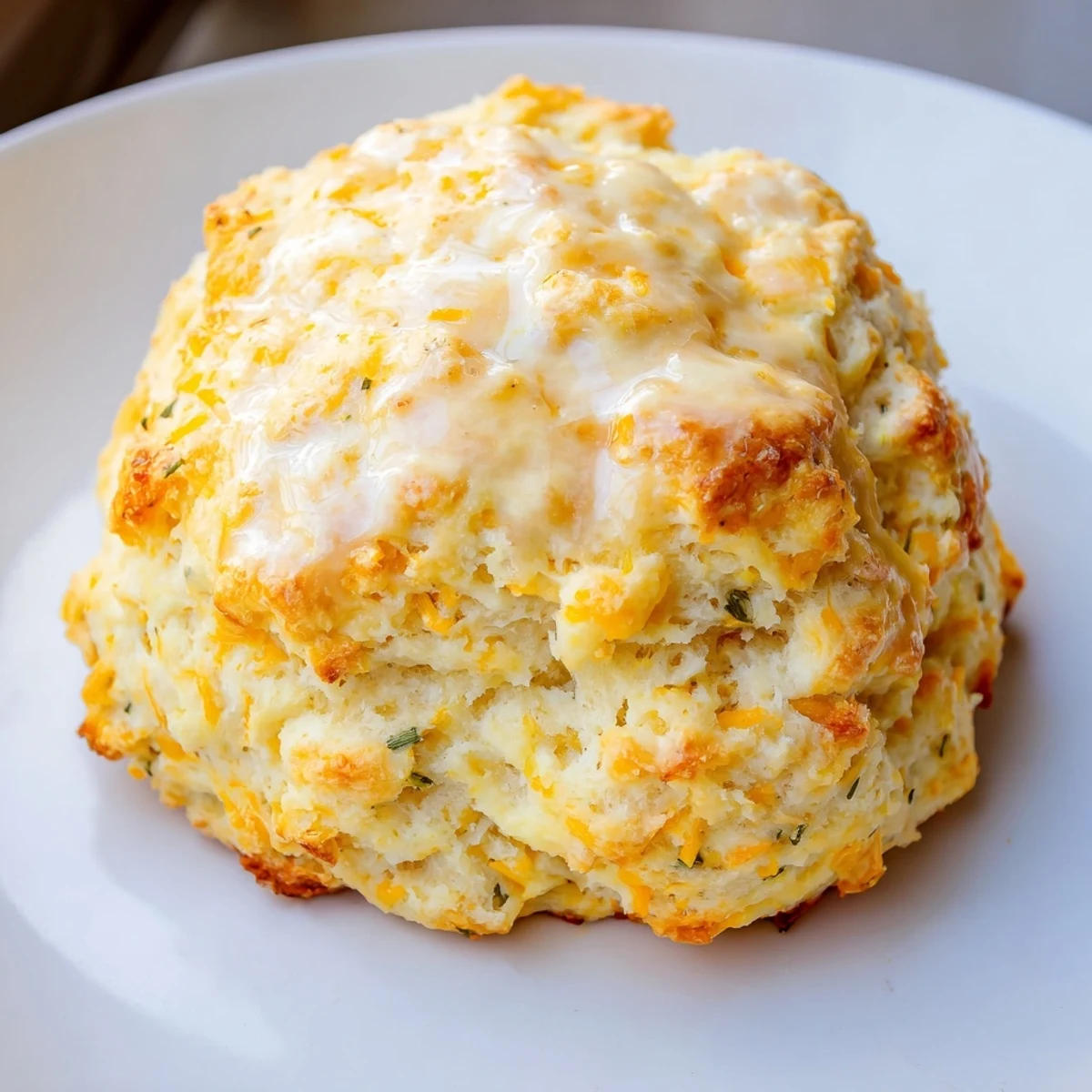
Save These scones deliver a golden, fluffy texture enriched with sharp cheddar and a subtle mustard note. Combining simple dry ingredients with cold butter creates a tender crumb, enhanced by fresh chives or spring onions. The dough is gently mixed and cut into rounds before baking to a perfect rise and golden finish. Ideal for breakfast, brunch, or teatime, they pair wonderfully with butter or chutney, offering a flavorful yet easy-to-make baked delight.
There's something about the smell of cheese and mustard hitting a hot oven that makes you feel impossibly competent in the kitchen. I discovered these scones on a grey Tuesday morning when I had nothing in the fridge but sharp cheddar and a vague memory of my grandmother's baking technique. The first batch came out golden and impossibly fluffy, and suddenly I understood why she never needed fancy ingredients to impress people.
I made these for my neighbor who had just moved in, and she came back three days later asking if I'd consider doing this professionally. We sat at her kitchen table with butter melting into the warm cracks, and she told me about her own grandmother's scones from Yorkshire. It became clear that simple things made with attention taste like more than their ingredients.
Ingredients
- All-purpose flour (250 g): The foundation everything balances on, and honestly, the difference between bread flour and AP flour here is minimal enough that I won't lose sleep over it.
- Baking powder (1 tbsp): This is what gives them their characteristic rise and that tender crumb that makes people ask how you made them so light.
- Salt and black pepper (½ tsp and ¼ tsp): These amplify the cheese flavor in ways that seem impossible from such small amounts.
- Dry mustard powder (½ tsp, optional but really not): Skip it if you're nervous, but it's the reason people will ask for the recipe before they even finish eating.
- Cold unsalted butter (120 g, cubed): Cold is non-negotiable here, it's what creates those tender layers that make scones different from dense biscuits.
- Whole milk (120 ml): The liquid that brings everything together gently, plus a splash extra for brushing the tops.
- Sharp cheddar cheese (100 g, grated): Use mature cheddar if you're feeling bold, the sharper the better for actual flavor impact.
- Large egg (1): Whisked with the milk, it gives the tops that burnished golden finish and helps them rise tall.
- Chives or spring onions (2 tbsp, finely chopped): Optional, but they add a fresh brightness that keeps these from feeling heavy.
Instructions
- Heat your oven and prep:
- Set the oven to 220°C (425°F) and line a baking sheet with parchment paper. You want the oven genuinely hot so the scones bloom immediately when they hit the heat.
- Combine your dry ingredients:
- In a large bowl, whisk together flour, baking powder, salt, pepper, and mustard powder until everything is evenly distributed. This step matters more than you'd think, it's how you ensure every bite has balanced seasoning.
- Cut in the cold butter:
- Add the cold cubed butter to the flour and rub it in with your fingertips until the mixture looks like coarse breadcrumbs. The small pockets of butter are what create those delicate layers, so don't let it get warm or blend too smoothly.
- Fold in the cheese and herbs:
- Stir in the grated cheddar and chives gently, making sure they're distributed evenly so you don't get boring scones with random pockets of flavor.
- Mix the wet ingredients:
- Whisk the milk and egg together in a small bowl and set aside 1 tablespoon for brushing later. This reserved bit is what gives you that beautiful golden shine.
- Bring it together:
- Pour the remaining milk-egg mixture into the dry ingredients and mix gently with a fork until just combined. The dough should be slightly shaggy, not smooth, overworking it is the only real way to fail here.
- Shape and cut:
- Turn the dough onto a floured surface and gently pat it into a ¾-inch (2 cm) thick round, treating it like something delicate. Use a 2-inch cutter and press straight down without twisting, which seals the edges and helps them rise evenly.
- Prepare for baking:
- Arrange the scones on your prepared baking sheet and brush the tops with that reserved milk-egg mixture. This is what makes them look bakery-quality and golden.
- Bake until golden:
- Bake for 12 to 15 minutes until they're risen and the tops are deep golden. They'll firm up as they cool, so don't second-guess yourself if they feel slightly soft when they come out.
- Cool and serve:
- Let them rest on a wire rack for just a few minutes before serving warm. They're genuinely best within the hour, but they'll keep and reheat if life gets in the way.
 Save
Save My sister brought her new boyfriend to breakfast once and served these scones without telling me she was making them. He had three with different things on top and asked if he could marry into the recipe somehow. That's when I realized these aren't just breakfast food, they're permission to feel proud of something simple.
Why These Taste Different
The secret isn't complicated, it's just that most people rush their scones or use softened butter like they're making cake. When you start with cold butter and work carefully, you get pockets of steam and air that make every bite light enough to feel indulgent without being heavy. The cheese and mustard powder sit below the radar flavor-wise, but they prevent these from tasting like plain breakfast fluff.
What to Serve Them With
I've served these with everything from clotted cream and jam to butter and chutney to just butter and salt. They're genuinely good enough to eat plain with tea, which says something about how much the cheese is doing the work. The trick is serving them while they're still warm so the butter actually melts into the cracks instead of just sitting on top.
Making Them Your Own
Once you've made these once and they worked, you'll understand how flexible they actually are. I've added smoked paprika when I was feeling adventurous, used a mix of cheddar and gruyère when I wanted to be fancy, and even threw in crispy bacon bits when someone was coming over. The ratio and technique stay the same, everything else is just flavor exploration.
- If you want extra punch, use a mature or aged cheddar and add a pinch of cayenne pepper to the dry mix.
- Fresh herbs like thyme or tarragon can replace the chives if that's what you have on hand.
- Make the dough ahead and refrigerate it for up to 4 hours, then cut and bake when you're ready for fresh scones without the morning rush.
 Save
Save These scones remind me that the best recipes are the ones that work every single time and taste good enough to serve to people you're trying to impress. Once you have this one down, you'll find yourself making them constantly.
Recipe FAQs
- → What cheese works best for these scones?
-
Sharp cheddar is ideal for its robust flavor and melting quality, but mature cheddar adds extra depth if preferred.
- → Can I substitute dry mustard powder?
-
Yes, dry mustard adds subtle warmth but can be omitted or replaced with a pinch of mustard seeds for a slightly different taste.
- → How should the butter be incorporated?
-
Use cold, cubed butter and rub it into the flour mixture until it resembles coarse breadcrumbs to ensure a flaky texture.
- → What is the best way to shape the dough?
-
Pat the dough gently into a ¾-inch thick round and use a 2-inch cutter to create uniform scones without overworking the dough.
- → How can I store leftover scones?
-
Store in an airtight container and reheat gently the next day to maintain softness and warmth.