
 Save
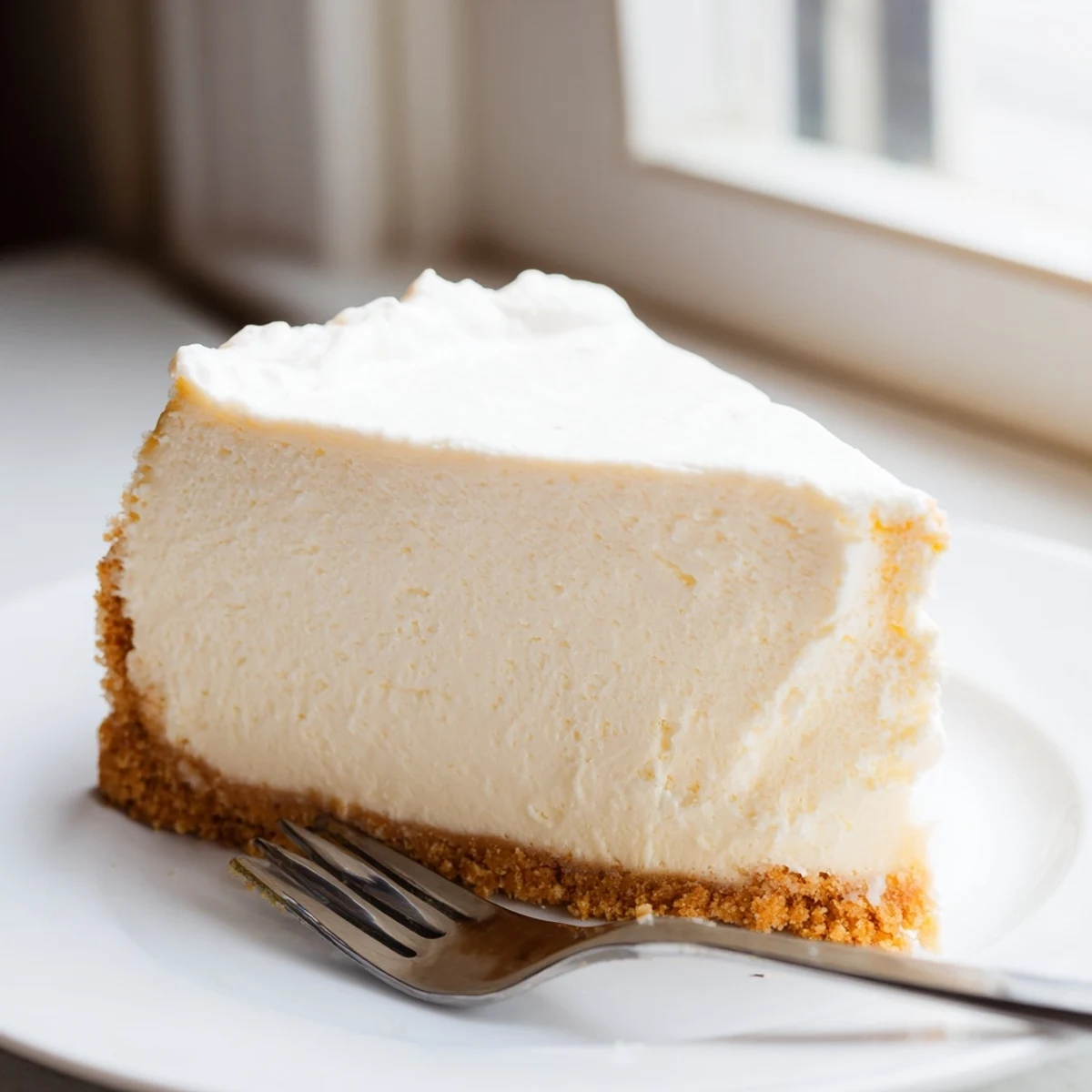
Save This classic baked cheesecake features a buttery graham cracker crust pressed into a springform pan, topped with a rich cream cheese filling blended with sour cream, vanilla, and a hint of lemon zest.
Baked low and slow at 160°C until just set, then cooled gradually in the oven to prevent cracking. An optional sour cream topping adds a tangy finish.
After chilling for at least six hours, the result is a dense, silky slice that pairs beautifully with fresh berries or fruit compote.
The oven door had barely clicked shut when my sister leaned against the counter and said she could already smell the butter toasting into those graham crackers. It was a rainy Saturday in March, and we had nowhere to be, which is honestly the best possible condition for making cheesecake. No rush, no guests waiting, just two people with a springform pan and a lot of cream cheese that needed using up. That afternoon taught me everything about why this dessert is worth the wait.
I have made this cheesecake for birthdays, potlucks, and once at eleven at night because I could not stop thinking about it. Every single time someone asks if I used a water bath, and I smile because the answer is no. The sour cream topping hides a multitude of sins, which makes this recipe remarkably forgiving for something that looks so impressive.
Ingredients
- Graham crackers (200 g): Digestive biscuits work beautifully too, but graham crackers give that classic American cheesecake flavor I grew up with.
- Unsalted butter (100 g), melted: The butter needs to be fully melted and slightly warm so it coats every crumb evenly.
- Sugar (2 tbsp, for crust): Just enough to sweeten the base without making it taste like a cookie.
- Cream cheese (900 g), softened: Leave it out for at least two hours because cold cream cheese will leave you with lumps no amount of mixing can fix.
- Granulated sugar (200 g): This sounds like a lot but the tang from the sour cream balances it perfectly.
- Large eggs (4): Add them one at a time and mix gently, as overbeating incorporates too much air and causes cracks.
- Sour cream (200 ml, for filling): This is what gives the filling its signature silky texture and subtle tang.
- All-purpose flour (40 g): A small amount of flour stabilizes the filling and helps prevent sinking after baking.
- Vanilla extract (2 tsp): Use real extract if you can, as the flavor carries through the entire cake.
- Lemon zest (from 1 lemon, optional): I always add it because it brightens everything and makes the vanilla taste more like itself.
- Sour cream (250 g), powdered sugar (2 tbsp), vanilla (1 tsp) for topping: This simple blanket turns a rustic cheesecake into something bakery worthy.
Instructions
- Prep the pan and oven:
- Heat your oven to 160 degrees Celsius and line the bottom of a 23 cm springform pan with parchment paper. Grease the sides lightly so nothing sticks later.
- Build the crust:
- Crush the biscuits until they resemble damp sand, then stir in the sugar and melted butter until everything holds together when pinched. Press firmly and evenly into the bottom of the pan and bake for ten minutes until fragrant and golden.
- Make the filling:
- Beat the softened cream cheese and sugar until completely smooth with no visible specks. Add the eggs one at a time mixing just until each disappears, then fold in the sour cream, flour, vanilla, and lemon zest until barely combined.
- Assemble and bake:
- Pour the filling over the warm crust and give the pan a couple of gentle taps on the counter to coax out trapped air bubbles. Bake for fifty to sixty minutes until the edges look set but the center still wobbles like gelatin when you nudge it.
- The crucial cooldown:
- Turn off the oven, crack the door open with a wooden spoon, and walk away for one full hour. This slow temperature drop is everything when it comes to preventing cracks.
- Add the topping:
- Whisk together the sour cream, powdered sugar, and vanilla until smooth, then spread it gently over the cooled cheesecake like a blanket.
- Chill patiently:
- Cover loosely and refrigerate for at least six hours or preferably overnight. I know it is agonizing to wait but the texture transforms completely during this rest.
- Unmold and serve:
- Run a thin knife around the edge to loosen the sides, then release the springform ring. Slice with a clean hot knife dipped in warm water for the neatest portions.
 Save
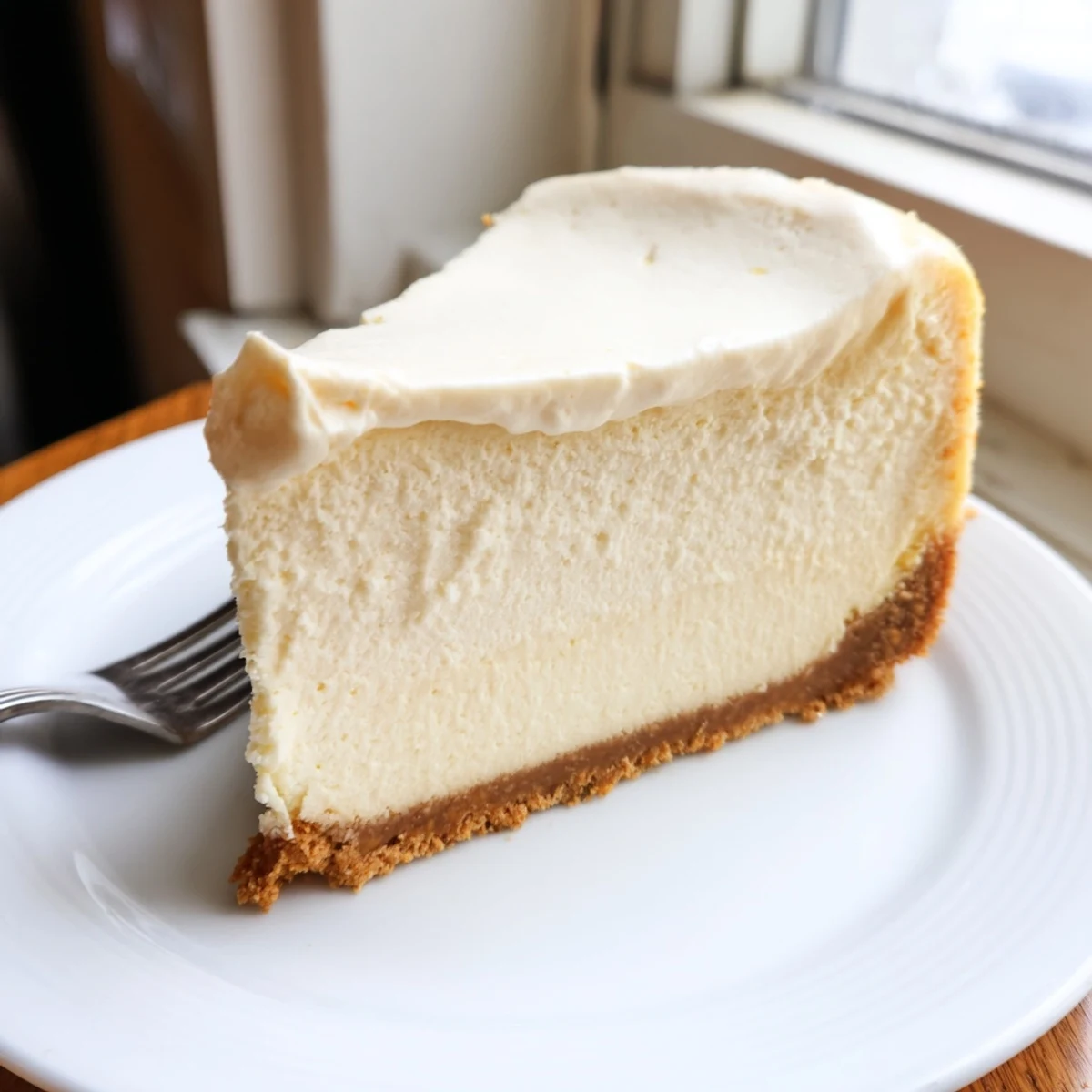
Save The moment I slice into a properly chilled cheesecake and see that clean, creamy edge, I remember why I never mind the eight hour wait. It is the kind of dessert that turns a regular evening into something worth remembering.
Toppings Worth Trying
A plain cheesecake is a blank canvas and I have fun with it every time. A quick blueberry compote simmered with a spoonful of sugar is my go-to, but warm chocolate sauce drizzled over a cold slice is dangerously good. Fresh strawberries macerated in a little sugar and lemon juice taste like summer on a plate.
Tools That Make It Easier
A springform pan is non-negotiable unless you enjoy serving cheesecake in scoops. An electric mixer saves your arm from the cream cheese beating, though a sturdy whisk and determination will work in a pinch. A small offset spatula makes spreading the topping effortless.
Serving and Storing
This cheesecake keeps beautifully in the refrigerator for up to five days, and I actually think it tastes better on day two. For clean slices, dip your knife in hot water and wipe it dry between each cut.
- Freeze individual slices wrapped tightly in plastic for up to two months.
- Always store leftover cheesecake in an airtight container to prevent it from absorbing fridge odors.
- Remember to remove the cheesecake from the fridge twenty minutes before serving so the flavors fully bloom.
 Save
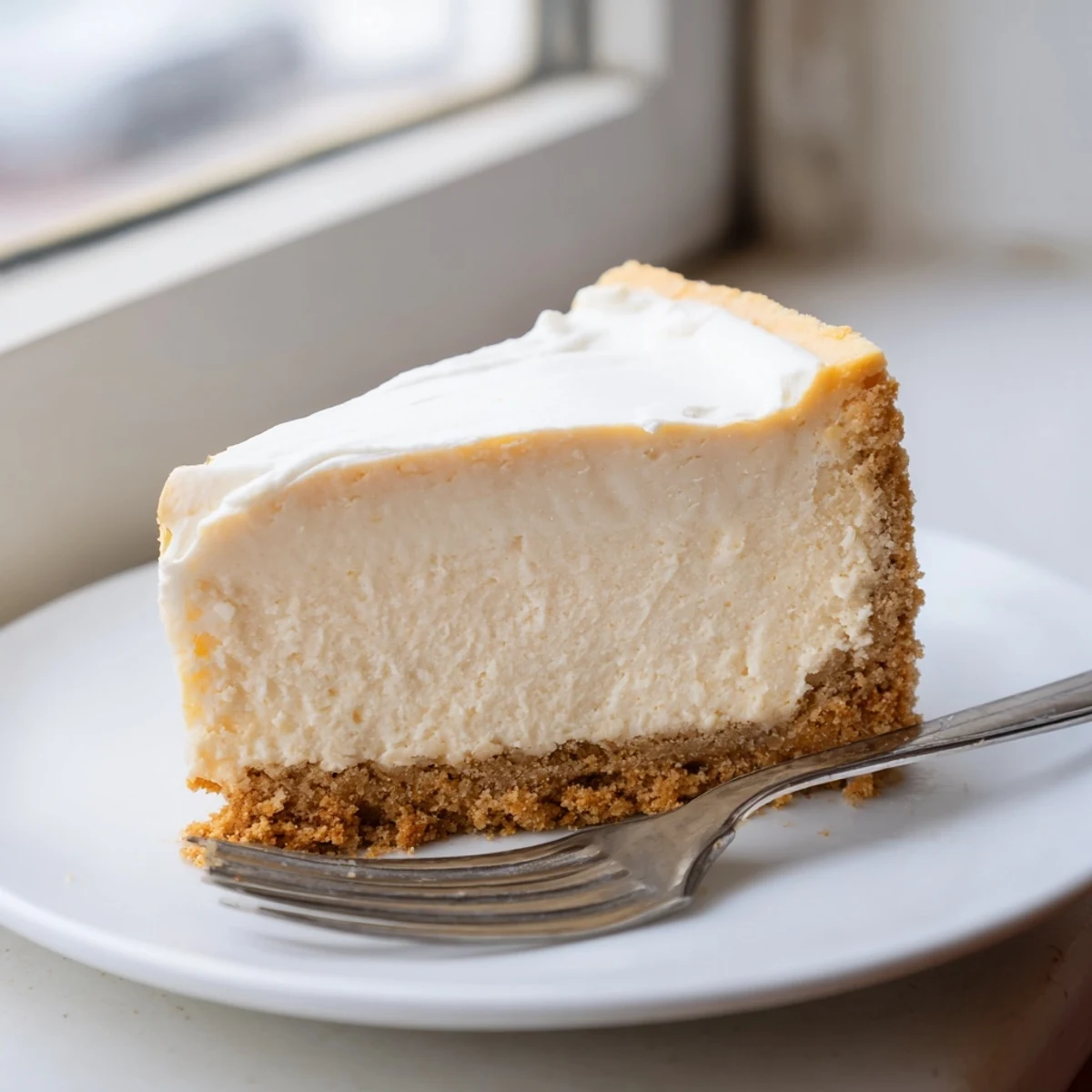
Save Every cheesecake I make still feels a little like a small miracle, pulling that tall, golden-edged beauty from the oven. Share it with someone you love or keep the whole thing in your fridge, because either way you just made your week better.
Recipe FAQs
- → Why did my cheesecake crack on top?
-
Cracking usually happens when the cheesecake is overbaked or cools too quickly. Always turn off the oven and let it cool inside with the door cracked for about an hour. Avoid overmixing the batter, which incorporates too much air.
- → Can I make cheesecake without a springform pan?
-
A springform pan is ideal for easy removal, but you can use a regular deep cake pan lined with parchment paper, leaving overhanging edges to lift the cheesecake out once fully chilled.
- → How long should I chill the cheesecake before serving?
-
Plan on at least 6 hours of refrigeration, but overnight is best. This resting time allows the filling to set completely and develop its signature dense, creamy texture.
- → Can I freeze leftover cheesecake?
-
Yes, wrap individual slices tightly in plastic wrap, then place in a freezer bag. Frozen cheesecake keeps well for up to 2 months. Thaw overnight in the refrigerator before enjoying.
- → How do I get a smooth cream cheese filling without lumps?
-
Make sure your cream cheese is fully softened to room temperature before beating. Mix it with sugar first until completely smooth, then add eggs one at a time on low speed. Avoid overbeating once the flour is added.
- → What toppings go well with this cheesecake?
-
Fresh berries, strawberry or cherry compote, chocolate ganache, caramel sauce, or a simple dusting of powdered sugar all complement the creamy filling. The optional sour cream topping in the instructions adds a pleasant tanginess on its own.