
 Save
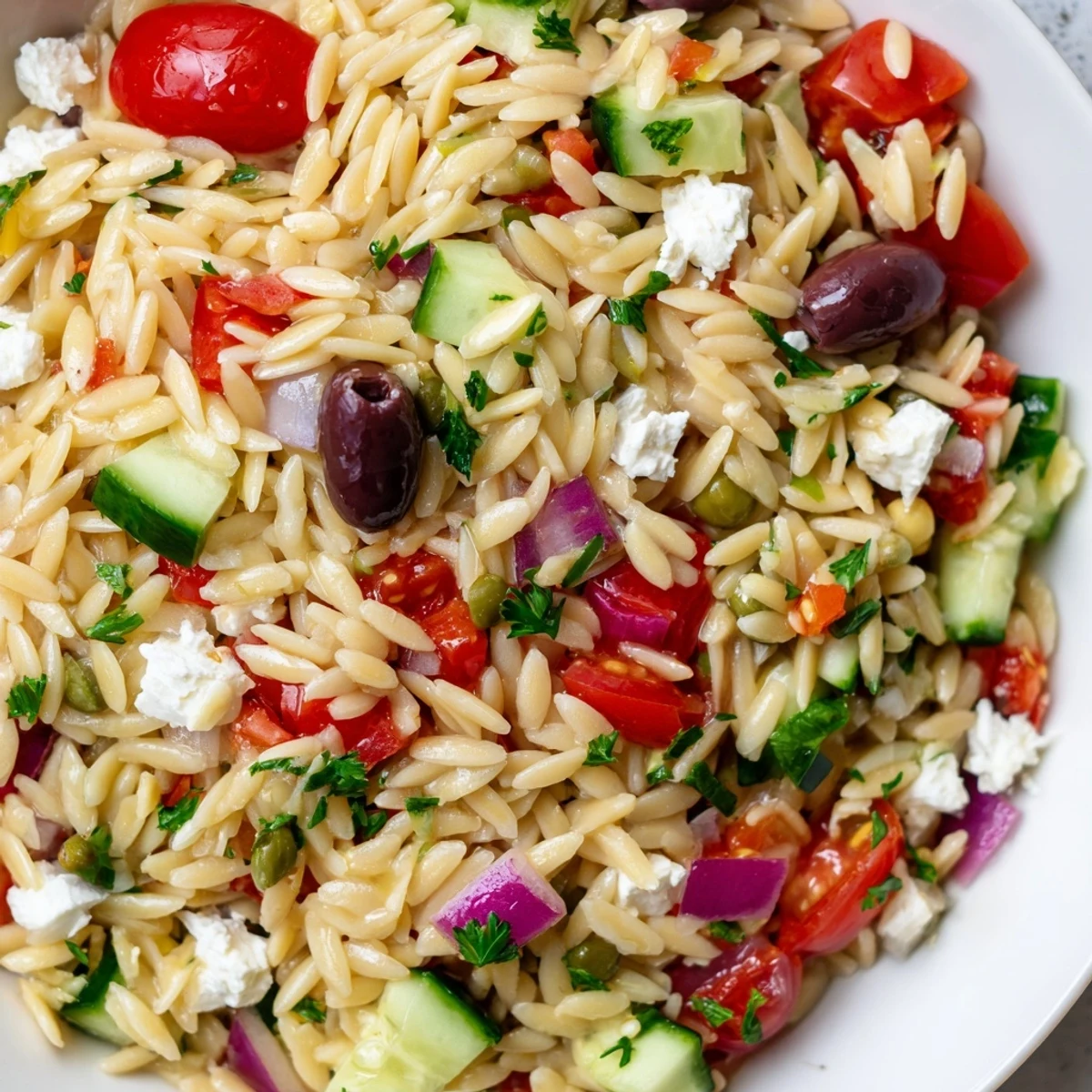
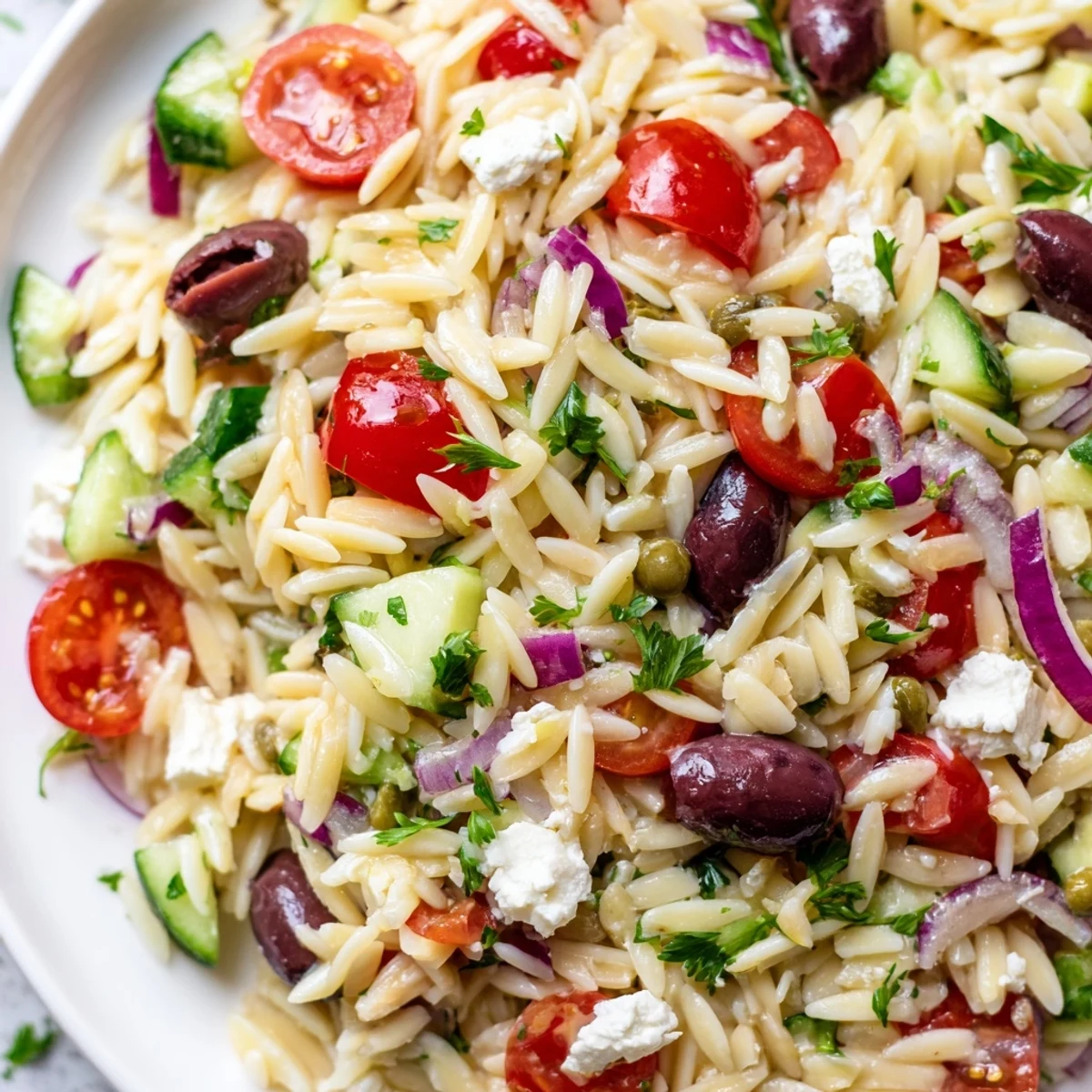
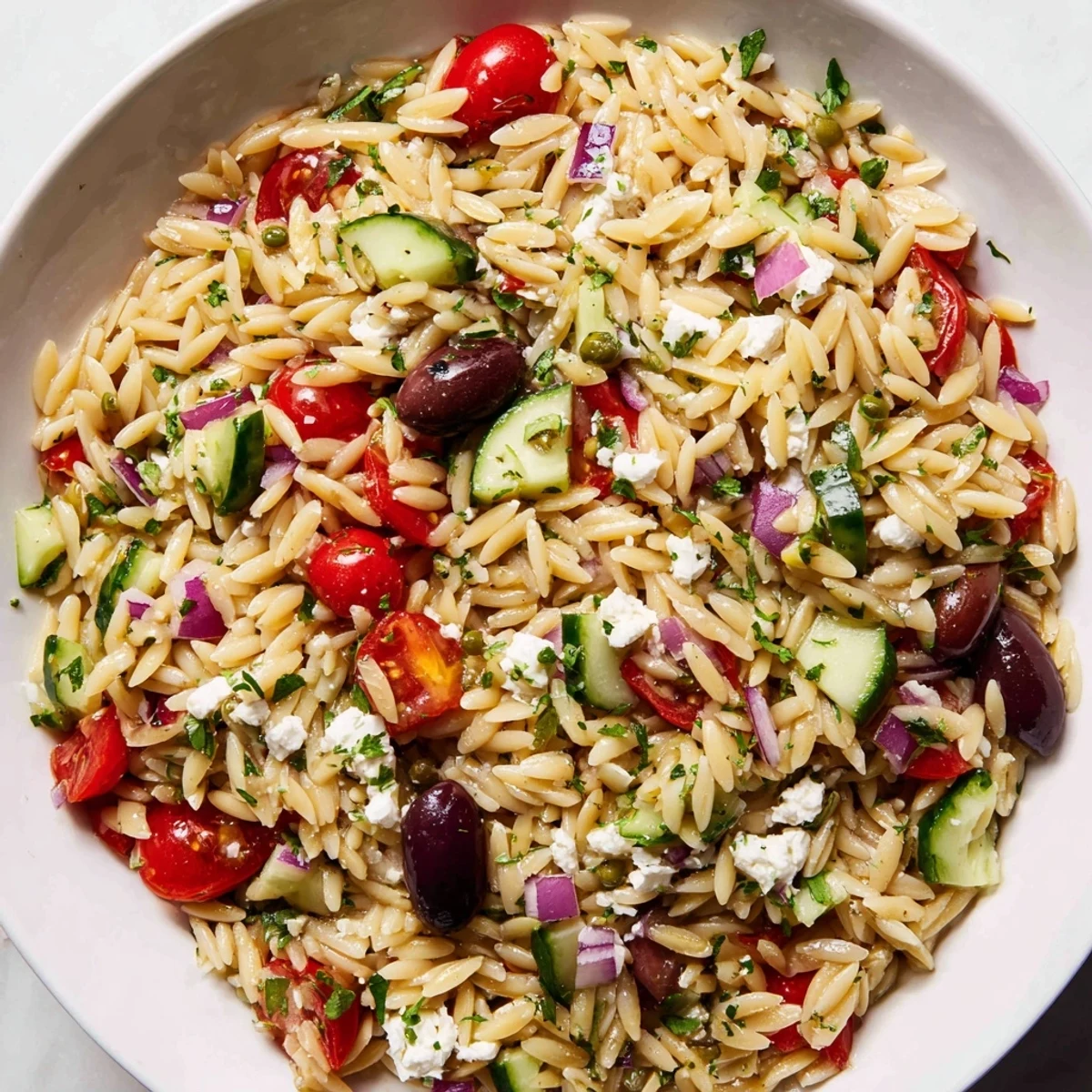
Save This Mediterranean orzo pasta salad comes together in just 30 minutes, making it an ideal choice for busy weeknights, potlucks, or meal prep. Tender orzo is combined with cherry tomatoes, cucumber, bell pepper, Kalamata olives, and crumbled feta cheese.
A bright dressing made from extra virgin olive oil, red wine vinegar, fresh lemon juice, garlic, and oregano ties everything together beautifully. The salad benefits from resting in the refrigerator for at least 15 minutes before serving, allowing the flavors to meld.
It's vegetarian, easy to customize with additions like chickpeas or artichoke hearts, and pairs wonderfully with a crisp Sauvignon Blanc.
Summer in my kitchen smells like lemon and oregano, and it almost always leads to this orzo salad. I started making it years ago when a friend brought a sad, soggy version to a barbecue and I knew I could do better. The trick, I discovered, is treating each component with care rather than tossing everything together thoughtlessly. Now it is the dish everyone asks me to bring.
One July evening, I sat on the porch with a bowl of this salad and a glass of Sauvignon Blanc while the kids ran through the sprinkler. My neighbor wandered over, fork in hand, pretending to ask about my garden but really just wanting a bite. We ended up splitting the entire batch right there on the steps, barely saying a word between mouthfuls.
Ingredients
- Dried orzo pasta (1 1/2 cups, 285 g): Orzo cooks fast and absorbs dressing like a sponge, making it ideal for cold salads. Do not overcook it, because mushy orzo ruins the entire texture.
- Olive oil (1 tbsp for tossing): A light coating on warm pasta keeps every grain separate and glossy. Use a neutral hand here since the dressing carries the real olive oil flavor.
- Cherry tomatoes (1 cup, halved): Sweet bursts of acidity that balance the salty olives and feta. Halving them instead of quartering keeps their shape intact in the mix.
- Cucumber (1 cup, diced): Adds a cool, watery crunch that breaks up the richness of the cheese. English cucumbers work best because you avoid the seedy, watery center.
- Red onion (1/2, finely chopped): A sharp bite that mellows as the salad sits. Soak the pieces in cold water for five minutes if you find raw onion too aggressive.
- Red bell pepper (1/2 cup, diced): Color and sweetness in every forkful. Roasting it first is a lovely variation but raw keeps things quick and crisp.
- Fresh parsley (1/4 cup, chopped): A fresh, grassy note that lifts everything. Flat leaf parsley has more flavor than the curly variety for this kind of dish.
- Kalamata olives (1/2 cup, pitted and halved): The briny backbone of the whole salad. Always pit them yourself since pre pitted olives lose texture and flavor.
- Feta cheese (3/4 cup, crumbled): Creamy, salty, and absolutely essential. A good quality block of feta that you crumble by hand is vastly superior to the pre crumbled tubs.
- Capers (2 tbsp, drained, optional): Tiny punches of brine that people either love or question. I love them, but the salad holds its own without them.
- Extra virgin olive oil (1/4 cup for dressing): This is where quality matters most, since the oil is raw and central to the flavor. Use the good bottle you have been saving.
- Red wine vinegar (2 tbsp): Provides a sharp, fruity tang that pairs naturally with the oregano. White wine vinegar works in a pinch but lacks the same depth.
- Fresh lemon juice (1 tbsp): Brightens the entire dressing with a citrusy lift. Bottled juice tastes flat, so squeeze it fresh.
- Garlic (1 clove, minced): One clove is enough to perfume the dressing without overwhelming it. Grate it on a microplane for the smoothest blend.
- Dried oregano (1 tsp): The quiet herb that makes this taste unmistakably Mediterranean. Rub it between your palms before adding to wake up the oils.
- Salt (1/2 tsp) and black pepper (1/4 tsp): Seasoning that ties everything together. Adjust after the salad rests, because the feta and olives add salt as they sit.
Instructions
- Boil the Orzo:
- Cook the orzo in well salted boiling water just until al dente, tasting a piece a minute before the package says it is done. Drain and rinse immediately under cold running water to halt the cooking, then toss with a tablespoon of olive oil so nothing clumps.
- Prepare the Vegetables:
- While the pasta cools, halve the tomatoes, dice the cucumber and bell pepper, and finely chop the red onion. Toss them into a large bowl with the parsley, olives, feta, and capers if you are using them, and appreciate how colorful it already looks.
- Whisk the Dressing:
- In a small bowl, combine the olive oil, red wine vinegar, lemon juice, minced garlic, oregano, salt, and pepper. Whisk vigorously until the mixture looks creamy and unified, which means the emulsion has come together.
- Bring It All Together:
- Add the cooled orzo to the bowl of vegetables and pour the dressing over everything. Toss gently but thoroughly, using a large spoon and fork to lift and turn rather than stir, so the feta stays in crumbles rather than turning into paste.
- Rest and Adjust:
- Refrigerate the salad for at least fifteen minutes before serving so the flavors marry and the temperature drops. Taste it right before bringing it to the table and add a pinch more salt, a squeeze of lemon, or an extra crumble of feta if it needs a lift.
 Save
Save I have brought this salad to potlucks, picnics, and Tuesday night dinners where the only plan was cleaning out the refrigerator. It never feels fussy, yet people always treat it like something special, asking for the recipe with their mouth still full.
Adding Your Own Twist
Once you have the base down, this salad welcomes improvisation beautifully. Roasted red peppers, artichoke hearts, or a handful of arugula folded in at the last minute all work wonderfully. For heartier meals, a cup of drained chickpeas or sliced grilled chicken turns it into a complete lunch that keeps you full for hours.
What to Serve Alongside
This salad pairs effortlessly with grilled meats, flaky fish, or simply a hunk of crusty bread and a cold glass of Sauvignon Blanc. In August, I serve it alongside grilled peach and burrata and call it dinner. The Mediterranean flavors are flexible enough to sit beside almost anything without competing.
Storage and Leftover Wisdom
Leftovers keep beautifully for up to three days in an airtight container in the refrigerator, though the texture is best on day one or two. The cucumber softens over time and the feta melts slightly into the dressing, which is actually delicious in its own way. If making it far ahead, consider holding back half the dressing and tossing it fresh before serving.
- Stir gently before serving leftovers, because the dressing settles at the bottom overnight.
- A fresh handful of parsley on top makes day two look as vibrant as day one.
- Do not freeze this salad, as the texture of the vegetables and feta will not survive.
 Save
Save This is the kind of recipe that becomes part of your regular rotation without trying, reliable and bright and endlessly forgiving. Make it once and you will find yourself reaching for orzo every time the weather turns warm.
Recipe FAQs
- → Can I make orzo salad ahead of time?
-
Yes, this orzo salad actually tastes better when made in advance. You can prepare it up to 24 hours ahead and store it covered in the refrigerator. The flavors continue to develop as it sits, making it perfect for meal prep or party planning.
- → What can I substitute for feta cheese?
-
If you're avoiding dairy, try a dairy-free feta alternative or omit it entirely. For a different flavor profile, cubed halloumi, fresh mozzarella, or goat cheese all work well. Keep in mind that feta's salty, tangy character is a key part of the Mediterranean flavor.
- → How do I keep orzo from sticking together?
-
After draining the cooked orzo, rinse it immediately under cold water to stop the cooking process and remove excess starch. Then toss it with a tablespoon of olive oil while it's still warm. This coating prevents the pasta from clumping as it cools.
- → Is this orzo salad served cold or warm?
-
This salad is best served chilled or at room temperature. After assembling, refrigerate it for at least 15 minutes to allow the dressing to penetrate the pasta and vegetables. It's refreshing on a hot day and holds up well on a buffet table.
- → What protein can I add to make it more filling?
-
Chickpeas are a natural vegetarian addition that complement the Mediterranean flavors. Grilled chicken breast, shrimp, or canned tuna also pair excellently. For a plant-based option, try white beans or roasted chickpeas for added crunch.
- → How long does leftover orzo salad last?
-
Stored in an airtight container in the refrigerator, leftovers will keep for 3 to 4 days. The vegetables may release some liquid over time, so give it a good toss before serving. The pasta will absorb the dressing, so you might want to add a drizzle of olive oil and a squeeze of lemon to refresh it.