
 Save
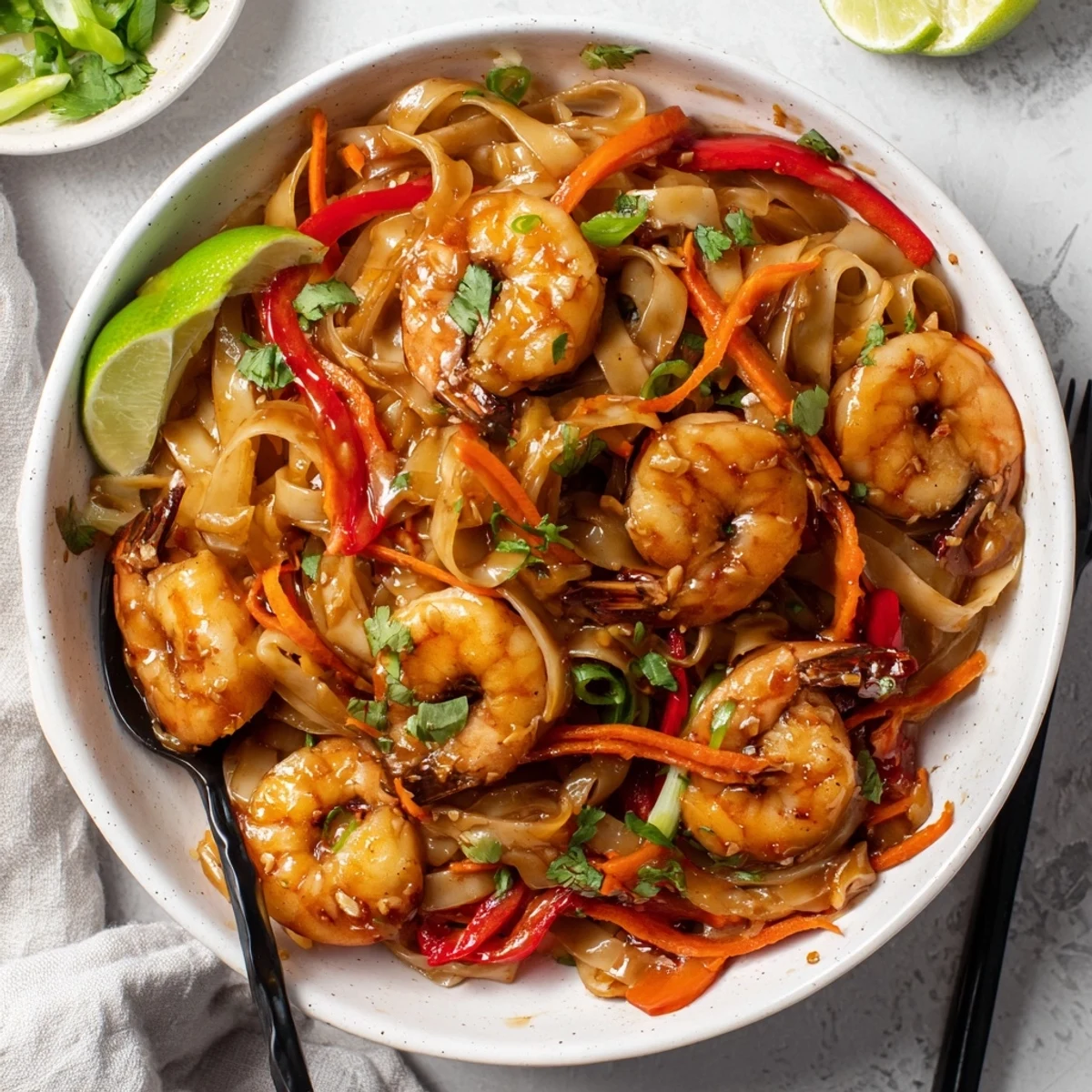
Save This spicy garlic shrimp noodles dish is ready in about 30 minutes: cook noodles, whisk soy, oyster, fish sauce, sriracha, brown sugar and sesame oil, then sauté garlic and shrimp until just pink. Stir-fry peppers and carrots, return noodles, pour sauce and toss to coat. Finish with green onions, cilantro and lime; swap tofu or chicken as desired.
The sizzle of garlic hitting a scorching wok on a rainy Tuesday evening is one of those kitchen sounds that instantly makes everything feel alright. I had stumbled home drained from work and was halfway through ordering takeout when I spotted a bag of frozen shrimp buried in the back of the freezer. Twenty minutes later I was slurping down noodles so good I actually laughed at myself for almost reaching for my phone instead of a pan.
My roommate walked in just as I was tossing the noodles with tongs and immediately leaned against the doorframe pretending she was not hungry. She ended up eating two bowls and now texts me every other week asking when the shrimp noodles are coming back. That dish officially became our unofficial comfort food.
Ingredients
- Large shrimp (500 g, peeled and deveined): The star of the show and fresh or frozen both work beautifully here just make sure to pat them thoroughly dry so they sear rather than steam.
- Rice noodles or egg noodles (300 g): Rice noodles soak up the sauce like little sponges while egg noodles hold a satisfying chew and either choice delivers a great result.
- Red bell pepper (1, thinly sliced): Adds a crunch and sweetness that balances the heat and the bright color makes the whole dish look vibrant on the plate.
- Carrot (1 small, julienned): A quiet contributor that brings texture and a subtle earthy sweetness to every bite.
- Green onions (2, sliced): Tossed in at the very end so they stay fresh and sharp against the rich sauce.
- Garlic (5 cloves, minced): Five cloves may sound aggressive but mellowed in hot oil it becomes the aromatic backbone of everything and trust the amount.
- Fresh cilantro (2 tbsp chopped, plus extra for garnish): A handful at the finish brightens the whole bowl and makes it taste finished rather than just assembled.
- Soy sauce (3 tbsp): The salty anchor of the sauce and low sodium works best so you can control the seasoning without overwhelming the dish.
- Oyster sauce (2 tbsp): This is what gives the sauce its body and that deep, rounded umami that makes people ask what your secret is.
- Fish sauce (1 tbsp): Just a tablespoon adds a funky depth that you cannot replicate with anything else and it melts right into the other flavors.
- Sriracha (1 and a half tbsp): Dial it up or down depending on your mood and tolerance but do not skip it because the heat is what makes this dish sing.
- Brown sugar (1 tbsp): A small spoonful tames the spice and helps the sauce cling to every noodle with a gentle caramel quality.
- Sesame oil (1 tsp): Just a drizzle at the end of the sauce mixing adds a nutty fragrance that ties everything together beautifully.
- Vegetable oil (2 tbsp): Used for cooking because it has a neutral flavor and a high smoke point which is essential for a hot wok.
- Lime (1, cut into wedges): A generous squeeze over each bowl at serving wakes up all the flavors and cuts through the richness perfectly.
Instructions
- Prepare the noodles:
- Cook the noodles according to the package directions, drain them well and set aside. Toss them with a tiny drop of oil if they start sticking together while you handle everything else.
- Whisk the sauce together:
- In a small bowl, combine the soy sauce, oyster sauce, fish sauce, sriracha, brown sugar and sesame oil then stir until the sugar dissolves. Give it a quick taste and adjust the heat if you want it milder or wilder.
- Bloom the garlic:
- Heat the vegetable oil in a large skillet or wok over medium-high heat until it shimmers then add the minced garlic and stir for about thirty seconds until your kitchen smells incredible. Watch it closely because garlic can go from golden to bitter in seconds.
- Sear the shrimp:
- Add the shrimp in a single layer and cook for two to three minutes until they turn pink and curl slightly then remove them from the pan immediately. Overcooked shrimp turn rubbery so pull them off the heat the moment they look just done.
- Stir-fry the vegetables:
- Toss the sliced bell pepper and julienned carrot into the same pan and stir-fry for about two minutes until they soften slightly but still have a good bite. Those caramelized bits left from the shrimp will add extra flavor to the vegetables.
- Bring it all together:
- Return the noodles and shrimp to the pan, pour the sauce over everything and toss vigorously with tongs until every strand is coated and heated through which should take about two minutes. Work quickly so the shrimp do not overcook during this final stage.
- Finish and serve:
- Remove the pan from the heat and gently toss in the green onions and chopped cilantro. Serve immediately with extra cilantro scattered on top and lime wedges on the side for squeezing.
 Save
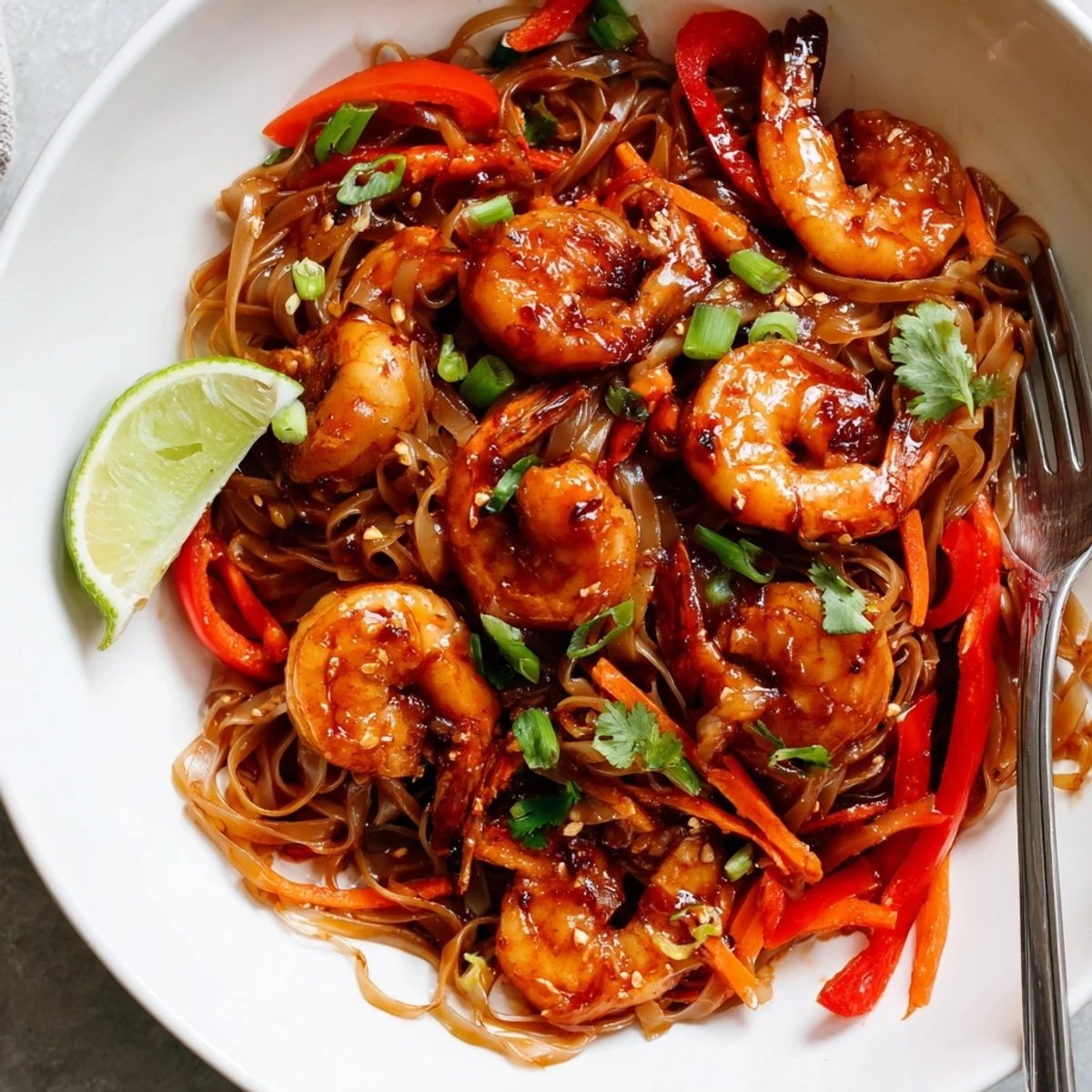
Save I made this for a small dinner party once and everyone went quiet after the first bite which is honestly the highest compliment a home cook can receive. Someone asked if I had ordered in and was pretending to cook and I have never felt more proud of a wok.
Swapping the Protein
Shrimp is wonderful here but this sauce plays just as nicely with thinly sliced chicken breast pressed tofu or even chunks of salmon. Whatever you choose the key is cooking the protein separately first then bringing it back in at the end so nothing overcooks or turns mushy.
Choosing the Right Noodles
Thin rice stick noodles create a lighter softer experience while fresh egg noodles bring bounce and heartiness that feels more like takeout. I keep both in my cupboard and decide based on mood and honestly neither choice has ever been wrong.
Storage and Reheating
Leftovers keep well in an airtight container in the fridge for up to two days though the noodles will absorb more sauce and soften overnight. A quick toss in a hot skillet with a splash of water brings everything back to life surprisingly well.
- Add a tablespoon of water or broth when reheating to loosen the sauce again.
- Do not microwave for too long or the shrimp will turn tough and rubbery.
- Taste after reheating because a fresh squeeze of lime can revive flavors that went quiet in the fridge.
 Save
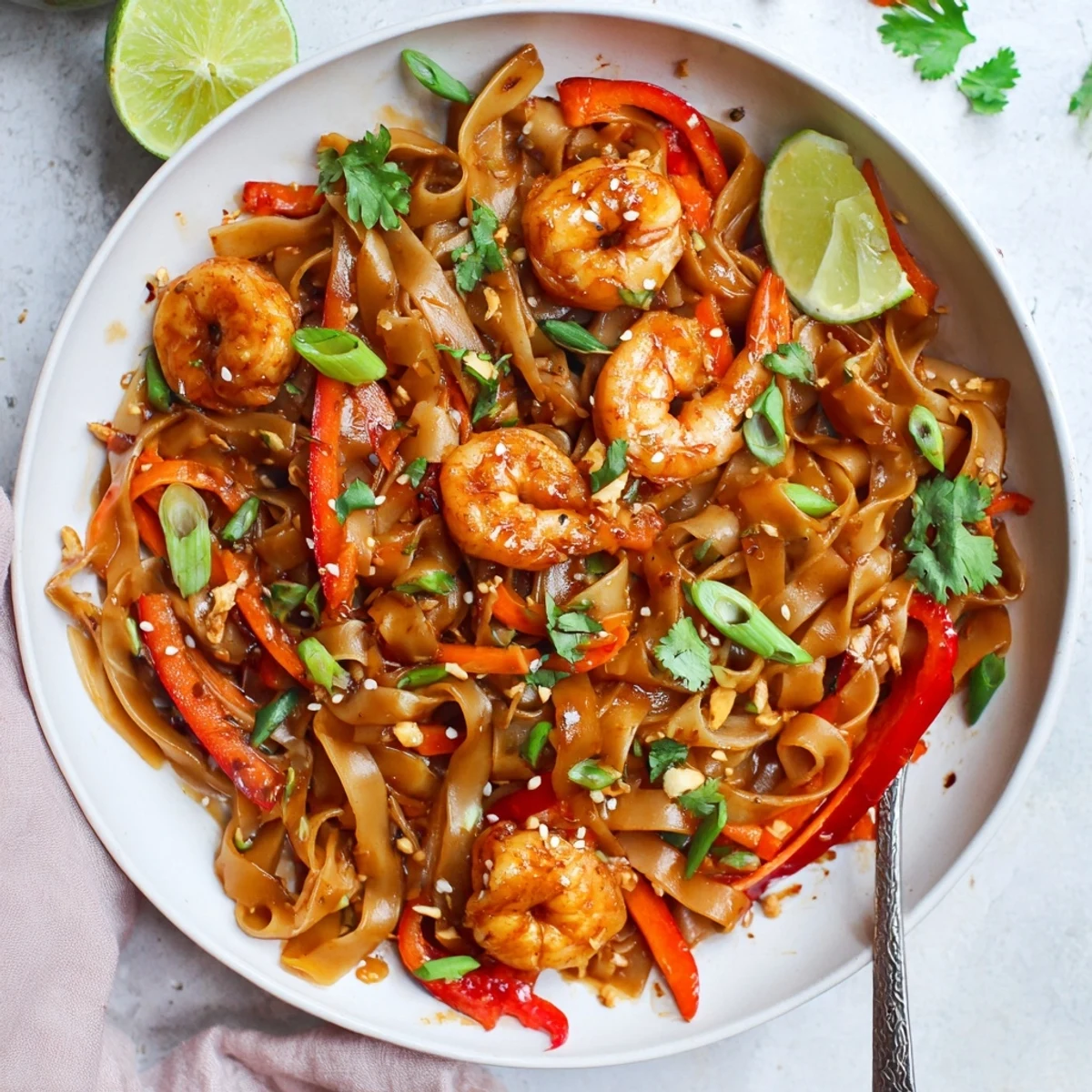
Save Some dishes earn a permanent spot in your rotation not because they are fancy but because they show up when you need them most. Keep a bag of shrimp in the freezer and you are never more than thirty minutes away from something truly satisfying.
Recipe FAQs
- → How can I control the heat level?
-
Adjust the sriracha to taste and start with less; add sliced fresh chili or chili flakes for buildable heat. A squeeze of lime and a touch of brown sugar will balance spiciness.
- → What noodles work best?
-
Rice noodles or egg noodles both absorb the sauce well. Use rice noodles for a lighter texture and egg noodles for a chewier bite; cook according to package instructions before tossing.
- → How do I avoid overcooking shrimp?
-
Cook shrimp on medium-high for 2–3 minutes until they turn pink and just curl. Remove them from the pan early; they finish cooking when combined with the hot noodles and sauce.
- → Can I make this ahead or store leftovers?
-
Prepare components ahead (sauce, chopped vegetables). Combine just before serving. Store cooled leftovers in an airtight container for up to 2 days; reheat briefly in a skillet with a splash of water or oil.
- → How do I make this gluten-free?
-
Use tamari or a gluten-free soy sauce and confirm oyster and fish sauces are gluten-free. Choose certified gluten-free rice noodles to keep the dish free of gluten.
- → What are good protein or garnish swaps?
-
Swap shrimp for thinly sliced chicken, tofu, or tempeh to vary protein. Garnish with extra cilantro, sliced green onions, toasted sesame seeds, and lime wedges for brightness.