
 Save
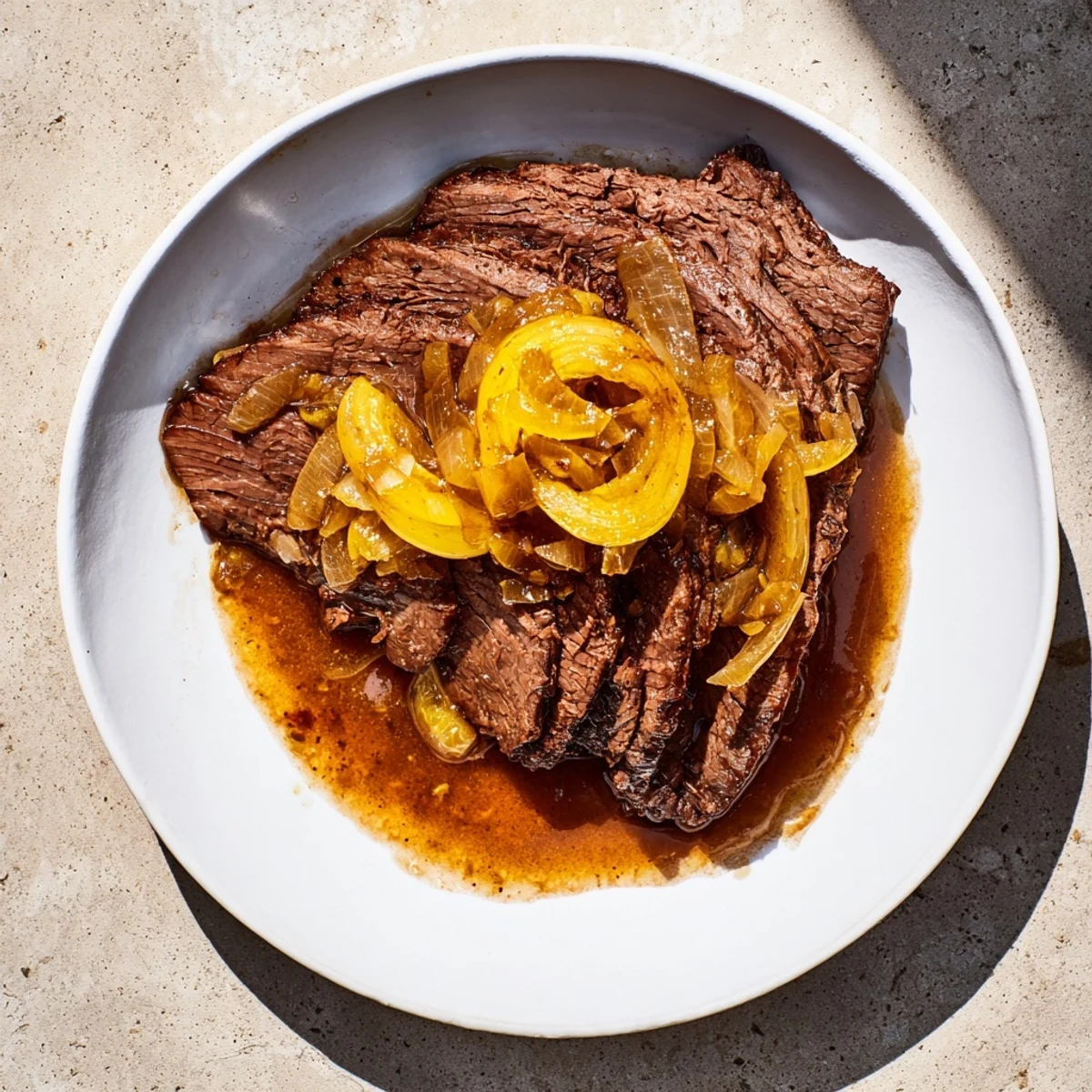
Save This dish features a generous beef brisket gently browned and slowly cooked with a mix of caramelized onions, carrots, celery, garlic, and aromatic herbs. Red wine, tomato paste, and rich beef broth create a savory sauce that deeply infuses the meat. Perfectly tender after hours in the oven, each slice is served with the flavorful onion sauce, ideal for family dinners or special occasions. Preparation includes careful seasoning and layering of fresh thyme, rosemary, and bay leaves to enhance the depth of flavors.
Suggested accompaniments include mashed potatoes, roasted vegetables, or crusty bread to soak up the luscious sauce. Leftover brisket works wonderfully in sandwiches, and flavors improve when rested overnight. This gluten-free, comforting dish balances tender protein and rich aromatics for a satisfying main course.
I still remember the winter evening when my grandmother pulled a massive beef brisket from her oven, the kitchen filled with such an intoxicating aroma of caramelized onions and herbs that my siblings and I couldn't stay out of the kitchen. She taught me that day that good food isn't about rushing—it's about patience and letting time do the work. That braised brisket, fork-tender and swimming in its own savory sauce, became the dish I reach for whenever I want to feel like I'm cooking with her hands guiding mine.
I made this for my partner on our first Thanksgiving together, and watching them take that first bite and close their eyes in contentment told me everything I needed to know about whether this was the right recipe to become part of our traditions. It's been our go-to ever since, especially when family comes to visit.
Ingredients
- Beef brisket (4 lbs): This is the star—look for a cut with good marbling and a thick fat cap that will render down and keep everything moist. Ask your butcher to trim it, but don't let them remove all that fat; it's flavor waiting to happen.
- Kosher salt and freshly ground black pepper (1½ tsp and 1 tsp): Seasoning the meat generously before searing creates a beautiful crust that locks in all those deep, savory notes.
- Yellow onions, sliced (3 large): These are your secret weapon—as they cook down, they become almost sweet and create the body of your sauce.
- Garlic, minced (4 cloves): Just enough to whisper its way through the dish without overpowering.
- Carrots and celery (2 each, sliced): The holy trinity with onions, building layers of natural sweetness and depth.
- Beef broth (2 cups): This is your liquid foundation—use the good stuff, because it becomes part of the soul of this dish.
- Dry red wine (1 cup): Don't use anything you wouldn't drink yourself; the wine concentrates as it braises and adds real complexity.
- Tomato paste (2 tbsp): A spoonful or two gives the sauce richness and a subtle umami boost.
- Worcestershire sauce (2 tbsp): The umami amplifier that makes people wonder what your secret ingredient is.
- Fresh thyme and rosemary (2 sprigs each): These woody herbs become almost floral as they steep in the braising liquid—pure aromatics.
- Bay leaves (2): They add a subtle earthiness that ties everything together.
- Olive oil (2 tbsp): The vehicle for getting that perfect golden-brown sear on the meat.
Instructions
- Get your stage ready:
- Preheat your oven to 325°F and pat that brisket completely dry with paper towels—this is non-negotiable if you want a proper sear. Generously season all sides with salt and pepper, letting it sit for a moment so it can really adhere to the meat.
- Sear that beautiful beef:
- Heat your Dutch oven over medium-high heat and get it smoking hot. When you add the oil, it should shimmer immediately. Lay that brisket down and let it sit undisturbed for about 4-5 minutes—you're building a golden crust that's going to be the foundation of all that flavor. Flip it and repeat on the other side. This isn't a step to rush; you'll feel the difference.
- Build your flavor base:
- Lower the heat to medium and add those sliced onions, carrots, and celery. This is where patience becomes your friend again—let them cook slowly, stirring occasionally, for about 10 minutes until the onions have taken on some color and smell absolutely incredible. They should be starting to caramelize, not just softening. Add your minced garlic and cook for just one more minute until fragrant.
- Deglaze and deepen:
- Stir in the tomato paste and let it cook for 2 minutes, coating everything in that deep red-brown color. Pour in your red wine and use your wooden spoon to scrape up all those caramelized bits from the bottom of the pot—that's pure flavor. Add the beef broth and Worcestershire sauce, and bring everything to a gentle simmer.
- Return the brisket to its bed:
- Nestle that brisket back into the pot, fat side up, so it can braise in all that savory liquid. Scatter the thyme sprigs, rosemary sprigs, and bay leaves around and over it. Cover with a tight-fitting lid—you want a gentle braise, not an evaporation.
- Let time do the magic:
- Transfer to your preheated oven and let it braise undisturbed for 2½ to 3 hours. The meat should be fork-tender when it's done, yielding to the slightest pressure. You'll know it's ready when the brisket falls apart when you touch it with a fork.
- The grand finale:
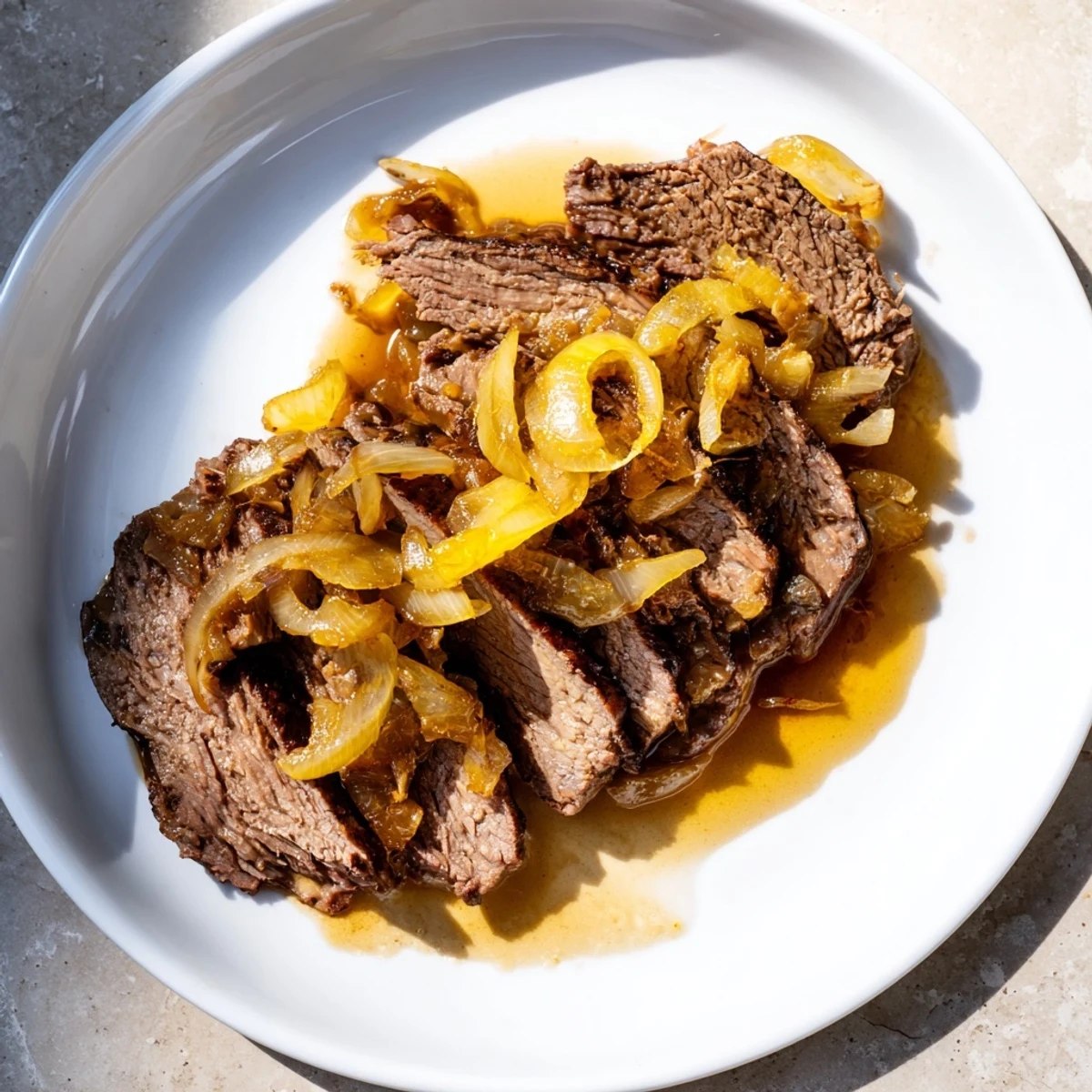
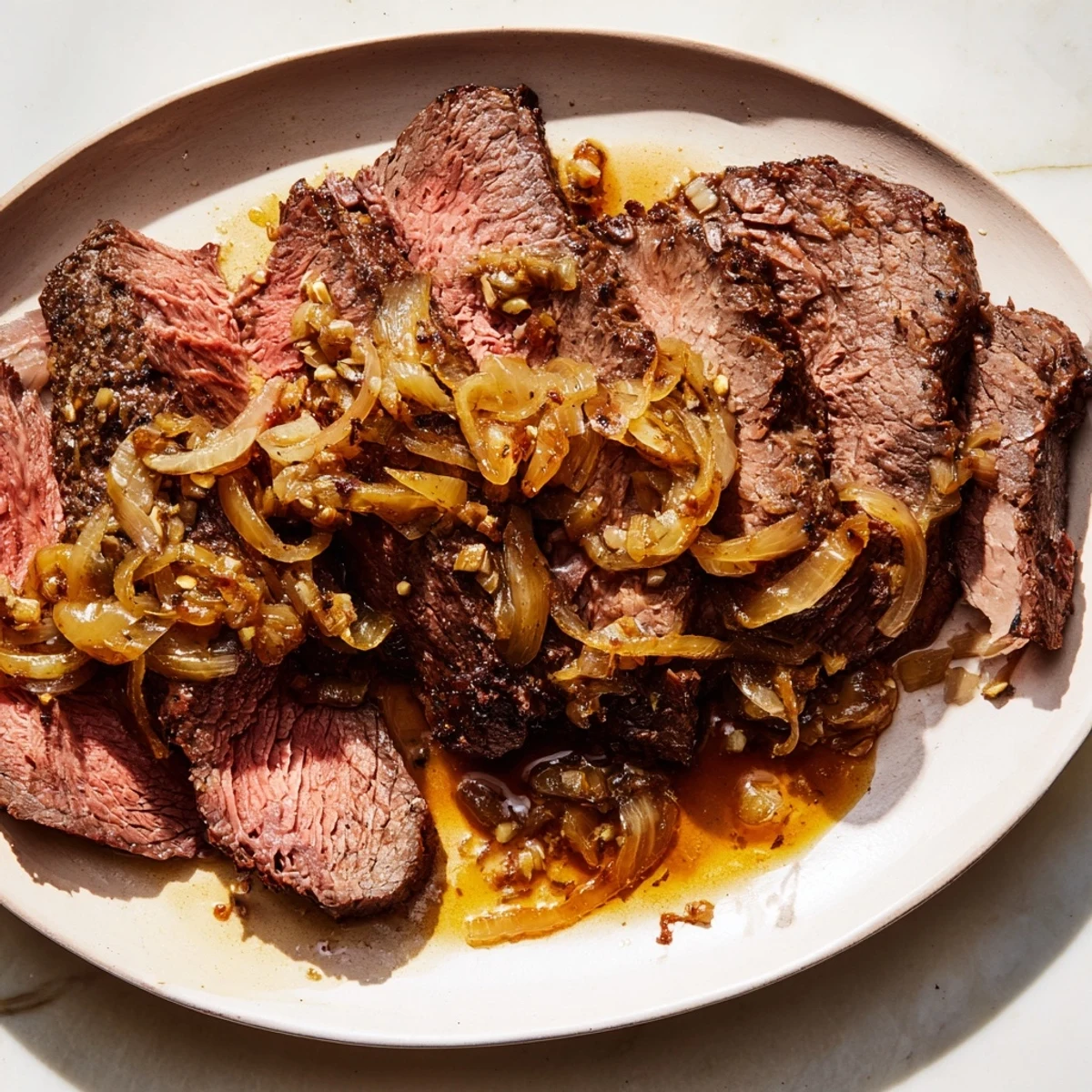
- Remove the brisket to a cutting board and let it rest for 10 minutes—this keeps all those beautiful juices from running out when you slice. While it rests, skim any excess fat from the surface of the sauce, fish out those herb stems and bay leaves, and taste for seasoning. Slice the brisket against the grain in thick, luxurious slices and spoon that gorgeous onion-studded sauce over the top.
 Save
Save Years later, I realized that this dish became the thing I made when someone needed comfort, when we were celebrating, or when I simply wanted to show people I cared. There's something about brisket that says 'I took the time to do this right for you,' and somehow people always feel that.
The Science of Slow Braising
When you braise brisket low and slow, something remarkable happens at the cellular level. The collagen in this tough cut breaks down into gelatin, transforming the meat into something tender and silky. The onions caramelize and release their natural sugars, creating a sauce with complex, almost sweet undertones. The wine and broth penetrate the meat, carrying flavor deep into every fiber. This isn't quick cooking—it's alchemy, and the three hours in the oven is exactly what that alchemy requires.
Making It Your Own
This is a recipe with soul, but it also leaves room for your own voice. I've learned that a teaspoon of smoked paprika adds a whisper of smoke that feels almost mysterious, or a splash of balsamic vinegar brings a subtle sweetness that rounds everything out. Some years I add a handful of dried mushrooms or a touch more garlic. The beauty of braised brisket is that it's forgiving enough to handle your instincts and creative enough to welcome them. Trust your gut—if you think something will taste good, it probably will.
Serving and Storage Wisdom
Serve this alongside creamy mashed potatoes, roasted root vegetables, or thick slices of crusty bread to soak up every drop of that precious sauce. The leftovers—if there are any—are actually better the next day after the flavors have had time to get to know each other even better. Pile that tender brisket onto sourdough with a slather of horseradish for sandwiches that rival any deli. Make ahead by braising it the day before, refrigerating it overnight, and gently reheating it on the stovetop until it's warmed through.
- Always slice against the grain or the meat will seem tough no matter how perfectly you cooked it.
- Save every bit of that sauce—it's liquid gold and the best part of the whole dish.
- This freezes beautifully for up to three months if you want to get ahead of your entertaining.
 Save
Save This braised brisket has been my answer to almost every question about what to cook for people I love. It's generous, it's real, and it always brings people together around a table with full plates and fuller hearts.
Recipe FAQs
- → How do I achieve tender brisket?
-
Low and slow cooking is key. Braise the brisket at a low oven temperature for 2½ to 3 hours until fork-tender.
- → What role do onions play in the dish?
-
Caramelized onions add a natural sweetness and depth, enriching the sauce and complementing the beef's richness.
- → Can I prepare this in advance?
-
Yes, the flavors deepen when chilled overnight and gently reheated before serving.
- → What herbs are best for this braise?
-
Fresh thyme, rosemary, and bay leaves lend aromatic earthy notes that enhance the beef's flavor.
- → What side dishes pair well with the brisket?
-
Mashed potatoes, roasted root vegetables, or crusty bread work beautifully to complement and soak up the sauce.
- → How can I adjust seasoning for dietary needs?
-
Use gluten-free broth and Worcestershire sauce if needed, and taste as you go to balance salt and pepper.