
 Save
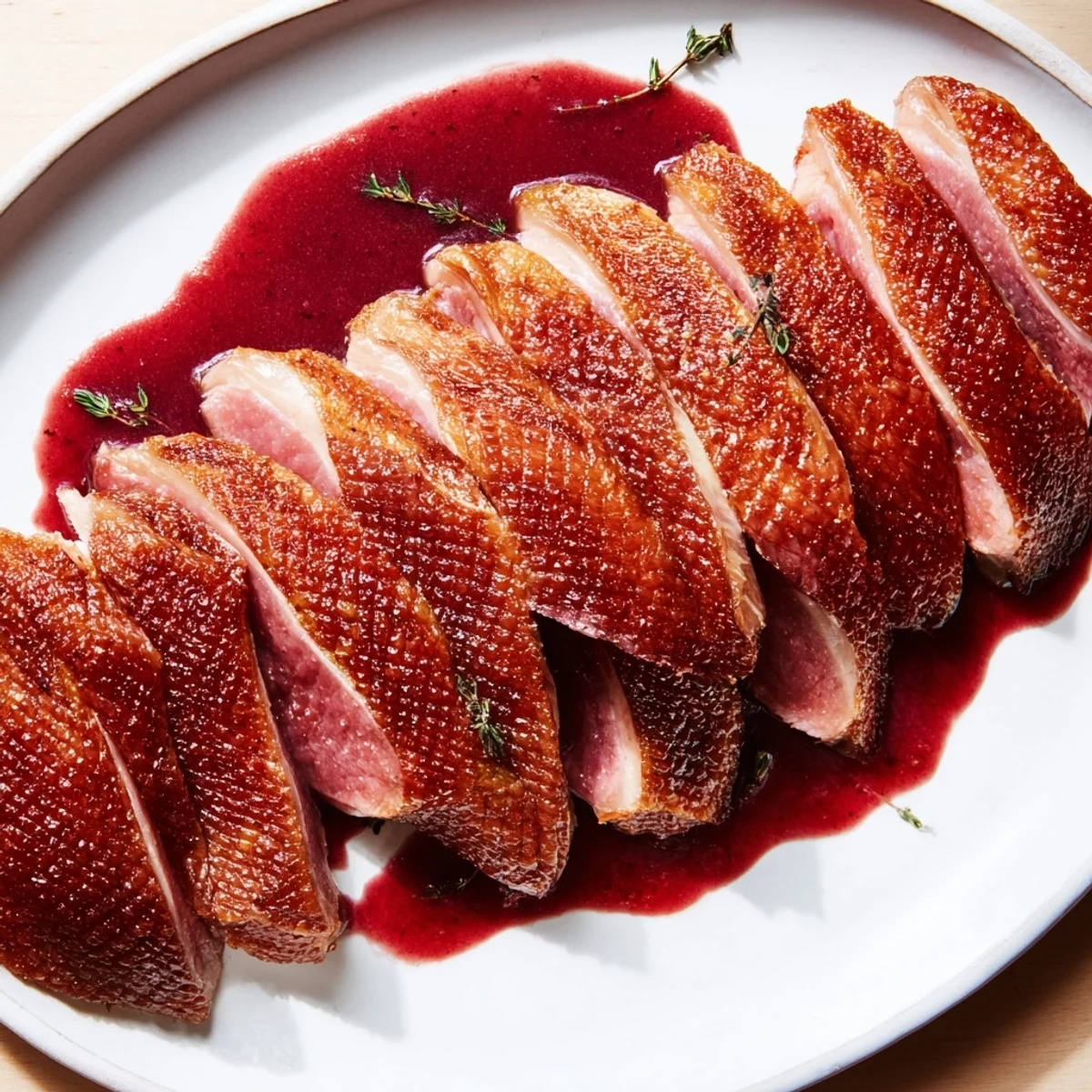
Save This dish features duck breasts cooked skin-side down in a skillet until beautifully crisp. The meat is seasoned with salt and pepper and rested to retain juiciness. A simple pan sauce is made using shallots, red wine, stock, thyme, and butter, adding depth of flavor. Perfect for an elegant dinner, it pairs well with roasted potatoes or wilted greens, delivering a refined yet approachable meal.
I picked up duck breast on a whim one autumn evening, drawn by its deep red color and the promise of crispy skin. I had no real plan, just a hunch that something this rich deserved nothing more than salt, heat, and time. What came out of that pan changed how I thought about cooking meat entirely.
The first time I served this to friends, the kitchen filled with the smell of browning fat and thyme, and everyone wandered in asking what was happening. We ate it with nothing but crusty bread and wine, and it felt like the kind of meal you remember for months. Duck became my secret weapon for nights when I wanted to impress without the stress.
Ingredients
- Boneless duck breasts, skin on: The skin is where all the magic happens, so choose breasts with thick, even coverage and let them come to room temperature before cooking.
- Salt and black pepper: Season generously, the meat can handle it and the seasoning helps the skin crisp beautifully.
- Shallots: Their sweetness mellows in the rendered fat and gives the sauce a gentle, aromatic base without overpowering the duck.
- Dry red wine: Use something you would actually drink, the flavor concentrates as it reduces and cheap wine tastes cheap in the sauce.
- Chicken or duck stock: Adds body and depth, homemade is wonderful but a good quality store bought works perfectly fine.
- Unsalted butter: Swirled in at the end, it gives the sauce a glossy finish and smooths out any sharpness from the wine.
- Fresh thyme leaves: Optional but worth it, the earthy note ties everything together and smells incredible as it simmers.
Instructions
- Prep the duck:
- Pat the breasts completely dry, moisture is the enemy of crispy skin. Score the skin in a crosshatch pattern without cutting into the meat, this helps the fat render out evenly.
- Start in a cold pan:
- Place the duck skin side down in a cold, dry skillet and then turn on the heat to medium. This slow start renders the fat gently and prevents the skin from seizing up or burning.
- Render and crisp:
- Cook for 6 to 8 minutes, draining off excess fat as it pools, until the skin turns deep golden and crisp. The sound will shift from a gentle sizzle to a quieter crackle when it is ready.
- Flip and finish:
- Turn the breasts over and cook for 3 to 4 minutes for medium rare, the meat should feel springy but not firm. Remove to a plate, tent loosely with foil, and let rest for 5 minutes.
- Build the sauce:
- Pour off most of the fat, leaving about a tablespoon, then add the shallots and cook for a minute until softened. Deglaze with red wine, scraping up all the browned bits stuck to the pan.
- Reduce and finish:
- Add the stock and thyme, simmer until the sauce reduces by half and coats the back of a spoon. Remove from heat and swirl in the butter until it melts into a glossy, silky sauce.
- Slice and serve:
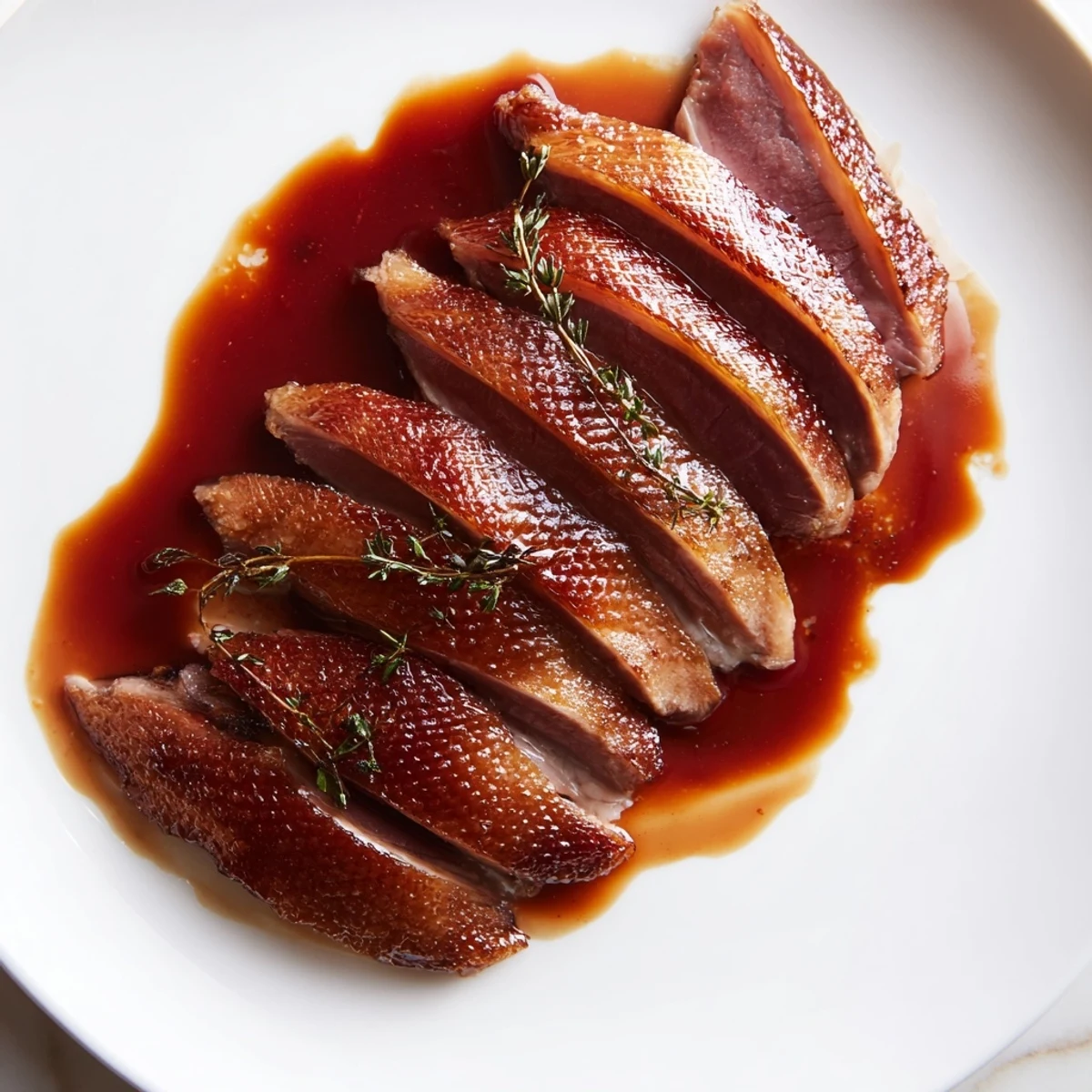
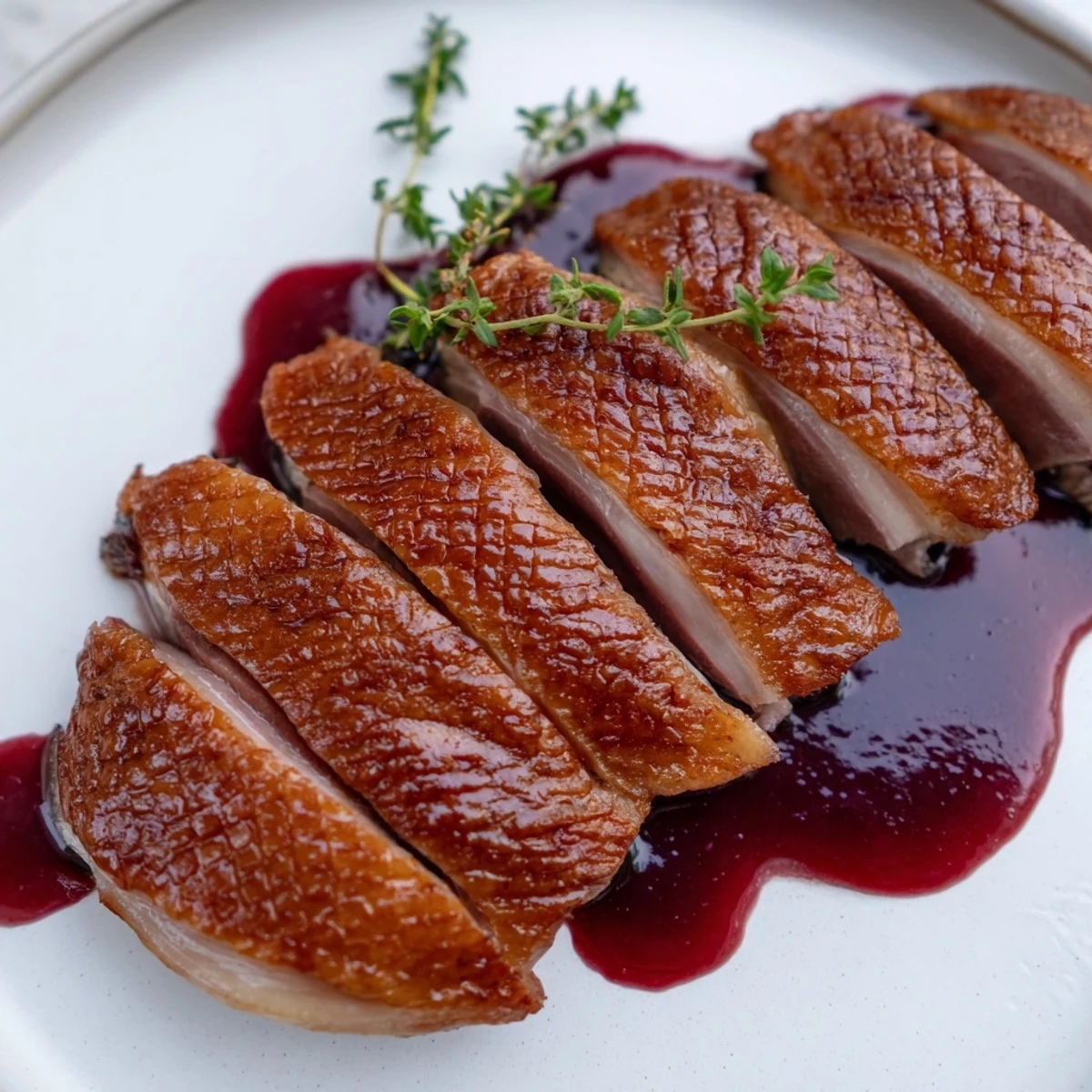
- Slice the duck thinly against the grain, arrange on plates, and spoon the warm sauce over top.
 Save
Save There was a February night when I made this after a long week, just for myself, with roasted potatoes and a glass of the same wine I used in the sauce. The simplicity of it, the quiet satisfaction of nailing the sear, reminded me why I love cooking in the first place. Sometimes the best meals are the ones you do not have to share.
Pairing Suggestions
Duck loves anything slightly sweet or earthy, so roasted root vegetables, wilted greens with garlic, or a quick cherry compote all work beautifully. I have also served it over creamy polenta or alongside crispy fingerling potatoes fried in the rendered duck fat. Keep the sides simple and let the meat be the star.
Variations to Try
Swap the red wine for orange juice and add a splash of balsamic for a brighter, fruitier sauce that feels more spring than winter. You can also finish the sauce with a spoonful of Dijon mustard for a sharper edge, or skip the sauce entirely and serve the duck with just flaky salt and lemon. The technique stays the same no matter where you take the flavors.
Storage and Reheating
Leftover duck keeps in the fridge for up to three days and reheats gently in a low oven or sliced cold over salad. The sauce can be made ahead and reheated with a splash of stock to loosen it up. The rendered fat solidifies in the fridge and lasts for weeks, use it to fry eggs or roast Brussels sprouts for an instant flavor upgrade.
- Reheat duck gently to avoid overcooking the meat, low and slow is best.
- Store the sauce separately so the duck does not get soggy.
- Label and date your duck fat jar, future you will thank you when you find it.
 Save
Save This dish taught me that fancy does not mean complicated, and that patience with heat is just as important as any ingredient. I hope it becomes one of those recipes you turn to when you want to feel capable and a little indulgent at the same time.