
 Save
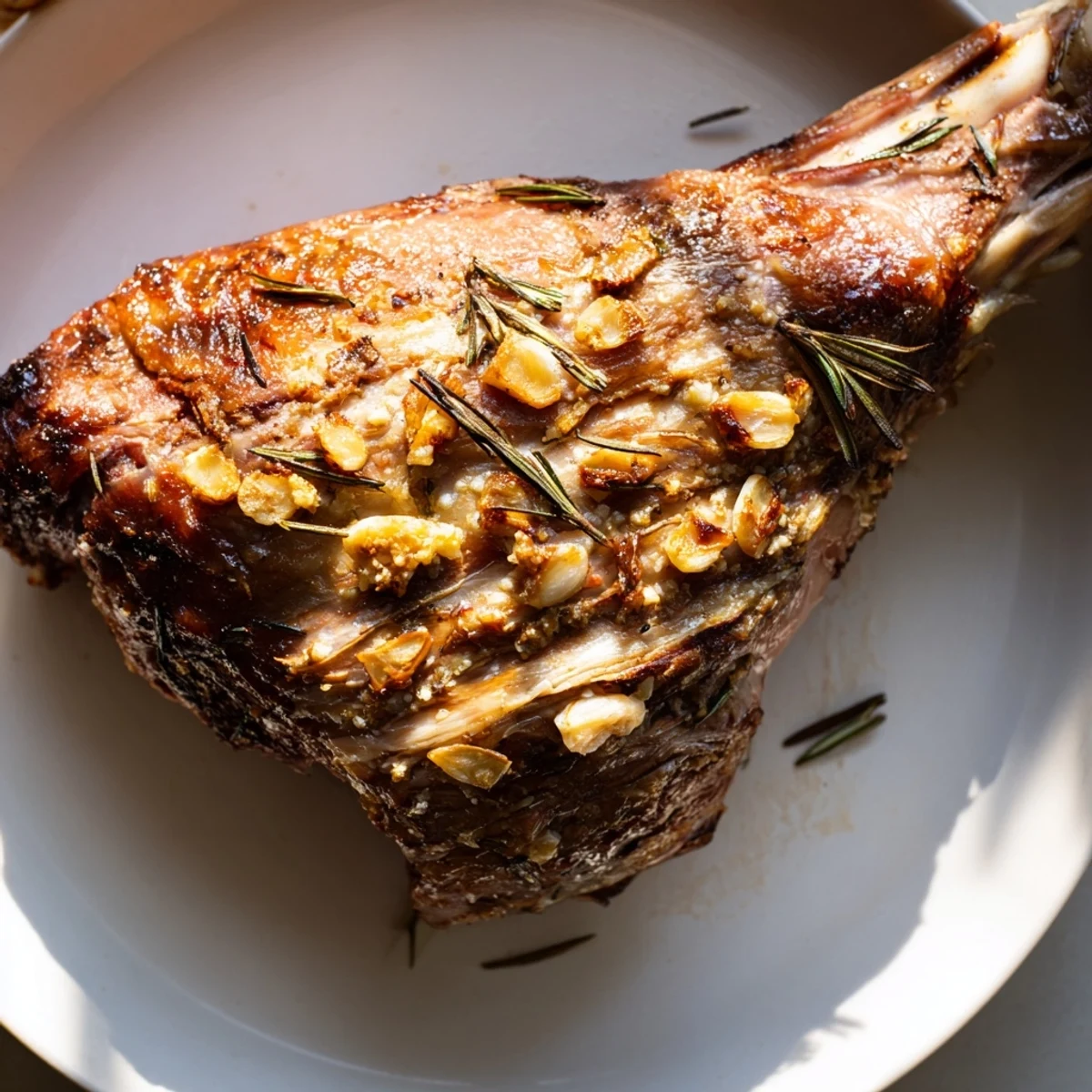
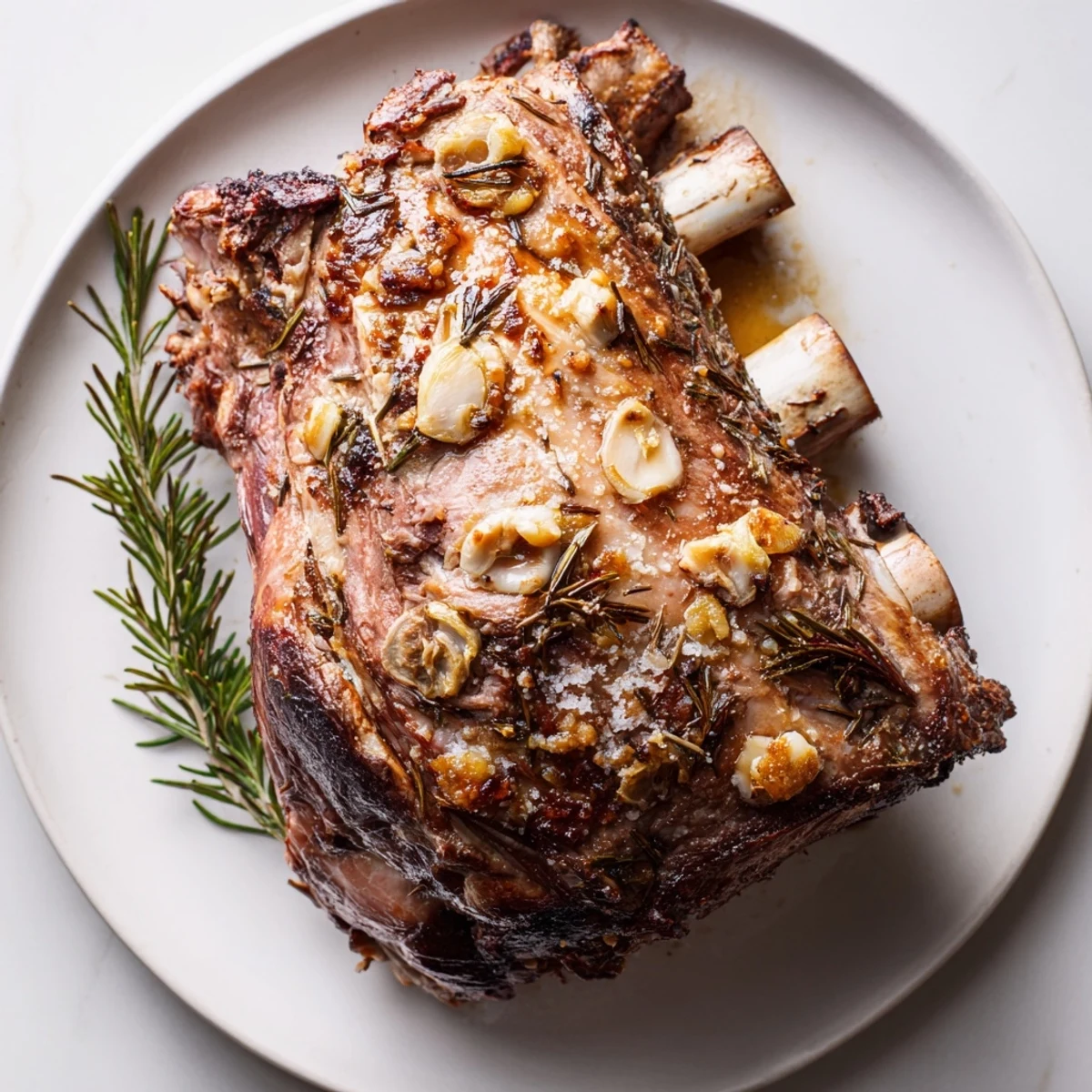
Save This dish features a bone-in leg of lamb infused with fresh rosemary and garlic, slow-roasted to develop deep, savory flavors. The lamb is carefully prepared by inserting aromatic garlic and rosemary into slits, then rubbed with olive oil and herbs before roasting atop a bed of vegetables. Cooking slowly at low heat ensures a tender, juicy texture that melts in your mouth. A final high-heat roast crisps the exterior for a beautiful crust, and resting the meat helps retain its juices. The pan juices are strained and served as a flavorful sauce, completing this elegant Mediterranean-inspired main course perfect for special meals.
Discovering this slow roasted leg of lamb was like stumbling upon a hidden treasure in my grandmother's kitchen. The rich aroma of rosemary and garlic filling the air instantly made me feel at home and taught me the magic of slow cooking.
I remember the first time unexpected guests arrived just as I put the lamb in the oven. The long roast time gave me calm moments to catch up, and the result wowed everyone around the table.
Ingredients
- Lamb: I always choose bone-in for that extra flavor and juicy roast
- Rosemary & Thyme: Fresh is best here; the aroma is unbeatable
- Garlic: Sliced and tucked into the lamb to infuse each bite
- Olive Oil: Use good quality for richness and to help the herbs stick
- Vegetables & Liquid: Onions, carrots, celery, and a splash of white wine or broth to keep the lamb moist and create a delicious pan sauce
Instructions
- Get Everything Ready:
- Preheat your oven low and slow at 150°C (300°F) and prepare your lamb by patting it dry. The smell of fresh rosemary and garlic is the first hint of the feast to come.
- Flavor Injection:
- Make deep slits and tuck in garlic and rosemary. This little trick infuses every bite; the aromas will make your kitchen sing.
- Coat and Layer:
- Rub olive oil, salt, pepper, and herbs over the lamb like wrapping it in flavor. Lay the vegetables in the pan to create a bed that steams the lamb gently.
- Slow Roast Time:
- Pour in your choice of liquid to keep things juicy, cover tightly with foil, and let the oven work its magic for 3 hours. Patience here brings out that legendary tenderness.
- The Finishing Touch:
- Uncover, crank the heat up to 200°C (400°F), and roast for 30 minutes more to get that golden crust. The sizzling sound at this stage is pure satisfaction.
- Rest and Serve:
- Let the lamb rest covered loosely; this seals in juices. Strain and skim the pan juices for a sauce that ties the whole dish beautifully together.
 Save
Save This dish became a family tradition on special Sundays, symbolizing warmth, togetherness, and the joyful mess of serving food straight from the oven.
Serving Ideas That Clicked
We love pairing this lamb with roasted potatoes or a crisp green salad for balance. The leftover lamb makes amazing sandwiches, especially with a smear of mustard or horseradish.
Keeping It Fresh
If you can't finish it all, wrap leftovers tightly and refrigerate. The flavors deepen overnight, and reheating gently keeps the lamb moist and tender.
A Time This Recipe Saved the Day
One holiday season, when I was pressed for time, this slow roast was my lifesaver. I prepped it in the morning and came back to a house smelling festive and inviting.
- Remember to score the lamb deeply for full flavor penetration
- Use fresh herbs whenever possible for vibrant aroma and taste
- Reserve pan juices to drizzle over slices just before serving for extra richness
 Save
Save Thanks for joining me in the kitchen today, my friend. Can’t wait for you to try this and hear your own stories it creates!
Recipe FAQs
- → How do I ensure the lamb stays tender during roasting?
-
Slow roasting at a low temperature allows the connective tissues to break down gently, resulting in tender meat. Resting after cooking also helps redistribute juices.
- → Can I substitute fresh rosemary with dried?
-
Fresh rosemary offers a brighter flavor, but dried can be used if needed. Use about one-third the amount when substituting dried herbs.
- → What vegetables work best under the lamb while roasting?
-
Onions, carrots, and celery provide a flavor-packed base that imparts sweetness and moisture to the meat during cooking.
- → Is it necessary to brown the lamb after slow roasting?
-
Yes, increasing the oven temperature at the end crisps the lamb’s exterior, enhancing texture and flavor contrast.
- → How can I make a sauce from the pan juices?
-
After resting the lamb, strain the pan juices, skim excess fat, and reduce them slightly over heat for a rich, savory sauce.