
 Save
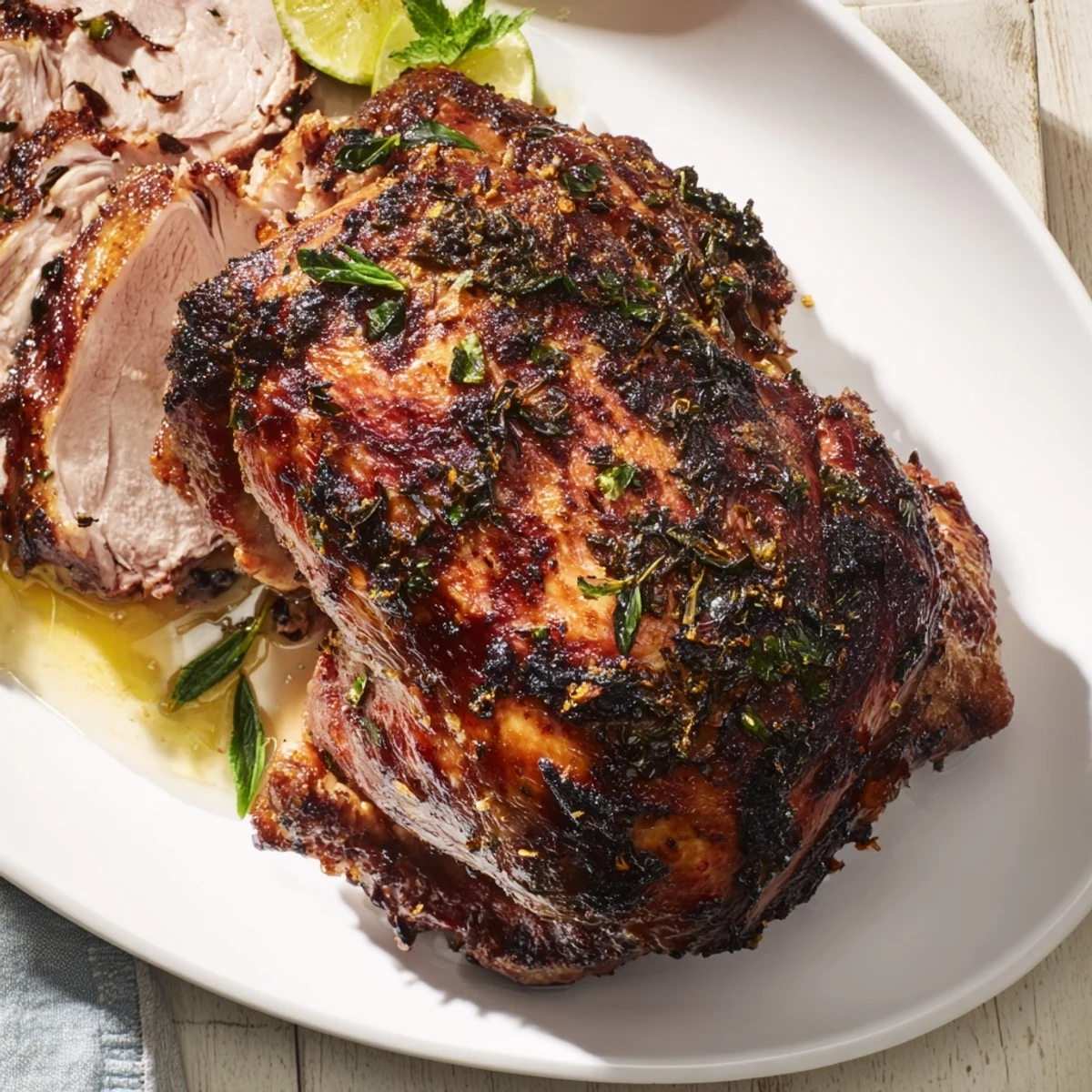
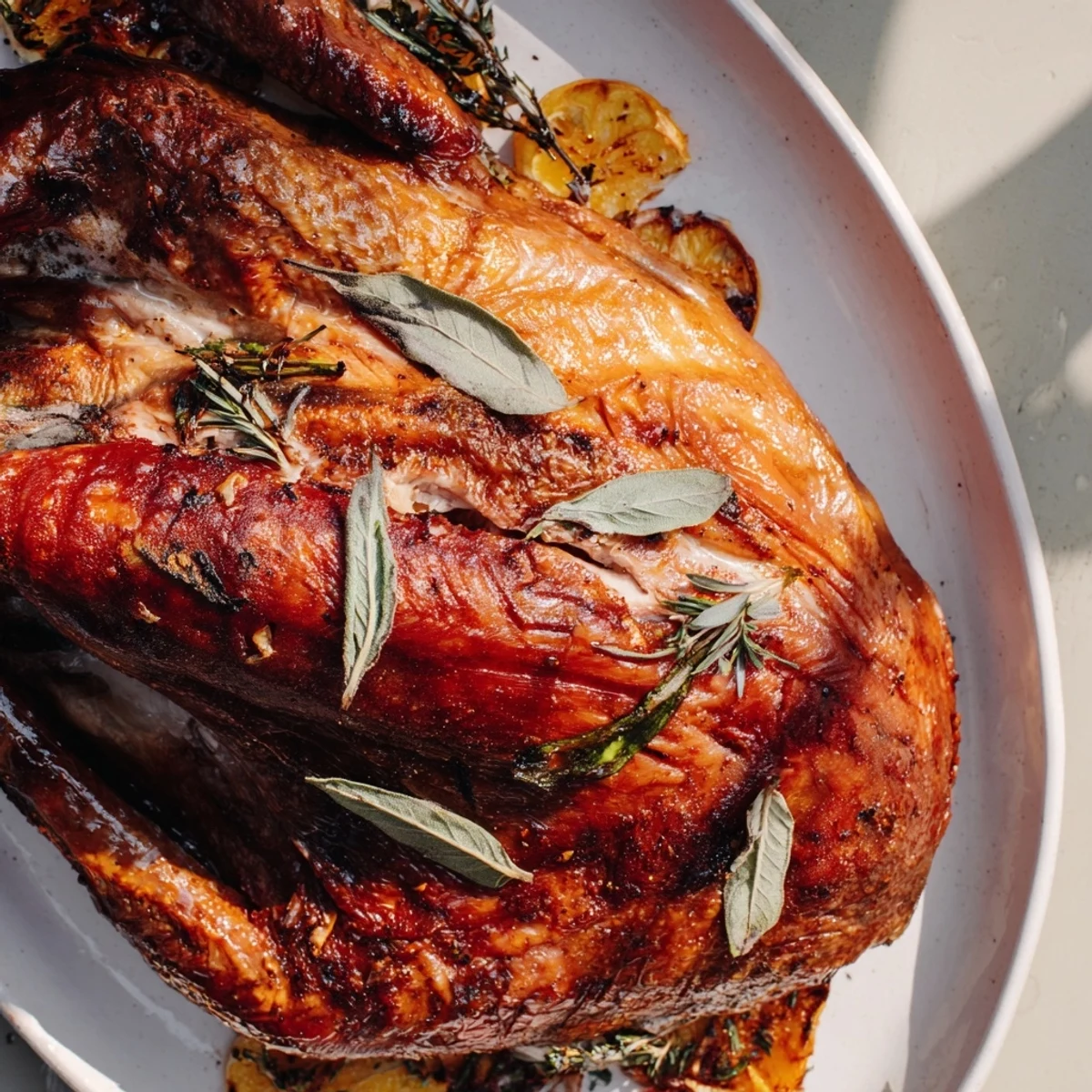
Save This dish features a bone-in turkey breast slow roasted at a low temperature to lock in moisture and flavor. Fresh thyme, garlic, and optional rosemary are blended with olive oil or butter and rubbed under the skin and on top. Roasted over a bed of onions, carrots, and celery, the breast cooks gently for nearly two hours, resulting in juicy, tender meat with a crisp skin if finished at high heat. Resting before slicing ensures optimal juiciness, while pan juices can be strained for a rich accompaniment. Ideal for a hearty, flavorful centerpiece.
I walked into the kitchen one November morning with a turkey breast and no real plan, just a hunch that slow and steady might be better than the usual high-heat rush. The smell of thyme and garlic filling the house two hours later proved me right. It's become my go-to whenever I want something impressive without the stress.
The first time I made this for family dinner, my aunt kept asking what I did differently because the texture was nothing like the usual roast turkey. I didn't have a fancy answer, just patience and a lower oven dial. She's asked for it every year since.
Ingredients
- Turkey breast (bone-in, skin-on): The bone conducts heat gently and the skin crisps beautifully if you finish it hot. Don't skip patting it dry or the skin stays soggy.
- Olive oil or melted butter: Butter adds richness, olive oil keeps it lighter. Either way, it helps the herbs stick and the skin bronze.
- Garlic cloves: Fresh minced garlic turns sweet and mellow in a slow roast. I've tried powdered and it's just not the same.
- Fresh thyme leaves: The fragrance is subtle but unmistakable. Dried works in a pinch, but fresh makes the kitchen smell like a holiday.
- Fresh rosemary: Optional but lovely. Chop it fine so it doesn't overpower the thyme.
- Salt and black pepper: Season generously. Turkey needs it, especially under the skin.
- Lemon zest: Brightens everything without adding moisture. Just the oils from the peel do the job.
- Onion, carrots, celery: They cushion the turkey and flavor the pan juices as they roast underneath. Don't bother peeling the onion perfectly, rough slices work.
- Chicken broth: Keeps the pan moist and becomes the base for gravy. Low-sodium lets you control the salt.
Instructions
- Preheat and prep your herb rub:
- Set the oven to 150°C (300°F) and mix olive oil, garlic, thyme, rosemary, salt, pepper, and lemon zest in a small bowl. The slow heat is the secret, don't rush it higher.
- Season under and over the skin:
- Pat the turkey completely dry with paper towels, then gently work your fingers under the skin to loosen it. Rub half the mixture directly on the meat, then spread the rest over the skin.
- Build a vegetable bed:
- Scatter onion, carrots, and celery across the bottom of a roasting pan and pour in the chicken broth. This lifts the turkey and gives you incredible pan drippings.
- Roast low and slow:
- Place the turkey skin-side up on the vegetables and roast uncovered for 1 hour 45 minutes to 2 hours. Check the thickest part with a thermometer until it hits 74°C (165°F).
- Crisp the skin (optional):
- If you want golden, crackling skin, crank the oven to 220°C (425°F) for the last 10 minutes. Watch it closely so it doesn't burn.
- Rest and slice:
- Tent the turkey loosely with foil and let it rest for 20 minutes. The juices redistribute and slicing becomes clean and easy.
- Strain and serve the pan juices:
- Pour the liquid through a strainer into a small saucepan. You can serve it as is or simmer it down into a quick gravy.
 Save
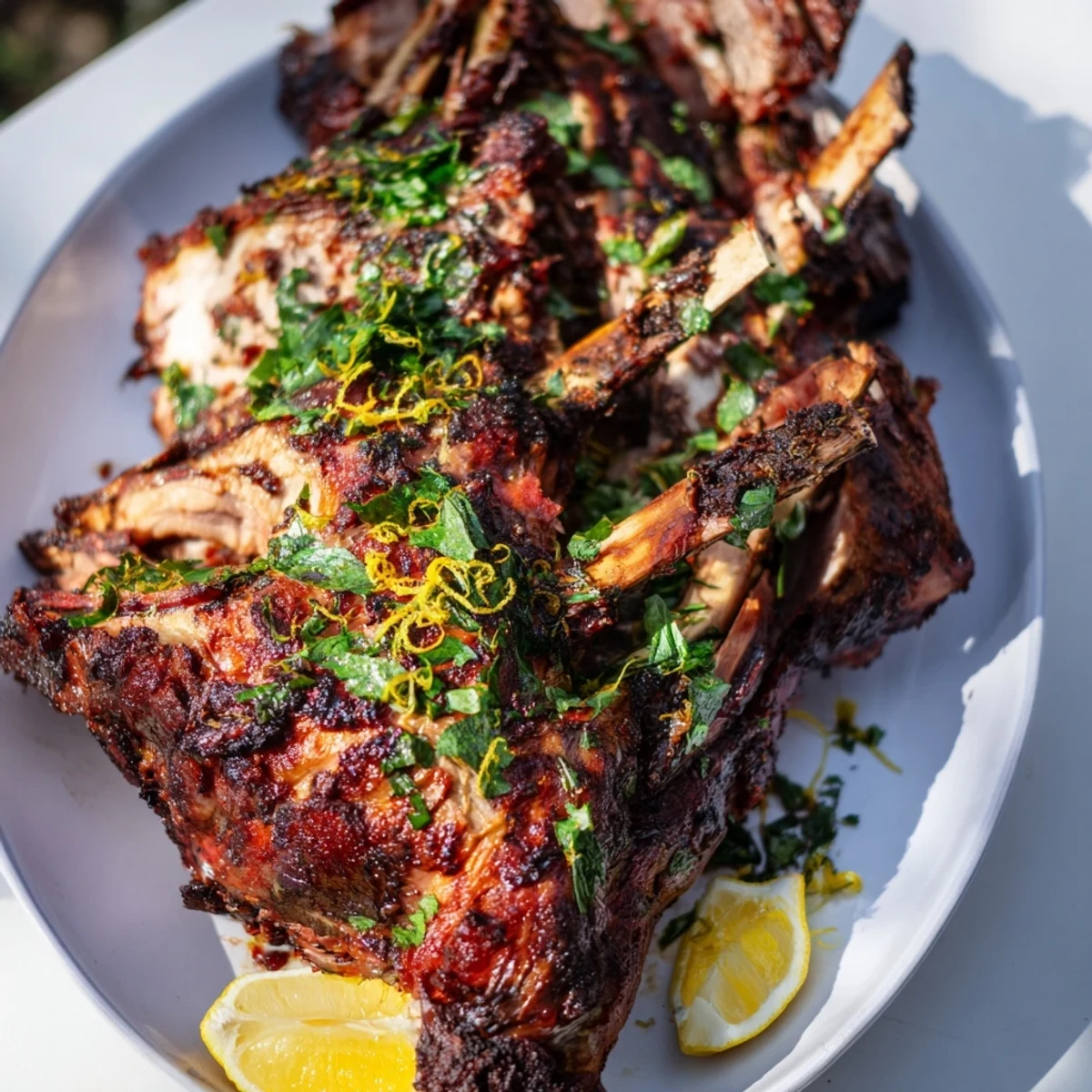
Save One year I served this with nothing but roasted potatoes and a bowl of cranberry sauce, and it felt like the most honest, satisfying meal I'd made in months. Sometimes the simplest things are the ones people remember.
Making It Even Better
If you have time the night before, brine the turkey breast in a mix of water, salt, sugar, and a few smashed garlic cloves. It adds another layer of moisture and flavor that shows up in every bite. Just rinse and dry it well before seasoning.
What to Do with Leftovers
Sliced cold turkey makes incredible sandwiches with mustard and pickles, or you can shred it into soups and grain bowls. I've tossed it with pasta, olive oil, and wilted greens more times than I can count. It holds up better than chicken because it stays tender even reheated.
Serving Suggestions and Little Touches
This pairs beautifully with mashed potatoes, roasted root vegetables, or a simple green salad with a sharp vinaigrette. If you're making gravy, a splash of white wine in the pan juices adds brightness. A spoonful of Dijon stirred in at the end makes it even better.
- Serve the strained pan juices in a small pitcher so everyone can add as much as they want.
- Garnish the platter with fresh thyme sprigs and lemon wedges for color and fragrance.
- If you're feeding a crowd, double the recipe and use two smaller breasts instead of one large one for faster, more even cooking.
 Save
Save This recipe taught me that patience in the kitchen almost always wins. I hope it brings you the same kind of easy confidence it gave me.
Recipe FAQs
- → How long should the turkey breast be slow roasted?
-
Roast uncovered at 150°C (300°F) for about 1 hour 45 minutes to 2 hours, until internal temperature reaches 74°C (165°F).
- → Can I add other herbs instead of thyme?
-
Yes, you can substitute rosemary with sage or marjoram to adjust the flavor profile.
- → What’s the purpose of roasting the turkey on vegetables?
-
The onion, carrots, and celery create a flavorful bed that helps keep the meat moist and adds depth to the pan juices.
- → How can I achieve crispier skin on the turkey breast?
-
Increase the oven temperature to 220°C (425°F) during the last 10 minutes of roasting for a golden, crisp skin.
- → What is a simple way to make gravy from the pan juices?
-
Simmer the strained pan juices with a splash of white wine and thicken with cornstarch if desired.