
 Save
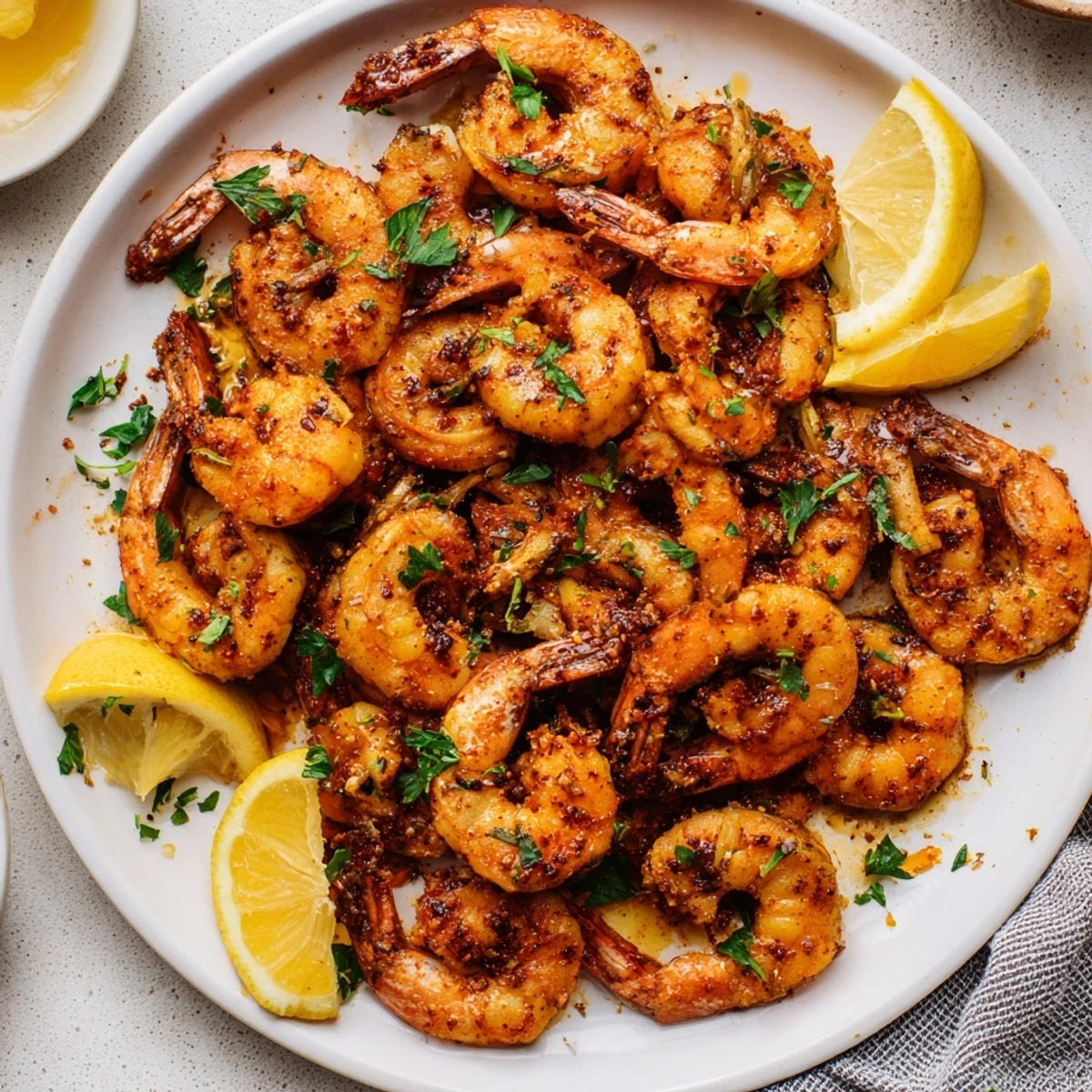
Save This dish features large shrimp coated in a vivid blend of Cajun seasoning, smoked paprika, and cayenne pepper. After marinating briefly, the shrimp are sautéed until opaque and lightly charred, then finished with a splash of lemon juice and fresh parsley garnish. Perfect for serving over rice or a crisp salad, it delivers a balance of spicy heat and citrus brightness. The quick cooking time and simple ingredients make it an accessible option for those craving a Southern-inspired seafood experience.
I still remember the first time I made Cajun shrimp at home—it was a lazy Friday night, and I wanted to recreate that magic I'd found in a cramped New Orleans kitchen years ago. The recipe seemed intimidating until I realized it was just shrimp, bold spices, and a hot skillet. Now it's become my go-to when I want to feel like I'm cooking something impressive in under twenty minutes. Every time those shrimp hit the pan and the kitchen fills with that smoky, peppery aroma, I'm transported back to that trip, and everyone around my table suddenly feels like they're dining somewhere special.
I'll never forget the dinner party where I nervously served this to my friend who'd just returned from culinary school in Charleston. I watched her take that first bite, and her eyes lit up like I'd just handed her the keys to New Orleans itself. She asked for the recipe on the spot, and that's when I knew I'd gotten it right.
Ingredients
- 1 lb large raw shrimp, peeled and deveined, tails on: Keep the tails for presentation and easier handling—they also give you something to hold while eating. Make sure they're truly raw and not pre-cooked, or they'll turn rubbery in the pan.
- 2 tbsp olive oil: This is your base for searing and flavor. Use a good quality oil that can handle medium-high heat without smoking.
- 1 tbsp Cajun seasoning: The soul of this dish. If you can't find a blend you love, you can absolutely make your own from the individual spices listed below.
- 1/2 tsp smoked paprika: This ingredient is the secret whisper of Southern smoke that makes people ask what that depth of flavor is.
- 1/4 tsp cayenne pepper: Adjust this to your heat tolerance—start conservative and work up, because you can always add more spice but you can't take it out.
- 1/2 tsp garlic powder, 1/2 tsp onion powder, 1/2 tsp dried thyme, 1/2 tsp dried oregano: These dried herbs and aromatics build a savory foundation that makes the dish sing without requiring fresh ingredients.
- 1/2 tsp salt and 1/4 tsp black pepper: Essential for seasoning, though taste as you go since your Cajun blend may already contain salt.
- 1 tbsp fresh lemon juice: The brightness at the end that wakes up all those warm spices and keeps the shrimp tasting fresh rather than heavy.
- 2 tbsp fresh parsley, chopped: A final shower of color and freshness that makes the dish look like it came from a restaurant kitchen.
- Lemon wedges, for serving: Give your guests the option to add more brightness if they want it.
Instructions
- Prepare your shrimp for seasoning:
- In a large bowl, combine the shrimp with the olive oil and all your spices—the Cajun seasoning, smoked paprika, cayenne, garlic powder, onion powder, thyme, oregano, salt, and pepper. Use your hands or tongs to toss everything together, making sure each shrimp gets evenly coated in that fragrant mixture. This is a sensory moment—breathe in that aroma and know you're about to make something delicious.
- Let the flavors marry:
- Set the bowl aside at room temperature for five to ten minutes. This isn't just about convenience; it gives the spices time to cling to the shrimp and start their flavor journey.
- Get your pan ready:
- Place a large skillet over medium-high heat and let it warm for a minute or two. You want it hot enough that when a drop of water hits it, it sizzles immediately—this is where the magic happens.
- Sear the shrimp to golden perfection:
- Working carefully, place the seasoned shrimp in a single layer in the hot pan. Resist the urge to move them around—let each side sit for two to three minutes until it turns opaque and develops those slightly charred edges that mean flavor has formed. If your shrimp don't all fit comfortably, work in batches rather than crowding the pan; crowding means steam instead of sear.
- Finish with brightness:
- The moment the shrimp are done, pull the pan off the heat and immediately drizzle with fresh lemon juice. Listen for that little sizzle—it's the sound of success.
- Present with pride:
- Transfer to a serving plate, scatter the fresh chopped parsley across the top, and set out lemon wedges for your guests. They'll think you've been cooking since noon.
 Save
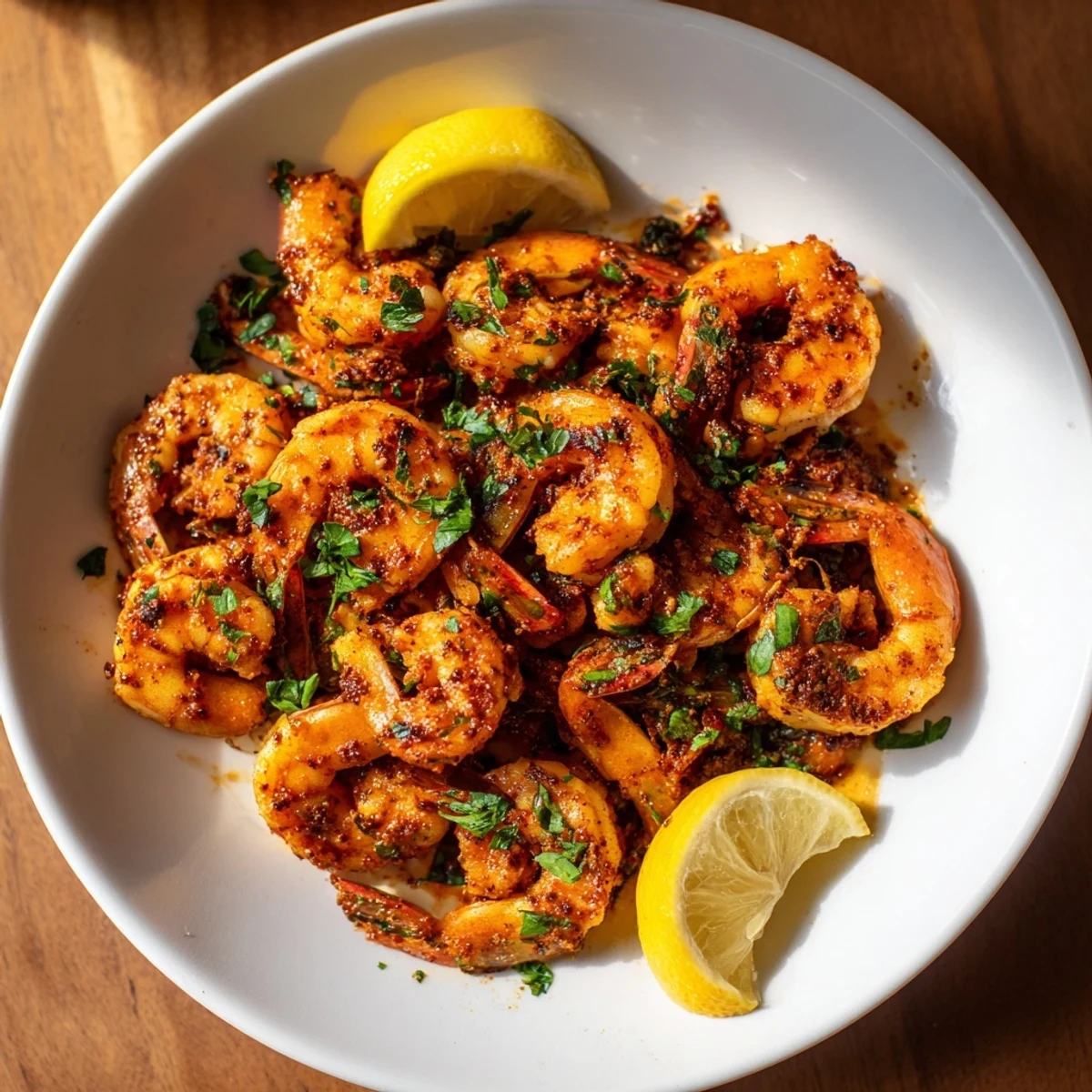
Save There's something about serving shrimp that makes people feel celebrated. I remember my grandmother once told me that shrimp on the table means you're saying 'you matter,' and now I understand exactly what she meant. This dish has a way of turning an ordinary Tuesday into something worth remembering.
Serving Suggestions That Make It a Meal
While these shrimp are stunning on their own, I've learned that a few simple additions transform them from appetizer to showstopping main course. Serve them over creamy grits for a deeply comforting dish, or pile them onto fluffy white rice to let your guests soak up every drop of those spiced pan juices. A crisp green salad alongside brightens everything, and don't sleep on serving them with crusty bread for soaking up the flavors. I've even tossed them into pasta for late-night dinners, and the combination of that Southern seasoning with tender noodles is unexpectedly perfect.
Customizing the Heat Level
This recipe walks the line between flavorful and fiery, but the beauty of Cajun cooking is that you're in complete control of how much heat lands on your table. If your group prefers mild flavors, cut the cayenne back to just a pinch or skip it entirely—the smoked paprika and other spices will still give you plenty of character. For those who live in the spicy lane like I do, increase the cayenne to a full teaspoon, or add a few dashes of your favorite hot sauce right at the end. I've also discovered that swapping out the Cajun seasoning for a Creole blend gives a slightly milder, more herbaceous flavor if you want to venture in that direction.
Pairing and Storing Your Cajun Shrimp
The brightness and boldness of this dish pairs beautifully with crisp white wines like Sauvignon Blanc, or if you prefer beer, a cold lager cuts through the spices perfectly. If you somehow have leftovers—which rarely happens at my table—store them in an airtight container in the refrigerator for up to two days. Reheat gently in a skillet with a splash of olive oil rather than the microwave, which can turn shrimp tough.
- Always taste your Cajun seasoning blend before using it; store-bought versions vary in saltiness, so you might need to adjust the salt at the end.
- Have your lemon juice and parsley prepped and ready before you heat the pan—everything happens very quickly once the shrimp hit the skillet.
- Remember that shrimp continue to cook slightly after you remove them from heat, so pull them from the pan when they look just barely opaque for the most tender result.
 Save
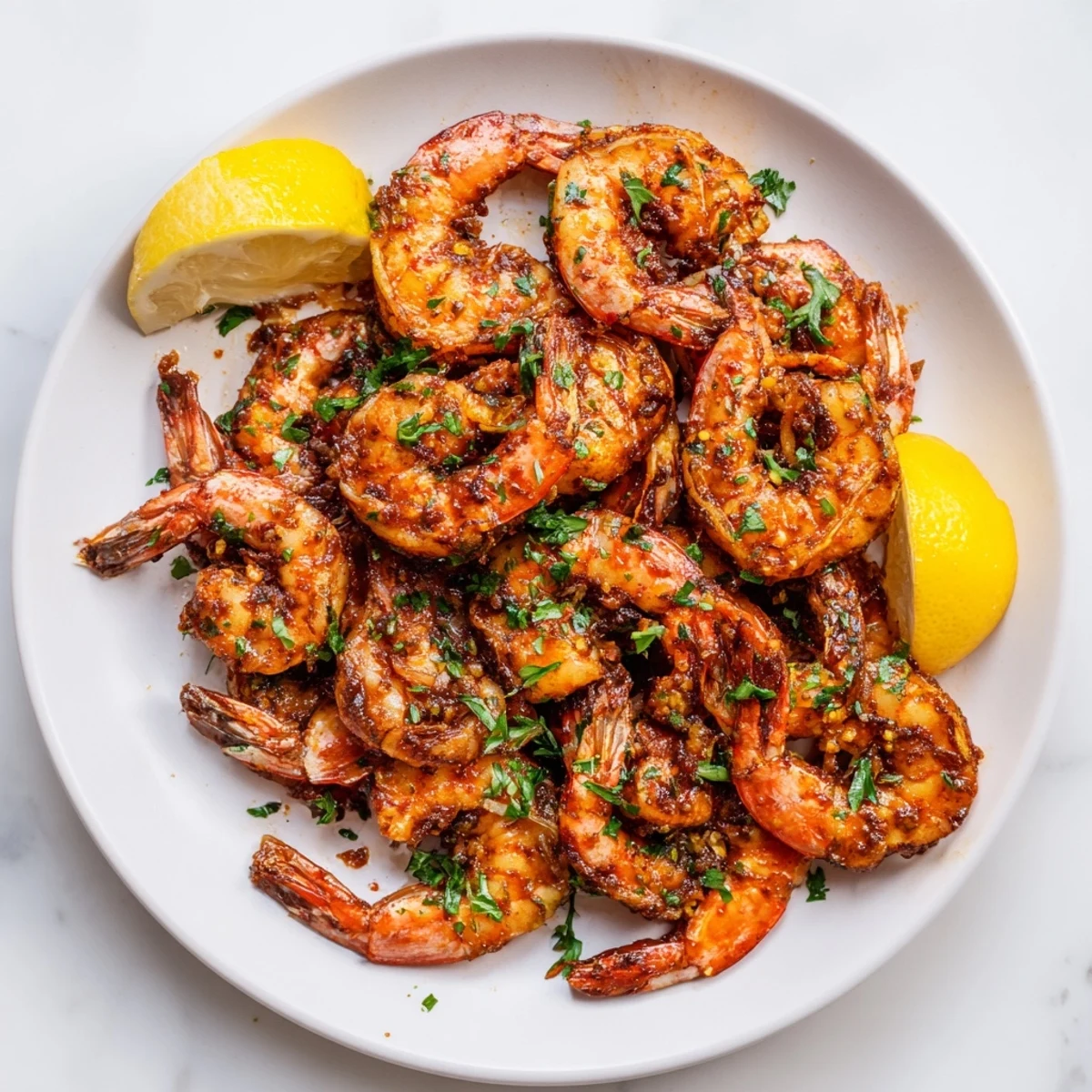
Save This recipe has taught me that the best meals are often the simplest ones, made with intention and shared with people you love. Eighteen minutes to impress the people around your table isn't just cooking—it's a small act of generosity wrapped in bold spices and a warm kitchen.
Recipe FAQs
- → What type of shrimp is best for this dish?
-
Large raw shrimp, peeled and deveined with tails on, work best to hold seasoning and cook evenly.
- → Can I adjust the spice level?
-
Yes, increase or reduce cayenne pepper to customize the heat, or add hot sauce for a stronger kick.
- → What sides complement this spicy shrimp?
-
Serve with rice, grits, or a fresh salad to balance the bold, spicy flavors.
- → Is there an alternative seasoning for milder taste?
-
Creole seasoning can be used instead of Cajun for a milder flavor profile.
- → How do I prevent shrimp from overcooking?
-
Cook shrimp 2–3 minutes per side until they turn opaque and slightly charred, then remove promptly.