
 Save
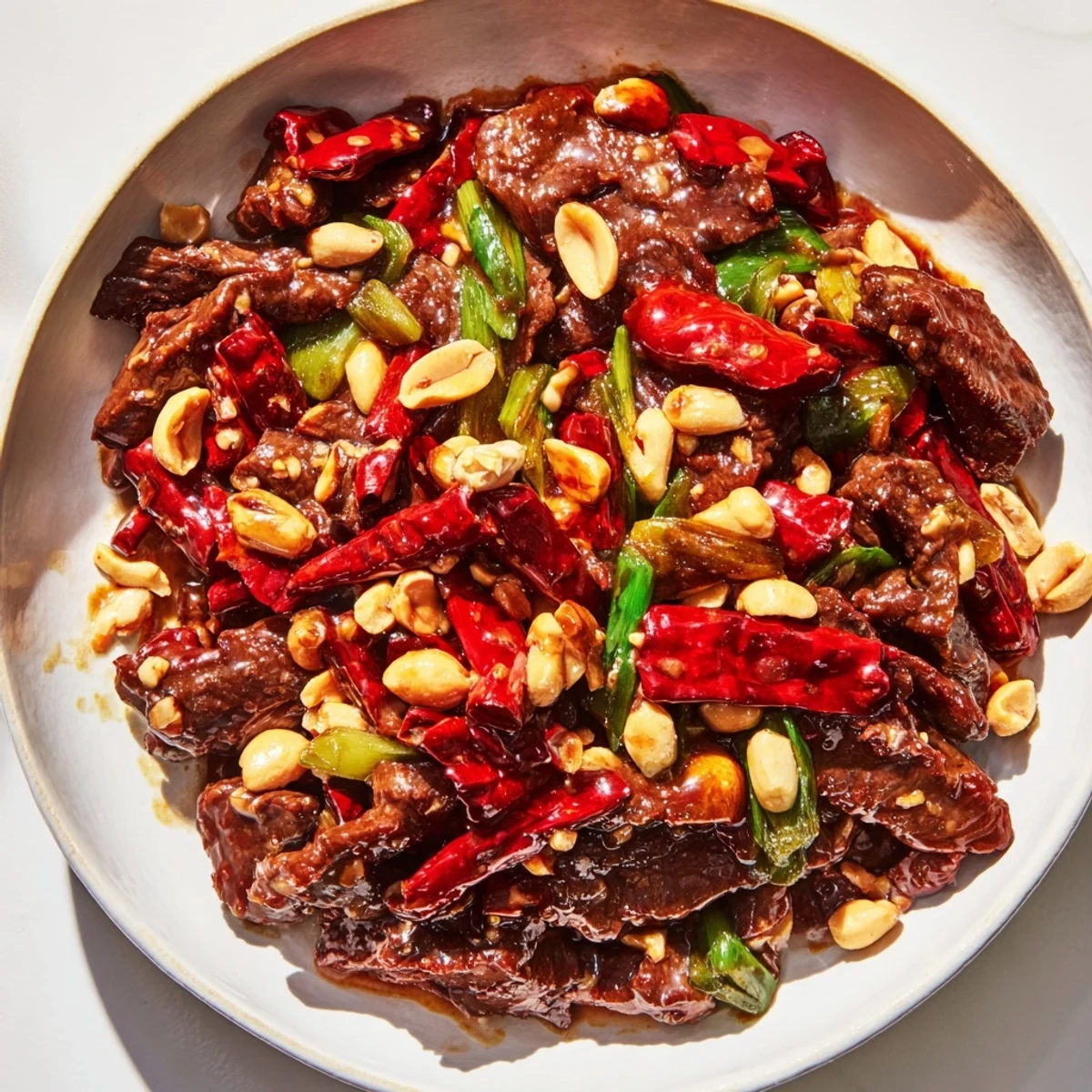
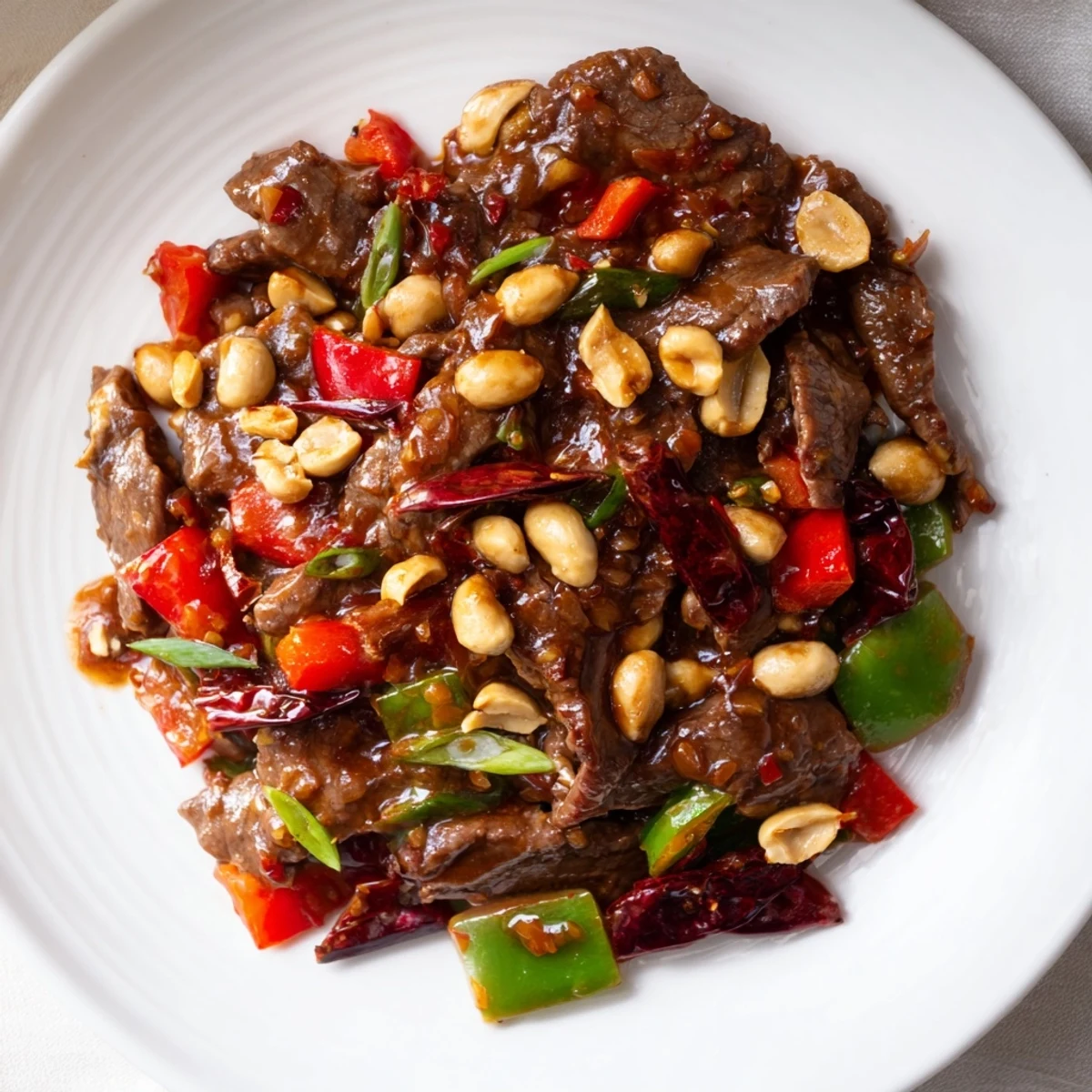
Save This dish features thinly sliced flank steak marinated in soy and Shaoxing wine, then seared quickly for a tender bite. The sauce combines dark soy, rice vinegar, hoisin, and sesame oil, delivering a balance of savory and tangy flavors. Stir-fried dried chilies and Sichuan peppercorns add a fragrant spice, complemented by garlic, ginger, and colorful bell peppers. Roasted peanuts bring a satisfying crunch, while spring onion greens finish the dish with freshness. Ideal served hot with steamed jasmine rice.
I picked up a wok at a yard sale one Sunday and had no idea what to do with it until my neighbor mentioned Kung Pao. The smell of Sichuan peppercorns hitting hot oil for the first time nearly made me drop my spatula. That tingly, floral heat changed the way I thought about stir-fry completely.
I made this for a friend who swore she hated spicy food, but she finished her entire bowl and asked for the recipe. Watching her face light up when the peanuts hit that glossy sauce reminded me why cooking for people never gets old. Sometimes you just need the right dish to change someone's mind.
Ingredients
- Flank steak: Slice this against the grain or it turns chewy, a lesson I learned the frustrating way on my second attempt.
- Shaoxing wine: This adds a subtle sweetness and depth that dry sherry can mimic, but the real thing makes a noticeable difference.
- Cornstarch (marinade): It tenderizes the beef and gives it a velvety coating that clings to the sauce beautifully.
- Dark soy sauce: This brings color and a richer, slightly sweet undertone that regular soy sauce just cannot match.
- Rice vinegar: The tang cuts through the richness and keeps the sauce from feeling heavy.
- Hoisin sauce: A little goes a long way for that umami sweetness that ties everything together.
- Sesame oil: Just a touch at the end makes the whole dish smell like a proper stir-fry.
- Dried red chilies: I remove the seeds unless I am feeling brave, because the heat can sneak up on you fast.
- Sichuan peppercorns: These give that signature tingle on your tongue that makes Kung Pao unforgettable.
- Garlic and ginger: Fresh is non-negotiable here, the jarred stuff just does not have the same punch.
- Bell peppers: They add sweetness and crunch, plus they look gorgeous against the dark sauce.
- Spring onions: The whites go in early for flavor, the greens at the end for freshness and color.
- Roasted unsalted peanuts: Salted ones can make the dish too salty, so I learned to check the label every time.
Instructions
- Marinate the beef:
- Toss the sliced beef with soy sauce, Shaoxing wine, and cornstarch until every piece is coated. Let it sit for 10 minutes while you prep everything else.
- Mix the sauce:
- Whisk together soy sauce, dark soy, vinegar, hoisin, sugar, sesame oil, water, and cornstarch until smooth. Set it within arm's reach of the stove.
- Sear the beef:
- Heat half the oil in your wok over high heat and spread the beef in a single layer. Let it sizzle undisturbed for a minute, then flip and remove once browned.
- Bloom the spices:
- Add the rest of the oil, then toss in chilies and Sichuan peppercorns. Stir for 30 seconds until the kitchen smells incredible, but pull them before they blacken.
- Build the aromatics:
- Add garlic, ginger, and the white parts of the spring onions. Stir-fry for a minute until fragrant and golden.
- Cook the peppers:
- Toss in the bell peppers and stir-fry for 2 to 3 minutes. They should still have a little snap when you bite into them.
- Bring it together:
- Return the beef to the wok, pour in the sauce, and toss everything until glossy and thickened. This takes about a minute or two of constant stirring.
- Finish and serve:
- Stir in the peanuts and spring onion greens, then pull the wok off the heat. Serve immediately over steamed rice while it is still piping hot.
 Save
Save The first time I nailed this recipe, I ate it straight from the wok standing at the stove. My partner walked in, grabbed a fork, and we polished off the whole batch without saying a word. That is when I knew it was a keeper.
Making It Your Own
I have swapped in chicken thighs when beef was not on sale, and it worked beautifully as long as I kept the pieces small. Tofu is great too if you press it well and get a good sear on all sides. The sauce is forgiving enough to handle whatever protein you have handy.
Adjusting the Heat
My first batch was so spicy I had to open every window in the kitchen. Now I remove the chili seeds and use fewer peppercorns when cooking for guests. You can always add chili oil at the table for those who want the fire, but you cannot take it back once it is in the wok.
Serving and Pairing
Jasmine rice is my go-to because it soaks up the sauce without competing for attention. Brown rice works if you want something heartier, and I have even served this over noodles when I was out of rice entirely. A cold Riesling or iced jasmine tea cuts through the richness and cools down the spice just enough.
- Prep all your ingredients before you turn on the stove, stir-frying waits for no one.
- Use a wok if you have one, the high sides make tossing easier and keep everything in the pan.
- Leftovers reheat surprisingly well in a hot skillet with a splash of water to loosen the sauce.
 Save
Save This dish taught me that the best meals are the ones that make your lips tingle and your kitchen smell like something worth coming home to. I hope it does the same for you.
Recipe FAQs
- → How do I adjust the spice level?
-
To reduce heat, remove chili seeds or use fewer dried chilies. For more spice, keep seeds or add additional chilies.
- → Can I substitute the beef with other proteins?
-
Yes, chicken or firm tofu can be used instead of beef for a different but equally delicious outcome.
- → What is the best way to prepare the beef?
-
Slice the flank steak thinly against the grain and marinate briefly to enhance tenderness and flavor before searing.
- → Why use Sichuan peppercorns?
-
Sichuan peppercorns add a unique, citrusy numbing sensation that complements the chili heat and enhances the dish's authenticity.
- → What sides pair well with this dish?
-
Steamed jasmine or brown rice absorbs the sauce well. Crisp Riesling or jasmine tea also complement the flavors beautifully.