
 Save
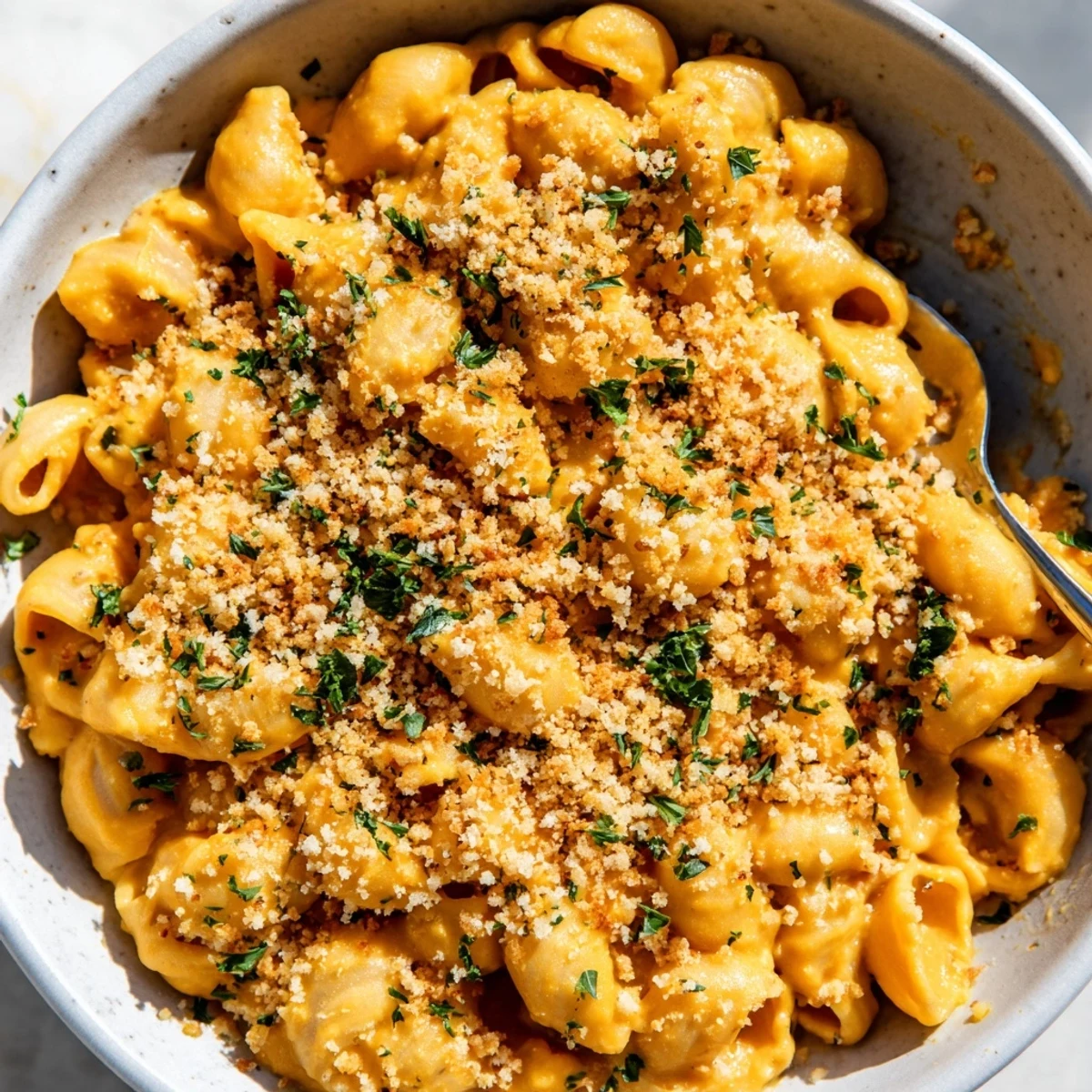
Save This creamy vegan dish blends roasted butternut squash with a smooth, dairy-free cheese sauce made from nutritional yeast and plant milk. Elbow macaroni or small pasta shells are coated with the rich sauce and optionally topped with crunchy panko breadcrumbs. Roasting the squash and aromatics enhances the natural sweetness, while Dijon mustard and smoked paprika add a gentle tang and depth of flavor. Perfect for a comforting, healthy meal that’s easy to prepare and full of plant-based goodness.
The first time I made vegan mac and cheese, I was convinced I'd miss the cheese entirely—that creamy, sharp bite that makes the dish sing. Then I roasted butternut squash, blended it with nutritional yeast and a splash of oat milk, and tossed it with warm pasta. The kitchen filled with this golden, nutty aroma, and I realized I wasn't chasing a memory of dairy cheese at all; I was making something entirely its own. That was the moment this dish stopped being a substitute and became a favorite I actually crave.
I served this to my meat-eating brother on a rainy Tuesday, expecting polite compliments. He went back for seconds without asking what was in it, then demanded the recipe. Watching someone genuinely surprised that something dairy-free could taste this good reminded me why I keep coming back to this one—it doesn't whisper about what it isn't, it just tastes like home.
Ingredients
- Elbow macaroni or pasta shells (350 g): Small shapes trap the sauce better than long pasta; cook it one minute under al dente so it stays tender when heated with the warm sauce.
- Butternut squash, peeled and cubed (1 medium, about 900 g): The star of the sauce—roasting brings out its natural sweetness and makes it blend silky smooth, no gritty bits.
- Yellow onion, roughly chopped (1 small): Roasting softens it into something almost sweet; it disappears into the sauce but builds depth you'd miss if you skipped it.
- Garlic cloves (2, peeled): Just two is enough—too much overpowers the delicate squash flavor.
- Unsweetened plant-based milk (120 ml): Oat milk gives the creamiest sauce, but soy or almond work fine if that's what you have on hand.
- Nutritional yeast (60 ml): This is the umami bomb that makes the sauce taste savory and rich; don't skip it or use less.
- Olive oil (2 tbsp, plus 1 tbsp for roasting and 1 tbsp for optional topping): Good olive oil matters here since it's one of the few fats carrying the flavor.
- Lemon juice (1 tbsp): A small squeeze that brightens everything and keeps the sauce from tasting flat.
- Dijon mustard (2 tsp): Acts as a flavor amplifier and adds a subtle tang that's almost invisible but makes people ask what you did differently.
- Smoked paprika (½ tsp): Brings a whisper of smokiness that makes the dish taste less like vegetables and more like comfort food.
- Ground turmeric (½ tsp, optional): Deepens the color to pure golden orange and adds an earthy note; skip it only if you're out.
- Salt and black pepper: Start with 1 tsp salt and ½ tsp pepper in the sauce, then taste and adjust—everyone's preferences differ.
- Panko breadcrumbs (30 g, optional): If you want a crunchy topping, this is your moment; don't skip the olive oil or it'll burn.
- Fresh parsley, chopped (1 tbsp): A small handful of green at the end lifts the whole dish and makes it feel finished.
Instructions
- Heat your oven and prep the vegetables:
- Preheat to 200°C (400°F) and line a baking tray with parchment paper. Cut your butternut squash into roughly 2-cm cubes—they should roast evenly in about 25 minutes. Chop the onion into pieces about the same size and leave the garlic cloves whole.
- Coat and roast:
- Toss the squash, onion, and garlic on the tray with 1 tbsp olive oil, a pinch of salt, and pepper until everything glistens. The key here is even spacing—if they're piled up, they'll steam instead of caramelize. Pop them in the oven and forget about them for 25 minutes until the squash is tender and the edges are golden and slightly crispy.
- Cook the pasta simultaneously:
- While vegetables roast, bring a large pot of salted water to a rolling boil and cook your pasta according to package directions, aiming for al dente or even slightly firmer. Drain it in a colander but don't rinse it—the starch helps the sauce cling.
- Blend the sauce:
- Once the squash is fork-tender and cooling slightly, transfer everything to your blender along with the plant-based milk, nutritional yeast, 1 tbsp olive oil, lemon juice, Dijon mustard, smoked paprika, turmeric (if using), 1 tsp salt, and ½ tsp pepper. Blend on high until completely smooth and creamy, about 1–2 minutes; this is not the time to leave lumps.
- Combine pasta and sauce:
- Return the drained pasta to its pot and pour the sauce over it, stirring gently but thoroughly until every strand is coated in that golden, creamy goodness. Set the heat to low and stir occasionally for 2–3 minutes just to warm everything through; don't let it bubble or the sauce might break.
- Optional golden topping:
- If you want crunch, toss panko breadcrumbs with 1 tbsp olive oil and sprinkle them over the pasta in an ovenproof dish. Slide it under a hot broiler for 2–3 minutes until the crumbs turn golden and crispy, watching closely so they don't char.
- Finish and serve:
- Taste and adjust salt and pepper if needed. Sprinkle fresh parsley over each serving and eat while it's warm and the sauce is at its creamiest.
 Save
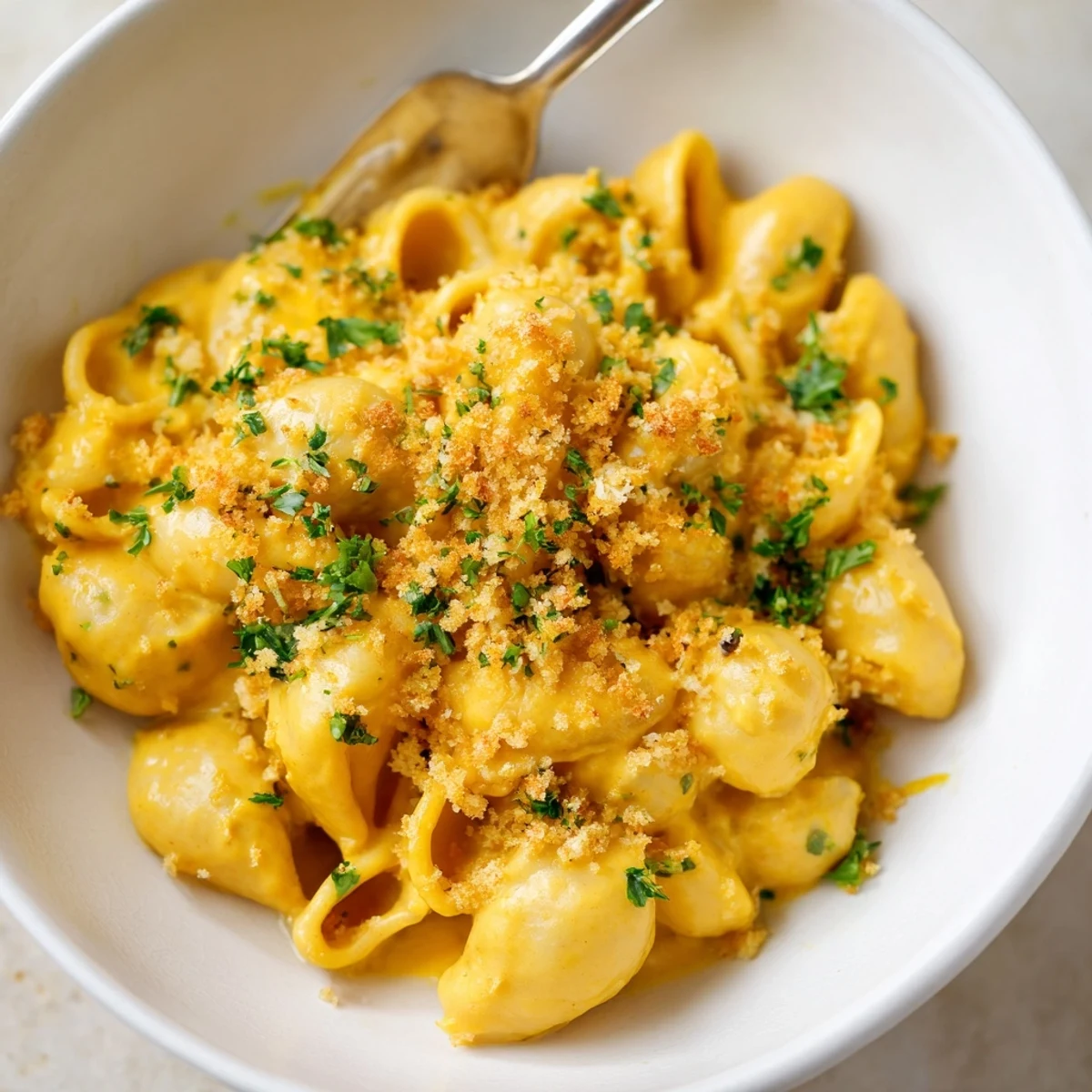
Save One evening, a friend who'd never tried nutritional yeast before asked if it was some kind of supplement or if I was pranking her. I watched her face change the moment she tasted it blended into that golden sauce—surprise, then understanding, then a quiet 'oh, I get it now.' That moment, when someone realizes what's possible without dairy, is when this recipe stops being a recipe and becomes proof that the best comfort food isn't about what you're replacing, it's about what you're making.
Why Roasting Makes All the Difference
Raw or steamed butternut squash has a flat, watery flavor that would translate into a bland sauce. Roasting concentrates the natural sugars and adds caramelization—that slight brown char around the edges—which deepens everything and brings out a subtle nuttiness you can't get any other way. The caramelized onion and soft garlic add layers of savory sweetness that make the sauce taste complex and restaurant-quality, not like a quick blended vegetable.
Building Flavor With Small Ingredients
This sauce relies on a few key seasonings working together: smoked paprika adds warmth and a hint of smokiness, Dijon mustard acts as a flavor amplifier that makes everything taste more itself, and a small squeeze of lemon juice brightens the whole dish and prevents it from tasting heavy or flat. Turmeric deepens the color and adds an earthy edge, though it's optional—the sauce is stunning without it. Together, these small amounts create something that tastes intentional and layered, not like plain blended squash.
Ways to Make It Your Own
This recipe is a foundation, not a rulebook. Some of my best versions have come from improvising based on what was in my fridge or how I was feeling that day.
- Stir in cooked peas, sautéed mushrooms, or vegan sausage for extra protein and texture without changing the flavor balance.
- Swap sweet potato for butternut squash if you prefer something earthier, or use a mix of both for complexity.
- Add a pinch of cayenne or red pepper flakes if you want heat, but start small—it's easy to add more but impossible to take out.
 Save
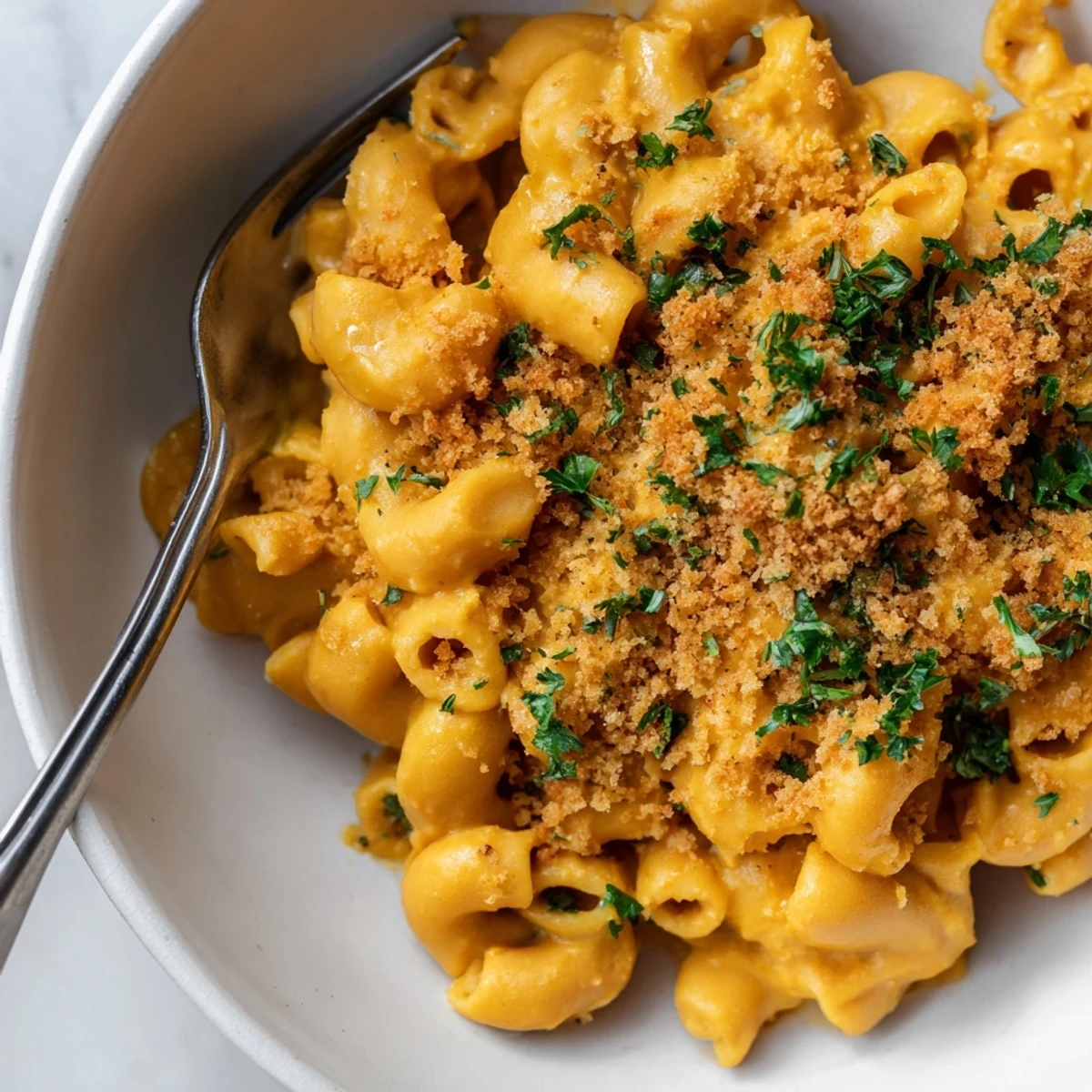
Save This is the kind of dish that reminds you why you cook—not because you have to, but because something made by your own hands, seasoned exactly how you like it, tastes infinitely better than anything else. Serve it with a crisp green salad and let it be enough.
Recipe FAQs
- → What pasta works best for this dish?
-
Elbow macaroni or small pasta shells hold the sauce well and cook evenly, but any small pasta shape works.
- → Can I use other vegetables instead of butternut squash?
-
Yes, sweet potato can be a great substitute and adds a similar sweetness and creaminess.
- → How do I make the cheese sauce creamy without dairy?
-
The sauce combines roasted squash with nutritional yeast, plant-based milk, and olive oil to create a smooth, creamy texture.
- → Is it possible to add a crunchy topping?
-
Sprinkling panko breadcrumbs mixed with olive oil on top and broiling briefly gives a delightful crunchy texture.
- → How can I adjust the flavor profile?
-
Adding Dijon mustard and smoked paprika boosts the savory depth, and a pinch of cayenne can add a subtle heat.